Best Insoles for Narrow Shoes
Finding comfortable insoles for narrow shoes can be surprisingly difficult. You buy a pair that promises extra cushioning or arch support, only to discover that your shoes suddenly feel too tight. Your heel starts slipping, your toes feel cramped, or the insole bunches up inside the shoe after a few hours of walking.
This is a common problem for people who wear narrow sneakers, dress shoes, work shoes, or casual footwear. Many aftermarket insoles are designed to fit standard or wide shoe shapes, which means they can create pressure points and reduce comfort when placed inside a narrow-fitting shoe.
The good news is that the right insole can improve comfort, support your arches, reduce foot fatigue, and fit properly without making your shoes feel overcrowded.
In this guide, you’ll learn what makes an insole suitable for narrow shoes, which features matter most, and how to choose the right option based on your foot shape, activity level, and daily footwear.
Why Narrow Shoes Create Unique Insole Challenges
People often assume that any insole can fit any shoe once it is trimmed. In reality, shoe volume matters just as much as length.
Narrow shoes typically have less interior space throughout the midfoot and forefoot. Adding a thick or bulky insole can change how your foot sits inside the shoe. Even a few extra millimeters of material may create unwanted pressure along the sides of the foot.
For some people, this leads to discomfort during long walks. Others notice rubbing around the toes, reduced stability, or increased fatigue because the foot no longer sits correctly inside the shoe.
The issue becomes even more noticeable if you spend long hours on your feet. Someone walking through airports, standing during work shifts, or moving around throughout the day may experience increasing discomfort as the hours pass.
Many people who already deal with arch pain, heel discomfort, or overpronation face an additional challenge because they need support without sacrificing space. This is where specialized low-profile insoles become valuable.
If you also experience arch-related discomfort, our guide to best insoles for flat feet explains how support needs can vary depending on foot structure.
Why Standard Insoles Often Fail in Narrow Shoes
One of the biggest mistakes people make is choosing an insole based solely on softness.
A very soft insole may feel comfortable when you first step on it. However, once body weight is applied repeatedly throughout the day, the material can compress significantly. As the cushioning collapses, support decreases and pressure returns to the same sensitive areas.
At the opposite extreme, some heavy-duty insoles provide excellent support but are simply too thick for narrow footwear. They take up valuable space and can make shoes feel tighter than intended.
Several common problems occur when standard insoles are placed inside narrow shoes:
Excessive Thickness
Thicker insoles often raise the foot too high inside the shoe. This can create friction around the heel collar and reduce overall comfort.
Poor Shape Compatibility
Some insoles are designed with wider platforms that do not match narrow shoe designs. The edges may curl, shift, or create pressure against the sides of the foot.
Insufficient Arch Support
Budget insoles often focus on cushioning while providing very little structural support. This may be acceptable for occasional use but becomes less effective during long periods of standing or walking.
Short Lifespan
Low-quality foam frequently compresses within weeks or months. Once compression occurs, comfort and support decline quickly.
For people who spend many hours standing on concrete or hard flooring, this can become especially noticeable. Similar issues are discussed in our guide to insoles for standing all day.
What Features Actually Matter in Insoles for Narrow Shoes
Not every supportive insole is bulky. Some of the best options achieve a balance between structure and low-profile design.
When evaluating insoles for narrow shoes, focus on these characteristics.
Low-Profile Construction
This is often the most important factor.
Low-profile insoles are designed to provide support while occupying less interior shoe volume. They help preserve the original fit of the shoe while still improving comfort.
For narrow footwear, a slim design is usually more valuable than maximum cushioning.
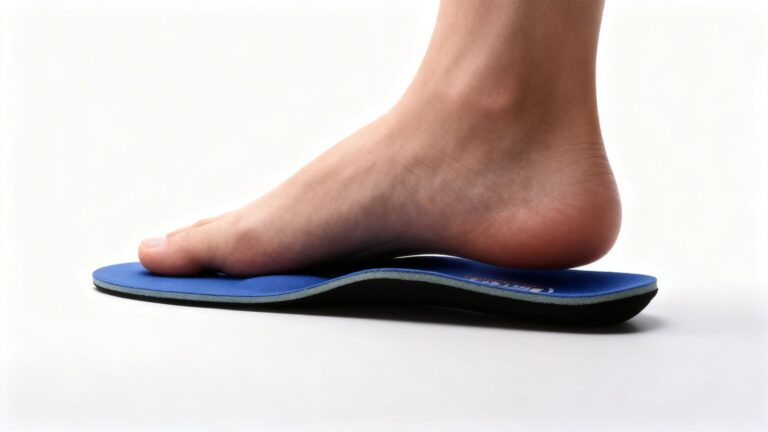
Proper Arch Support
Arch support helps distribute pressure more evenly across the foot.
Without adequate support, certain areas may absorb excessive load during walking or standing. Over time, this can contribute to fatigue, discomfort, and inefficient movement patterns.
The ideal amount of support depends on your arch height and daily activities, but some degree of structural support is beneficial for most people.
Cushioning vs Control
Many shoppers focus only on cushioning, but support and motion control are equally important.
A softer insole may feel more comfortable initially.
A firmer insole often provides better long-term stability.
Neither approach is universally better. The right choice depends on how your feet respond during extended use.
For example, someone walking several miles daily may prefer a slightly firmer platform that maintains its shape. Someone seeking pressure relief in casual shoes may prioritize softer cushioning.
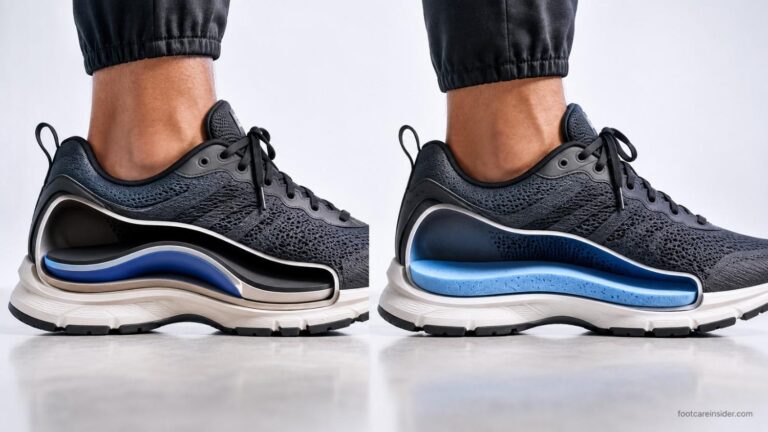
EVA Foam vs Gel
Material choice also affects comfort.
EVA foam is commonly used because it offers a good balance of cushioning, durability, and lightweight performance. It tends to fit narrow shoes well because manufacturers can create supportive designs without excessive thickness.
Gel inserts can provide excellent shock absorption, but they are often bulkier. In narrow footwear, this additional volume sometimes creates fit issues.
Neither material is automatically superior. The better option depends on available shoe space and personal comfort preferences.
Durability
A durable insole maintains its shape under repeated loading.
This becomes especially important for people who walk frequently, commute daily, or spend long shifts on their feet.
A slightly firmer insole that retains support for months may ultimately provide greater comfort than an extremely soft option that compresses quickly.
A Practical Buying Framework
Choosing an insole becomes much easier when you evaluate your situation using four simple factors.
1. Consider Your Discomfort Level
Mild discomfort often responds well to low-profile cushioning and moderate arch support.
Moderate discomfort may require a more structured design that improves foot alignment throughout the day.
More persistent pain may benefit from higher-support options designed specifically for biomechanical control.
2. Think About Your Daily Activity
Someone who primarily sits and walks occasionally has different needs than someone covering several miles per day.
Frequent walkers usually benefit from greater support and durability, while occasional users may prioritize comfort and flexibility.
3. Match the Insole to Your Shoe Type
Narrow dress shoes generally require thinner designs.
Athletic shoes often provide slightly more interior volume.
Work shoes fall somewhere in between and may require a balance of cushioning and support.
4. Identify Where Discomfort Occurs
Heel discomfort often points toward cushioning and shock absorption needs.
Arch discomfort may indicate a need for better support.
General foot fatigue may benefit from a combination of cushioning, support, and improved pressure distribution.
Understanding where discomfort occurs makes it much easier to select an appropriate insole instead of guessing.
Best Insole Types for Narrow Shoes
Rather than focusing on a single product, it’s often more useful to understand which type of insole fits your needs. Narrow shoes leave less room for error, so matching the insole style to your footwear and daily routine matters more than chasing the most popular option.
1. Low-Profile Everyday Support Insoles
Who is this for?
People who wear narrow casual shoes, sneakers, or everyday footwear and want better comfort without changing the fit significantly.
These insoles are designed with a slim profile that preserves interior shoe space while providing moderate arch support and cushioning. They are often the safest starting point for most narrow-shoe wearers.
Key Benefits
- Maintains original shoe fit
- Provides balanced support
- Suitable for daily walking
- Works in many shoe styles
Limitations
- May not offer enough support for severe foot issues
- Less cushioning than thicker comfort-focused models
Compared to heavily cushioned insoles, low-profile designs typically offer better compatibility with narrow footwear.
2. Firm Arch Support Insoles
Who is this for?
People with flat feet, mild overpronation, or recurring arch fatigue who need additional structure.
These insoles focus on stability rather than softness. The goal is to support foot alignment and reduce excessive movement during walking.
Key Benefits
- Better motion control
- Supports arch structure
- Can reduce fatigue during long walks
- Often lasts longer than softer models
Limitations
- May feel firm initially
- Requires a short adjustment period for some users
While softer insoles emphasize comfort, structured arch-support models often perform better during extended periods of activity.
3. Cushioning Insoles for Sensitive Feet
Who is this for?
Individuals who experience pressure-related discomfort, mild heel soreness, or general foot fatigue.
These insoles prioritize comfort and impact absorption. They can be particularly helpful for people who spend hours walking on hard surfaces.
Key Benefits
- Improved shock absorption
- Enhanced underfoot comfort
- Helpful for everyday wear
- Can reduce end-of-day fatigue
Limitations
- May compress faster over time
- Some models are too thick for certain narrow shoes
Compared with stability-focused designs, cushioning insoles typically feel softer but may provide less motion control.
4. Work Shoe Insoles
Who is this for?
Workers who spend long shifts standing, walking, or moving between hard indoor surfaces.
These insoles combine support and durability while remaining reasonably low profile for occupational footwear.
Key Benefits
- Designed for extended wear
- Better durability under daily load
- Helps reduce standing fatigue
- Often balances support and cushioning well
Limitations
- Can feel firmer than casual comfort insoles
- Not always ideal for dress shoes
For many workers, durability becomes just as important as comfort. An insole that holds its shape often provides more consistent support throughout the workweek.
5. Thin Dress Shoe Insoles
Who is this for?
People who wear narrow dress shoes, loafers, or professional footwear where interior space is extremely limited.
These insoles focus on maximizing comfort while minimizing bulk.
Key Benefits
- Fits low-volume footwear
- Adds comfort without major fit changes
- Helps reduce pressure points
- Suitable for business and formal shoes
Limitations
- Less cushioning than athletic options
- Limited support compared to larger insoles
When shoe space is restricted, a thinner insole that fits correctly is usually more effective than forcing a bulkier option into the shoe.
Frequently Asked Questions
Can I use regular insoles in narrow shoes?
Sometimes, but many standard insoles are too wide or too thick. This can make narrow shoes feel cramped and uncomfortable. Low-profile insoles are often a better choice because they preserve interior space.
Are gel insoles good for narrow shoes?
They can be, but some gel models add noticeable thickness. If your shoes already fit snugly, a slim EVA foam insole may provide a better balance between comfort and fit.
Do arch-support insoles make narrow shoes tighter?
They can if the insole is bulky. Many modern arch-support insoles are designed with low-volume construction specifically for narrower footwear.
How long do insoles typically last?
It depends on materials and usage. Higher-quality insoles often last six months to a year or more, while softer budget models may compress much sooner with daily wear.
Should I remove the original shoe insole?
In most cases, yes. Replacing the factory insole creates more room and helps maintain proper shoe fit, especially in narrow footwear.
Verdict
The best insoles for narrow shoes depend largely on how you use your footwear.
If you want everyday comfort without affecting fit, low-profile support insoles are usually the most versatile option.
If arch fatigue or overpronation is your primary concern, firmer support-focused insoles often provide better long-term results.
For people standing or walking for hours each day, work-oriented insoles can offer a stronger balance between durability and comfort.
Meanwhile, thin dress shoe insoles remain the most practical solution when space inside the shoe is extremely limited.
Rather than choosing the softest or thickest option available, focus on finding an insole that matches your shoe volume, activity level, and specific area of discomfort. The right fit often makes a bigger difference than extra cushioning alone.
You may also find it helpful to explore best insoles for flat feet if arch support is a priority, or read our guide on how long insoles last to better understand how wear, materials, and daily use can affect long-term comfort and support.