Best Insoles for Arch Fatigue Relief
If your arches feel tired, achy, or strained by the end of the day, you’re not alone. Arch fatigue is a common problem among people who spend long hours standing, walking, or moving on hard surfaces. It often starts as mild discomfort but can gradually affect daily activities, making simple tasks feel more exhausting than they should.
The right insoles for arch fatigue can help reduce pressure, improve support, and make prolonged activity more comfortable. However, not all insoles work the same way. Some focus on cushioning, while others prioritize stability and arch control.
This guide explains what causes arch fatigue, why standard insoles often fall short, and how to choose the right type of support based on your feet, activity level, and daily routine.
Understanding Arch Fatigue
The arch of the foot acts as a natural shock absorber. Every step places stress on muscles, tendons, ligaments, and joints that help support the arch.
Over time, repeated loading can lead to fatigue, especially when:
- standing for long periods
- walking long distances
- working on hard surfaces
- wearing unsupportive footwear
- carrying additional body weight
Unlike sudden injuries, arch fatigue usually develops gradually. Many people notice discomfort increasing throughout the day, particularly during the afternoon or evening.
Individuals researching best insoles for flat feet often experience arch fatigue because flattened arches can place additional strain on supporting structures.
Why Standard Insoles Often Fail
Many factory-installed insoles focus on basic cushioning rather than meaningful support.
Common issues include:
- soft materials that compress quickly
- limited arch structure
- poor durability
- inadequate pressure distribution
- lack of motion control
Initially, soft insoles may feel comfortable. However, after hours of standing or walking, the materials often collapse under load.
This creates a situation where comfort decreases as activity increases.
A firmer insole may feel less plush at first but often maintains support longer during extended use.
Understanding how insoles change walking mechanics can help explain why proper support often reduces fatigue during long periods of standing and walking.
What Features Matter Most for Arch Fatigue
Arch Support
Arch support helps distribute force more evenly across the foot.
Proper support can reduce strain on the plantar fascia and surrounding structures, helping the foot work more efficiently throughout the day.
Cushioning vs Control
Cushioning reduces impact.
Control helps manage foot motion.
Arch fatigue often benefits from a balance of both rather than extreme amounts of either.
An overly soft insole may feel comfortable initially but lose effectiveness after several hours.
Material Selection
Different materials behave differently under load.
EVA foam generally provides lightweight cushioning and flexibility.
PU foam typically offers greater durability and maintains support longer.
Gel materials can help reduce impact forces but may not always provide sufficient structural support by themselves.
Durability
Arch fatigue tends to worsen when support materials wear out.
An insole that maintains its structure over time often performs better than one that feels soft but compresses quickly.
Choosing the Right Insole Based on Your Needs
The best choice depends on how and where your feet are being stressed.
Mild Arch Fatigue
If discomfort occurs occasionally after long days, moderate arch support combined with balanced cushioning is often sufficient.
Moderate Arch Fatigue
For recurring discomfort several days per week, look for insoles that provide noticeable arch structure and durable support materials.
Severe Daily Fatigue
If arch discomfort appears almost every day, stronger support and stability features may be necessary, particularly during extended standing or walking.
Standing vs Walking
People searching for insoles for standing all day often require more pressure distribution and long-term support than those who primarily walk.
Standing creates constant loading, while walking distributes force through movement.
Shoe Type Considerations
Work boots often accommodate thicker support systems.
Athletic shoes may work better with lower-profile designs.
Casual shoes typically require a balance between support and flexibility.
Pain Location Matters
If discomfort is concentrated in the arch itself, structured support may help.
If symptoms involve the heel or forefoot as well, cushioning and pressure distribution become equally important.
Choosing the right insole starts with understanding where the fatigue occurs and what activities trigger it most frequently.
High-Density Foam Insoles
Who is this for?
People who experience general arch fatigue after long days of walking, standing, or daily activity.
High-density foam insoles provide a balance between comfort and support. Unlike soft foam that quickly compresses, higher-density materials maintain their shape longer under repeated load.
Key benefits include:
- balanced cushioning
- moderate arch support
- reduced pressure buildup
- comfortable all-day wear
Their limitation is that they may not provide enough structure for severe arch collapse or significant overpronation.
Compared with gel-based options, high-density foam usually offers better long-term support while maintaining good comfort.
Orthotic Support Insoles
Who is this for?
People whose arch fatigue is linked to flat feet, overpronation, or poor foot alignment.
Orthotic-style insoles emphasize structure and support rather than softness. Their goal is to help the arch maintain a more stable position during standing and walking.
Benefits include:
- stronger arch support
- improved stability
- better pressure distribution
- long-term structural assistance
The tradeoff is that they may feel firmer during the adjustment period.
Compared with foam-only designs, orthotic insoles generally prioritize support over immediate cushioning.
Gel Cushioning Insoles
Who is this for?
People whose arch fatigue is accompanied by impact-related discomfort, particularly on hard floors.
Gel materials help absorb shock and reduce repeated impact forces.
Advantages include:
- excellent shock absorption
- comfortable feel underfoot
- reduced pressure on hard surfaces
- useful for prolonged walking
However, gel alone often provides less structural support than orthotic designs.
Compared with orthotic insoles, gel options focus more on comfort than motion control.
Work and Standing Insoles
Who is this for?
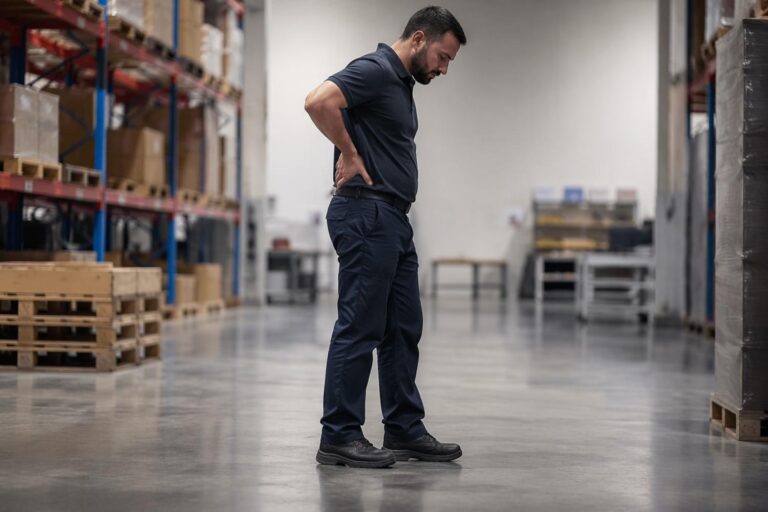
Workers who spend many hours standing on concrete, warehouse floors, retail environments, or hard surfaces.
These insoles typically combine supportive arches with durable cushioning materials designed for prolonged loading.
People experiencing standing on concrete foot pain often notice that discomfort becomes worse as pressure builds throughout the day.
Benefits include:
- reduced end-of-day fatigue
- improved pressure management
- durable construction
- support during extended standing
Their downside is that they can sometimes feel bulkier than athletic-focused inserts.
Compared with walking-oriented insoles, work insoles usually prioritize durability and support consistency over flexibility.
Stability Insoles
Who is this for?
People whose arch fatigue develops because their feet roll inward excessively while walking.
Stability-focused designs help guide foot motion and reduce unnecessary strain on supporting structures.
Benefits include:
- improved alignment
- better motion control
- enhanced support
- reduced stress on the arch
The limitation is that some users may find them firmer than comfort-focused options.
Compared with gel or foam insoles, stability models place greater emphasis on controlling movement patterns.
Comparing the Main Options
Each insole type solves arch fatigue in a slightly different way.
- High-density foam balances comfort and support.
- Orthotic support prioritizes structure and alignment.
- Gel cushioning focuses on impact reduction.
- Work insoles emphasize durability and standing comfort.
- Stability insoles target excessive foot motion.
The best choice depends on what is causing the fatigue rather than which insole feels softest when first tried on.
Common Questions
Do insoles really help arch fatigue?
Yes. Properly selected insoles can improve pressure distribution, support the arch, and reduce strain on the structures that become fatigued during prolonged standing or walking.
Are soft insoles better for tired arches?
Not always. Extremely soft materials may initially feel comfortable but can lose support after extended use. A balance between cushioning and structure often works better.
Can arch fatigue be caused by flat feet?
Yes. Flat feet can place additional stress on muscles and connective tissues that help support the arch. This is one reason many people with flat feet experience fatigue during longer activities.
How often should insoles be replaced?
Replacement depends on usage, material quality, and activity level. Many insoles gradually lose support even if they still appear intact.
Are gel insoles good for standing all day?
They can help absorb impact and reduce pressure, but some people benefit more from structured support if fatigue is caused by poor alignment rather than impact alone.
What type of insole lasts the longest?
Durable PU-based and orthotic-style insoles generally maintain their structure longer than softer foam designs, especially under heavy daily use.
Which Type Should You Choose?
If your primary issue is general tiredness and pressure buildup, high-density foam or work-focused insoles are often a good starting point.
If arch fatigue is linked to flat feet or poor foot mechanics, orthotic or stability-focused options may provide greater relief.
For hard surfaces and impact-heavy environments, gel cushioning can help reduce repetitive stress.
The best insole for arch fatigue is the one that matches the cause of the fatigue rather than simply providing the softest feel.