Memory Foam vs EVA Insoles for Daily Comfort
If you’ve ever shopped for insoles, you’ve probably encountered two of the most common materials on the market: memory foam and EVA. Both are designed to improve comfort, but they achieve that goal in different ways. This often leaves people wondering which option is better for everyday use.
The simplest way to think about it is this: memory foam focuses on softness and contouring, while EVA focuses on cushioning and long-term support. Neither material is automatically better. The right choice depends on how much time you spend standing, walking, and how you want your shoes to feel throughout the day.
For someone looking to reduce pressure underfoot, memory foam may feel more comfortable initially. For someone who wants a balance of cushioning and stability over longer periods, EVA often performs differently. Understanding these differences can help you choose an insole that matches your daily routine rather than relying on marketing claims.
What Are Memory Foam Insoles?
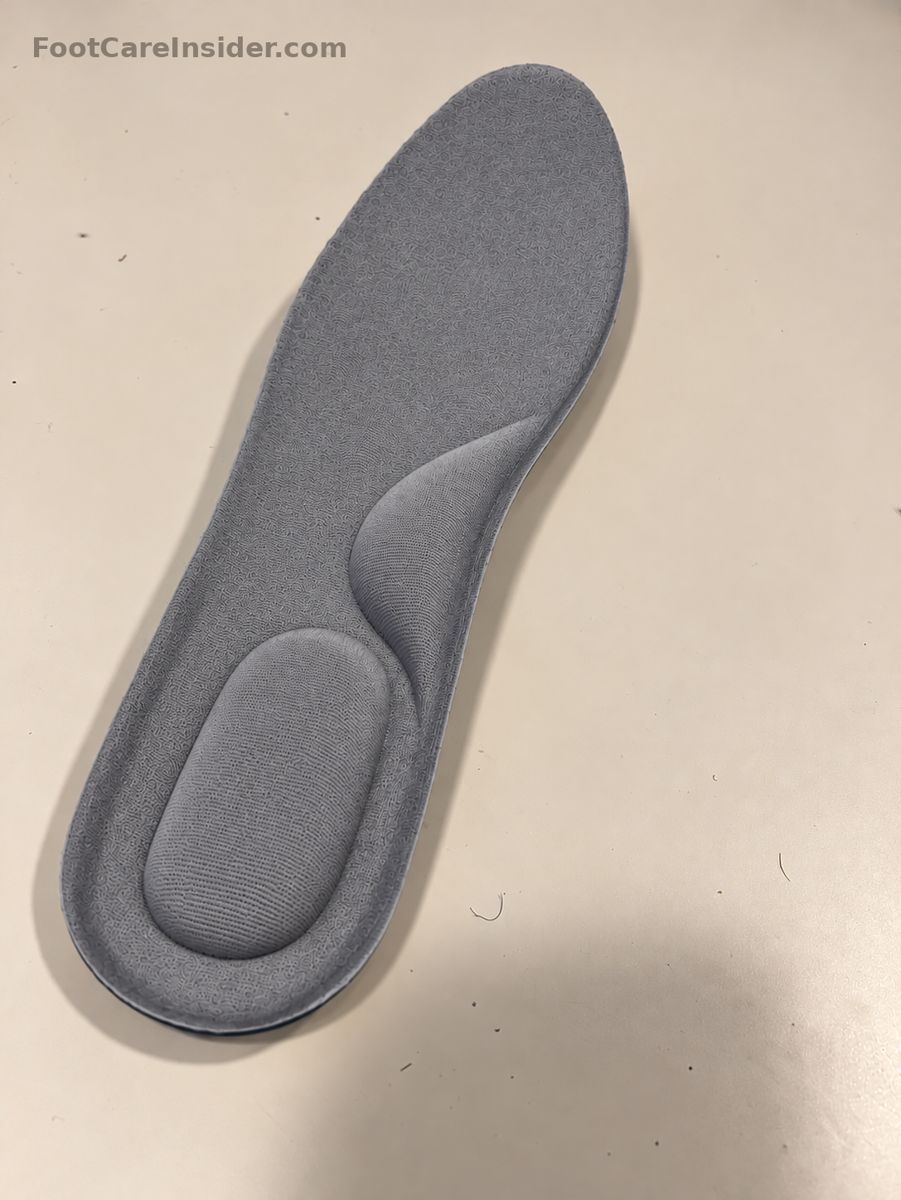
Memory foam is a viscoelastic material that responds to pressure and body heat. When you step onto it, the material compresses and molds around the shape of your foot.
If you lean toward foam, see our best memory foam insoles for specific picks.
This creates a customized feeling that many people describe as soft and plush. Memory foam is commonly used in casual footwear, slippers, and comfort-focused insoles.
One reason memory foam remains popular is its ability to reduce localized pressure points. Instead of concentrating force under specific areas, the material spreads pressure across a broader surface.
For people seeking immediate softness, memory foam often feels comfortable from the first wear.
What Are EVA Insoles?
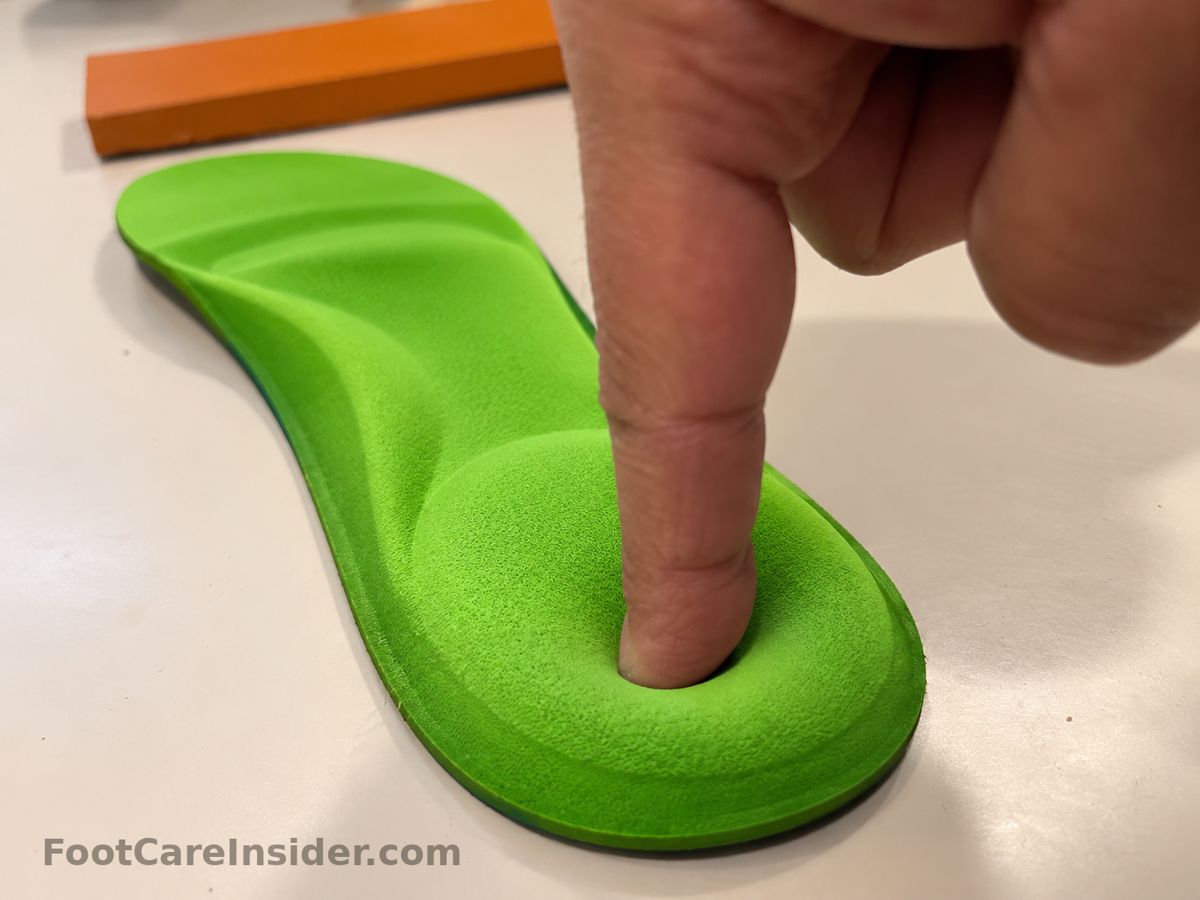
EVA stands for ethylene-vinyl acetate, a lightweight foam material used extensively in athletic shoes, walking footwear, and performance insoles.
Unlike memory foam, EVA is designed to compress and rebound more efficiently. Rather than molding closely around the foot, it provides cushioning while maintaining its structure.
Because EVA tends to recover its shape faster, it is commonly used in environments where repeated impact occurs throughout the day.
Many insoles designed for prolonged standing and walking rely heavily on EVA because it can balance cushioning with support. People researching insoles for standing all day often encounter EVA-based designs for this reason.
How the Feel Differs Underfoot
The most noticeable difference appears the moment you step onto each material.
Memory foam typically feels softer and more accommodating. The foot sinks slightly into the surface, creating a cushioned sensation that many people enjoy around the house or during light daily activities.
EVA generally feels firmer. However, firm does not necessarily mean uncomfortable. Instead, EVA often creates a more responsive sensation where the foot remains supported rather than deeply cushioned.
A simple comparison is the difference between sitting on a plush couch versus a supportive office chair. Both can be comfortable, but they create very different experiences.
People exploring soft vs firm insoles often discover that comfort depends as much on personal preference as it does on material choice.
Structural Differences
The way these materials behave under repeated load is one of their biggest distinctions.
Memory foam compresses significantly when pressure is applied. While this helps it conform to the foot, it can also reduce the amount of structural support available over time.
EVA tends to resist excessive compression more effectively. As a result, it often maintains a more consistent shape during walking and standing.
This difference becomes particularly noticeable during long workdays. After several hours on hard surfaces, a heavily compressed memory foam insole may feel different than it did in the morning.
EVA’s structure helps preserve a more predictable level of support throughout the day.
Cushioning, Stability, and Pressure Distribution
Both materials aim to improve comfort, but they approach the problem differently.
Memory foam focuses primarily on pressure relief. By adapting to the contours of the foot, it can reduce localized stress under areas such as the heel and forefoot.
EVA focuses on cushioning while maintaining greater stability. Instead of allowing the foot to sink deeply into the material, EVA helps keep the foot positioned more consistently.
This distinction matters because comfort is not always about softness alone.
In some situations, a very soft surface can feel comfortable initially but less stable during extended walking. A slightly firmer material may feel less plush at first yet remain more comfortable over longer distances.
Daily Walking and Standing Scenarios
Someone who spends most of the day sitting, driving, or performing light daily activities may appreciate the soft feel of memory foam.
The material can create a welcoming sensation when stepping into shoes and may help reduce awareness of pressure points.
On the other hand, individuals who spend several hours standing, walking through workplaces, or moving constantly may notice different results.
EVA’s ability to maintain structure often becomes more apparent as activity levels increase. Rather than focusing purely on softness, it emphasizes sustained comfort throughout the day.
This is one reason many buyers comparing materials eventually research best insoles for flat feet, where support and stability often become important alongside cushioning.
Cost and Long-Term Value
Price varies widely depending on design, thickness, and construction quality.
Entry-level memory foam and EVA insoles can often be found within similar price ranges. The larger difference tends to appear in durability.
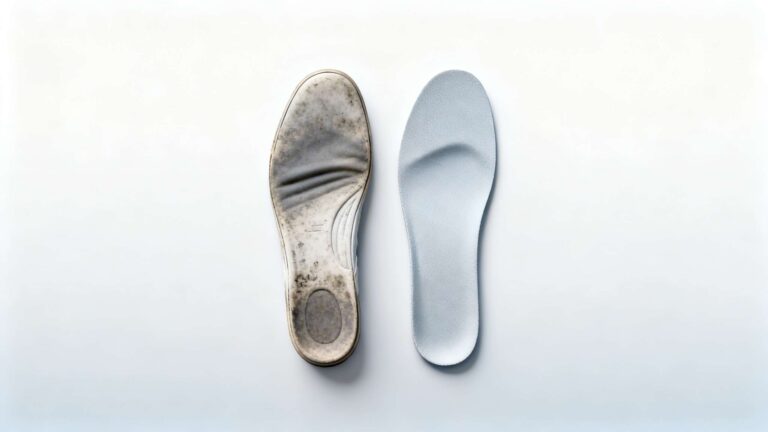
Memory foam can gradually lose some of its original shape after extended use. This does not mean every memory foam product wears out quickly, but compression over time is common.
EVA generally maintains its shape more effectively under repeated loading. For users covering thousands of daily steps, this may influence replacement frequency and long-term value.
Comfort, however, is personal. Some people willingly replace softer insoles more often because they prefer the feeling underfoot.
Pros and Cons in Everyday Use
Memory foam’s biggest advantage is immediate comfort. The material molds around the foot and can make shoes feel softer from the first wear. This is especially appealing for people who dislike firm support or spend much of the day sitting, driving, or doing light activities.
The downside is that memory foam can compress significantly under repeated load. For some users, this means the initial plush feeling becomes less noticeable over time. During long shifts or extended walking, the softer structure may not feel as supportive as it did earlier in the day.
EVA’s strength is consistency. The material provides cushioning while maintaining more of its original shape during standing and walking. Many people find this beneficial when spending several hours on their feet.
However, EVA may not feel as luxurious initially. Someone expecting a pillow-soft sensation may find EVA firmer than anticipated, even though it often performs well during extended use.
Who Should Choose Memory Foam Insoles?
This is for you if comfort and softness are your highest priorities.
Memory foam works well for people who:
- Spend moderate amounts of time on their feet
- Want immediate pressure relief
- Prefer a plush underfoot feel
- Wear casual shoes for daily activities
- Experience discomfort from hard shoe interiors
Memory foam can also be attractive for individuals who don’t require substantial structural support and simply want their footwear to feel more comfortable.
If daily comfort is your main goal and your activity level is relatively light, memory foam may provide the experience you’re looking for.
Who Should Choose EVA Insoles?
This is for you if your day involves more standing, walking, or repeated movement.
EVA often suits people who:
- Spend long hours on their feet
- Walk frequently throughout the day
- Need a balance of cushioning and support
- Prefer a more stable feel inside the shoe
- Want consistent performance over longer periods
For many workers, walkers, and active individuals, EVA’s structure can help maintain comfort as daily mileage increases.
People comparing cushioning materials often explore gel vs memory foam insoles as well, but EVA remains one of the most widely used materials in performance-focused footwear due to its balance of comfort and resilience.
Long-Term Comfort and Durability
Over weeks and months of use, durability differences become easier to notice.
Memory foam’s contouring ability is directly related to its softness. While this softness creates comfort, it can also contribute to gradual compression. Heavier users or those walking long distances daily may notice wear sooner.
EVA generally retains its shape more effectively under repeated impact. This doesn’t make it indestructible, but it often provides more predictable performance over time.
From a comfort perspective, memory foam may feel better immediately, while EVA may feel more consistent after hundreds of hours of use.
This is why long-term comfort and initial comfort are not always the same thing.
Quick Comparison Summary
Memory Foam = Better for softness, pressure relief, and immediate comfort.
EVA = Better for structure, long-term cushioning, and extended standing or walking.
Neither material is universally superior. The best choice depends on how you use your footwear and what type of comfort you value most.
Frequently Asked Questions
Are memory foam insoles better than EVA insoles?
Not necessarily. Memory foam emphasizes softness and contouring, while EVA focuses more on cushioning and support. The better choice depends on your activity level and comfort preferences.
Which material lasts longer?
In many cases, EVA tends to maintain its shape longer under repeated use. Memory foam can gradually compress, particularly when exposed to heavy daily loading.
Are memory foam insoles good for standing all day?
They can provide pressure relief and softness, but some users find that highly compressible foam loses effectiveness during very long periods of standing. EVA often provides more consistent support throughout extended workdays.
Is EVA too firm for everyday use?
Not usually. While EVA often feels firmer than memory foam, many people find it comfortable because it balances cushioning with stability. The sensation is different rather than necessarily harder.
Which material is better for walking?
For frequent walking, EVA is often favored because it maintains structure and cushioning over longer distances. Memory foam may appeal more to people prioritizing softness over responsiveness.
Can memory foam and EVA be combined?
Yes. Many modern insoles use both materials. EVA may provide the foundation and support, while memory foam adds softness near the foot for additional comfort.
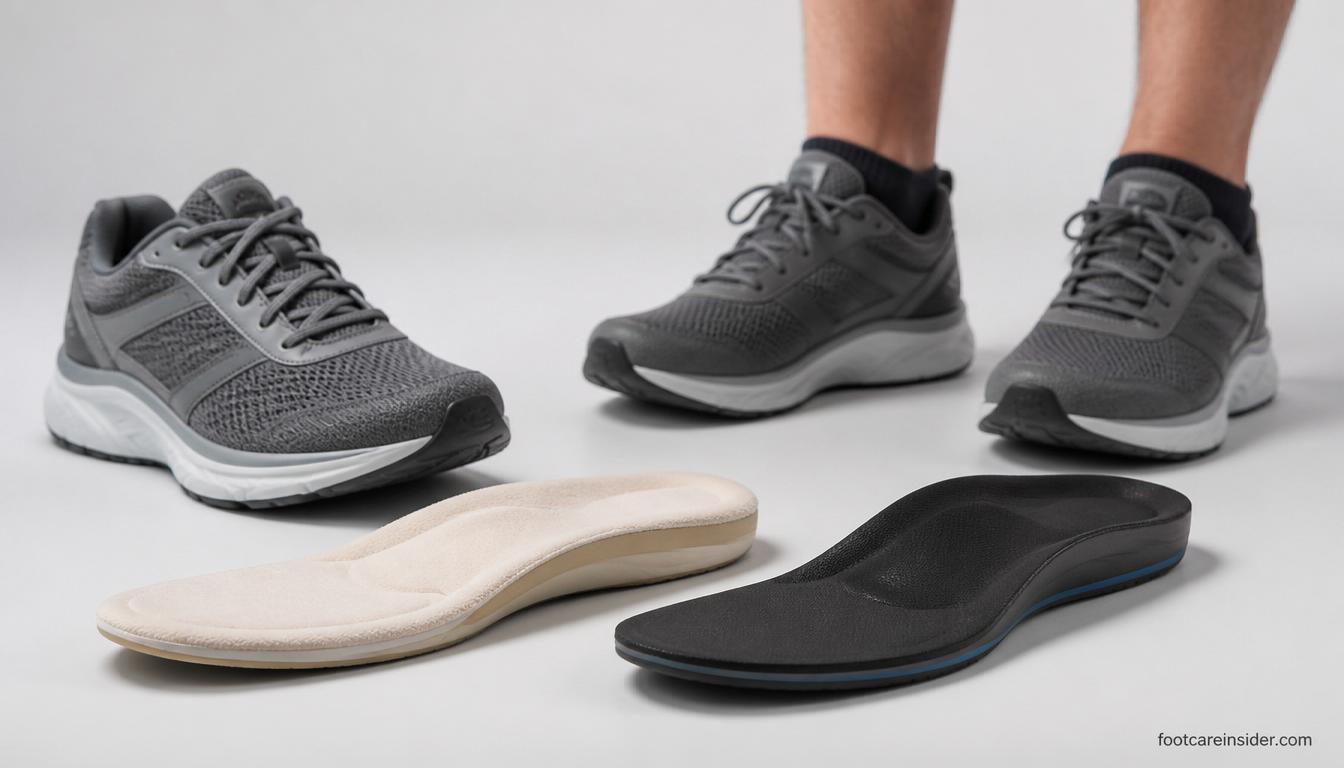
Our picks: Not sure which feel you want? These are the two we would start with.
Dr. Scholl’s Memory Foam – A soft, molding layer for everyday comfort and light daily use.
EVA foam insoles – A lightweight, more springy cushion that keeps its shape better through a long day.
Final Verdict
Choosing between memory foam vs EVA insoles comes down to how you define comfort.
If you want a soft, cushioned feel that molds around your foot, memory foam may be the better match. It excels at creating immediate comfort and reducing pressure awareness.
If your daily routine includes long periods of standing or walking, EVA may offer advantages through better shape retention, responsiveness, and support over time.
Neither material is best for everyone. A desk worker, retail employee, walker, and fitness enthusiast may all prefer different solutions. The smartest choice is the one that matches your daily demands rather than simply selecting the softest option available.