Worn Insoles vs New Insoles for Foot Support
At first glance, a worn insole and a new one may look similar, especially if there are no obvious tears or damage. Yet the way they support your feet can change gradually over months of standing, walking, commuting, or exercising. As cushioning compresses and structural support weakens, an insole may no longer distribute pressure the way it once did. Understanding those differences can help you decide whether it’s time to replace your current insoles or continue using them.
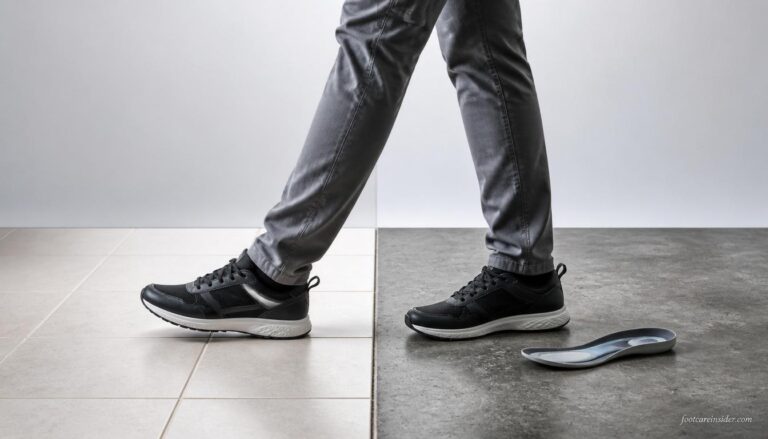
New insoles are designed to provide their intended level of cushioning, arch support, and stability, while worn insoles may gradually lose some of those characteristics through everyday use. Whether replacing them is worthwhile depends on how much support has changed, your daily activity level, your footwear, and whether comfort has noticeably declined rather than simply how old the insoles are.
Understanding Worn and New Insoles
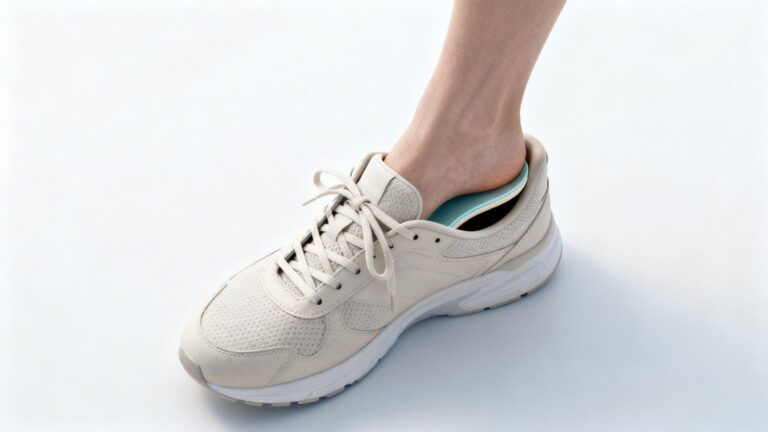
A new insole has its original shape, cushioning, and support features intact. Materials such as EVA foam, polyurethane, memory foam, or gel cushioning are designed to absorb pressure while helping support the heel, arch, and forefoot during walking or standing. The original contour helps distribute body weight more evenly across the foot.
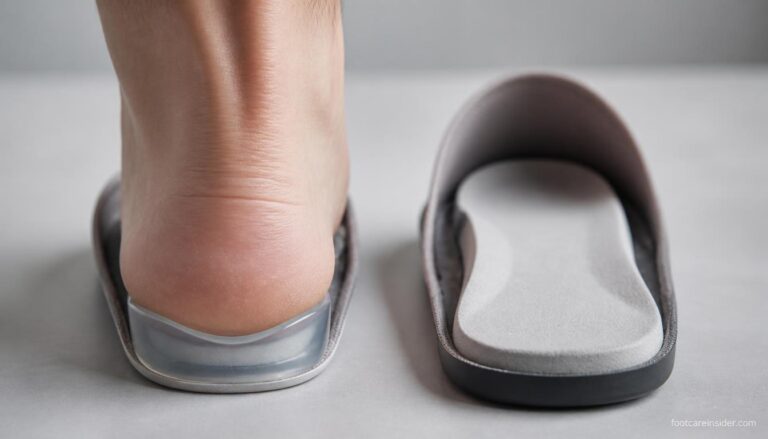
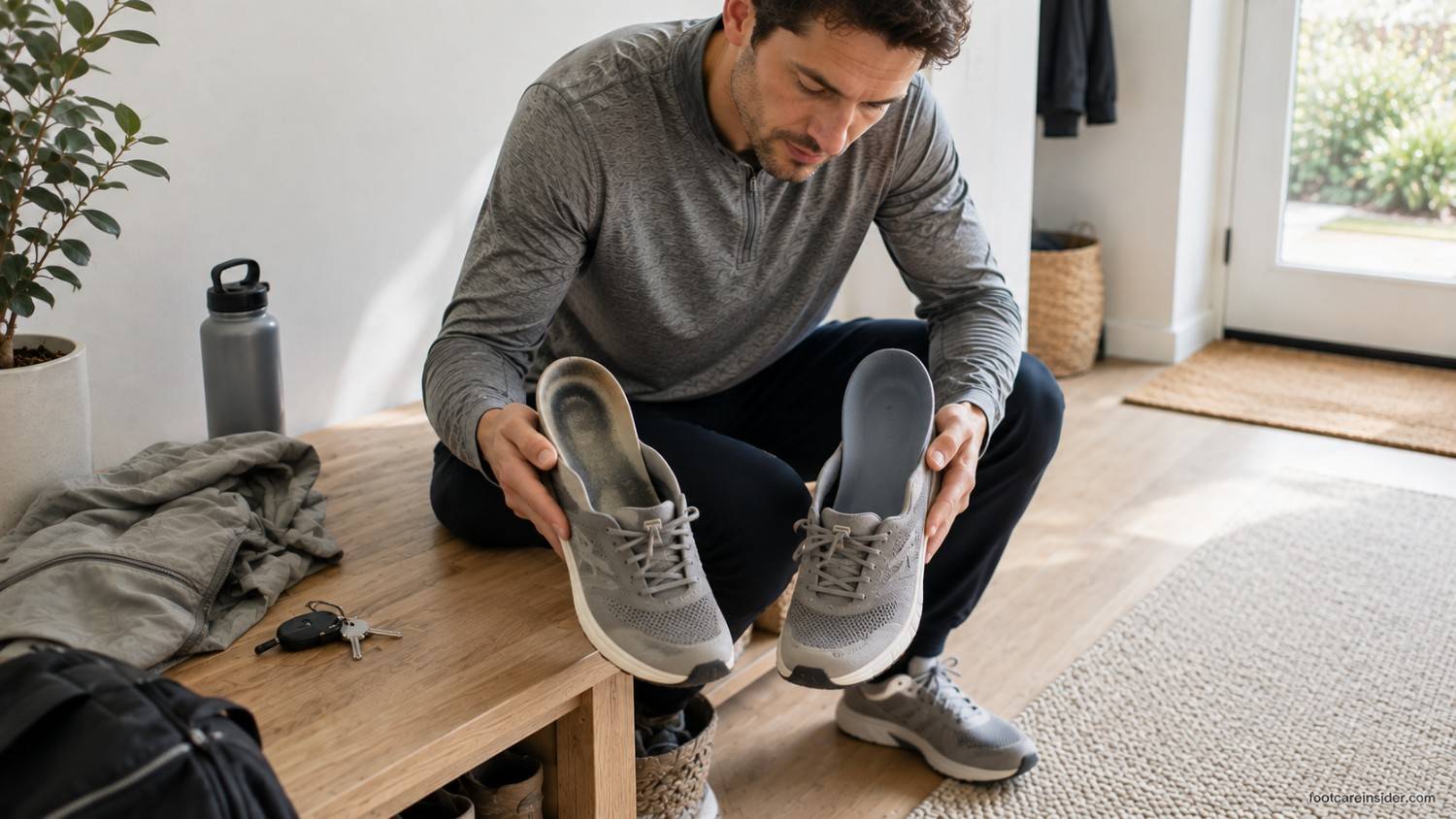
A worn insole has been compressed through repeated use. Even if it appears undamaged, thousands of walking cycles can reduce the material’s ability to rebound after each step. Over time, the heel may become flatter, the arch may lose some of its structure, and pressure points may become more noticeable during daily activities.
Readers interested in how long support materials typically last may also find Do Insoles Lose Arch Support Over Time? helpful.
How Their Structure Changes Over Time
Although worn and new insoles often share the same overall shape, their internal structure behaves quite differently under load.
A new insole usually provides consistent support from heel strike through toe-off. The foam compresses and rebounds as intended, helping maintain its original contour while supporting the foot throughout each step.
A worn insole has already experienced months of repeated compression. The material may no longer spring back fully after every stride, leaving permanent impressions beneath the heel or forefoot. This gradual change can slightly alter how weight is distributed across the foot during walking.
For people who spend much of the day standing on concrete floors or walking long distances, these subtle structural changes may become noticeable sooner than for someone who wears the insoles only occasionally.
Cushioning, Stability, and Pressure Distribution
One of the biggest differences between worn and new insoles is how they manage pressure.
A new insole typically provides more consistent cushioning across the entire foot. Its original foam thickness helps absorb repeated impact while maintaining the designed level of stability beneath the arch and heel.
As an insole wears, cushioning often becomes less responsive. Areas under the heel or metatarsals—the bones behind the toes that bear much of your body weight during walking—may compress more than surrounding areas. This uneven compression can change how pressure is distributed without the insole looking obviously damaged.
Some people first notice the difference at the end of a long workday. Others may simply feel that their shoes are no longer as comfortable as they once were.
If you’ve wondered why support seems to disappear gradually rather than suddenly, Why Do Insoles Feel Flat After a Few Months? explores how normal material fatigue develops with regular use.
How They Perform During Everyday Activities
The difference between worn and new insoles often becomes more noticeable during longer periods of activity rather than short walks around the house.
Someone who spends eight hours standing in retail, healthcare, manufacturing, or hospitality may begin noticing increasing heel fatigue or arch tiredness as cushioning loses resilience. Likewise, people who walk several miles each day for commuting, exercise, or errands may find that older insoles no longer feel as supportive by the end of the day.
For casual wear a worn insole may continue providing acceptable comfort, especially if the material has only begun to compress. For higher daily workloads, however, reduced cushioning and diminished support may become easier to notice.
Walking shoes and work boots place different demands on insoles. A lightweight walking shoe relies heavily on the insole to provide underfoot comfort, while a sturdy work boot already contributes more structural support through its midsole and outsole. Even so, repeated loading gradually affects almost any removable insole.
Comparing Cost and Long-Term Value
New insoles require an upfront purchase, but they restore the original level of cushioning and support the manufacturer intended.
Continuing to use worn insoles costs nothing immediately, but their value depends on how much performance remains. If an older pair still feels supportive and shows only minimal compression, replacing it too early may not provide a noticeable benefit.
On the other hand, heavily compressed insoles that no longer rebound effectively may provide less comfort during long periods of standing or walking. Replacing them before they become excessively worn may help maintain more consistent underfoot support throughout daily activities.
Price also varies considerably depending on construction. Basic foam insoles generally cost less but may compress sooner under heavy use, while premium polyurethane or higher-density EVA models often retain their shape longer, although individual lifespan depends on body weight, activity level, footwear, and usage patterns.
Rather than replacing insoles based solely on age, it usually makes more sense to evaluate how they feel, how they perform during your normal routine, and whether their original support has noticeably changed.
Pros and Cons of Worn and New Insoles
New insoles provide their intended level of cushioning, support, and responsiveness from the start. That matters if you spend long hours on your feet, walk frequently, or have noticed your current insoles no longer feel as comfortable as they once did. The trade-off is the initial cost and a short break-in period that some firmer models may require.
Worn insoles can still be perfectly usable if they retain their shape and continue providing adequate comfort. Keeping them longer may save money, but as foam gradually compresses, they may become less effective at distributing pressure evenly across the heel, arch, and forefoot. The change usually happens slowly rather than all at once, making it easy to overlook.
Who Should Continue Using Worn Insoles?
If your insoles still feel supportive, show only light signs of wear, and remain comfortable throughout your normal day, there may be no reason to replace them immediately.
This approach often suits people who wear their shoes casually, walk shorter distances, or rotate several pairs of shoes throughout the week. Because the insoles experience fewer loading cycles, they generally retain their structure longer.
On the other hand, if you notice increasing fatigue by the end of the day despite your daily routine staying the same, it may be worth evaluating whether the insoles have gradually lost some of their original support.
Who Benefits Most From New Insoles?
New insoles often make the most sense for people whose footwear sees heavy daily use.
If you regularly stand for long shifts, commute on foot, exercise several times each week, or wear the same shoes every day, replacing compressed insoles may restore more consistent cushioning and support. This can be especially noticeable in walking shoes, where the removable insole contributes significantly to underfoot comfort.
Readers comparing visible wear patterns may also find Why Do Insoles Wear Out Unevenly? useful for understanding how repeated loading affects different parts of an insole.
Comparing Long-Term Performance
Over time, nearly every insole changes as its materials experience repeated compression. Higher-density EVA foam and polyurethane often maintain their shape longer than softer materials, but no insole lasts indefinitely.
A newer insole generally provides more consistent rebound and pressure distribution, while an older one may gradually lose those qualities even if it still looks serviceable. Rather than judging solely by appearance, consider how your shoes feel after several hours of walking or standing. A noticeable decline in comfort can be a more useful indicator than age alone.
A Simple Side-by-Side Comparison
For most people, the comparison is straightforward:
- Worn insoles are often suitable when they still provide consistent comfort and retain their original shape.
- New insoles become the better choice when cushioning feels noticeably flatter, arch support has diminished, or long periods of standing and walking leave your feet feeling more fatigued than they used to.
The goal is not to replace insoles on a fixed schedule, but to replace them when their performance no longer matches your daily needs.
To decide for your own pair, run the home tests in signs you need new insoles.
Common Questions
Do worn insoles always need replacing?
No. If they still feel comfortable, maintain their shape, and continue supporting your feet during normal activities, they may still have useful life remaining. Comfort and performance are usually better indicators than age alone.
How can I tell if my insoles have flattened?
Permanent heel impressions, reduced arch contour, slower foam rebound, and increasing end-of-day foot fatigue can all suggest that the cushioning has compressed over time, even if the insole appears intact.
Can worn insoles affect shoe comfort?
Yes. As cushioning gradually compresses, pressure may become more concentrated beneath certain areas of the foot. This can make shoes feel less supportive during long periods of standing or walking.
Do premium insoles last longer than basic foam insoles?
In many cases, higher-density materials such as polyurethane or durable EVA foam maintain their structure longer under repeated use. Actual lifespan still depends on body weight, activity level, footwear, and how frequently the insoles are worn.
Final Verdict
Neither worn nor new insoles are automatically the better choice. If your current insoles still provide consistent comfort throughout your daily routine, continuing to use them is often reasonable. If cushioning feels flatter, support has noticeably declined, or your feet become tired sooner than before, replacing them with a new pair is usually the more practical option.