Do Insoles Lose Arch Support Over Time?
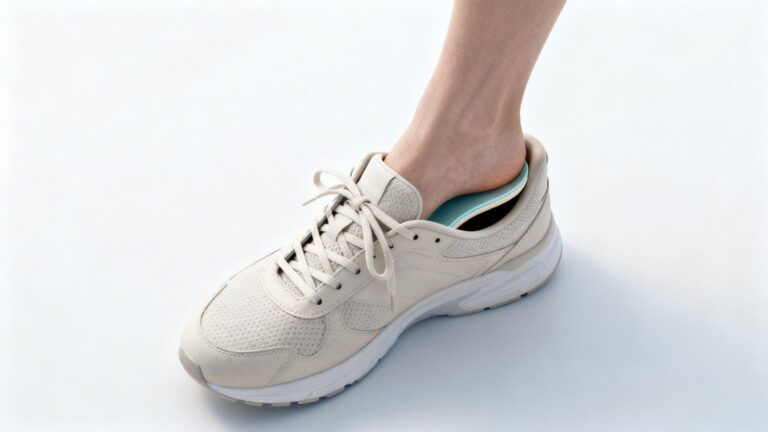
If your insoles no longer feel as supportive as they once did, you’re not imagining it. Like any material that absorbs thousands of steps, insoles gradually compress with daily use. Walking, standing for long hours, and repeated body weight can slowly reduce the firmness of the arch support, making shoes feel less comfortable even though the insoles may still look perfectly fine.
Yes, most insoles lose some arch support over time. Repeated pressure gradually compresses materials such as EVA foam and other cushioning layers, reducing their ability to support the arch effectively. How quickly this happens depends on the insole material, your activity level, body weight, shoe fit, and how often the insoles are worn.
Why Arch Support Changes With Daily Use
Every step places pressure on the foot, especially beneath the heel, arch, and forefoot. As your heel contacts the ground, body weight transfers through the arch before moving toward the metatarsals to push you forward. This cycle repeats thousands of times each day.
Quality insoles are designed to absorb and distribute these forces, but no material lasts forever. EVA foam, one of the most common materials used in insoles, gradually loses resilience as it repeatedly compresses and rebounds. Over months of regular walking or standing, the arch section may become flatter and less supportive than when it was new.
This process is usually gradual, which is why many people notice their feet becoming more tired before realizing the insole itself has changed.
Readers comparing different insole designs may also find Low-Profile vs Standard Insoles for Shoe Fit helpful when considering how construction affects long-term support.
What Causes Arch Support to Break Down Faster?
Several factors influence how quickly arch support wears down.
One of the biggest is activity level. Someone who walks several miles every day or spends eight to ten hours standing at work places much greater demand on their insoles than someone who wears them only occasionally.
Body weight also affects compression. Greater loads increase the amount of force the insole must absorb with each step, causing softer materials to fatigue more quickly.
Shoe fit matters as well. Shoes that are too loose allow the foot to shift during walking, increasing friction and uneven pressure across the insole. Shoes that fit properly help distribute forces more consistently.
Environmental conditions can contribute too. Repeated exposure to moisture from sweat or wet conditions may gradually affect some foam materials, especially if the insoles are not allowed to dry fully between uses.
Early Signs Your Arch Support Is Wearing Out
Arch support rarely disappears overnight.
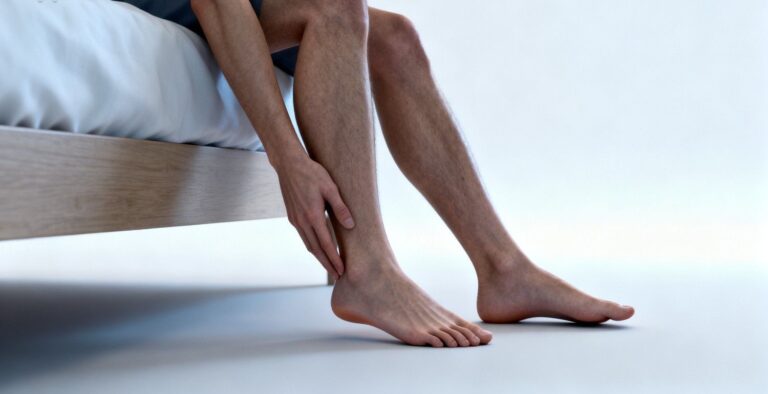
Instead, you may notice subtle changes during everyday activities. Shoes that once felt comfortable throughout the day may begin feeling less supportive after several hours of standing or walking. Your feet may become tired earlier than usual, even though your daily routine hasn’t changed.
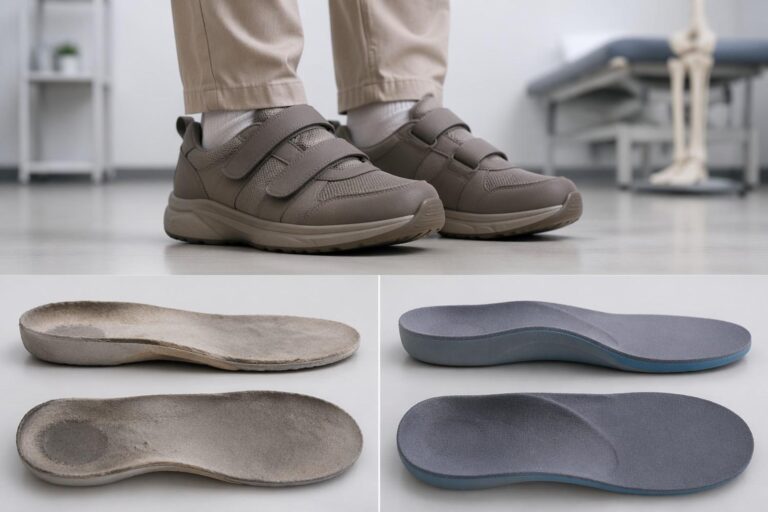
As compression continues, the arch area of the insole may appear flatter than before. In some cases, the foam no longer springs back after pressure is removed, leaving a permanently compressed shape.
If discomfort begins developing in specific areas of your feet, identifying exactly where it occurs can help narrow possible causes. The Interactive Foot Pain Tool provides an educational way to explore common pressure locations and related foot conditions.
When Reduced Arch Support Starts Affecting Comfort
Some loss of cushioning is a normal part of an insole’s lifespan, but there comes a point when reduced support may begin affecting overall comfort.
As the arch section compresses, pressure may become less evenly distributed across the foot during walking. Instead of helping support the natural shape of the arch, the worn material may allow more localized pressure beneath the heel, arch, or forefoot.
This doesn’t necessarily mean the insole is causing pain, but it may no longer provide the same level of comfort it once did during long workdays, shopping trips, or extended walks.
People often assume their shoes are wearing out when, in reality, the insole has gradually lost much of its original resilience.
Readers interested in extending the lifespan of their insoles may also benefit from Can Insoles Be Washed Safely?
How to Extend the Life of Your Insoles
Although all insoles eventually lose some arch support, good habits can slow the process.
Allow your shoes and insoles to dry completely after long days of walking or standing, especially if they become damp from sweat or rain. Rotating between two pairs of shoes also reduces continuous compression, giving the foam more time to recover between uses.
Avoid exposing insoles to high heat, such as clothes dryers or direct heaters, since excessive heat can permanently damage foam materials and accelerate loss of support.
Choosing Replacement Insoles
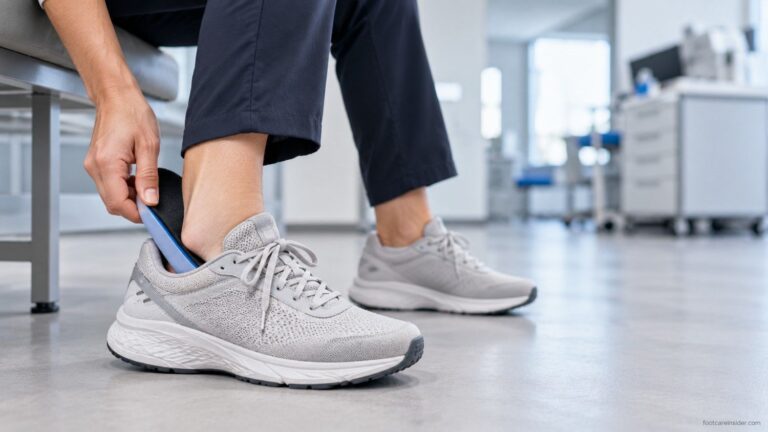
If your current insoles no longer provide the comfort they once did, replacing them is often more effective than trying to restore compressed foam.
People who spend long hours on their feet may benefit from insoles with firmer structural support that better resist long-term compression. Those looking primarily for comfort during casual walking may prefer moderate cushioning that balances softness with durability.
If your shoes have limited interior space, choosing a slimmer design can help maintain proper fit while still providing reliable arch support.
Readers replacing older insoles may also find Do Insoles Wear Out Unevenly? useful for recognizing additional signs that an insole has reached the end of its useful life.
When to Seek Professional Advice
Worn arch support alone is usually not a medical concern. However, if replacing your insoles doesn’t improve comfort or you continue experiencing persistent pain in the heel, arch, ankle, or lower leg, it’s worth discussing your symptoms with a healthcare professional such as a podiatrist.
A professional assessment can determine whether your discomfort is related to worn footwear, walking mechanics, or an underlying foot condition requiring additional care.
Preventing Premature Loss of Arch Support
Replacing insoles before they become severely compressed is one of the simplest ways to maintain consistent support.
Regularly inspect the arch area for flattening, permanent indentations, or foam that no longer springs back after pressure is removed. Proper shoe fit also helps distribute pressure more evenly, reducing unnecessary stress on the insole.
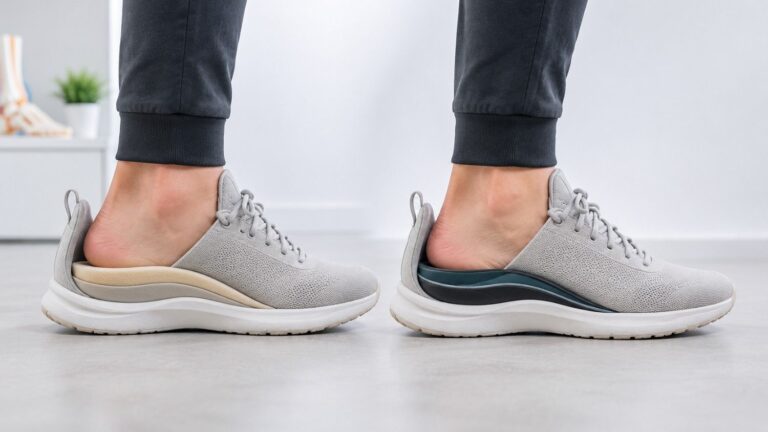
A simple comparison is helpful: firmer support-focused insoles often retain their shape longer than softer cushioning models, while plush insoles may initially feel more comfortable but usually compress sooner with heavy daily use.
To check your own pair, use our signs you need new insoles checklist and two-minute home tests.
Common Questions
How long do arch-support insoles usually last?
It depends on the material and how often they’re used. People who stand or walk daily often notice reduced support sooner than occasional users, even if the insoles still appear in good condition.
Can flattened arch support be restored?
In most cases, no. Once foam has permanently compressed, it rarely returns to its original shape, making replacement the better long-term solution.
Do expensive insoles keep their arch support longer?
Higher-quality materials often resist compression better, but every insole gradually loses some resilience with repeated use.
Should I replace insoles even if they look fine?
Yes. Visible wear isn’t the only sign of aging. If the insoles feel noticeably less supportive or your feet tire sooner than before, replacement may be appropriate.
Conclusion
Most insoles gradually lose arch support as repeated walking and standing compress the materials over time. While this is a normal part of their lifespan, proper care, good shoe fit, and replacing worn insoles before support declines too much can help maintain comfort throughout your daily activities.