Low-Profile vs Standard Insoles for Shoe Fit
Choosing between low-profile and standard insoles can be confusing because both are designed to improve comfort, yet they solve different problems. One focuses on fitting into shoes with limited space, while the other typically provides more cushioning and support. The right choice depends on your footwear, daily activities, and how much room is available inside your shoes.
Low-profile insoles are thinner and designed to preserve space inside tighter-fitting shoes, while standard insoles are thicker and often provide greater cushioning and structural support. Neither is universally better—the best option depends on your shoe fit, comfort needs, and the activities you perform throughout the day.
For specific recommendations, see our guide to thin insoles for tight-fitting shoes.
Many people only think about cushioning when replacing their insoles, but thickness can have just as much impact on comfort. An insole that’s too thick may make a shoe feel tight, while one that’s too thin may not provide the level of support you’re looking for. Understanding these differences before buying can help you avoid discomfort and improve your overall walking experience.
What Are Low-Profile Insoles?
Low-profile insoles are designed to take up as little space as possible inside a shoe. They typically use thinner layers of materials such as EVA foam, lightweight polyurethane, or other supportive compounds that maintain comfort without significantly changing how the shoe fits.
These insoles are commonly used in:
- Dress shoes
- Casual sneakers with limited interior volume
- Cycling shoes
- Golf shoes
- Slim athletic footwear
Their primary purpose is to improve comfort while preserving the shoe’s original fit. Because they occupy less space, they are often chosen when replacing factory insoles without making the shoe feel tighter.
What Are Standard Insoles?
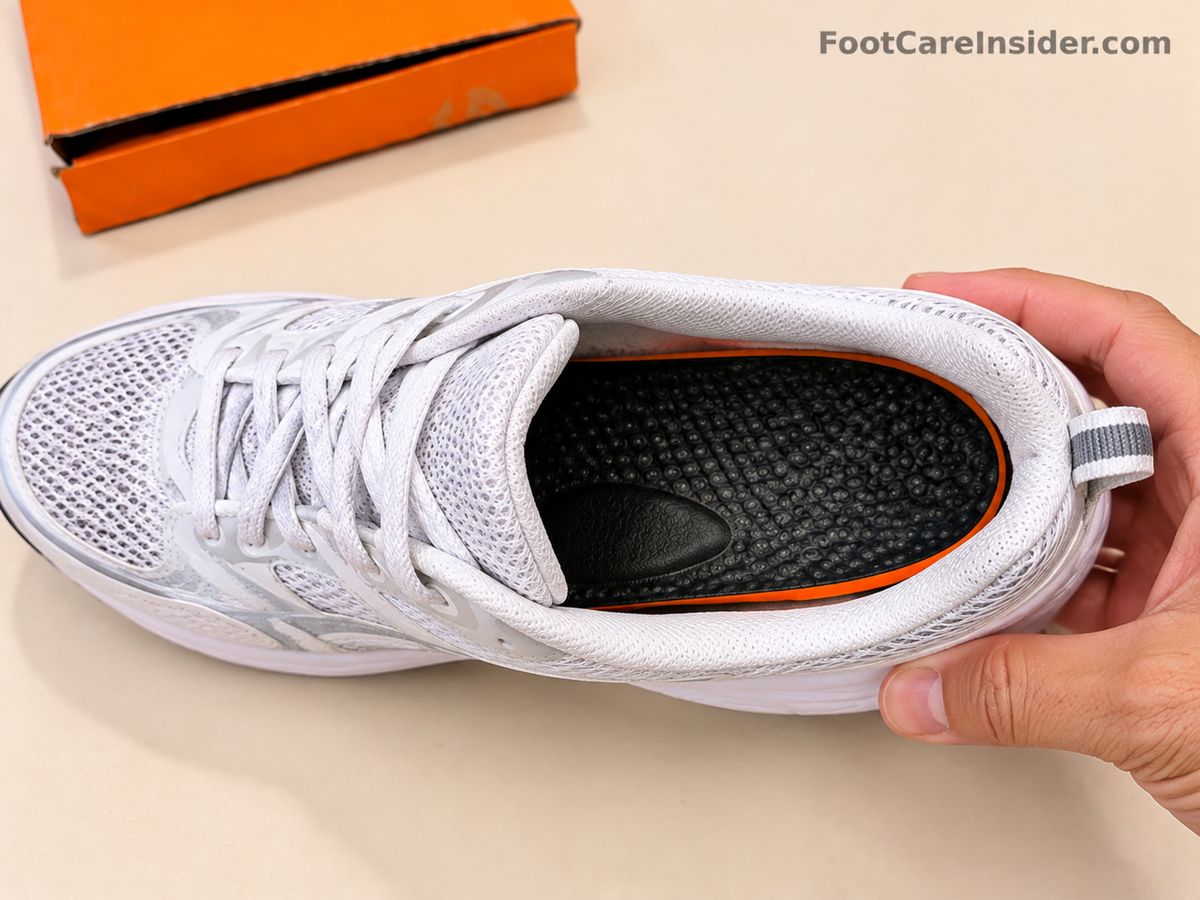
Standard insoles are generally thicker and contain additional layers designed for cushioning, shock absorption, and orthotic support. They often include a deeper heel cup, more substantial arch support, and greater padding beneath the heel and forefoot.
They’re commonly found in:
- Walking shoes
- Running shoes
- Hiking footwear
- Work boots
- Shoes designed for long hours of standing
The extra material helps distribute pressure more evenly throughout the foot during repeated walking or standing, making them a common choice for people who spend much of the day on their feet.
Readers wondering how replacement insoles should sit inside footwear may also benefit from How Should Insoles Fit Inside Your Shoes?
Structural Differences
The most noticeable difference is thickness.
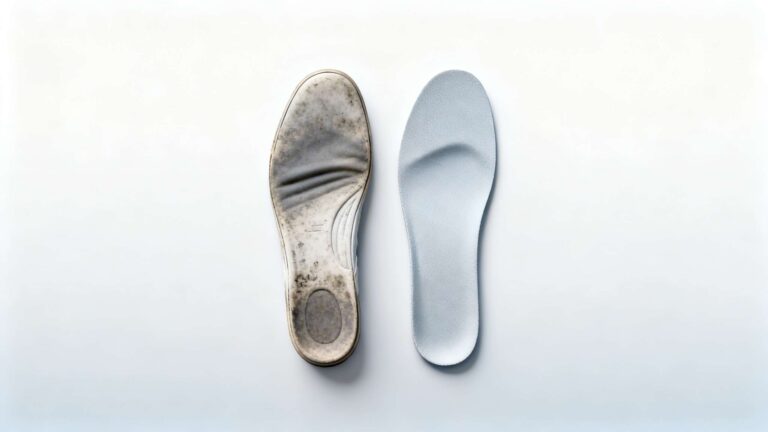
Low-profile insoles are intentionally slim. They aim to improve comfort while changing the original shoe fit as little as possible.
Standard insoles add more volume inside the shoe. That extra thickness often allows manufacturers to include additional cushioning layers, reinforced arch structures, and deeper heel support.
This also changes how the shoe feels.
A low-profile insole usually preserves the snug fit of the original shoe, while a standard insole may make the shoe feel tighter unless there is enough interior space to accommodate it.
Small design differences can also influence overall stability. A deeper heel cup may help keep the foot centered, while a thinner insole allows more of the shoe’s original design to determine foot position.
Material and Functional Differences
Although both types may use similar materials, they often use them differently.
Low-profile insoles usually rely on thinner foam layers that provide moderate cushioning while maintaining flexibility. Their goal is efficient use of limited space rather than maximum padding.
Standard insoles often combine multiple materials to improve comfort under repeated load. Layers of memory foam, EVA foam, or firmer support materials may work together to reduce pressure while maintaining stability during walking.
This difference affects how each type performs throughout the day.
A thinner insole may feel more connected to the shoe and preserve ground feel, while a standard insole often provides a softer experience that many people appreciate during extended periods of standing.
People who have noticed movement after installing replacement insoles may also find Why Do Insoles Slide Inside Your Shoes? helpful.
Which Everyday Situations Suit Each Type?
The best choice often depends on how and where you wear your shoes.
Low-profile insoles are frequently preferred when the original shoe already fits well and only needs a modest improvement in comfort. They work well in footwear where interior space is limited and maintaining the existing fit is important.
Standard insoles are often better suited for shoes with removable factory insoles and enough room to accommodate additional thickness. They may provide greater comfort during long work shifts, extended walking, or activities involving repeated impact.
Someone walking several miles each day may appreciate the additional cushioning a standard insole can offer, while someone wearing business shoes for office work may prefer a thinner option that avoids making the shoes feel cramped.
Cost and Long-Term Value
Both low-profile and standard insoles are available across a wide range of prices, with cost usually reflecting materials, construction quality, and intended use rather than thickness alone.
Low-profile insoles may last a long time when used for everyday casual wear because they experience relatively moderate loading. Standard insoles, despite containing more material, are often designed to withstand heavier daily use, particularly in walking shoes and work footwear.
Rather than choosing based solely on price, it is generally more useful to consider how well the insole matches your footwear and how many hours you expect to wear it each day.
Pros and Cons of Low-Profile Insoles
Low-profile insoles offer several practical advantages, particularly for shoes with limited interior space. Because they are thinner, they are less likely to alter how the shoe fits, making them a good option for people who are already happy with their footwear but want a modest improvement in comfort. They also tend to feel lighter and maintain a closer connection to the ground while walking.
The trade-off is that thinner insoles usually provide less cushioning and structural support than thicker alternatives. People who spend many hours standing or walking may find that a low-profile design does not reduce fatigue as effectively as a more supportive insole.
Pros and Cons of Standard Insoles
Standard insoles generally provide greater cushioning, pressure distribution, and support for the heel and arch. Their additional thickness often helps reduce fatigue during long workdays, extended walks, or repetitive daily activities. Many also include deeper heel cups that improve overall foot stability inside the shoe.
However, the added material can reduce the available space inside certain shoes. In footwear with a snug fit, a standard insole may create pressure across the top of the foot or make the shoe feel uncomfortably tight.
Who Should Choose Low-Profile Insoles?
A low-profile insole may be the better choice if:
- Your shoes already fit well and have limited interior space.
- You wear dress shoes or slim casual footwear.
- You want a small improvement in comfort without significantly changing shoe fit.
- You prefer a lighter, more flexible feel while walking.
People who have tight-fitting shoes may also benefit from reading Best Insoles for Tight-Fitting Shoes before selecting a replacement insole.
Who Should Choose Standard Insoles?
A standard insole may be more appropriate if:
- Your shoes have removable factory insoles.
- You spend long hours standing or walking.
- You want greater cushioning and arch support.
- You wear walking shoes, running shoes, or work boots with enough internal volume.
The extra support can make a noticeable difference for people who regularly accumulate thousands of steps each day or stand on hard floors for extended periods.
Long-Term Comparison
Over time, both types of insoles gradually compress with repeated use, but how they perform depends on their design and materials.
Low-profile insoles often retain their original fit because they place less stress on the shoe’s interior. Standard insoles may offer greater comfort throughout their lifespan, although they can lose some cushioning as the foam compresses after months of daily use.
Replacing either type when it becomes noticeably flattened or worn helps maintain consistent comfort and support.
Comparison Summary
- Low-profile insoles are generally better for preserving shoe fit, slimmer footwear, and moderate everyday comfort.
- Standard insoles are generally better for increased cushioning, arch support, and extended standing or walking.
Neither option is inherently superior—the right choice depends on your shoes, your daily routine, and the amount of support you need.
Common Questions
Are low-profile insoles less supportive?
Not necessarily. Many low-profile insoles provide effective support despite being thinner. They simply achieve it using slimmer materials and designs rather than thicker cushioning layers.
Can standard insoles make shoes too tight?
Yes. Because they occupy more space inside the shoe, standard insoles can make snug footwear feel tighter, especially if the original factory insoles were already relatively thick.
Which type is better for walking all day?
For people who spend long hours walking or standing, standard insoles often provide more cushioning and pressure relief. However, they should still fit the shoe properly to avoid creating new comfort issues.
Do low-profile insoles wear out faster?
Not always. Durability depends more on the quality of the materials and how frequently the insoles are used than on their thickness alone.
Can I switch between low-profile and standard insoles?
Yes. Many people use different insoles for different shoes. For example, a low-profile insole may work well in dress shoes, while a standard insole is better suited to walking shoes or work boots.
Our picks: Start with the one that matches your shoes.
Low-profile insoles – A thin insole that keeps the fit of tighter shoes.
Thin dress shoe insoles – Slim comfort for dress shoes with little room inside.
Moderate support insoles – A standard-thickness insole for sneakers and walking shoes with more room.
Final Verdict
Low-profile and standard insoles are designed for different purposes rather than competing directly with each other. A low-profile insole helps preserve the original fit of tighter shoes while adding modest comfort and support. A standard insole prioritizes cushioning, pressure distribution, and stability, making it better suited to footwear with more available space.
Choosing between them is less about deciding which is “better” and more about selecting the option that matches your shoes, your daily activities, and your comfort needs.