Why Does the Top of My Foot Hurt? Common Causes Explained
Pain across the top of the foot can be surprisingly uncomfortable, especially when it appears during walking, after standing for hours, or when a normally comfortable shoe suddenly feels tight. The discomfort may feel like pressure, aching, tenderness, burning, or pain that becomes more noticeable when you move your toes or put weight through the foot. There are several possible reasons, and the location alone does not identify one specific cause. What matters is when the pain started, what activities make it worse, whether there has been a recent change in footwear or activity, and whether the symptoms are getting better or progressively worse.
Top-of-foot pain can come from irritation or overload involving the tendons, joints, bones, or soft tissues across the upper foot. Tight footwear, increased walking or running, repeated pressure, minor injuries, and changes in activity can all contribute. The pattern of pain and what triggers it are important clues, but persistent or worsening symptoms should be assessed rather than self-diagnosed.
What Structures Are Located on the Top of the Foot?
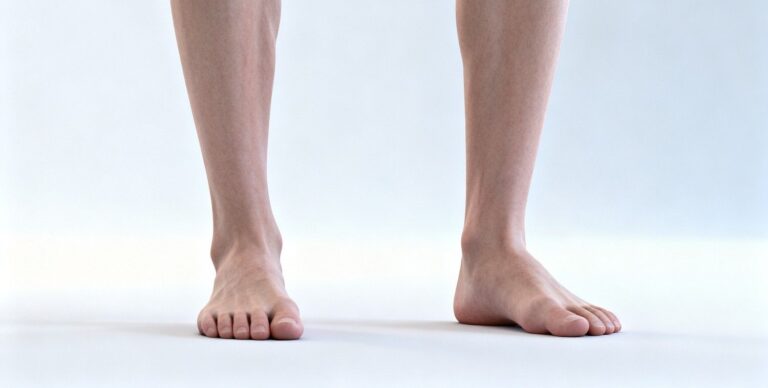
The top of the foot, sometimes called the dorsal surface, contains several structures that work together during standing and walking. Extensor tendons run across this area and help lift the toes and foot as you move. The joints and bones underneath them also handle forces as weight passes through the foot.
For pain along the outer edge instead, see side of foot pain.
Because these structures sit relatively close to the surface, pressure from footwear can sometimes be noticeable. A shoe with a firm or narrow upper may press directly across the top of the foot, particularly if the laces are tightened heavily or the foot becomes fuller after several hours of activity.
Pain can also come from deeper structures. Repeated walking, running, jumping, or a sudden increase in activity can place additional stress on tissues underneath the skin. That means the same symptom — pain on the top of the foot — can have very different triggers in different people.
Understanding exactly where the discomfort sits can be a useful first step. If you’re unsure where your symptoms fit, the Interactive Foot Pain Tool can help you identify the location and explore related foot-pain information.
Common Reasons the Top of Your Foot May Hurt
One common explanation is pressure from footwear. Shoes that are too tight across the instep can press against the tendons and other structures on top of the foot. This may become more noticeable when walking for a long period or when the shoe is worn continuously throughout the day.
Another possibility is overuse. A sudden increase in walking, running, exercise, or time spent standing can place more load through the foot than it is accustomed to handling. Someone who starts taking much longer walks or increases running mileage may notice soreness on the top of the foot even without a single obvious injury.
The extensor tendons can also become irritated after repeated activity. These tendons help lift the toes during walking, so repeated use may make the upper foot feel sore or tender.
A direct knock, awkward step, or minor injury is another possibility. Even when there is no dramatic swelling or bruising, the tissues may remain uncomfortable for several days.
In some cases, the symptoms may be related to a stress injury involving one of the foot bones. That is more concerning when pain is localized, persistent, and clearly worsens with weight-bearing rather than gradually settling with rest.
How Walking, Standing, and Footwear Can Trigger Pain
The activity that brings on the pain can tell you a great deal about the pattern.
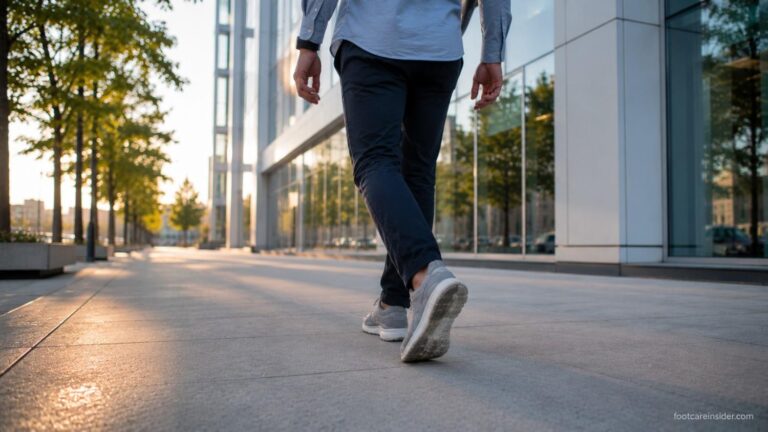
If the top of your foot begins hurting after several hours of walking, repeated loading may be contributing. A walking-heavy day places repeated forces through the foot, while running adds even greater repetition and impact. A sudden increase in mileage can be particularly relevant if the change happened over a short period.
Standing can produce a different experience. Spending hours on a firm surface keeps your feet under sustained load, and discomfort may gradually increase toward the end of the day. The problem can be more noticeable when footwear is already restrictive across the top of the foot.
Lacing and shoe shape matter as well. A shoe can have enough room in the toe box while still being too tight over the instep. If loosening the laces noticeably reduces pressure, footwear may be contributing to the discomfort.
The relationship between hard surfaces and accumulated foot fatigue is also relevant for people who spend long periods standing or walking. Why Hard Floors Cause Foot Fatigue explains how firm flooring can add to the workload placed on the feet.
What the Timing of the Pain Can Tell You
When the pain appears can be just as useful as where it appears.
Discomfort that starts shortly after putting on a particular pair of shoes may point toward pressure or fit. Pain that develops only after several hours of walking or standing may fit more closely with accumulated workload or fatigue.
A gradual pattern is different from pain that begins suddenly during one particular step. Sudden pain after twisting, stumbling, jumping, or receiving a direct impact deserves more attention than ordinary soreness that appears after an unusually active day.
It is also useful to notice what happens after you stop the activity. If the discomfort settles with rest and does not return when normal activity resumes, the pattern may be different from pain that continues at rest or becomes progressively easier to trigger.
Your normal footwear can provide another clue. If the same pain appears repeatedly with one pair of shoes but not another, the fit, lacing pressure, or overall shoe structure may be involved.
As the problem progresses, symptoms can change from mild tenderness to pain that interferes with normal walking. That shift matters more than simply measuring how painful the first episode felt.
When Top-of-Foot Pain Needs More Attention
Not every case of top-of-foot pain is an emergency, but some patterns deserve professional assessment.
Pain that is persistent, increasingly severe, or clearly worsening with weight-bearing should not simply be attributed to uncomfortable shoes. The same applies when there is significant swelling, bruising without a clear explanation, marked tenderness over one specific spot, or difficulty walking normally.
A sudden injury is another reason to take symptoms seriously, particularly if you cannot comfortably put weight on the foot afterward.
Even without an obvious injury, pain that repeatedly returns whenever you walk or exercise deserves attention if reasonable changes to activity and footwear do not improve it. The goal is to understand what is causing the symptom rather than continually changing shoes and hoping the problem disappears.
For a broader explanation of how footwear fit can influence pressure on the foot, How Shoe Fit Changes the Way Insoles Feel is also relevant when a new insole or tighter footwear seems to have changed where pressure is felt.
Small changes can sometimes reduce irritation at the top of the foot, especially when footwear or a recent increase in activity appears to be contributing. Check that your shoes are not pressing tightly across the instep, loosen the laces if appropriate, and avoid suddenly increasing walking or running volume. If activity seems to trigger the discomfort, temporarily reducing the load may give the irritated tissues time to settle.
Adjusting Footwear Can Make a Difference
Look at how your shoe fits across the top of the foot rather than focusing only on the toe box. The laces, tongue, and upper can create pressure directly over the extensor tendons and other structures.
Try loosening the laces slightly or changing the lacing pattern if pressure is concentrated over the instep. A shoe with more depth may also feel better than one with a close-fitting upper.
If the pain appears mainly in one pair of shoes, that is a useful clue. You may not need to change every shoe you own, but the combination of that particular upper, lacing pressure, and your foot may not be working well.
Reducing the Load When Activity Triggers Pain
When top-of-foot pain starts after a noticeable increase in walking, running, or other activity, reducing that workload is often more useful than trying to push through it.
Think about what changed. A longer daily walk, a new running routine, more time on your feet at work, or repeated hills and stairs can all increase the load on the foot.
Return to normal activity gradually once symptoms improve rather than immediately going back to the previous workload. Pain that repeatedly returns as soon as activity increases is worth paying attention to.
Do Insoles Help With Pain on the Top of the Foot?
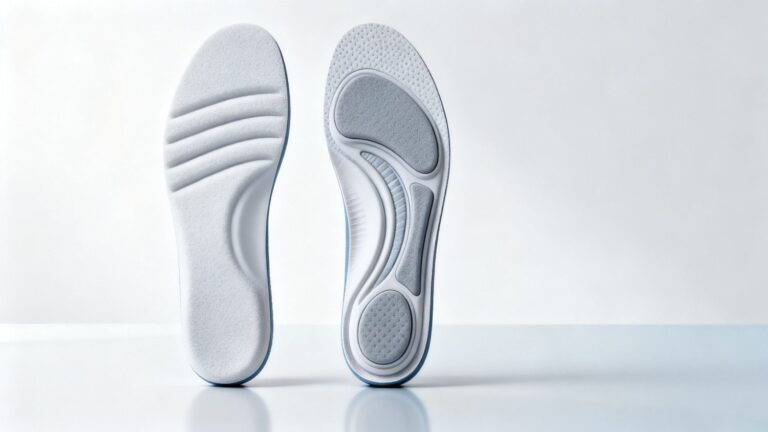
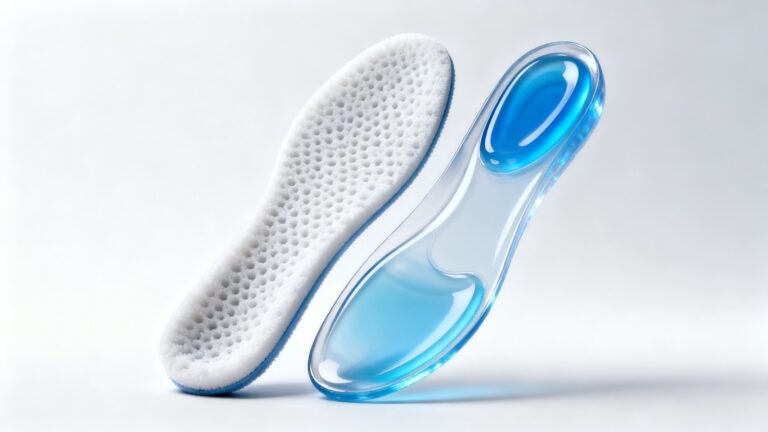
Insoles are not a direct treatment for every cause of top-of-foot pain, and adding one can sometimes make the situation worse if it reduces the available space inside the shoe.
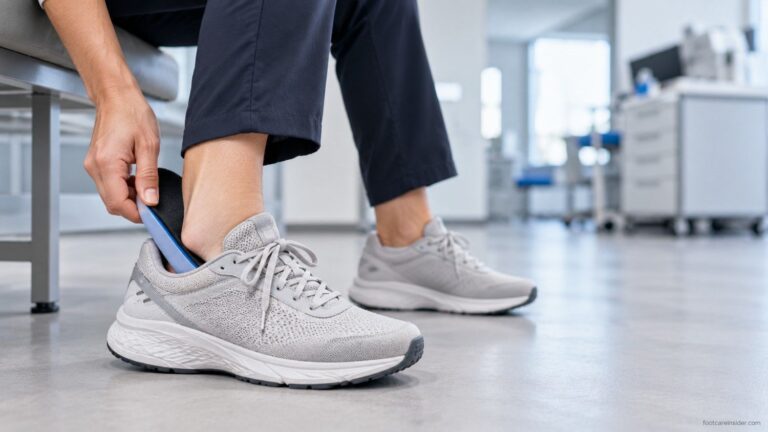
A thick or highly structured insole can raise the foot closer to the upper, increasing pressure across the instep. In a roomy shoe, however, a well-fitting insole may change how the foot is supported without creating additional pressure.
That means the first question is not whether you need an insole. It is whether the shoe and insole combination leaves enough room and feels comfortable during normal movement.
When Should You Get Medical Advice?
Seek professional assessment when pain is persistent, worsening, or interfering with normal walking rather than gradually improving with reasonable changes.
It is especially important to have the foot assessed after an injury when there is significant swelling, bruising, difficulty bearing weight, or very localized tenderness. Pain that continues at rest or repeatedly returns with activity also deserves more attention.
Because several different structures can cause pain in the same general location, symptoms alone cannot reliably identify the cause. A healthcare professional can examine the foot and decide whether further evaluation is appropriate.
Common Questions
Can tight shoes cause pain on the top of the foot?
Yes. Pressure from a tight upper or lacing across the instep can irritate tissues on the top of the foot. The discomfort may become more noticeable after walking or wearing the shoes for several hours.
Should I loosen my shoe laces if the top of my foot hurts?
If the laces appear to be creating direct pressure over the painful area, loosening them slightly may improve comfort. It should not make the heel unstable or cause the foot to slide excessively inside the shoe.
Can running cause pain on the top of the foot?
It can. Increasing running distance, frequency, hills, or intensity can increase the repeated load placed on the foot, and pain may develop if the change happens faster than your body can adapt.
Can an insole make top-of-foot pain worse?
Yes. A thick or strongly contoured insole can reduce vertical space inside a shoe and increase pressure across the top of the foot. Fit matters as much as the insole itself.
How long should top-of-foot pain last?
There is no single timeframe because the cause matters. Pain that persists, worsens, repeatedly returns with activity, or interferes with normal walking should be professionally assessed rather than judged only by how many days it has been present.
When the Pattern Doesn’t Settle
Top-of-foot pain can come from something as straightforward as footwear pressure or a recent increase in activity, but the same location can also involve tendons, joints, or bones. Pay attention to what triggers the discomfort, whether it improves with reduced load, and whether your shoes change the symptoms. Persistent or worsening pain deserves proper assessment rather than repeated trial and error with footwear.