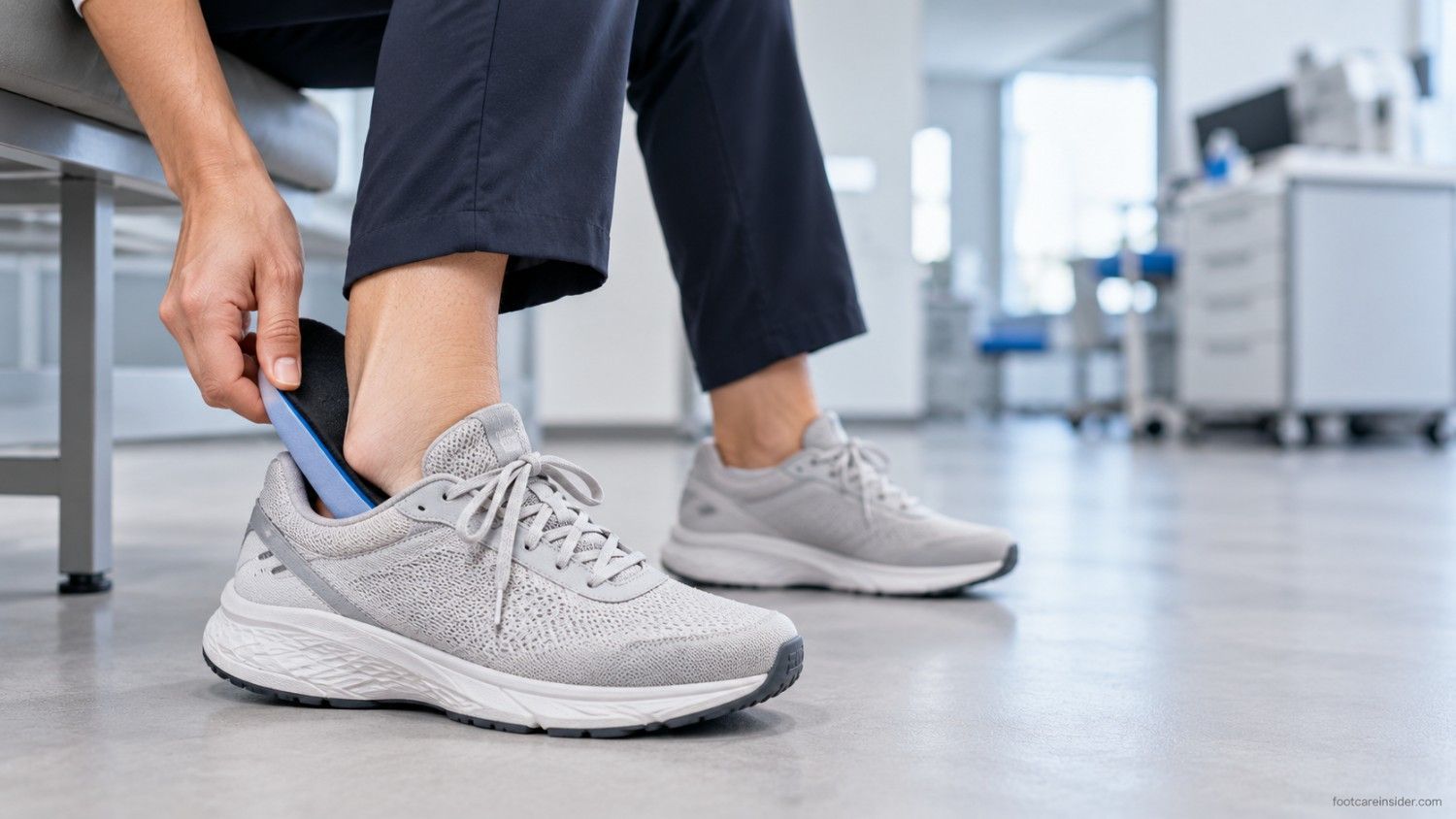
Best Insoles for Ball of Foot Pain
A long walk, a full shift on your feet, or a few hours in shoes that squeeze the front of your foot can leave the area behind your toes feeling sore by the end of the day. Sometimes it feels like pressure or bruising under the forefoot; other times it can feel sharper or burning. That is why choosing an insole for ball of foot pain is not simply about finding the softest option. Shape, cushioning, pressure distribution, thickness, and shoe fit all matter.
The best insoles for ball of foot pain are generally those that improve underfoot comfort without adding pressure to the forefoot. A suitable option may combine cushioning with a shape that helps distribute load more comfortably while remaining thin enough to preserve toe room. The right choice depends on where the pressure builds, how much you walk or stand, and how much space your shoes have.
Where Does Ball of Foot Pain Usually Come From?
The ball of the foot is the forefoot area just behind the toes, around the heads of the metatarsal bones. This part of the foot takes substantial load as you move forward during walking, so discomfort can become more noticeable after repeated steps or long periods of standing.
A related guide, best insoles for forefoot pressure, looks at pressure under the front of the foot more broadly.
You may feel pressure beneath one or more metatarsal heads, across the front of the foot, or slightly farther back toward the arch. Footwear can change the experience quickly. A narrow toe box may compress the forefoot, while a shoe with limited cushioning can make hard surfaces feel less forgiving.
If you are unsure exactly where the discomfort is located, the Interactive Foot Pain Tool can help you identify the area and explore related foot-pain information.
What Should an Insole Do for Ball of Foot Pain?
The goal is not to put as much cushioning under the forefoot as possible. A useful insole should improve comfort without creating another pressure problem.
For this type of discomfort, think about three things first: pressure distribution, cushioning, and available shoe space. An insole that distributes load more comfortably may suit someone doing a lot of walking, while moderate cushioning may be more useful when the main issue is impact or general forefoot fatigue.
The shoe matters too. An insole cannot create extra width in a cramped toe box, and adding a thick insert can make the upper feel tighter.
Why Walking and Standing Can Make the Forefoot Feel Worse
Every step places load through the forefoot, and that load adds up. A person who normally walks a moderate distance may notice symptoms after suddenly increasing daily mileage or spending much longer on their feet.
Standing creates a different pattern but can still leave the forefoot feeling tired. During a long shift, the foot remains weight-bearing for hours, often on concrete, tile, or another firm surface. By late afternoon, pressure that barely registered in the morning may become much more noticeable.
Shoes can add to the problem. High heels shift more load toward the front of the foot, while narrow shoes restrict the forefoot. Worn cushioning can also change how the foot interacts with the ground.
For a broader look at this pain location and its common contributors, Ball of Foot Pain: Causes, Symptoms and Treatment provides useful context.
Why Basic Insoles Do Not Always Work Well Here
A stock shoe insert can be perfectly adequate for everyday use, but it may not suit someone whose main issue is repeated pressure beneath the forefoot. Very soft foam can feel comfortable initially but flatten with repeated walking, while a flat insole may do little to change pressure distribution.
The opposite problem can happen with heavily structured inserts. If an insole is too bulky or poorly matched to the foot, it can reduce the space available inside the shoe and increase pressure around the toes.
Durability matters too. Someone walking several miles each day needs an insole that maintains its shape and cushioning under repeated use. An occasional user may place more importance on immediate comfort.
Which Insole Direction Makes the Most Sense?
For ball of foot pain, start by leaning toward forefoot pressure relief rather than maximum arch correction. An insole designed to distribute load more comfortably across the front of the foot may make more sense when symptoms are concentrated behind the toes.
If repeated walking or hard surfaces are the main trigger, moderate cushioning can improve underfoot comfort without making the shoe excessively soft. Very plush materials are not automatically better if they compress quickly.
When the front of the shoe already feels tight, a slim or low-volume insole deserves attention. Preserving toe room can be more important than adding another layer of material.
If your feet also develop broader fatigue during long periods of walking or standing, a balanced support insole may be preferable to one focused only on the forefoot. The aim is to improve comfort without creating pressure elsewhere.
Finally, match durability to your workload. Someone spending six to ten hours on their feet needs different long-term performance from an insole than someone using one for an occasional weekend walk.
The right direction is the one that addresses the pressure pattern you actually experience while keeping the rest of the shoe comfortable. From there, thickness, cushioning, support, and fit can narrow the choice considerably.
Best When Pressure Is Concentrated Under the Forefoot
If your main problem is pressure beneath the metatarsal heads after walking or standing, look for an insole designed around forefoot pressure distribution rather than aggressive arch correction. A supportive forefoot shape may help spread load more comfortably. The limitation is fit: a poorly positioned support element can feel noticeable inside shoes with limited space.
Best for Long Walks on Hard Surfaces
If concrete, tile, or pavement makes the ball of your foot feel increasingly sore during longer walks, moderate cushioning is a sensible direction. A cushioned insole can make repeated steps feel less harsh without requiring a highly structured design. The tradeoff is that very soft materials may compress faster, especially under frequent, high-mileage use.
Best If Your Shoes Already Feel Tight
A slim, low-volume insole makes more sense when the shoe fits closely across the forefoot. Keeping the insert thin helps preserve toe room and avoids pushing the foot upward into the shoe. The limitation is straightforward: less material generally means less cushioning, so this direction suits fit-sensitive footwear better than someone seeking maximum underfoot softness.
Best When Forefoot Pressure Comes With General Foot Fatigue
If the ball of your foot hurts but your arches and heels also feel tired after a long day, a balanced support insole may be more useful than a forefoot-only design. Moderate structure can complement cushioning across the whole foot. The drawback is that broader support may feel less targeted than an insole designed specifically around forefoot pressure.
Best for Frequent Walking and Repeated Daily Use
If you walk several miles most days or spend long shifts moving between hard indoor surfaces, prioritize an insole that maintains its shape and cushioning over time. Durability matters more than an especially plush first impression. Compared with soft comfort inserts, a firmer, more resilient design may feel less luxurious initially but hold its support longer.
FAQs
Should I choose a soft or firm insole for ball of foot pain?
A moderately cushioned insole is often a practical starting point when repeated walking or hard surfaces increase forefoot pressure. Very soft inserts are not automatically better if they compress quickly or make the foot feel unstable.
Can a thick insole make ball of foot pain worse?
It can when the shoe has limited internal space. A thicker insert may reduce toe room or increase pressure against the upper, so Thick vs Thin Insoles can help explain how profile affects fit and underfoot feel.
Should I remove the original shoe insole?
Often, replacing the original removable footbed can create more usable space for a new insert. Check the shoe construction first, because removing a non-removable footbed is not always practical.
How do I know when an insole is not helping?
If pressure increases, the forefoot feels more crowded, or discomfort becomes easier to trigger during normal walking, the insole may not be a good match. Persistent or worsening pain should be professionally assessed rather than repeatedly changing inserts.
Which Insole Type Makes the Most Sense?
If your discomfort is mainly pressure beneath the forefoot, start with a pressure-distribution design. For hard surfaces and longer walks, moderate cushioning may fit better. Tight shoes favor a slim profile, while broader foot fatigue may call for balanced support. The most useful choice is the one that improves comfort without creating new pressure elsewhere.