Why Hard Floors Cause Foot Fatigue
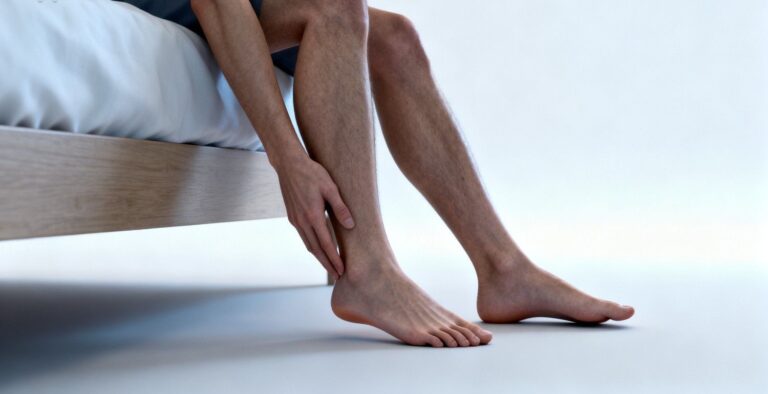
If your feet feel heavy, sore, or oddly “flattened” after a day on concrete, tile, or other hard floors, that isn’t just normal tiredness. Hard surfaces change how your feet absorb force. Instead of getting a little help from the ground, your feet, ankles, and lower legs have to handle nearly all of the impact and pressure themselves. Over a full workday, that repeated load can turn into burning forefoot pain, aching arches, tight calves, or a deep end-of-day fatigue that makes even short walks at home feel annoying.
This matters whether you work retail, healthcare, hospitality, warehouses, or spend long hours cooking in a kitchen. “Hard floors foot fatigue” usually builds gradually rather than showing up as one sharp injury. The pattern is often the same: your feet feel fine at the start of the day, then slowly get more sore, stiff, and tired as the hours stack up. Understanding why that happens is the first step to reducing it.
What hard-floor foot fatigue actually is
Foot fatigue from hard floors is the cumulative strain that builds in the feet and lower legs when you stand or walk on surfaces with very little shock absorption. Floors like concrete, tile, stone, and sealed commercial flooring don’t compress much under your weight. That means the small muscles in your feet, the plantar fascia, your arches, and even your calves have to work harder to absorb force and stabilize you.
Schools are a good example; see why classroom floors make feet feel tired.
It doesn’t always feel dramatic. For some people it shows up as aching through the arch or heel. For others it feels like forefoot pressure, a dull soreness under the ball of the foot, or a tired “dead feet” sensation by the end of the day. If you already have a foot shape or gait issue, the strain can show up faster. Readers dealing with arch collapse or poor support patterns often end up comparing related guides like What Causes Flat Feet.
The important thing is that fatigue is not just about standing still. It’s about how long your tissues are under repeated load without much recovery and without much help from the floor beneath you.
Why hard surfaces wear your feet down faster
Hard floors are a problem because they increase repeated loading while reducing natural cushioning from the environment. On softer ground, some of the force of standing and walking gets dispersed. On hard commercial flooring, your body has to manage almost all of it.
Whether you mostly stand or walk also changes the load; see standing vs walking at work.
There are a few reasons this adds up so quickly:
- Minimal shock absorption: The ground gives very little back, so the heel, arch, and forefoot take more repetitive stress.
- Static standing load: If you stand in one spot for long periods, the same pressure points get loaded again and again with very little variation.
- Low-level repetitive walking: Even if you are not doing intense exercise, walking back and forth across a sales floor or hospital unit still adds thousands of small loading cycles.
- Muscle overwork: The intrinsic foot muscles and lower-leg stabilizers stay active longer to keep you balanced and supported.
- Poor recovery during the day: Unlike sports activity, work standing often gives you hours of continuous low-grade load without enough breaks to reset tissues.
That’s why hard-floor fatigue often feels worse at the end of the day than in the moment. The strain accumulates quietly, then catches up with you.
The biggest causes behind the fatigue
Hard floors are the environment, but they are usually not the only cause. Foot fatigue tends to come from a combination of surface load, footwear, support level, and how your body handles prolonged standing or walking.
Long standing in one position
Standing in one place is often harder on the feet than people expect. When you stay near a checkout counter, workstation, or prep area, pressure doesn’t move around much. The heel and forefoot keep taking the same load, and the small muscles that support posture don’t get much rest.
Repeated walking on unforgiving surfaces
Walking across a hard floor all day can create a different fatigue pattern. Instead of one pressure point getting overloaded, you get repeated impact through the heel strike and push-off phases. That can leave the feet feeling generally beaten up by the end of the day, especially if your shoes are worn out or unsupportive.
Shoes with poor cushioning or poor structure
Some shoes feel comfortable for an hour but don’t hold up through an eight- or ten-hour shift. Thin midsoles, flat insoles, worn-out foam, and weak arch support all make hard floors feel harsher. If you already rely on extra support, a guide like Best Insoles for Standing All Day can help explain what kind of insole construction tends to hold up better under long standing loads.
Foot mechanics and support needs
Not everyone distributes pressure the same way. Some people roll inward more, some have flatter arches, some have stiffer feet, and some carry most of their discomfort in the heel or forefoot. Hard floors expose those differences because there’s less forgiveness in the surface. A support issue that barely shows up at home may become obvious halfway through a long shift on tile or concrete.
Risk factors that make hard-floor fatigue worse
Some people can tolerate hard floors reasonably well for years, while others develop symptoms quickly. A few factors raise the odds that foot fatigue will become a regular problem.
Body weight matters because more load means more force moving through the foot with every hour of standing and every step. Shift length matters too. A four-hour stretch and a ten-hour shift are not the same problem, even in the same shoes.
Your footwear history also matters. Shoes that are technically still wearable may have lost much of their shock absorption and stability already. The same goes for old insoles that have flattened out over time. If you rotate between multiple pairs, you may not notice how worn one pair has become until that pair starts making your feet noticeably more tired.
Pre-existing foot structure can also raise your risk. Flat feet, high arches, overpronation, tight calves, and limited ankle mobility can all change how pressure moves through the foot on hard ground. Even if those issues do not cause constant pain, they can make hard-floor fatigue show up earlier and feel more intense.
Foot pain from standing on concrete doesn’t always affect the same area. Before deciding what kind of support you need, use our Interactive Foot Pain Chart to identify where your discomfort starts and explore the most common causes.
Early signs vs signs that the problem is building
Early hard-floor fatigue often feels manageable. Your feet may just feel sore at the end of the day, and the discomfort fades after rest, a shower, or sleeping overnight. Common early signs include:
- mild arch aching after long standing
- burning or pressure under the forefoot
- a tired, heavy feeling in the feet late in the shift
- calf tightness after work
- needing to sit down immediately once you get home
When the problem starts building, the pattern changes. The soreness shows up earlier in the day, recovery takes longer, and the discomfort may spread beyond the foot itself. You might notice your heels hurting when you first stand up after resting, or your arches feeling strained even on days off. Some people also start noticing knee, hip, or low-back fatigue because the body is compensating higher up the chain.
If you’re already at the point where your shoes feel “done” halfway through a shift, or your feet stay sore into the next morning, the issue has moved beyond normal tiredness and deserves a closer look.
When hard-floor fatigue becomes a real problem
Hard-floor foot fatigue becomes more than routine soreness when it starts changing how you move, how long you can tolerate standing, or how quickly symptoms return. If you’re shortening walks, shifting your weight constantly, avoiding certain tasks at work, or feeling pain rather than simple fatigue, that’s a sign the load is no longer being managed well.
It also becomes more concerning when symptoms localize and repeat in the same place. Persistent heel pain, recurring arch strain, numbness in the forefoot, or pain that keeps returning after rest can point to something more specific than general fatigue. In those cases, it helps to look not just at the floor, but at the full picture: footwear, support, recovery habits, calf mobility, and whether your foot mechanics are adding extra strain.
What actually helps if hard floors are wearing your feet down
If hard floors are the trigger, the goal is not just to “add comfort.” It’s to reduce the amount of repeated stress your feet have to absorb every day. In real life, that usually means changing a few things at once: how much pressure builds in the same spot, how much support your shoes give you, and how much recovery your feet get during and after the day.
A small movement break can make more difference than people expect. If you stand mostly in one place, shifting position, taking a brief walk, or changing foot position every 30–60 minutes can reduce the constant load on the same tissues. If you walk all day, the better adjustment is often footwear-related rather than just “sit more.”
Shoes matter because hard-floor fatigue gets worse when the midsole is already dead or the shoe doesn’t match how you load your feet. A soft shoe isn’t automatically the answer, though. Some people do better with a little more cushioning, while others feel better in a shoe that is slightly firmer but more stable through the arch and heel. That’s one reason readers comparing comfort versus structure often end up looking at Best Insoles for Standing All Day.
Where insoles can help — and where they can’t
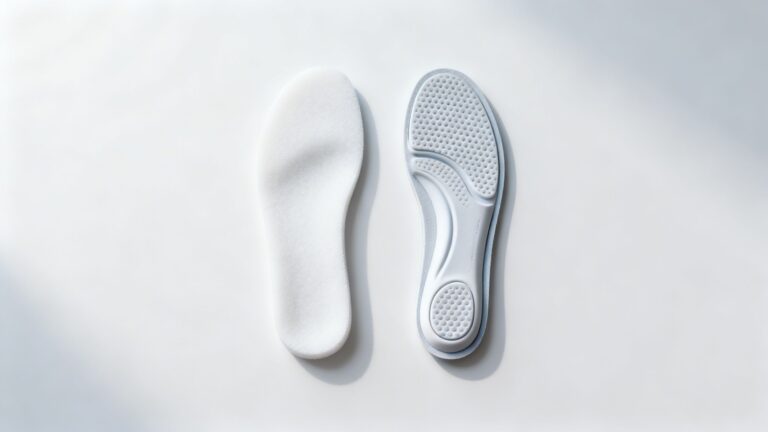
Insoles can absolutely help with hard-floor fatigue, but only when they match the reason your feet are getting tired. If the main problem is pressure and impact on hard surfaces, a well-made cushioned insole may reduce that end-of-day soreness. If the bigger issue is arch collapse, instability, or feet that feel like they “flatten out” late in the day, a supportive insole often makes more sense than a very soft one.
They are most useful when your current shoe is decent overall but needs one thing it’s missing: more cushioning, more support, or a better pressure balance. They are less helpful when the shoe itself is the problem — for example, if it is worn out, too narrow, too unsupportive, or already packed flat.
A simple rule is this: insoles can improve the interface between your foot and your shoe, but they cannot fully fix a shoe that is wrong for your workday. If you’re trying to judge whether your support is still doing its job, How Long Do Insoles Last is worth reading before you keep blaming the floor alone.
Simple ways to reduce hard-floor fatigue during the week
You do not need a full rehab plan to make a difference. A few practical habits often help more than people expect:
- Rotate shoes if you can, especially if one pair gets compressed quickly.
- Replace worn insoles before they are completely flat.
- Use a supportive shoe for long shifts rather than saving it only for your “worst” days.
- Stretch your calves after work if your feet feel tight and heavy rather than sharply painful.
- If you stand in one area, use small posture changes instead of locking into one position for hours.
- Pay attention to where the fatigue starts — heel, arch, forefoot, or whole-foot soreness — because that usually tells you what kind of support you need.
For readers whose fatigue comes with obvious arch collapse or inward rolling, it can also help to understand how support needs overlap with pronation patterns. That’s where Best Insoles for Overpronation can be useful as a follow-on read, even if hard floors are the main trigger here.
When it’s time to stop treating it like “normal work soreness”
Hard-floor fatigue deserves more attention when it stops behaving like simple overuse. If your pain becomes sharp, shows up earlier and earlier in the day, lingers into the next morning, or starts concentrating in one spot — especially the heel, arch, or ball of the foot — it’s worth taking seriously.
You should also consider medical evaluation if:
- one foot is much worse than the other for no obvious reason
- you develop numbness, tingling, or swelling
- pain changes how you walk
- rest, better shoes, and basic support changes are not helping after a few weeks
- the discomfort is spreading into the ankle, knee, or low back in a consistent way
That does not automatically mean something serious is wrong, but it does mean the problem may be moving beyond simple fatigue and into a more specific overuse issue.
Preventing the cycle from coming back
The long-term fix is usually less dramatic than people think. Most people do best when they stop waiting until their feet are already wrecked and instead treat support, shoe condition, and recovery as part of the job. Hard floors are hard on feet because they ask your body to absorb the same load over and over. Prevention is mostly about lowering that load where you can and spreading it out where you can’t.
That may mean better shoes, a smarter insole, a little more calf and foot recovery, or simply replacing footwear before it is visibly falling apart. Soft cushioning can help with impact, while firmer support can help with control; the right choice depends on whether your fatigue feels more like pressure overload or structural strain.
Common Questions
Can hard floors really cause foot fatigue even if I have good shoes?
Yes. Good shoes help, but they do not cancel out hours of standing or walking on concrete, tile, or other unforgiving surfaces. If the load is high enough, fatigue can still build — just more slowly and often with less pain.
Are soft insoles always better for hard floors?
Not always. Soft insoles can feel great for pressure relief, but if your feet get tired because they lose support late in the day, a slightly firmer insole may work better than a very plush one.
Can hard-floor foot fatigue lead to heel pain or arch pain?
It can. Repeated stress from hard surfaces can aggravate tissues in the heel, arch, and forefoot, especially if your footwear is worn out or your feet already need more support than they’re getting.
How often should I replace insoles or work shoes if I’m on hard floors daily?
There is no perfect timeline, but daily hard-floor use wears them down faster than casual wear. If cushioning feels dead, support feels flatter, or fatigue starts showing up earlier in the day, replacement is worth considering.
Conclusion
Hard floors cause foot fatigue because they force your feet and lower legs to absorb repeated stress with very little help from the surface beneath you. The problem usually builds from a mix of long standing, repetitive walking, worn-out footwear, and support that no longer matches what your feet need. If you catch it early, simple changes in shoes, insoles, movement habits, and recovery can make a real difference before fatigue turns into a more stubborn pain problem.