Why Classroom Floors Make Feet Feel Tired
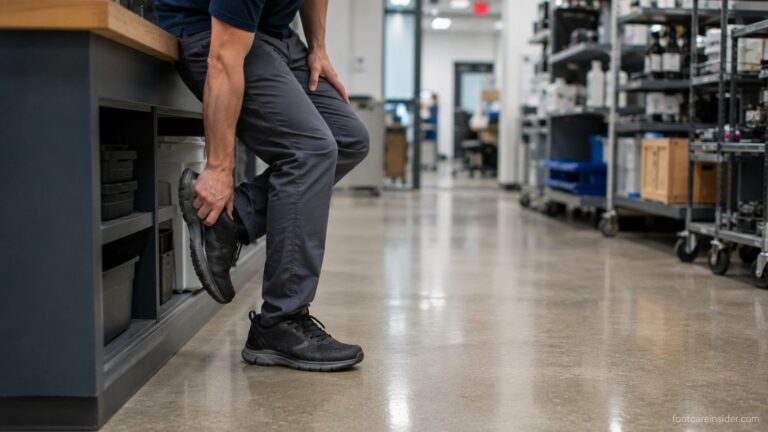
A long school day can be surprisingly demanding on your feet. Teachers, classroom assistants, and other school staff may spend hours standing beside desks, walking between rooms, helping students, and moving across hard flooring with very little time to sit down. By the end of the day, the feet can feel heavy, sore, hot, or simply exhausted. The flooring itself may not be the only reason, but spending hours on a firm surface can increase the amount of stress placed on the feet with every step and shift of body weight.
Classroom floors can make feet feel tired because hard surfaces provide little natural cushioning, while standing and walking for long periods repeatedly load the heels, arches, forefoot, muscles, tendons, and other structures of the foot. When that workload continues for several hours, especially in unsupportive footwear, normal end-of-day fatigue can become more noticeable and may gradually develop into persistent discomfort.
Why Hard Classroom Floors Can Increase Foot Fatigue
Your feet are designed to absorb and distribute forces as you stand and move. Each step creates a load that travels through the heel, arch, forefoot, and the rest of the lower limb. Walking on a hard classroom floor does not necessarily damage the feet, but it can make the workload feel greater because the surface itself offers very little cushioning.
If you stand through the school day, our guide to insoles for standing all day shows what helps.
Standing creates a different challenge. When you stand in one place, your feet continuously support your body weight rather than getting the regular changes in pressure that occur during walking. A teacher who spends much of a school day standing at a board, supervising students, or working at a classroom station may therefore experience fatigue even without taking thousands of steps.
The effect can become more noticeable as the day progresses. Feet that feel completely normal in the morning may begin to feel tired around lunchtime and increasingly uncomfortable during the final hours of a shift.
This is one reason the experience can be different from ordinary short-term soreness. The issue is often not one particular step, but the accumulated load from standing duration, walking, and repeated movement over many hours.
What Happens to Your Feet During a Long School Day?
Several structures work together to keep you balanced and moving efficiently. The muscles and tendons around the foot and ankle help control movement, while the arch and plantar fascia help handle forces as you stand and walk.
When you spend hours on your feet, those tissues are repeatedly exposed to mechanical load. Your gait also changes slightly from person to person. Someone who naturally rolls inward more during walking, for example, may distribute pressure differently from someone with a more neutral gait.
Footwear can add another variable. Shoes with little cushioning, limited support, poor fit, or worn-out midsoles may make a hard surface feel even less forgiving.
For people who spend most of their working day standing, the combination can be significant. A classroom may involve hundreds of short walks between desks and doors rather than one continuous walk, with frequent stops and starts throughout the day.
If your discomfort is mainly associated with prolonged standing on firm surfaces, it may also be useful to understand Why Hard Floors Cause Foot Fatigue.
Why Fatigue Often Gets Worse as the Day Goes On
Foot fatigue commonly follows the amount of time your feet have been working.
In the morning, the muscles and supporting tissues have had time to recover. After several hours of standing and walking, however, the repeated workload can become more noticeable. You might first notice a vague feeling of heaviness or tiredness rather than actual pain.
Later in the day, the sensation may become more specific. The heels may feel sore, the arches may feel tired, or the forefoot may become uncomfortable after repeatedly walking across a firm surface.
This progression matters because occasional fatigue after an unusually long day is different from discomfort that happens every day and gradually becomes easier to trigger.
If your feet hurt specifically after spending long periods standing on hard surfaces, Standing on Concrete and Foot Pain provides another useful look at how prolonged exposure to firm flooring can relate to foot discomfort.
When Foot Fatigue Becomes More Than Normal Tiredness
Some tiredness after a long day is expected. The more important question is whether your feet recover when the workload stops.
If your feet feel tired after a particularly demanding school day but return to normal after rest, that pattern may simply reflect the amount of work they have done.
A different pattern is worth paying attention to when discomfort becomes persistent, starts earlier in the day, interferes with normal walking, or continues even after you have had time to rest.
Pain in a specific area can also provide useful information. Heel pain, arch discomfort, or pain toward the forefoot may have different possible causes, so identifying the location and pattern can be a useful first step when trying to understand what you are experiencing.
If you are unsure exactly where your discomfort is coming from, the Interactive Foot Pain Tool can help you identify the location of your symptoms and explore related foot-pain information.
How Footwear Can Change the Experience
The same classroom floor can feel very different depending on the shoes you wear.
A shoe with a supportive fit and adequate cushioning may make long periods on hard flooring more comfortable. On the other hand, a shoe with a thin, worn, or poorly fitting sole can leave your feet feeling more exposed to the repeated forces of standing and walking.
This does not mean that the softest possible shoe is automatically the best choice. Some people prefer more cushioning, while others find that a firmer and more supportive platform feels better during long periods on their feet.
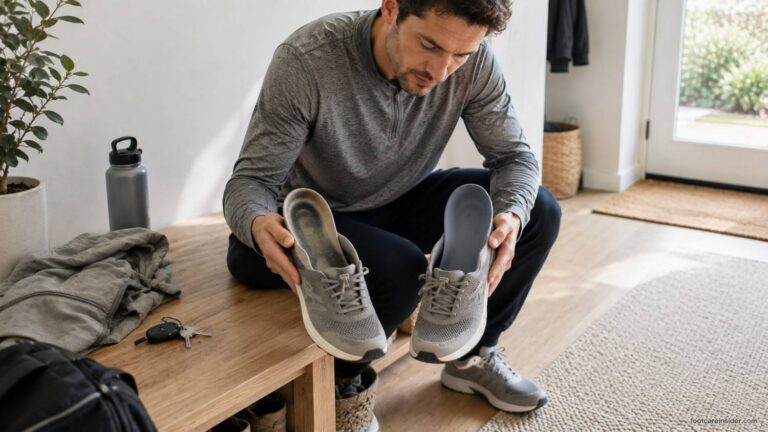
Insoles can also change how the foot sits inside a shoe. If you are considering them, the goal should be to find an option that works with the existing shoe rather than simply adding as much cushioning or arch height as possible. For people dealing with hard surfaces throughout the day, Best Insoles for Hard Floors offers a more focused look at this type of support.
Long school days do not always mean there is a serious problem with your feet. Often, the first step is to reduce the amount of unnecessary stress placed on them and see whether the pattern improves.
Simple Ways to Reduce Foot Fatigue at School
If possible, alternate between standing, walking, and sitting rather than remaining in one position for hours. Even short periods of sitting can give the feet a break from continuously supporting body weight.
Small movement changes can also help. Walking around the classroom instead of standing in exactly the same position, changing your stance, and taking brief opportunities to move can spread the workload across different tissues.
After a long day, gentle movement of the ankles and feet may feel more comfortable than immediately remaining completely still. Simple calf and foot stretches can also be useful as part of a general movement routine, particularly if your lower legs feel tight after prolonged standing.
The goal is not to eliminate all standing or walking. It is to avoid allowing the same tissues to carry the same load continuously throughout the entire school day.
Choosing Shoes for Hard Classroom Floors
Your shoes are one of the easiest factors to change.
For long classroom days, look for footwear that fits comfortably, provides enough room for your toes, and has cushioning appropriate for the amount of standing and walking you do. A stable sole can also help if you prefer a more structured feel under your feet.
There is no single shoe design that works for everyone. Someone who spends most of the day walking between classrooms may prefer a different feel from someone who spends several hours standing in one location.
Pay attention to what happens toward the end of the day. If your shoes feel comfortable in the morning but your feet become increasingly tired after several hours, the combination of the footwear, flooring, and total workload may be worth reconsidering.
Can Insoles Help With Classroom Floor Fatigue?
Insoles can be useful when your existing shoes do not provide the level of cushioning or support you find comfortable on hard surfaces.
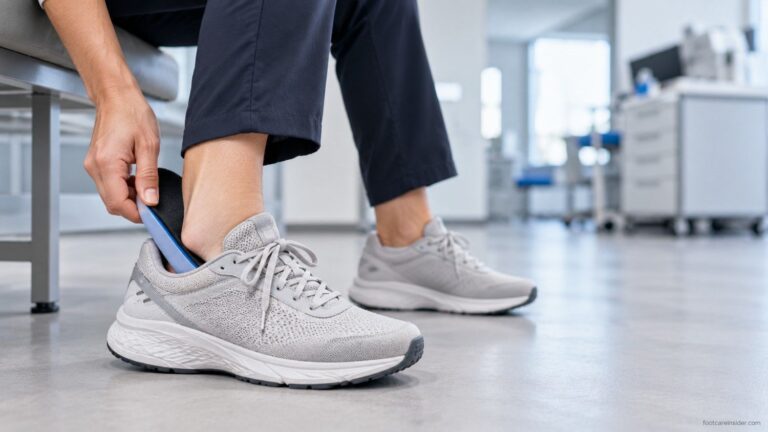
A cushioned insole may make a firm floor feel less harsh under the feet, while a more structured insole can change how the foot is supported inside the shoe. The right choice depends on your footwear, your foot shape, and what you actually notice during the day.
More support is not automatically better. An insole that is too thick can reduce the space inside the shoe, while an arch support that feels too aggressive may be uncomfortable.
Fit matters just as much as the material. The insole should work with the shoe rather than making the shoe feel cramped or unstable.
When Should You Have Foot Pain Checked?
Consider getting professional advice if your discomfort is becoming persistent rather than simply appearing after an unusually long day.
It is particularly worth paying attention when pain becomes stronger over time, begins earlier in the day, affects your normal walking, continues after rest, or is accompanied by significant swelling or another unusual change.
The location of the pain can also matter. Persistent heel, arch, forefoot, or ankle discomfort may have different possible explanations, and a healthcare professional can assess the pattern rather than relying on symptoms alone.
A sudden or severe injury is different from ordinary end-of-day fatigue and should be assessed appropriately.
Preventing Classroom Foot Fatigue Over Time
The best approach is usually a combination of small changes rather than relying on one product or technique.
Try to vary your position throughout the day, take reasonable opportunities to sit, keep your footwear in good condition, and replace shoes when their cushioning or support has noticeably deteriorated.
It can also help to notice patterns. If your feet become tired only after particularly long days, the total standing and walking load may be the main factor. If the same discomfort appears after shorter and shorter periods, that change is more meaningful.
For someone who spends most of the day on their feet, cushioning and support are not necessarily competing ideas. A comfortable shoe can provide both, while the preferred balance depends on the individual and the activity.
Common Questions
Why do my feet hurt after standing in a classroom all day?
Standing for several hours continuously loads the feet and lower legs. On a hard floor, the surface provides little cushioning, so the accumulated workload can become more noticeable as the day progresses.
Are hard classroom floors bad for your feet?
Hard floors are not automatically harmful, but they can make prolonged standing and walking feel more demanding. The effect depends on factors such as standing duration, footwear, walking load, and individual foot mechanics.
Can shoes help with foot fatigue from hard floors?
Comfortable, well-fitting shoes with appropriate cushioning and support can make long periods on firm flooring easier for some people. The best choice depends on how much you walk and stand and how the shoes feel after several hours.
Do insoles help when you stand on hard floors all day?
They can help some people by adding cushioning or changing how the foot is supported inside the shoe. However, an insole should fit the shoe properly and should not create excessive pressure or make the footwear too tight.
Why are my feet fine in the morning but tired by the afternoon?
Your feet accumulate load as you stand and walk throughout the day. If you spend several hours on your feet, the muscles, tendons, and other supporting structures may become increasingly fatigued, making discomfort more noticeable later in the day.
When Classroom Foot Fatigue Keeps Coming Back
Occasional tired feet after a particularly demanding school day are not unusual. What matters more is the pattern over time.
If changing your standing habits, footwear, movement, or recovery time makes the problem noticeably better, those factors may have been contributing to the fatigue. If discomfort continues despite reasonable changes, becomes progressively worse, or starts interfering with everyday activities, it is worth having the problem assessed rather than simply pushing through it.
Classroom floors are only one part of the equation. The combination of standing duration, walking load, footwear, foot mechanics, and recovery determines how demanding a school day feels for your feet.