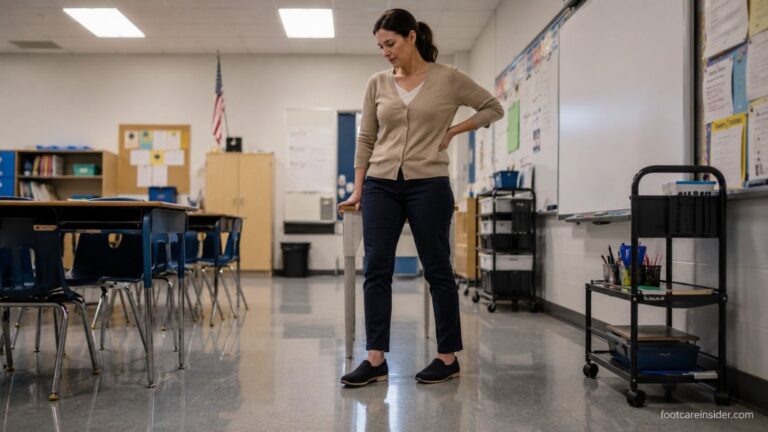
Best Insoles for Teachers
Why Teaching All Day Can Leave Your Feet Worn Out
A school day rarely means standing in one place. Teachers move between desks, walk across classrooms and hallways, stand while explaining lessons, supervise activities, and often stay on their feet long after the final bell. By late afternoon, that repeated movement can show up as tired arches, sore heels, forefoot pressure, or a general heavy feeling through the feet.
The problem can become more noticeable when the classroom has hard tile, vinyl, or other firm flooring and the shoes are built more for appearance than support. Even comfortable shoes may start feeling very different after several hours of walking and standing. That is why choosing insoles for teachers is less about finding the softest insert and more about matching support and cushioning to the way you actually spend your school day.
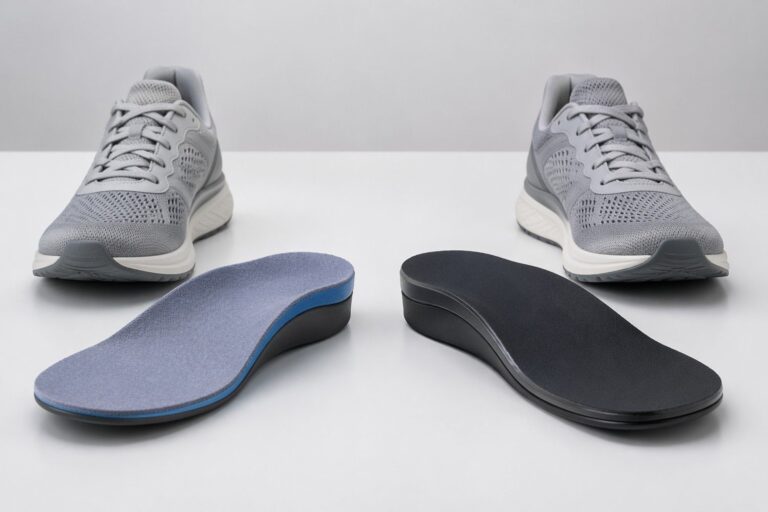
For many teachers, the most useful insole is one that balances moderate cushioning with dependable arch support and enough structure to remain comfortable through repeated standing and walking. If your main problem is hard-floor fatigue, cushioning becomes more important; if your arches feel tired or your feet feel unstable, a more structured design may make more sense. Shoe space also matters because bulky inserts can make classroom shoes uncomfortable.
Why classroom floors are so tiring is explained in why classroom floors make feet feel tired.
For the wider comparison, see our guide to the best insoles for standing all day.
The Right Insole Depends on How You Teach
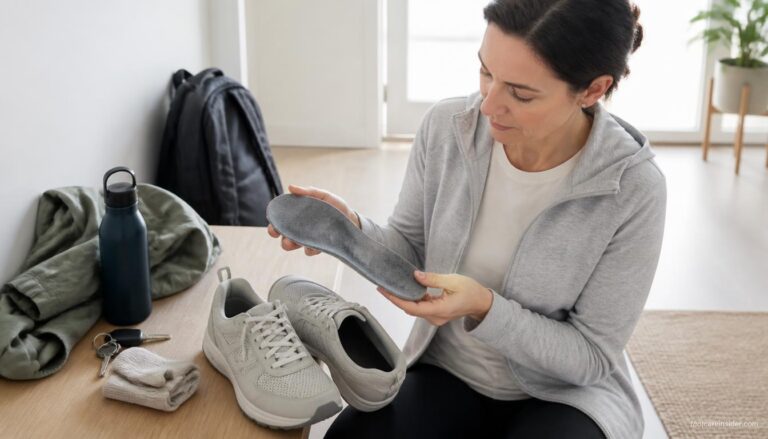
The goal is not simply to replace the factory liner with something softer. It is to find an insole that matches your combination of classroom standing, hallway walking, footwear, and the location of your discomfort.
A teacher who mostly stands at the front of a classroom has different needs from one who walks continuously between rooms or teaches physical education. Pay attention to where fatigue develops, how many hours you spend moving, and whether your shoes have enough room for an aftermarket insole. Those details narrow the choice much faster than choosing by cushioning alone.
Why a Teacher’s Feet Can Tire Throughout the School Day
Teaching creates a particularly mixed workload. You may spend several minutes standing while explaining something, then walk around the room helping students, bend or crouch occasionally, and repeat that cycle for hours. The feet are constantly adapting rather than receiving one simple type of load.
Hard indoor flooring can make that repetition more noticeable. Each step places pressure through the heel, arch, and forefoot, while prolonged standing keeps the feet loaded without the relief that comes from sitting. By the final classes of the day, relatively small areas of fatigue can become much more obvious.
Footwear can add another problem. A narrow dress shoe may leave little room for a supportive insert, while a flat sneaker may provide plenty of space but not enough structure. If the original shoe liner has already compressed, the difference may become especially noticeable late in the day.
Teachers who want to understand the broader relationship between prolonged standing and foot fatigue may also find Why Standing All Day Makes Feet Tired useful.
The important point for buying purposes is that teachers usually need an insole capable of handling both standing and walking, rather than one designed only for occasional standing or high-impact athletic activity.
Why the Standard Insole May Not Be Enough for Teaching
The insole that comes with a shoe is not automatically poor quality. It simply may not be designed around the repeated workload of a full teaching day. A thin factory liner can feel perfectly adequate during a short morning but provide less comfort once hours of standing and walking accumulate.
Very soft inserts can create another issue. They may feel pleasant when you first put them on, yet compress noticeably under repeated daily use. For a teacher spending most of the day moving around a classroom, that softness may not provide enough consistent support by the afternoon.
The opposite problem can happen with an overly structured insole. A firm arch or thick support system may provide more stability, but if it takes up too much space inside a relatively snug classroom shoe, the result can be pressure around the toes or sides of the foot.
Teachers therefore need to consider support retention, cushioning, and available shoe volume together. A slightly firmer insole that fits properly may be more useful than a very soft one that becomes cramped or compressed.
Narrowing the Best Insole Direction for Teachers
If your feet mainly feel tired from standing on firm classroom floors, start by looking toward moderate cushioning with balanced support. The goal is to soften repeated loading without creating an excessively soft surface beneath the foot.
If your arches become tired during a walking-heavy school day, consider a support-focused everyday insole with a defined but not overly aggressive arch. This can provide more structure than a basic comfort liner while remaining suitable for repeated walking.
For teachers who move constantly between classrooms, a durable walking-oriented insole may make more sense than an extremely plush insert. Consistent support and cushioning matter more when the feet take thousands of ordinary steps throughout the day.
If your classroom shoes are relatively narrow, prioritize a slim or low-volume design. A supportive insole that forces the toes into a cramped position is unlikely to be comfortable simply because its arch support is stronger.
If the main complaint is pressure under the ball of the foot, look for forefoot pressure relief combined with moderate cushioning, rather than automatically choosing the firmest arch support available. The best direction depends on where the workload is actually accumulating.
For teachers with a mix of standing, walking, and hard indoor flooring, the sweet spot is usually a balance: enough cushioning to soften repeated contact, enough structure to avoid feeling flat, and a profile that fits the existing shoe without crowding the foot.
Teachers who spend much of the day moving rather than remaining at one workstation can also compare Best Insoles for Daily Walking and Standing for a broader look at this type of mixed daily load.
Best for Teachers Who Spend Most of the Day Standing
If you spend much of the school day at the front of a classroom, a moderately cushioned insole with balanced arch support is a sensible starting point. It can provide more structure than a flat comfort liner while still softening repeated pressure from firm floors. The limitation is that extra cushioning takes up some shoe space, so check the fit carefully.
Best for Teachers Walking Between Classrooms
Teachers who constantly move between classrooms, offices, and hallways should lean toward a durable walking-oriented insole with moderate cushioning and reliable support. It makes more sense than an extremely soft insert when daily mileage is high because the foot needs consistent support through repeated steps. The drawback is that firmer construction may feel less plush initially.
Best for Teachers With Tired Arches
If your arches feel increasingly tired as the school day progresses, consider a support-focused insole with a moderate arch contour. This direction is more structured than a basic cushioned liner and may feel steadier during repeated standing and walking. Avoid choosing the most aggressive arch profile automatically, though, because excessive structure can feel intrusive inside some shoes.
Best for Narrow Classroom Shoes
Teachers wearing relatively slim dress shoes or low-volume sneakers should prioritize a thin, low-profile insole. The advantage is preserving toe room while still adding some cushioning and support, making it easier to use an aftermarket insert without changing the shoe’s fit dramatically. The tradeoff is simple: a slim design generally cannot provide the same amount of cushioning as a thicker, heavier-duty option.
Best When Forefoot Pressure Builds by Afternoon
If pressure develops beneath the ball of your foot after several classes, look for an insole designed with cushioning and forefoot pressure distribution rather than simply adding more arch firmness. This can be more appropriate when the discomfort is concentrated toward the metatarsal area. The limitation is that pressure relief will not compensate for a shoe that is already too narrow across the front.
FAQs
Should teachers choose cushioning or arch support?
Choose moderate cushioning when hard floors and prolonged standing are the main sources of fatigue. If your arches become tired during the day, a balanced support design may be more useful than simply adding softness.
Will an insole make classroom shoes feel tighter?
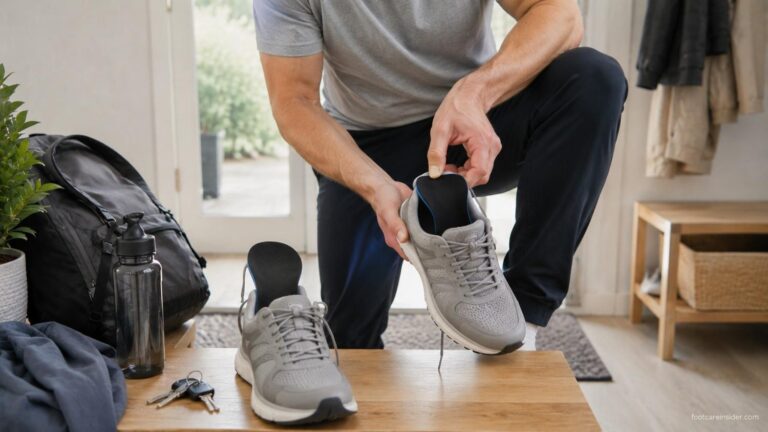
It can. A thick replacement insole reduces the space inside the shoe, so teachers with narrow footwear may be better served by a low-profile option.
Should I remove the original shoe insole?
Often, yes, if the original liner is removable and the replacement is designed to take its place. Keeping both can make the shoe unnecessarily tight.
How often should teachers replace their insoles?
There is no universal schedule. Check for noticeable flattening, loss of cushioning, changes in support, or discomfort returning during the school day rather than replacing them solely according to a calendar.
The Best Starting Point for Most Teachers
If your school day combines classroom standing, hallway walking, and hard indoor floors, start with moderate cushioning plus balanced support. Choose a slim profile when shoe space is limited, a more durable walking design when mileage is high, and forefoot-focused cushioning when pressure concentrates beneath the ball of the foot. There is no single ideal insole for every teacher.