Best Slip-On Shoes and Clogs for Nurses
A nurse’s shift can involve a lot of small transitions: step into a patient room, stop beside the bed, walk back to the workstation, stand for a procedure, then move again. After doing that for hours, a shoe that is awkward to put on or difficult to adjust can become more annoying than it seemed at the start of the day. That is why slip on shoes for nurses are appealing to many healthcare workers. The convenience is obvious, but the useful question is what you are giving up, if anything, when you choose a clog or slip-on instead of a lace-up work sneaker. For a nurse, the answer comes down to fit, stability, cushioning, movement, and workplace requirements.
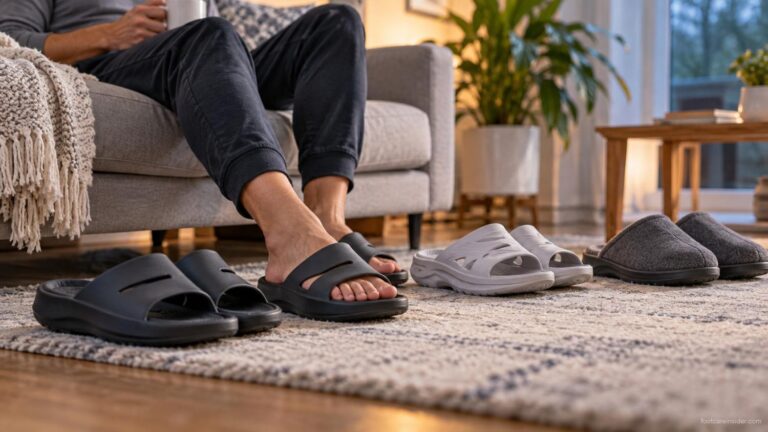
Slip-on shoes and clogs can be a practical choice for nurses, especially when easy on-and-off use and a simple work-day routine matter. Structured clogs such as the Dansko Professional feel very different from lighter molded options such as Crocs, while slip-on designs can offer a middle ground between convenience and everyday support. The best option depends on how much you walk, how much you stand, how securely you want the shoe to hold the foot, and what your workplace allows.
Quick picks
Dansko Professional ClogStructured nursing clog
Check price on AmazonCrocs On The ClockSimple work clog
Check price on AmazonCrocs Bistro Pro LiteRide ClogCushioned molded clog
Check price on AmazonPain Relief Slip-Ons (women’s)Easy-on comfort style
Check price on AmazonMen’s Supportive Pain Relief Slip-OnsMen’s supportive slip-on
Check price on AmazonComparison at a glance
| Model | Style | Main appeal | Best suited to | Workplace details |
|---|---|---|---|---|
| Dansko Professional Clog | Traditional clog | Structured feel and rocker sole | Nurses who prefer a substantial clog | Check listing |
| Crocs On The Clock | Work clog | Simple slip-on design | Nurses who value convenience and easy entry | Check listing |
| Crocs Bistro Pro LiteRide Clog | Molded clog | LiteRide cushioning with molded construction | Nurses who prefer a cushioned clog feel | Check listing |
| Pain Relief Slip-Ons (women’s) | Slip-on shoe | Easy-on design | Women who prefer a simple slip-on format | Check listing |
| Men’s Supportive Pain Relief Slip-Ons | Slip-on shoe | Easy-on supportive format | Men who prefer slip-on work footwear | Check listing |
What should nurses look for in slip-on work shoes?
The biggest advantage of a slip-on is convenience, but convenience should not come at the expense of a secure fit. During a nursing shift, you may walk quickly, turn around repeatedly, step up or down, and stop suddenly. A shoe that feels too loose around the heel can move around more than you want, while a shoe that is too snug can become increasingly uncomfortable after several hours.
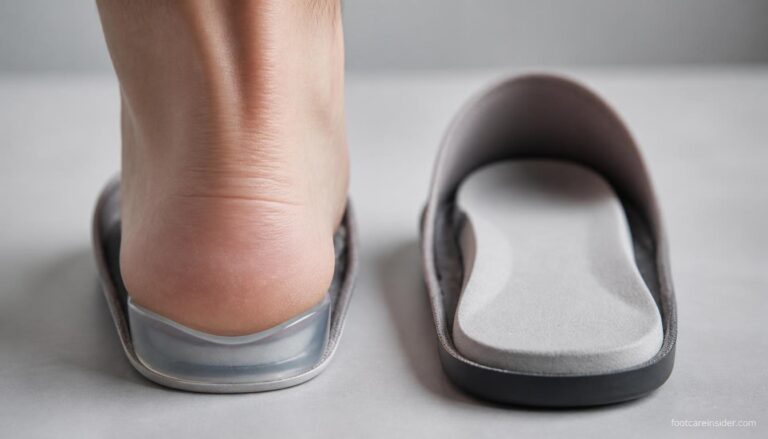
Think about heel security first. A slip-on does not give you the same lace adjustment as a sneaker, so the shape of the opening and the way the shoe sits on your foot become more important. You want the heel to feel reasonably controlled without having to grip the shoe with your toes while walking.
Next, consider the amount of standing versus walking in your shift. A nurse who spends long stretches beside patients may appreciate a more structured clog, while someone constantly moving between rooms may prefer a lighter slip-on that feels less substantial. The surface matters too. Hard hospital flooring can make cushioning noticeable after repeated hours on your feet.
The rocker sole found on some clogs is another design factor. Instead of having a completely flat bottom, the sole curves so the shoe can roll forward during the step. The Dansko Professional uses this traditional approach and therefore feels quite different from a soft molded clog.
Also think about the amount of room around your toes and forefoot. A shoe should not force the toes into a cramped position simply because it is easy to slide on. That becomes especially relevant later in a shift, when a shoe that felt acceptable in the morning may feel much less comfortable after hours of standing and walking.
For the broader nurse-footwear picture, Best Shoes for Nurses is the main guide to the overall work-shoe decision.
Clogs or slip-ons: which style makes more sense for nursing?
Clogs and slip-on shoes overlap, but they do not necessarily feel the same. A traditional clog can provide a more structured platform under the foot, while a lighter molded clog or soft slip-on may feel more casual and flexible. The Dansko Professional represents the structured end of this group, whereas Crocs models take a molded approach.
That difference matters when your shift changes pace throughout the day. Standing-heavy work may make a stable, structured platform appealing, while frequent walking may make you more aware of how securely the shoe stays attached to the foot. There is no universal winner because nurses use their footwear differently.
Easy cleaning and workplace practicality can matter too, but these are product-specific features. Do not assume that every slip-on is waterproof, machine washable, or slip-resistant. Check the current listing for the exact model and make sure it matches your employer’s requirements before ordering.
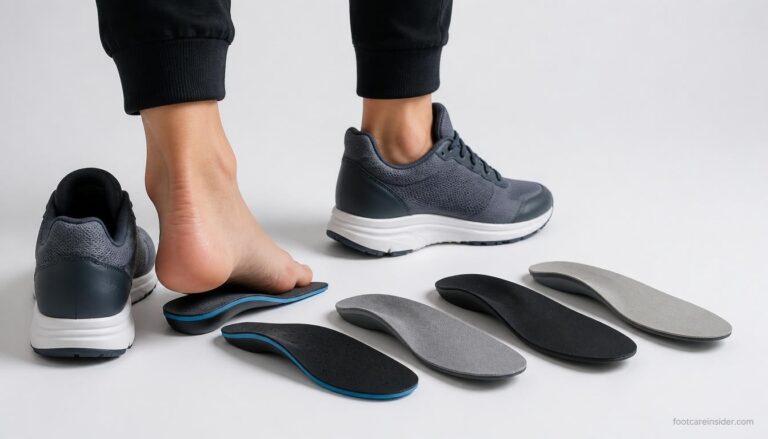
For nurses who already use an insole, remember that an insert can change the fit inside a slip-on just as it can inside a lace-up shoe. A shoe that feels comfortable without an insert may become too tight once additional material is added under the foot.
The important differences become clearer when each of these five slip-on and clog styles is considered against the realities of a full nursing shift.
If your workplace requires white footwear, Best White Shoes for Nurses focuses specifically on white options for nursing shifts.
Dansko Professional Clog: Structured nursing clog
The Dansko Professional Clog is a natural fit for nurses who prefer a substantial, structured shoe rather than a soft athletic sneaker. Its traditional clog design and rocker sole give it a distinctive underfoot feel. A rocker sole is curved through the bottom of the shoe to help the foot roll forward during the step, which can feel very different from a flat or highly flexible shoe. This makes it particularly relevant for nurses who spend long periods standing but still move between rooms throughout the day. It also suits people who already know they prefer the feel of a traditional healthcare clog and do not want to deal with laces during a busy shift.
Why it works:
- Structured clog construction provides a substantial underfoot feel.
- Rocker sole encourages a rolling motion through the step.
- Slip-on design makes it simple to put on and remove.
Keep in mind: The structured shape can feel very different from a sneaker, particularly if you are used to flexible athletic footwear.
Crocs On The Clock: Simple work clog
Crocs On The Clock is a straightforward choice for nurses who want the convenience of a clog without the more traditional look and feel of a structured nursing shoe. The slip-on format makes it quick to put on before a shift and easy to remove afterward. That can be useful when your workday already involves constant transitions and you want fewer things to adjust. It may suit nurses who prefer a simple molded work shoe and spend a mixture of time walking and standing. Compared with the Dansko Professional, the overall approach is more casual and uncomplicated, so the important question is whether that style feels secure enough for the way you move during a busy shift.
Why it works:
- Slip-on format makes footwear changes quick and simple.
- Clog design avoids traditional lace adjustment.
- Simple construction suits nurses who prefer uncomplicated work footwear.
Keep in mind: The clog format does not provide the same adjustable lace-up fit as a sneaker, so heel security should be checked carefully when trying the shoe.
Crocs Bistro Pro LiteRide Clog: Cushioned molded clog
The Crocs Bistro Pro LiteRide Clog is aimed at nurses who like the easy-on format of a clog but want a cushioned footbed rather than the more traditional structured feel of the Dansko Professional. The LiteRide name is associated with Crocs’ cushioning platform, giving this model a softer direction underfoot while keeping the simple molded-clog format. That can make sense for nurses who spend long stretches walking and standing but do not want a conventional lace-up sneaker. It is also an option for someone who values a straightforward work shoe that does not require much adjustment during a shift.
Why it works:
- LiteRide cushioning gives the clog a softer underfoot feel.
- Molded clog construction keeps the design simple.
- Slip-on format makes it convenient during a busy workday.
Keep in mind: The molded clog design feels different from a conventional sneaker, so nurses who want a firmly secured lace-up fit may prefer another style.
Pain Relief Slip-Ons (women’s): Easy-on comfort style
The Pain Relief Slip-Ons (women’s) are best considered by nurses who specifically want the convenience of an easy-on shoe rather than a traditional lace-up design. The slip-on format can be useful when your work routine includes frequent transitions and you do not want to spend time adjusting laces. Because the supplied product name emphasizes comfort and pain relief, it may appeal to women who are already dealing with tired feet after long periods of standing and walking. However, the name alone is not enough to establish a medical benefit, so think of this as a comfort-oriented footwear option rather than a treatment for foot pain.
Why it works:
- Slip-on construction provides quick, easy entry.
- Women’s-specific option keeps the choice focused on fit and sizing.
- Comfort-oriented design may appeal during long standing and walking periods.
Keep in mind: Check the current listing carefully for the exact support, cushioning, width, color, and workplace features rather than assuming them from the product name.
Men’s Supportive Pain Relief Slip-Ons: Men’s supportive slip-on
The Men’s Supportive Pain Relief Slip-Ons are the men’s counterpart in this group for nurses who want the convenience of slip-on footwear and prefer not to use a traditional lace-up shoe. That can be useful during a long workday when you want a simple entry system and do not want to stop to readjust the shoe. The product name also emphasizes support and comfort, which may appeal to nurses who experience tired feet after hours of standing and walking. As with any comfort-focused shoe, the actual fit matters more than the label: the heel should feel secure, the forefoot should have enough room, and the shoe should remain comfortable later in the shift.
Why it works:
- Slip-on design makes the shoe quick to put on and remove.
- Men’s-specific option provides a dedicated fit choice.
- Support-focused positioning may appeal to nurses seeking a more supportive slip-on.
Keep in mind: Confirm the current listing for the exact width, cushioning, support construction, color options, and workplace requirements before ordering.
When slip-on shoes may need extra foot support
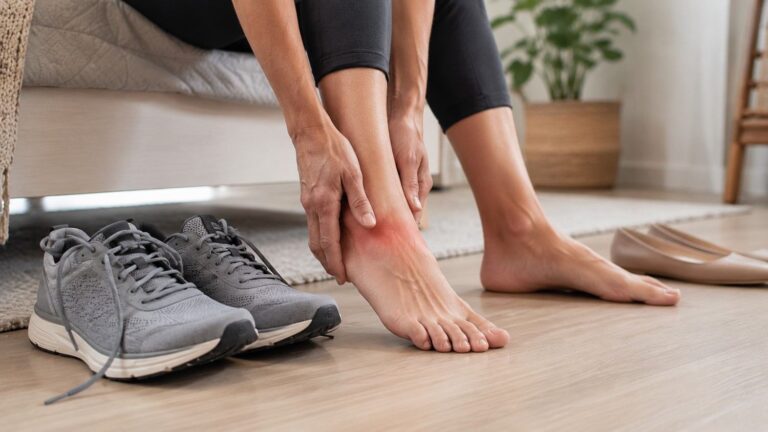
A convenient shoe is not automatically a supportive shoe for every foot. During a long shift, the way your heel sits in the shoe, the amount of room around the forefoot, and the support under the arch can all affect how comfortable the footwear feels. This becomes even more important if you already use an insole. Adding an insole takes up space inside the shoe and can make a slip-on feel tighter or change how securely it stays on your foot. If you have persistent or recurring foot pain, changing footwear alone is not a substitute for getting a professional opinion.
Frequently Asked Questions
Are slip-on shoes good for nurses?
They can be, especially for nurses who value convenience and prefer not to adjust laces throughout a shift. The important issue is whether the slip-on stays secure while you walk, turn, stop, and move around the workplace.
Are clogs better than slip-on sneakers for nursing?
Neither style is automatically better. Structured clogs may suit nurses who prefer a substantial, more traditional platform, while lighter slip-on shoes can appeal to people who want a simpler and less structured feel.
Are Crocs good for nursing shifts?
Crocs offer several clog-style options that may suit nurses who like easy-on footwear. The specific model matters, however, so check the current listing and your workplace requirements rather than assuming every Crocs work shoe has the same construction or features.
Do slip-on nursing shoes provide enough support?
Some do, but support varies substantially between designs. Look at how the shoe holds the heel, supports the arch, and provides enough structure for your normal walking pattern rather than judging support solely from the fact that the shoe is marketed as a slip-on.
Should nursing clogs have a rocker sole?
A rocker sole is a design preference rather than a requirement. It can change how the foot moves through the step, and some people like that rolling sensation while others prefer a flatter and more flexible shoe.
What should I check before buying slip-on nursing shoes?
Check your employer’s footwear rules first, then verify the exact size, width, color, outsole requirements, and any cleaning or material claims on the current product listing. A convenient shoe is only useful for work when its fit and workplace specifications also match your needs.
Final verdict
For nurses who prefer a structured traditional clog, the Dansko Professional is the clearest choice. Crocs On The Clock and the Bistro Pro LiteRide Clog offer simpler molded-clog approaches, with the Bistro adding the LiteRide cushioning platform. The women’s and men’s supportive slip-ons focus on convenience and an easy-on format. Start with the style that matches how much you walk, how long you stand, and how securely you want the shoe to hold your foot during a full shift.
More nurse shoe guides: slip-resistant shoes for nurses, shoes for male nurses and On Cloud shoes for nurses.