Heel Cups vs Full-Length Insoles
If you’ve ever stood in the insole aisle trying to decide between a small heel cup and a full-length insert, you’re not alone. Both promise better comfort, but they solve different problems — and picking the wrong one can leave you paying for support you don’t actually need, or missing support you do.
Heel cups focus on cushioning and stabilizing the heel itself, while full-length insoles are built to support the entire foot, from heel to toe, including the arch and forefoot. The right choice depends less on brand preference and more on where your discomfort actually starts and how much of your foot needs correction.
What a Heel Cup Is
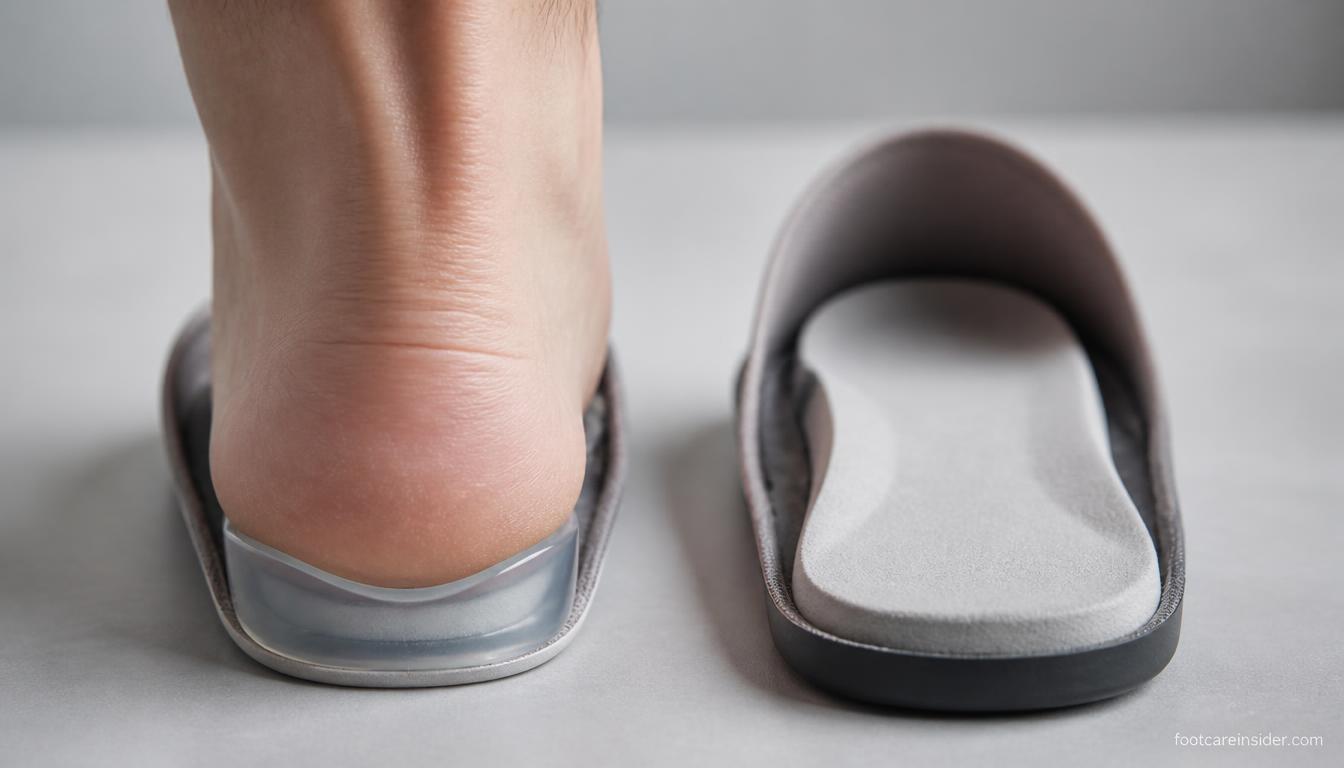
A heel cup is a small, cupped insert — usually made of gel, silicone, or dense foam — that sits under the heel inside your shoe. It doesn’t extend past the arch. Its main job is to cushion heel strikes and hold the natural fat pad under the heel in place, which helps absorb shock with every step. Heel cups are commonly used by people dealing with heel pain, bruising, or conditions like plantar fasciitis where the discomfort is concentrated at the back of the foot.
What a Full-Length Insole Is
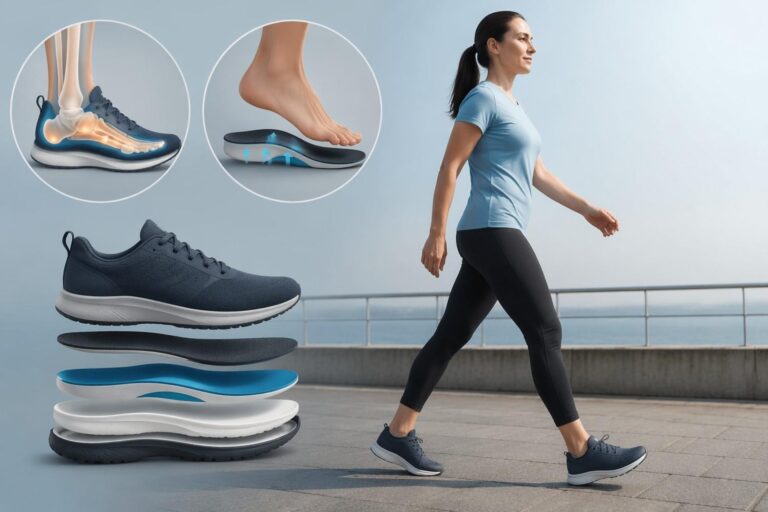
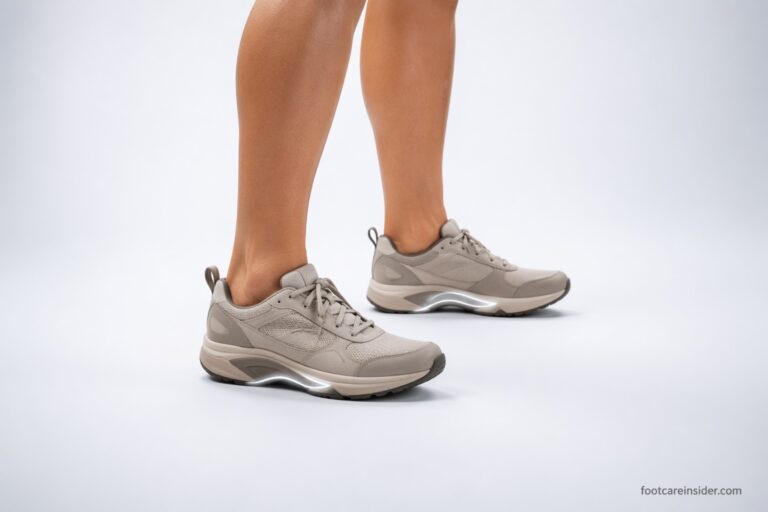
A full-length insole runs the entire length of the shoe, replacing or layering over the factory insert. It typically combines arch support with heel and forefoot cushioning in one continuous piece. Full-length insoles are designed for people who need support across multiple areas of the foot — not just the heel — such as those with flat feet, overpronation, or general fatigue from being on their feet for extended periods.
Structural Differences
The biggest structural difference is coverage. A heel cup is localized and reactive: it addresses one specific stress point. A full-length insole is comprehensive and preventive: it aims to correct how weight distributes across the whole foot during a stride. Because of this, heel cups tend to sit lower profile inside a shoe, while full-length insoles often require more room and can change how a shoe fits, especially in narrower footwear.
Under load, heel cups compress and rebound quickly since they’re handling a smaller area of impact. Full-length insoles behave more like a support system — the arch area resists collapsing inward, while the heel and forefoot zones handle their own separate pressure points.
Material and Functional Differences
Heel cups are usually made from gel or silicone for maximum shock absorption in a small space. Full-length insoles vary more widely — some use EVA foam for lightweight cushioning, others use memory foam for pressure relief, and firmer options use denser polyurethane for structural control. This is where the comparison often comes down to cushioning versus stability: readers weighing these two priorities often look into soft vs firm insoles when deciding how much give they actually want underfoot.
Real-Life Use Cases
For someone who stands at a register for eight hours but doesn’t have arch pain, a heel cup alone might be enough to ease heel fatigue. For someone who walks long distances or has flat feet, a full-length insole is generally more effective since it supports the arch and forefoot along with the heel. Athletes with heel-specific impact issues sometimes use heel cups inside their regular athletic insoles for added shock absorption, while people with overpronation typically need the structural guidance that only a full-length design provides — a distinction covered in more depth in best insoles for overpronation.
Cost and Value Differences
Heel cups are generally the cheaper option, often sold in pairs for a fraction of the price of a full insole. They’re also quick to replace since they wear down faster in a concentrated area. Full-length insoles cost more upfront but tend to last longer per dollar spent if you need broader support, since replacing one insole covers the whole foot rather than needing separate heel and arch products. Long-term value really depends on whether your discomfort is isolated to the heel or spread across the foot.
Pros and Cons Explained
Heel cups earn their appeal from simplicity. They’re inexpensive, easy to swap between shoes, and target heel pain directly without changing the overall fit of a shoe. The trade-off is that they offer no support beyond the heel — if your discomfort comes from arch collapse or forefoot pressure, a heel cup won’t touch it, since it simply isn’t built to reach that far.
Full-length insoles offer broader correction, which matters if fatigue or pain shows up in more than one area of the foot. The downside is fit: because they run the full length of the shoe, they can crowd narrow or low-volume footwear, and they generally cost more. They’re also not always necessary — someone with isolated heel pain may find a full insole is more support (and expense) than the problem actually calls for.
Who Should Choose a Heel Cup
This is for you if your pain is concentrated specifically in the heel — think bruising from hard flooring, mild plantar fasciitis symptoms, or general heel fatigue from standing. It also suits people who already like the fit of their current shoes or insoles and just want extra cushioning in one spot, rather than replacing the whole insert. Heel cups work well layered under a factory insole in dress shoes or boots, where a bulkier full-length option wouldn’t fit.
Who Should Choose a Full-Length Insole
This is for you if your feet ache in multiple places, or if you have a diagnosed condition like flat feet or overpronation that affects how your whole foot moves. It’s also the better fit for people who walk long distances regularly or spend most of the day on their feet in supportive footwear like work boots, where the extra room for a full insert already exists. If your discomfort isn’t isolated, treating only the heel while ignoring the arch and forefoot tends to leave the underlying issue unresolved.
Long-Term Comparison
Heel cups wear out faster because a small area absorbs all the impact, so replacement is more frequent but cheap. Full-length insoles distribute wear across a larger surface, which usually means slower breakdown of any single zone, though the whole piece eventually loses its cushioning and needs replacing at once rather than in parts. Comfort over time also depends on shoe type — heel cups hold up well in low-volume shoes, while full-length insoles tend to perform more consistently in roomier footwear like athletic or work shoes. For readers deciding based on how support holds up during long shifts, insoles for standing all day breaks this down further by activity level.
Micro Comparison Summary
Heel cups are better for isolated heel pain, low-profile fit, and lower cost. Full-length insoles are better for whole-foot support, flat feet or overpronation, and long walking or standing days that involve more than just heel fatigue.
FAQ
Can I use a heel cup and a full-length insole together?
Generally no — stacking them adds too much bulk and can throw off shoe fit, plus the heel cup’s benefit is often already built into a quality full-length insole’s heel zone.
Are heel cups enough for plantar fasciitis?
For mild cases where pain is heel-focused, a heel cup can help by cushioning impact and stabilizing the fat pad. More significant cases often need arch support too, which points toward a full-length option instead.
Do full-length insoles fit in all shoes?
Not always. Narrow dress shoes and some low-volume sneakers may not have room for a full-length insert without feeling cramped, which is where a heel cup becomes the more practical choice.
How often should I replace either option?
Heel cups typically need replacing every few months with regular use, since the impact zone is small and takes repeated compression. Full-length insoles usually last longer per unit, often six months to a year, depending on activity level and materials.
Which one is better for flat feet?
Full-length insoles are usually the better match for flat feet, since they can include arch support that a heel cup simply doesn’t provide.
Final Verdict
Neither option is universally better — it comes down to where your discomfort lives and how much of your foot needs support. If the issue is isolated to the heel and you want something inexpensive and easy to swap between shoes, a heel cup covers that need well. If discomfort spans the arch, forefoot, or is tied to a condition like overpronation, a full-length insole addresses the fuller picture. Matching the product to the actual problem area is what determines whether it helps.