Overpronation and Hip Alignment
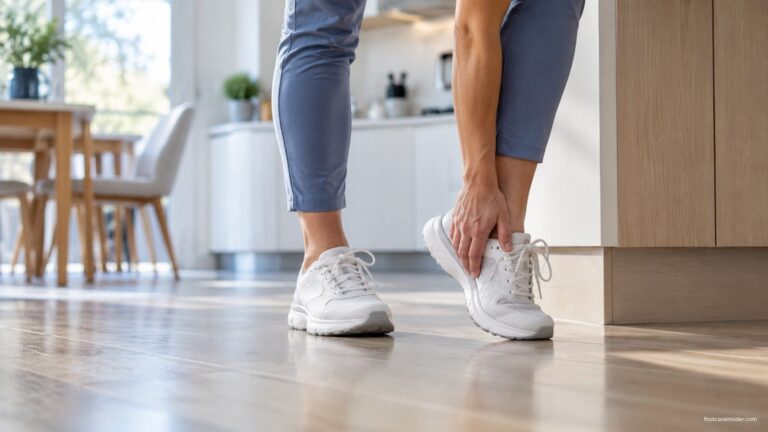
If you’ve been dealing with tired hips after walking, stiffness after standing all day, or discomfort that seems to travel upward from your feet, you may wonder whether overpronation is part of the picture. While the hips and feet are far apart, they work together every time you take a step. Changes in foot movement can influence how the legs move, which may affect hip alignment during walking.
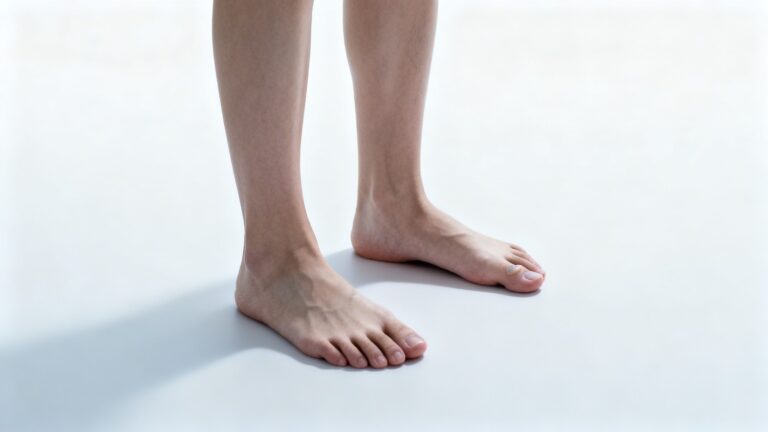
Overpronation occurs when the foot rolls inward more than is typically needed after it contacts the ground. This doesn’t automatically cause hip problems, but over thousands of daily steps, the body may make small adjustments to maintain balance. For some people, these repeated adaptations can contribute to muscle fatigue or altered movement patterns around the hips, particularly during prolonged walking or standing.
How Foot Movement Connects to the Hips
Your feet create the foundation for every step you take. As your heel strikes the ground, the foot naturally rolls inward to absorb impact before becoming more stable as you push forward.
With overpronation, that inward rolling movement may continue slightly farther or last longer than expected. As the foot and ankle rotate inward, the lower leg often follows. The knee and hip then make subtle adjustments to keep your body moving efficiently and maintain balance.
Our guide to insoles for overpronation shows which support types suit this foot pattern.
If flat arches are part of your story, can flat feet cause hip pain covers the arch side of the connection.
These changes are usually small rather than dramatic. Most people will not notice visible differences in hip alignment during everyday activities. Instead, the body quietly adapts to repeated movement, especially during long walks, work shifts, or other activities involving thousands of consecutive steps.
Readers looking for a broader understanding of excessive inward foot movement may find Causes of Overpronation helpful.
Why Hip Alignment May Gradually Change During Walking
Hip alignment is constantly changing throughout movement. Rather than staying perfectly still, the hips rotate, stabilize, and shift weight with every stride.
When overpronation causes additional inward rotation at the foot and ankle, the muscles surrounding the hips often help compensate to maintain smooth walking mechanics. For many people, these muscles perform this task without difficulty.
However, if the movement is repeated for several hours every day, the hip stabilizers may gradually become more fatigued. This doesn’t necessarily mean the hip joints themselves are moving incorrectly. More often, the muscles responsible for controlling hip position simply work harder over time.
The result may be a gradual feeling of tightness, reduced endurance, or mild muscular fatigue rather than immediate pain.
Factors That Can Increase the Effect
Overpronation alone rarely explains hip discomfort. Multiple factors usually work together.
Long periods of standing or walking on hard surfaces can increase the amount of repeated loading traveling through the legs. Shoes that have lost their support may allow greater inward foot motion, requiring additional effort from the muscles that stabilize the hips.
Individual anatomy also plays a role. Flexible feet, reduced hip strength, limited ankle mobility, previous lower-limb injuries, and sudden increases in walking distance may all influence how the body responds to repeated movement.
Occupation can also make a difference. Healthcare workers, retail employees, teachers, warehouse staff, and others who spend much of the day on their feet often experience greater cumulative loading than someone who sits for most of the workday.
Readers interested in how overpronation influences posture may also enjoy Can Overpronation Affect Posture?
Early Signs That the Hips Are Working Harder
Changes usually develop gradually rather than appearing overnight.
You may notice your hips feel tired after long walks even though they feel normal at the beginning of the day. Some people experience mild stiffness after sitting down following several hours of standing, while others simply feel that their legs become heavier toward the end of a work shift.
As repeated loading continues over weeks or months, fatigue may appear sooner during activity. Walking longer distances may require more frequent breaks, and prolonged standing may become less comfortable than it once was.
These symptoms do not necessarily confirm that overpronation is responsible, but they may suggest that your walking mechanics deserve closer attention as part of the overall picture.
When Hip Alignment Becomes More Concerning
Small changes in movement are common and usually represent the body’s normal way of adapting to different demands.
However, persistent discomfort that repeatedly affects the hips during everyday activities, discomfort that spreads into the knees or lower back, or symptoms that continue despite rest and appropriate footwear deserve further evaluation.
It’s also worth paying attention if one side consistently feels more fatigued than the other or if walking becomes increasingly uncomfortable over time without an obvious explanation.
Readers comparing different degrees of pronation may also find Mild vs Severe Overpronation useful.
Understanding how foot mechanics influence the entire lower body helps explain why seemingly minor changes at the feet can sometimes contribute to muscle fatigue higher up the kinetic chain. In many cases, identifying these patterns early allows practical adjustments before symptoms become more noticeable.
Supporting Healthy Hip Movement
If overpronation contributes to changes in hip alignment during walking, improving comfort often starts with reducing unnecessary stress rather than trying to completely change the way your feet move.
Wearing supportive shoes that match your walking habits can provide a more stable foundation throughout the day. Shoes that are excessively worn or have lost their structure may allow additional inward foot motion, increasing the amount of work required from the muscles that stabilize the hips.
Gradually increasing walking distance instead of making sudden changes in activity can also help the muscles adapt more comfortably. Taking short movement breaks during long periods of standing and avoiding remaining in one position for several hours at a time may further reduce accumulated fatigue.
Exercises that strengthen the hips, glutes, calves, and core may improve stability during walking and help the body manage repeated loading more efficiently.
Can Insoles Help Support Hip Alignment?
Supportive insoles may improve comfort for some people by helping provide a more stable base during walking. While they do not directly correct hip alignment, they may reduce excessive inward foot movement that contributes to changes in lower-limb mechanics.
The best choice depends on individual foot structure, footwear, activity level, and the amount of support required. Some people notice improved walking comfort with moderate support, while others may benefit from a more structured option recommended by a healthcare professional.
Insoles are generally most effective when combined with appropriate footwear, gradual activity progression, and healthy movement habits rather than being viewed as a standalone solution.
Readers comparing different support options may also find Insoles vs Supportive Shoes useful.
When Professional Assessment May Be Helpful
Occasional hip fatigue after an unusually active day is common. However, recurring discomfort that develops during routine walking or standing deserves further attention.
A podiatrist or physical therapist can evaluate how your feet, ankles, knees, hips, and pelvis work together throughout your walking pattern. This type of assessment considers the entire movement chain instead of focusing only on pronation.
Professional advice is particularly worthwhile if discomfort continues despite changing footwear, gradually modifying activity, or improving lower-body strength, or if symptoms are accompanied by significant pain, weakness, numbness, or reduced mobility.
Preventing Problems From Developing
Maintaining healthy movement habits is often more effective than waiting until discomfort becomes persistent.
Replacing worn walking shoes before they lose their support, staying physically active, strengthening the muscles that stabilize the hips and lower legs, and increasing activity levels gradually may all help reduce unnecessary strain over time.
Alternating between sitting, standing, and walking throughout the day may also prevent fatigue from building during long work shifts. Paying attention to early signs of tiredness allows small adjustments before muscle fatigue becomes more noticeable.
Common Questions
Can overpronation actually change hip alignment?
Overpronation can influence how the hips move during walking by affecting the movement of the feet, ankles, and knees. For most people, these are subtle movement adaptations rather than permanent structural changes.
Can overpronation cause hip pain?
It may contribute to hip discomfort in some individuals, particularly if repeated walking or standing places additional demand on the muscles that stabilize the hips. However, hip pain has many possible causes and should not automatically be attributed to overpronation.
Do supportive shoes help reduce hip fatigue?
Properly fitted supportive shoes may improve walking comfort by providing a more stable foundation, potentially reducing the workload placed on muscles throughout the lower body.
Are insoles enough to improve hip alignment?
Supportive insoles may help improve foot stability, but they are only one part of managing walking mechanics. They work best alongside suitable footwear, strengthening exercises, and healthy movement habits.
When should I seek professional advice?
If hip discomfort becomes persistent, worsens over time, limits everyday activities, or is accompanied by weakness, numbness, or significant pain, it is advisable to seek assessment from a qualified healthcare professional.
Conclusion
Overpronation and hip alignment are connected through the way the body manages movement during every step. While overpronation does not automatically lead to hip problems, repeated inward foot motion can increase the workload placed on muscles that help stabilize the hips during prolonged walking and standing. Understanding this relationship makes it easier to recognize early signs, support healthier movement, and know when professional guidance may be beneficial.