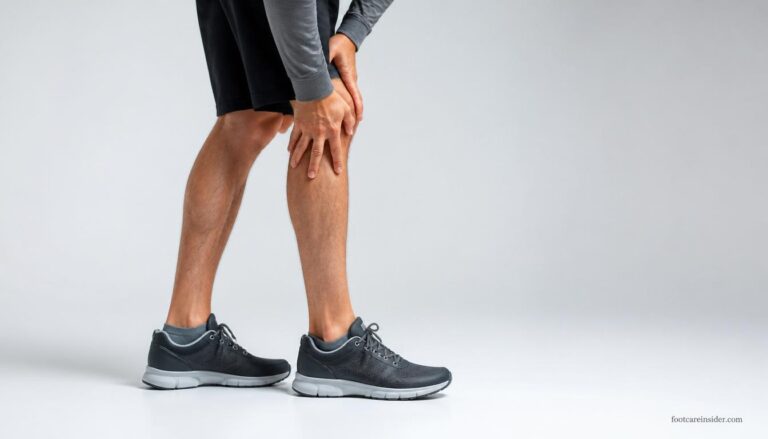
Can Flat Feet Cause Leg Tiredness?
If your legs feel unusually tired after standing for several hours or walking longer distances, your feet may be contributing more than you realize. People with flat feet often notice that their legs become fatigued sooner than expected, especially by the end of the day. While flat feet do not always cause discomfort, the way they affect walking mechanics can sometimes place extra demands on the muscles throughout the lower legs.
The feet provide the foundation for every step. When the arches are lower than usual, the muscles, tendons, and joints may need to work differently to keep you balanced and moving efficiently. Over time, these repeated adjustments can lead to tired, heavy, or achy legs, particularly during jobs or activities that involve prolonged standing or walking.
How Flat Feet Affect Everyday Movement
Flat feet occur when the arches of the feet are low or absent while standing. Some people are born with naturally flexible flat feet, while others develop flatter arches gradually with age, weight changes, injury, or tendon problems.
New to this topic? Start with our flat feet guide.
Having flat feet is not automatically a medical problem. Many people live active lives without pain or limitations. However, because the arches normally help absorb shock and distribute pressure, lower arches can change how forces travel through the feet and legs during walking.
Instead of efficiently transferring weight from heel to toe, the muscles around the feet, ankles, and calves may need to provide additional support. Over thousands of steps each day, this extra work can gradually contribute to muscle fatigue.
Readers wanting a deeper understanding of the condition may find What Causes Flat Feet helpful.
Why Leg Tiredness Can Develop
Walking is a continuous cycle of balance, stability, and forward movement. Every step requires coordinated work from the feet, calves, knees, thighs, and hips.
When the arches provide less natural support, the surrounding muscles often compensate by working harder to control foot movement and maintain stability. This increased workload may not be noticeable during short activities, but it can become more apparent after several hours on your feet.
Many people describe the sensation as heavy legs, aching calves, or general tiredness rather than sharp pain. The discomfort often appears gradually and improves after resting.
Walking on hard concrete floors, spending long work shifts standing, or covering long distances can increase the overall load on the lower limbs. Shoes that provide limited support or have worn cushioning may allow the muscles to work even harder throughout the day.
Factors That Increase Leg Fatigue
Not everyone with flat feet experiences tired legs. Several factors influence how much stress the muscles experience during everyday activities.
Long periods of standing are one of the most common triggers. Healthcare workers, retail employees, warehouse staff, teachers, and hospitality workers often spend hours on hard flooring with limited opportunities to sit down.
Body weight may also influence the amount of force passing through the feet during walking. Higher body weight increases the demands placed on the arches and supporting muscles, particularly during prolonged activity.
Poorly fitting footwear, worn-out midsoles, sudden increases in exercise, and reduced strength in the feet or lower legs may further contribute to fatigue. Previous ankle injuries or reduced flexibility in the calves can also affect how efficiently the body moves.
Readers interested in how foot mechanics influence muscle fatigue may also enjoy Why Overpronation Causes Leg Fatigue.
Early Signs Compared With More Persistent Symptoms
Leg tiredness related to flat feet usually develops gradually rather than appearing suddenly.
At first, you may simply notice your calves feel more tired after a shopping trip or a full day at work. Your feet may feel heavier toward the evening, even though they felt comfortable in the morning.
As the workload continues over weeks or months, fatigue may begin earlier in the day. Walking longer distances may become less comfortable, and recovery after physical activity may take longer than it once did.
Some people also notice occasional tightness in the calves, mild ankle soreness, or a general feeling that their legs have worked harder than expected despite performing normal daily activities.
These symptoms do not necessarily indicate a serious condition, but they suggest that your feet and walking mechanics deserve closer attention.
When It May Become More Than Normal Fatigue
Feeling tired after an unusually active day is completely normal. However, leg tiredness that consistently develops during routine daily activities should not simply be ignored.
If fatigue is accompanied by persistent foot pain, swelling, increasing ankle instability, or discomfort that spreads into the knees, hips, or lower back, it may indicate that the body is compensating for altered movement patterns.
Symptoms that continue despite adequate rest, supportive footwear, or reduced activity also deserve professional evaluation. Identifying contributing factors early may help prevent ongoing strain on the muscles and joints.
Readers comparing different foot structures may also find Flat Feet Fatigue useful.
Supporting Your Legs Throughout the Day
If flat feet contribute to leg tiredness, improving comfort usually starts with reducing the amount of stress placed on the feet during everyday activities rather than trying to change the shape of the arches.
Supportive footwear can provide a more stable foundation, especially during long periods of walking or standing. Shoes that have lost their cushioning or structural support may allow the feet to work harder, increasing fatigue in the calves and lower legs.
Taking short movement breaks during long work shifts can also help. Alternating between sitting and standing, stretching the calves periodically, and avoiding sudden increases in walking distance may reduce the amount of muscle fatigue that builds throughout the day.
Regular exercises that strengthen the feet, calves, hips, and core may improve overall walking efficiency and help the body better manage repeated loading.
Can Insoles Help Reduce Leg Tiredness?
Supportive insoles may improve comfort for some people with flat feet by providing additional arch support and helping distribute pressure more evenly across the foot.
While insoles do not permanently change foot structure, they may reduce the workload placed on certain muscles during prolonged standing or walking. Many people notice less end-of-day fatigue when supportive insoles are combined with appropriate footwear.
The ideal level of support varies from person to person. Foot shape, daily activity, body weight, and the type of shoes worn all influence which option feels most comfortable.
Readers comparing different support options may also find Insoles vs Supportive Shoes useful.
When Professional Advice Is Worth Considering
Occasional tired legs after an active day are usually nothing to worry about. However, if fatigue becomes a regular part of everyday life or begins limiting normal activities, a professional assessment may be beneficial.
A podiatrist or physical therapist can evaluate how your feet move during walking and determine whether flat feet are contributing to your symptoms. They may also assess ankle mobility, muscle strength, footwear, and overall walking mechanics to identify factors that increase fatigue.
Seek medical advice promptly if leg tiredness is accompanied by severe pain, swelling, numbness, weakness, or symptoms that develop suddenly without an obvious cause.
Preventing Leg Fatigue Over Time
Although flat feet cannot always be changed, many people successfully reduce everyday fatigue through simple lifestyle adjustments.
Replacing worn walking shoes before they lose their support, maintaining a healthy body weight, gradually increasing activity levels, and performing regular strengthening exercises may all improve long-term comfort.
If your job requires standing for several hours, changing position regularly and taking brief walking or stretching breaks may help reduce muscle fatigue before it builds throughout the day.
Common Questions
Can flat feet make your legs feel heavy?
Yes. Some people with flat feet experience heavy or tired legs because the muscles in the feet and lower legs may work harder to maintain stability during walking and standing.
Why do my calves get tired so quickly with flat feet?
Lower arches may change how forces move through the feet, causing the calf muscles and other supporting muscles to work more throughout the day. This can contribute to gradual fatigue, particularly during prolonged activity.
Do supportive shoes reduce leg tiredness?
Supportive shoes may improve comfort by providing better stability and cushioning. For many people, appropriate footwear reduces the amount of muscle effort required during everyday walking.
Are flat feet always responsible for tired legs?
No. Leg tiredness can have many possible causes, including prolonged standing, increased physical activity, muscle deconditioning, circulation problems, or other medical conditions. Flat feet are only one possible contributing factor.
When should I see a healthcare professional?
Consider seeking professional advice if leg fatigue becomes persistent, is associated with ongoing foot pain or swelling, affects your ability to walk normally, or does not improve despite supportive footwear and adequate rest.
Conclusion
Flat feet can contribute to leg tiredness by changing how the feet absorb force and support the body during walking and standing. While not everyone with flat feet experiences fatigue, repeated loading over the course of a busy day may place additional demands on the muscles of the feet and lower legs. Understanding these changes, choosing supportive footwear, and maintaining healthy movement habits can often improve everyday comfort and help reduce end-of-day leg fatigue.