Why Do My Feet Feel Worse With New Insoles?
You put new insoles into your favorite walking shoes expecting them to feel better, yet a few days later your feet seem more tired, sore, or pressured than before. The discomfort might show up under the heel, around the arch, across the forefoot, or simply as a general feeling that your shoes are suddenly “wrong.” This can be especially noticeable when you are walking more than usual, standing for several hours, or wearing the insoles throughout a full workday.
If your feet feel worse with new insoles, that does not automatically mean the insoles are bad. The shape, firmness, thickness, break-in period, and fit inside your shoes can all change how your feet experience each step.
New insoles can make your feet feel worse when they introduce more structure, pressure, or firmness than your feet are accustomed to, or when they do not fit the shoe and foot properly. Mild adjustment can happen, but persistent or increasing discomfort suggests that the insole, shoe fit, or support level may not be appropriate for you.
How long is too long? See when to stop wearing new insoles.
Why Can New Insoles Feel Uncomfortable at First?
A new insole changes the surface your foot has been standing and walking on. Even if the replacement feels comfortable in your hand, its shape may be noticeably different from the original liner inside your shoe.
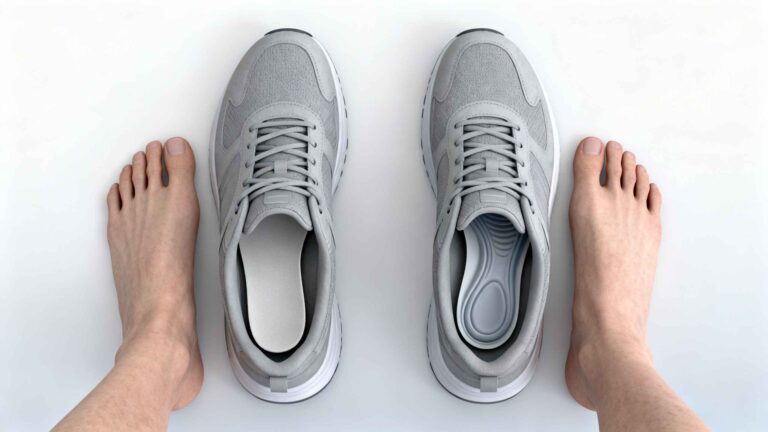
For example, a new insole may have a higher arch contour than your previous one. You may immediately notice pressure underneath the arch that was not there before. A firmer heel cup can also change how your heel sits inside the shoe, while thicker cushioning can reduce the amount of space available around your toes.
This does not necessarily mean something is wrong. Some people notice unfamiliar pressure when their feet encounter a different support shape, particularly during the first few uses. But discomfort should not simply be ignored because an insole is new.
The important distinction is between a temporary change in sensation and progressively worsening discomfort. If your feet feel increasingly sore every time you wear the insoles, the issue deserves closer attention.
How Insole Shape Can Change the Way Your Feet Feel
Your feet respond to more than softness. The shape of an insole influences where your foot contacts the shoe and how much support it receives during standing and walking.
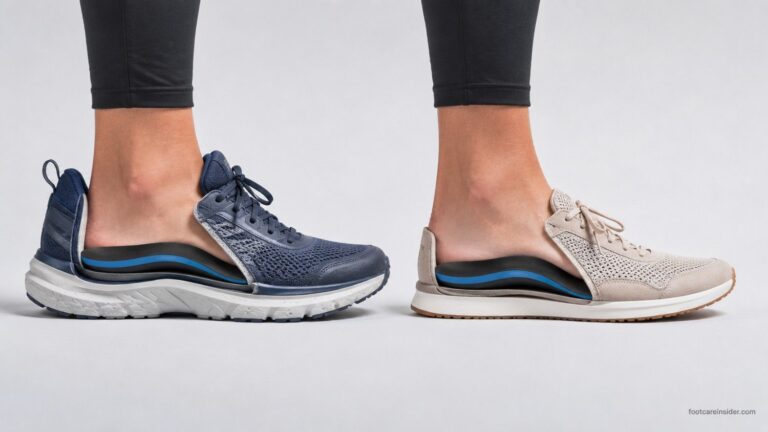
A contoured insole may support the arch more noticeably than a flat factory liner. A heel cup can provide a more defined position for the heel. Some designs also include additional cushioning beneath the heel or forefoot.
These changes can be useful when they match your foot and footwear, but too much structure can create a different experience. If the arch contour feels intrusive, for example, you may notice pressure that continues throughout a walk. If the insole is too thick, your foot may sit higher inside the shoe and the upper can feel tighter.
The same principle applies to firmness. A very soft insole may feel immediately comfortable, while a firmer support-oriented design can feel more noticeable. Neither is automatically better. The useful choice depends on what your feet need and what your shoes can accommodate.
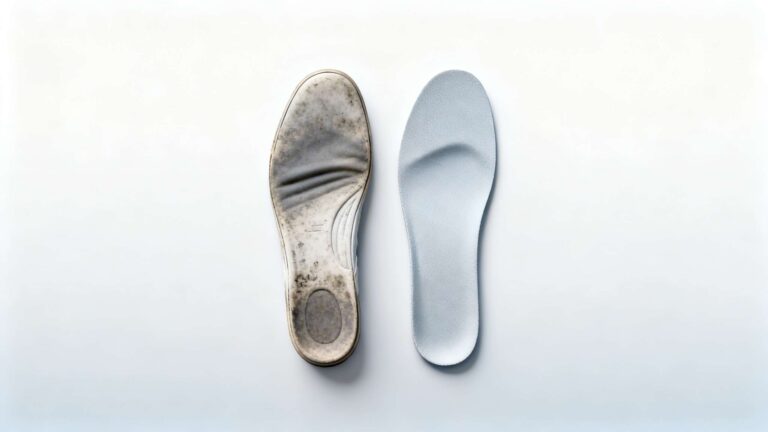
If your concern is specifically about support disappearing from an older pair, Do Insoles Lose Arch Support Over Time? explains how changes in an insole can affect its feel as it ages.
Could Your Shoes Be Causing the Problem?
Sometimes the new insole is not the main problem. The combination of the insole and shoe may be creating the discomfort.
Replacing a thin factory liner with a thicker aftermarket insole reduces the internal volume of the shoe. Your heel may sit slightly higher, the sides of the shoe may feel tighter, and there may be less room around the forefoot. These changes can become particularly noticeable in low-volume walking shoes, snug sneakers, work shoes, or footwear that already fits closely.
The original insole also affects the overall design of the shoe. Removing it and inserting a replacement with a different thickness or shape can alter how your foot sits on the midsole.
A practical test is to pay attention to where the discomfort appears. Pressure across the toes may point toward reduced shoe space. A strong sensation beneath the arch may relate to the new support contour. Heel rubbing or a feeling that your heel is lifting can indicate a change in internal height or heel positioning.
If you are unsure exactly where your discomfort starts, the Interactive Foot Pain Tool can help you identify the location before deciding whether the issue is related to footwear, load, or insole design.
What Makes Feet Feel Worse With a New Insole Over Time?
The progression of the discomfort can tell you more than the first few minutes of wear.
If your feet feel slightly different during the first short walk but settle afterward, the change may simply reflect unfamiliar support or cushioning. Gradually increasing wear time can be reasonable when the sensation remains mild and does not continue getting worse.
A different pattern is discomfort that becomes stronger with every walk. Your arch may become increasingly irritated, your heel may feel more pressured, or your forefoot may become tired sooner than it did with the original liner. That suggests the insole may be changing your foot position or pressure distribution in a way that does not suit you.
There is also the possibility that the insole is simply too soft. An initially plush material can compress considerably under repeated loading, changing how it feels later in the day. Conversely, a very firm design may remain structurally consistent but feel too rigid for someone who mainly wanted everyday cushioning.
For comparison, Why Do Insoles Feel Flat After a Few Months? looks at the opposite situation, where an insole gradually loses its original feel through repeated use.
When Is the Discomfort a Sign You Should Stop Using the Insoles?
Not every unfamiliar sensation means you need to stop immediately, but persistent or worsening discomfort deserves attention. An insole should not leave you progressively more uncomfortable after ordinary walking or standing.
Pay particular attention if the discomfort is becoming stronger rather than settling, if it changes the way you walk, or if you develop significant pain in a specific area of the foot. Also reconsider the setup if the new insole makes your shoes noticeably tighter or changes your heel position.
The goal is not to force your feet to adapt to the most supportive insole possible. A useful insole should work with your foot, shoe, and normal daily activity. If the combination consistently feels worse, changing the thickness, firmness, support level, or overall fit may be more sensible than simply wearing it longer. Persistent or worsening pain should be assessed by a qualified healthcare professional.
What Should You Do If New Insoles Make Your Feet Feel Worse?
Start by reducing the amount of time you wear the new insoles rather than immediately committing to full-day use. Try them during a short walk and pay attention to whether the unfamiliar sensation settles or becomes more noticeable.
Check the basic fit at the same time. Make sure the insole sits flat, does not curl at the edges, and is not taking away too much space from your toes. If the shoe feels tighter than before, a thinner insole may be a better fit than simply choosing a softer one.
If the discomfort continues, compare the new insole with your original liner. The difference in arch height, firmness, thickness, or heel shape can often reveal why your feet are reacting differently.
Give Your Feet Time to Adjust, But Do Not Ignore Persistent Pain
A new support shape can feel different during the first few wears, particularly if you have moved from a relatively flat factory liner to a more contoured design. Shorter periods of use can help you determine whether the sensation is becoming more comfortable.
However, there is no requirement to “push through” significant pain. Increasing discomfort, sharp pain, altered walking, or symptoms that remain after removing the shoes are reasons to stop and reassess the setup.
A useful adjustment period should move in the right direction. The insole may feel unfamiliar at first, but ordinary walking should not become progressively more painful simply because you are trying to make your feet adapt.
Check the Insole, Shoe, and Activity Together
Think about the complete combination rather than judging the insole by itself. A supportive insole inside a roomy walking shoe can feel very different from the same type of insole inside a tight sneaker.
Your daily activity matters too. An insole that feels fine during a 20-minute walk may become uncomfortable during an eight-hour shift involving repeated standing and walking. Likewise, someone who mostly sits and takes occasional walks may not need the same level of structure as someone covering several miles every day.
If discomfort appears only during a particular activity, surface, or footwear combination, that pattern can help identify what needs changing.
When Should You Consider a Different Type of Insole?
If your feet consistently feel worse, reconsider the amount of structure rather than assuming you simply need a stronger insole.
Someone who mainly wanted softer underfoot comfort may be better suited to moderate cushioning than a firm orthotic-style design. Someone with noticeable arch fatigue may prefer more structured support, provided the arch contour does not create uncomfortable pressure.
Shoe space is another important factor. A low-volume shoe may require a thinner insole, while a roomier walking shoe can accommodate more cushioning and structure.
The useful comparison is not “more support versus less support.” It is whether the support, cushioning, and shape match your actual feet, shoes, and daily load.
When Is It Time to Get Professional Advice?
Consider professional assessment if discomfort is persistent, worsening, significant, or changing the way you walk. This is particularly important when pain remains even after removing the shoes or when symptoms are not explained simply by the new insole’s fit.
A healthcare professional can help determine whether the problem is related to footwear and support or whether another issue needs attention. Insoles can influence comfort and pressure distribution, but they are not a substitute for evaluating persistent foot pain.
Common Questions
How long does it take to get used to new insoles?
Some people notice a different sensation immediately because the new insole changes the shape and firmness under the foot. Shorter wear periods can help you judge whether the sensation is settling, but significant or worsening pain should not be treated as a normal adjustment period.
Should I stop wearing insoles if my arches hurt?
If the arch discomfort is mild and improving with shorter wear, reassessing the fit and gradually increasing use may be reasonable. If the pressure is strong, persistent, or getting worse, the insole’s arch height or firmness may not suit you.
Can the wrong shoe make a good insole feel bad?
Yes. A thick or highly structured insole can reduce the internal space of a shoe, particularly around the forefoot. A better-fitting shoe or lower-volume insole may make more difference than changing to an even more supportive design.
Is it normal for new insoles to make my feet tired?
A different support shape can make your feet feel unfamiliar or slightly different at first. Persistent fatigue that becomes stronger with each walk, however, suggests that the insole, footwear, or activity combination should be reassessed.
Should I use the original shoe insole instead?
Not necessarily. The original liner may be perfectly adequate, or it may lack the cushioning or support you were looking for. Compare how both options feel during your normal activity and consider fit, pressure, and comfort rather than assuming the replacement is automatically better.
The Right Insole Should Feel Helpful, Not Like Something You Have to Endure
New insoles can feel different because they change the support, cushioning, and available space inside your shoes. Mild unfamiliarity may settle with shorter wear periods, but worsening pain is a different signal. If your feet consistently feel worse, reassess the insole’s firmness, arch shape, thickness, and shoe fit rather than forcing an adjustment.