Why Arch Support Feels Different in Each Shoe
If you’ve ever moved the same insole from one pair of shoes to another and thought, “Why does this suddenly feel too high, too firm, or just plain wrong?”—you’re not imagining it. Arch support can feel very different from shoe to shoe, even when the insole itself hasn’t changed. That difference usually comes down to shoe shape, depth, heel height, midsole firmness, and how your foot sits inside the shoe.
This matters because a support insert that feels comfortable in one sneaker can feel awkward in a walking shoe, unstable in a work shoe, or overly aggressive in a casual pair. Understanding why that happens can help you avoid wasted money, end-of-day foot fatigue, and the trial-and-error cycle that often comes with insoles. For readers already trying to understand how footwear changes support, Why Arch Support Feels Different in Each Shoe is really a question about shoe structure, foot position, and pressure distribution—not just the insole itself.
The same arch support does not sit the same way in every shoe
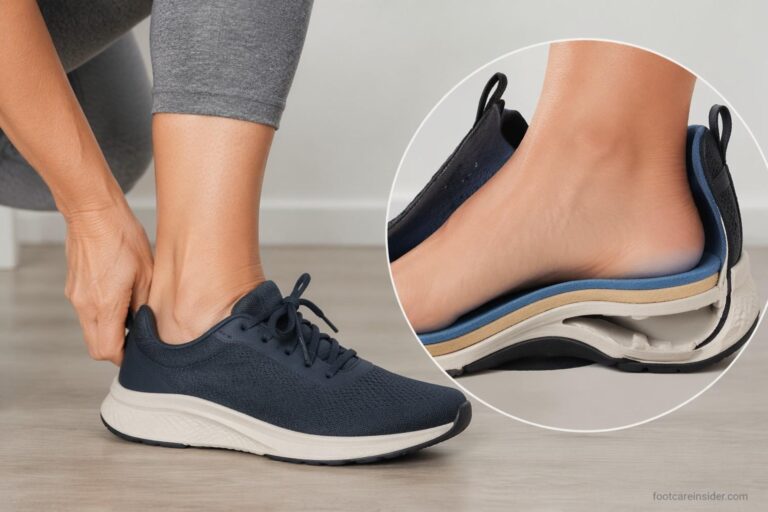
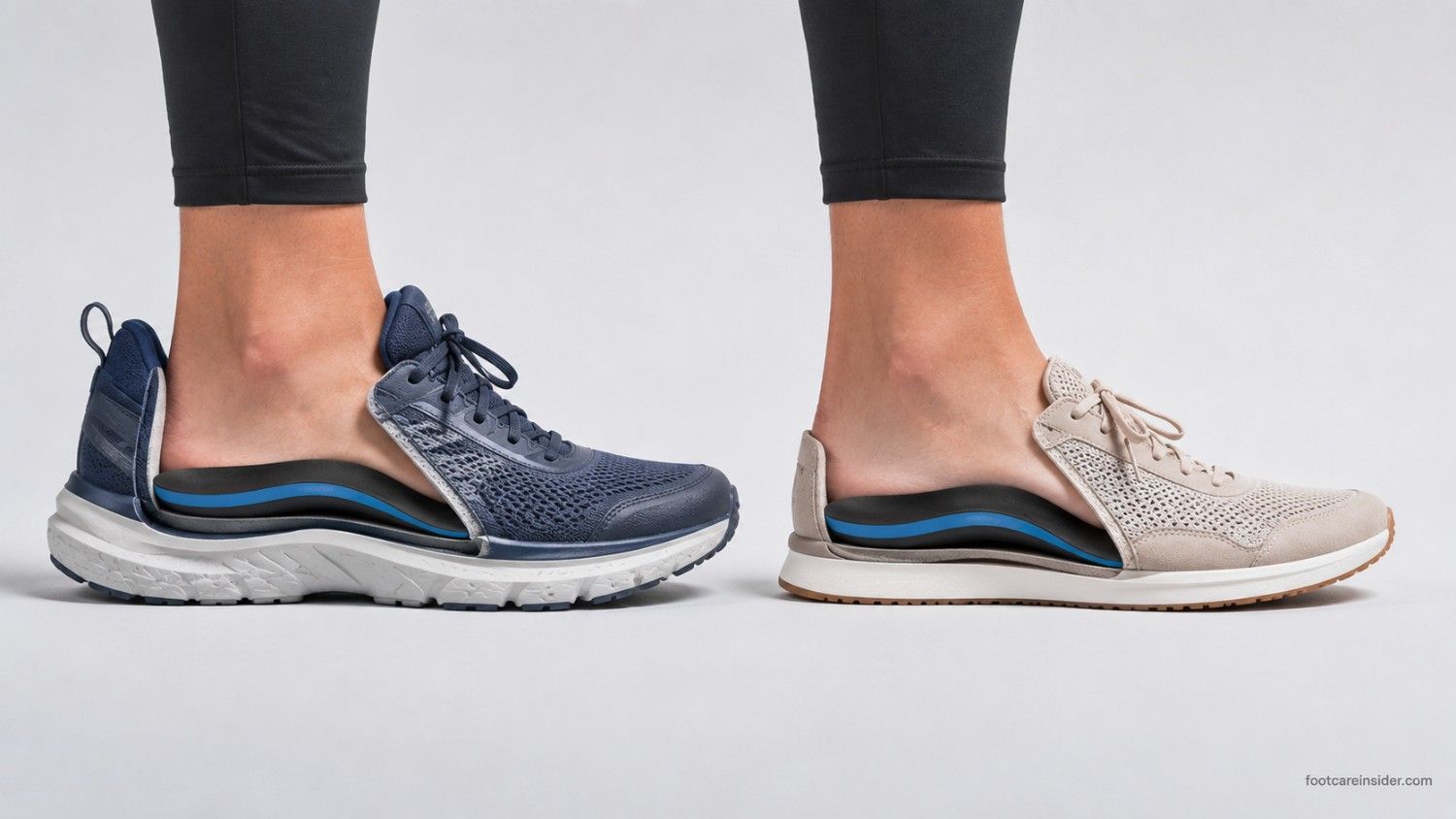
Arch support is not a standalone object floating under your foot. It works inside a shoe system. That system includes the shape of the shoe’s footbed, the firmness of the midsole, the amount of toe spring, the height of the heel, and even how tightly the upper holds your foot in place.
So even if you move the exact same insert from one pair to another, your foot may sit at a slightly different angle or height. That small shift changes where the arch support contacts your foot and how strong it feels under load.
A good example is moving an insole from a roomy walking shoe into a narrow lifestyle sneaker. In the walking shoe, your heel may sit deeper and more centered over the support. In the sneaker, the insert may lift your foot higher, change how the arch meets your midfoot, and create pressure in a spot that didn’t bother you before.
People trying to sort out whether the problem is the shoe or the insert often end up comparing support feel across categories like Arch Support vs Shock Absorption.
Shoe depth changes how high the support feels
One of the biggest reasons arch support feels different is shoe depth. Some shoes are simply deeper inside than others. A deep shoe allows the foot to sit farther down into the shoe around the insole. A shallow shoe pushes the foot higher up.
That changes more than just fit. It changes how prominent the support feels under the arch.
In a deeper shoe, the insole may feel more integrated and stable. In a shallow shoe, the exact same support can feel taller, firmer, or more intrusive because your foot is sitting closer to the top of it rather than around it. This can also affect heel lockdown, toe box pressure, and how stable you feel when walking.
This is one reason people sometimes say an insert “suddenly became uncomfortable” after switching shoes, when the insert itself hasn’t changed at all.
Midsole firmness can make support feel softer or harsher
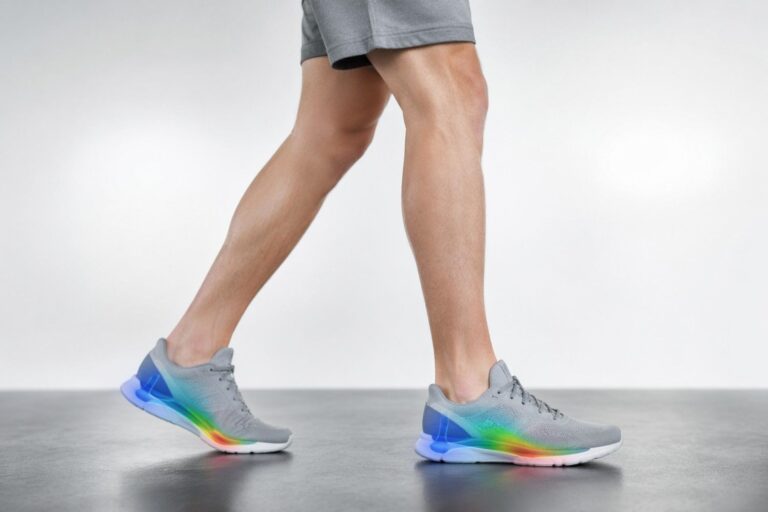
Arch support doesn’t work in isolation from the cushioning underneath it. The shoe’s midsole plays a major role in how support is perceived.
If you place a supportive insole inside a shoe with a soft, forgiving midsole, the overall feel may be more cushioned and less aggressive. Put that same insole into a firm shoe with a dense midsole, and the support may feel much more noticeable because there’s less give under the foot.
That difference becomes more obvious during long periods of standing or walking. On a hard workday floor, a firm shoe plus a firm insert can feel very different by hour six than it did when you first put it on in the morning.
For people who stand for long hours, this is often part of the same conversation as choosing Best Insoles for Standing All Day, because standing load changes how support is felt over time.
Heel height and shoe angle change where pressure lands
Not all shoes place your foot at the same angle. A walking shoe, running shoe, work shoe, and casual sneaker can all position the heel and forefoot differently. Even a small change in heel-to-toe drop can alter where pressure lands along the arch.
If the heel sits slightly higher, the contact point between your arch and the support may shift. That can make the arch feel as though it starts too early, sits too far back, or presses in a spot that feels unfamiliar. Sometimes that’s only mildly noticeable at first, but after a long day it can show up as arch fatigue, calf tightness, or a feeling that your foot never fully settled into the shoe.
This is also why people who are sensitive to support changes sometimes notice symptoms farther up the chain. If the shoe changes how the foot is positioned, it can influence ankle motion and calf loading too. Readers dealing with that overlap often find Can Arch Support Cause Calf Pain? useful because the issue is not always the support itself, but how the whole shoe-support combination changes movement.
Shoe shape affects where the arch actually contacts your foot
Two shoes can be the same size and still feel completely different with the same insert because the internal shape is different. Some shoes are straighter through the midfoot, while others curve inward more. Some have a flatter footbed, while others have a more sculpted base even before you add an insole.
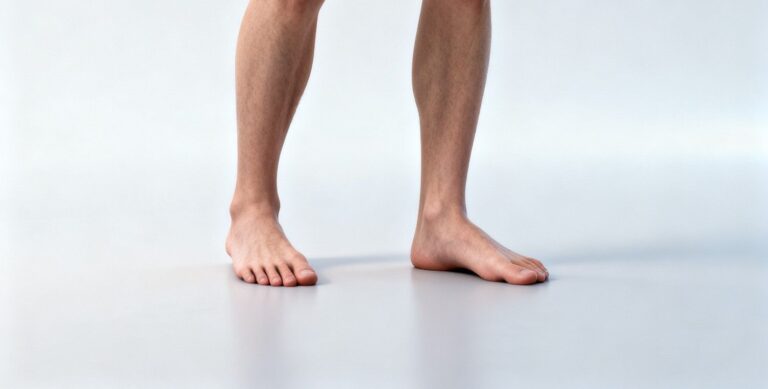
That matters because the arch support only feels “right” when it lines up with your actual arch. If the shoe shifts your foot forward, backward, or slightly inward, the support may hit too far in front of your natural arch or press into the wrong part of the midfoot.
This is where people sometimes describe support as “lumpy,” “too high,” or “in the wrong spot,” even though the insert worked fine elsewhere. The problem may not be that the support is objectively too much. It may be that the shoe is changing where your foot sits relative to it.
Early signs that the shoe and support combination is off
A mismatch doesn’t always show up as sharp pain right away. Often it starts with smaller signs that build over time. If the pressure sits right under the arch, also read signs your arch support is too high.
You may notice:
- arch pressure that feels fine for 10 minutes but annoying after an hour
- heel slippage after adding an insole
- toes feeling cramped because the foot is sitting higher in the shoe
- one shoe feeling “perfect” while another feels oddly unstable with the same insert
- calf or midfoot fatigue that appears later in the day rather than immediately
Those early signs matter because they usually tell you the support isn’t interacting well with the shoe, even if the insole itself is not wrong for your foot.
When it becomes more than a comfort issue
If the mismatch is minor, you might only notice occasional discomfort. But if you keep using a shoe-and-insole combination that changes your gait or creates constant pressure, it can become more than a small annoyance.
Persistent arch soreness, forefoot pressure, calf tightness, and end-of-day fatigue can all build when the foot is not sitting well inside the shoe. This is especially true if you rotate the same insert through several different shoes without considering shape, depth, or firmness differences.
In many cases, the goal isn’t to find one magical insert that works in every shoe. It’s to understand that support is part of a system. Once you start looking at the shoe and the insole together rather than separately, the “why does this feel so different?” question usually becomes much easier to answer.
What you can do when arch support feels wrong in one pair but fine in another
The first step is to stop assuming the insole itself is automatically the problem. If the same support feels comfortable in one shoe and awkward in another, the better question is usually: what changed about the shoe environment? If it is a new insole, a gradual wear-in also helps; see how long arch support takes to feel normal.
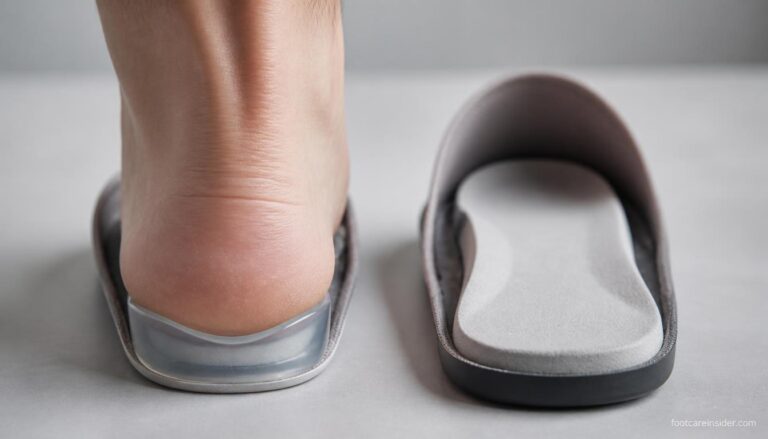
Start by looking at depth. If one pair feels tighter across the top of the foot, crowds your toes, or makes your heel sit higher than usual, the insole may be lifting your foot too much inside that shoe. In that case, switching to a thinner insert or removing the factory liner can sometimes improve the fit.
Next, look at firmness. A supportive insert inside a very firm shoe can feel much more aggressive than it does inside a softer walking shoe. If that’s what you’re noticing, the answer may not be “less arch support.” It may simply be that you need more underfoot cushioning in that specific pair.
Lacing also matters more than people expect. If the shoe is loose through the midfoot, your foot can slide or shift on top of the support, which makes the arch feel oddly placed even when the insert itself is fine. A better lockdown through the midfoot often improves comfort without changing the insole at all.
For people rotating insoles between multiple shoes, it’s also worth asking whether one insert is trying to do too many jobs. A work shoe, walking shoe, and casual sneaker do not always need the exact same support setup. Sometimes a slightly slimmer insert for one pair and a more structured one for another is the more comfortable long-term solution.
Insoles still help, but they have to match the shoe as well as the foot
This is the part that often gets missed. People shop for insoles based on foot pain, arch height, or pronation pattern, which makes sense—but the shoe still decides how that support will actually feel.
A well-matched insert can absolutely improve comfort, reduce fatigue, and make standing or walking easier. But even a good insole can feel wrong if the shoe is too shallow, too stiff, too narrow through the midfoot, or shaped in a way that shifts where the arch contacts your foot.
That’s one reason some readers who are dealing with standing fatigue end up comparing footwear and insert combinations rather than looking at the insert alone. If you spend long hours on hard surfaces, Best Insoles for Standing All Day can be useful because it looks at support in the context of prolonged standing rather than just arch shape.
When it may be worth getting professional advice
A different feel from one shoe to another is common. Persistent pain is not something to brush off.
If arch support feels uncomfortable in nearly every pair of shoes, or if changing shoes consistently triggers heel pain, calf tightness, numbness, forefoot pressure, or worsening arch soreness, it may be worth seeing a podiatrist, sports medicine clinician, or physical therapist. That’s especially true if symptoms are affecting how you walk or if discomfort starts earlier and earlier during the day.
It can also help to get guidance if you have a known foot condition, a significant difference between your left and right foot, or a history of ankle instability. In those cases, the issue may be less about “finding the right insert” and more about understanding how your feet move under load.
How to prevent support mismatch when buying new shoes
The easiest way to prevent this problem is to stop evaluating shoes and insoles as separate purchases.
If you already use arch support comfortably, bring that insert with you when trying on new shoes. That gives you a much better sense of depth, heel fit, and where the support will actually contact your arch.
A few other habits help too:
- Try shoes on later in the day, when your feet are slightly more fatigued and swollen.
- Walk in them long enough to notice whether the support feels centered or intrusive.
- Check whether the toe box still feels comfortable once the insert is inside.
- Compare the feel of the same insole in at least two different shoe styles before deciding the insert is wrong.
- Don’t assume a firmer shoe automatically means “better support.” Sometimes it simply changes how strongly you feel the insert.
If you’re frequently switching between shoes for work, errands, and exercise, it may also help to think in terms of roles. One shoe may work best with a structured insert for standing, while another feels better with a lower-profile option for casual daily wear.
A quick way to think about it
Arch support doesn’t really feel “different in each shoe” because the insert changes. It feels different because the shoe changes the position of your foot, the angle of your stride, and the way pressure moves through the arch.
In practical terms:
- deeper shoes usually make support feel more integrated
- shallow shoes often make support feel more prominent
- firmer shoes make support feel stronger
- softer shoes can make the same insert feel more forgiving
- different heel heights and shapes can shift where the arch contacts your foot
That’s why the same support can feel perfect in one pair and strange in another.
Common Questions
Why does the same arch support feel too high in one shoe but not another?
Usually because the shoes do not place your foot in the same position. Differences in depth, heel height, midsole firmness, and internal shape can all change where the support contacts your arch. The insert hasn’t changed, but the shoe has changed the environment around it.
Can I use the same insole in all my shoes?
Sometimes, but not always comfortably. If your shoes are very similar in shape and depth, one insert may work well across several pairs. But if you rotate between work shoes, walking shoes, and casual sneakers, you may find that one insole feels supportive in one pair and awkward in another.
Does a shoe’s original insole affect how arch support feels?
Yes. Factory liners can change depth, foot position, and how stable the replacement insert feels. In some shoes, removing the original liner creates a much better fit for a supportive insole, while in others it makes little difference.
Why do my calves feel tighter in some shoes with arch support?
A change in shoe angle, heel height, or support position can slightly change how your lower leg works during walking. That does not always mean the support is wrong, but it can mean the combination of shoe and insert is changing your gait enough for your calves to notice it.
Should I size up if arch support makes my shoes feel tight?
Not necessarily. Sometimes the issue is shoe depth rather than overall length. Before sizing up, it’s often worth checking whether the insert is too thick for that shoe, whether the factory liner can be removed, or whether a slimmer support option would fit the shoe better.
Conclusion
If arch support feels different in each shoe, the problem usually isn’t your imagination and it isn’t always the insole itself. Shoes vary in depth, shape, firmness, heel height, and internal volume, and all of those factors influence how support feels under your foot.
That’s why one pair can feel stable and comfortable while another makes the same insert feel too high, too firm, or oddly placed. Once you start thinking of arch support as part of a shoe-and-foot system rather than a standalone product, the differences make a lot more sense—and it becomes much easier to choose shoes and insoles that actually work together.