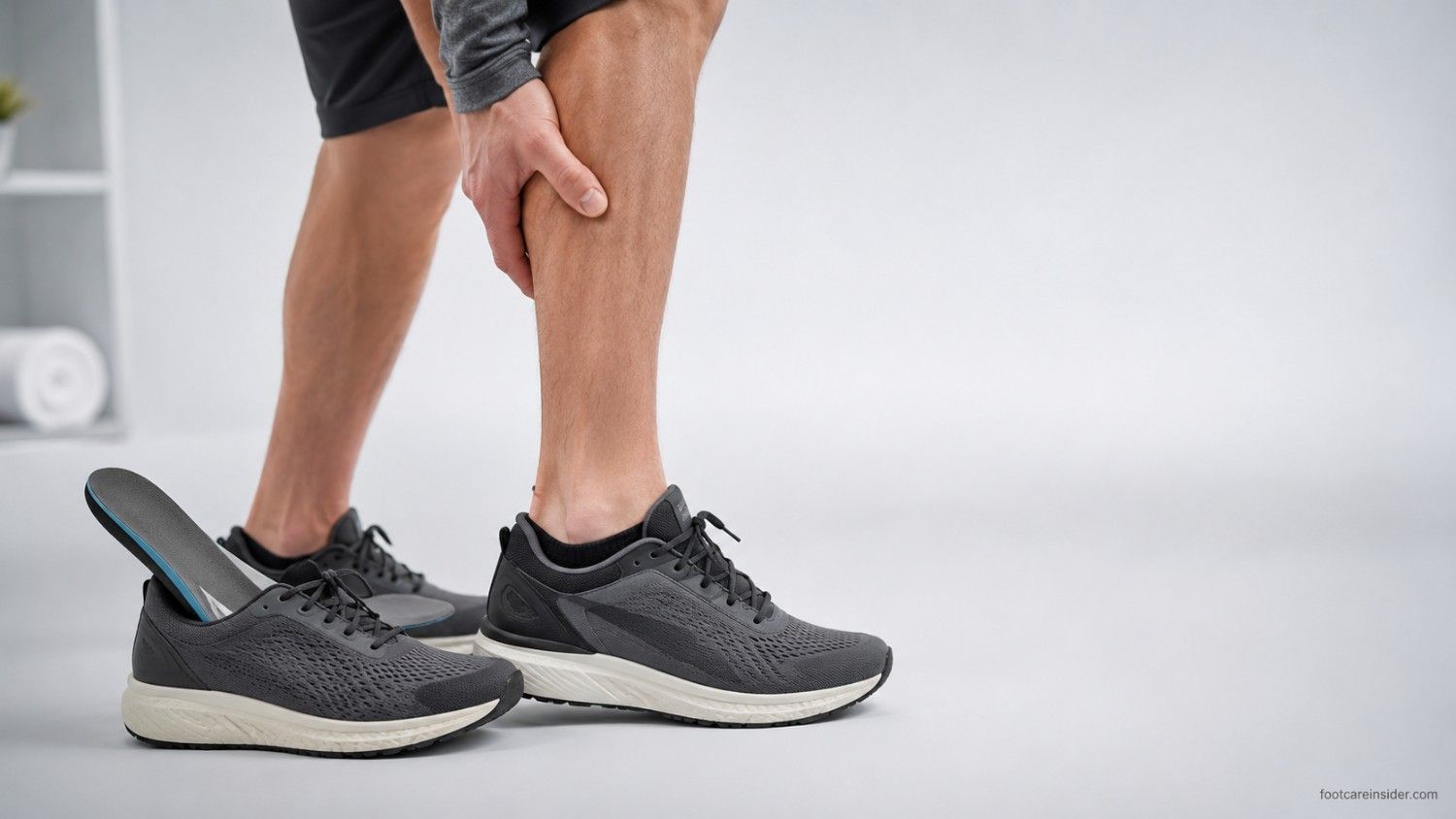
Can Arch Support Cause Calf Pain?
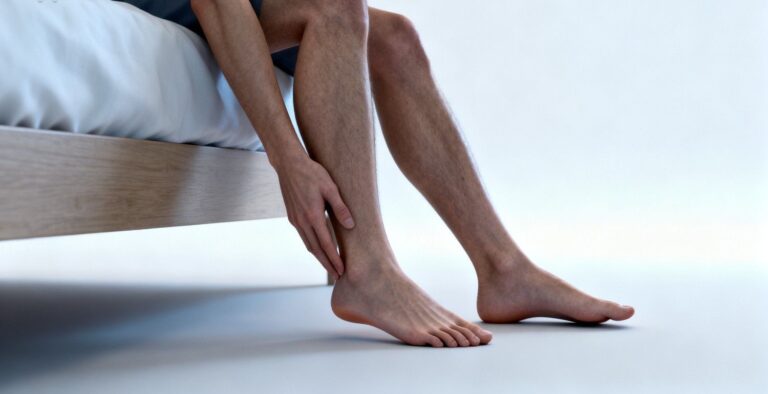
If you’ve recently started wearing arch support insoles or supportive shoes and noticed your calves feel tight, sore, or unusually fatigued, you’re not alone. Many people assume the arch support is causing harm, but the explanation is often more complex. In many cases, the discomfort is temporary and reflects how your muscles are adapting to a different walking pattern. In others, the support may not match your foot shape or biomechanics.
This guide explains whether arch support can cause calf pain, why it happens, who is most likely to experience it, and how to tell the difference between a normal adjustment period and a sign that something isn’t right.
People experiencing discomfort after switching insoles often benefit from understanding Signs Your Arch Support Is Too High before assuming their new insoles are unsuitable.
How Arch Support Changes the Way You Walk
Arch support is designed to help the foot maintain a more stable position during standing and walking. By supporting the arch, it can reduce excessive foot motion, improve pressure distribution, and encourage better alignment throughout the lower body.
These changes don’t only affect the foot.
Your ankles, calves, knees, hips, and even your posture all work together during every step. When foot mechanics change, the muscles higher up the kinetic chain must also adapt.
For someone who has walked with limited support for years, adding structured arch support can alter how the calf muscles contract and relax during walking. This adjustment may temporarily increase muscle activity until the body becomes accustomed to the new movement pattern.
Why Calf Pain Can Occur
Calf discomfort after using arch support doesn’t necessarily mean the support is harmful.
Several factors can contribute.
Your Muscles Are Adjusting
One of the most common reasons is simple adaptation.
If your feet previously collapsed inward or lacked adequate support, your calves may have compensated for that instability over many years. Once proper support is introduced, those muscles begin working differently.
Similar to starting a new exercise routine, mild muscle soreness can develop while your body adapts.
The Arch Support Is Too Aggressive
Not every arch support matches every foot.
If the arch contour is significantly higher than your natural arch, it may alter your gait more than necessary. This can place additional stress on the calves, Achilles tendon, or surrounding muscles.
Readers comparing different support levels may also find Arch Support vs Cushioning helpful when deciding whether structure or comfort is the better priority.
Footwear Changes
Sometimes the issue isn’t the insole alone. See why arch support feels different in each shoe for how shoe shape changes the feel.
Switching to new shoes with different heel heights, sole stiffness, or cushioning at the same time as adding arch support can change walking mechanics enough to contribute to temporary calf tightness.
Who Is More Likely to Experience Calf Pain?
Certain people are more likely to notice calf discomfort after introducing arch support.
These include:
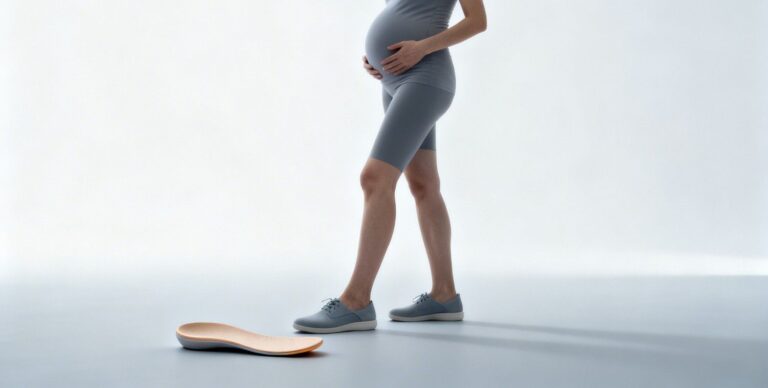
- People with flat feet who are wearing supportive insoles for the first time.
- Individuals who spend many hours standing at work.
- Those returning to walking or exercise after a long break.
- People transitioning from soft, unsupportive footwear to structured shoes.
- Individuals with naturally tight calf muscles or reduced ankle flexibility.
Someone who walks only occasionally may notice little change, while a warehouse employee standing on concrete for ten hours each day may experience a much greater adjustment.
Early Signs Versus Problems That Need Attention
Most mild adjustment symptoms improve within the first few days or weeks as the muscles adapt.
Typical early signs include:
- Mild calf tightness.
- Muscle fatigue after long walks.
- Slight soreness following a work shift.
- Temporary stiffness that improves with gentle movement.
These symptoms generally become less noticeable as your body adapts.
However, persistent pain deserves closer attention.
Pain that continues to worsen, limits walking, causes swelling, or remains severe after several weeks may indicate that the arch support isn’t appropriate for your foot shape or that another condition is contributing to the discomfort.
Understanding your overall foot mechanics is equally important. Many readers also explore Flat Feet vs Overpronation to better understand how different movement patterns affect the lower legs.
When It Becomes More Than Normal Muscle Adaptation
Normal muscle adaptation usually follows a predictable pattern.
Discomfort is mild, improves gradually, and becomes less noticeable as your body becomes accustomed to the new support.
If calf pain instead becomes progressively worse, spreads into the Achilles tendon, changes your walking pattern, or interferes with everyday activities, it should not simply be ignored as an adjustment phase.
Other contributing factors—including shoe fit, ankle mobility, existing muscle tightness, or unrelated musculoskeletal conditions—may also need to be considered.
Recognizing the difference between temporary adaptation and persistent pain allows you to make more informed decisions about your footwear and seek professional advice when appropriate.
What You Can Do if Arch Support Causes Calf Pain
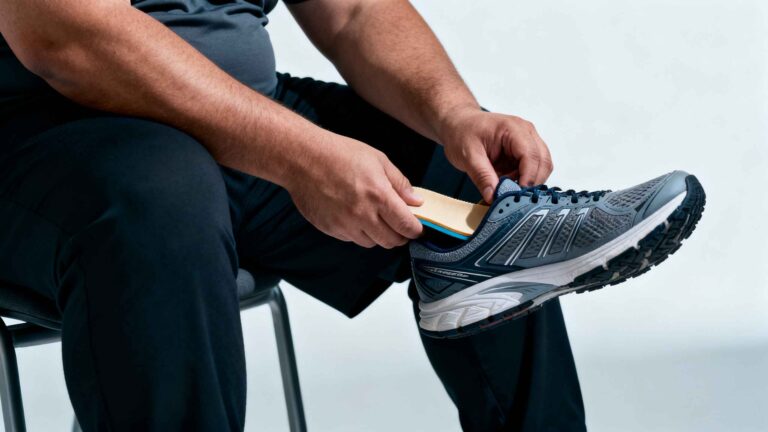
If your calves feel sore after switching to supportive insoles or shoes, the first step is usually not to abandon them altogether. Instead, give your body a chance to adapt while making a few practical adjustments. A step-by-step wear-in plan is in how long arch support takes to feel normal.
Start by wearing the new arch support for shorter periods before using it throughout an entire workday. Gradually increasing wear time allows your muscles and tendons to adjust more comfortably.
Gentle calf stretching before and after long periods of standing may also help reduce tightness. Maintaining ankle mobility and staying active during the day can further support a smoother transition.
If discomfort persists, consider whether the arch support matches your natural foot shape. An insole that is too high or too rigid may not be the best choice for your biomechanics.
How Insoles May Help
Supportive insoles can improve foot alignment and reduce excessive foot motion, but they should complement your natural movement rather than force it.
The best results usually come from insoles that provide balanced support while allowing the foot to move comfortably during everyday walking and standing.
Someone with high arches may require a different level of support than someone with flat feet, making proper selection far more important than simply choosing the firmest available insole.
For people who spend long hours on their feet, combining supportive footwear with a well-matched insole often provides greater long-term comfort than relying on either one alone. Many readers also explore Best Insoles for Standing All Day for a more detailed guide to choosing support for prolonged standing.
When to Seek Medical Advice
While temporary muscle soreness is fairly common, persistent calf pain deserves professional evaluation.
Consider speaking with a healthcare professional if:
- Pain continues for several weeks without improving.
- Walking becomes increasingly difficult.
- Significant swelling, redness, or warmth develops.
- Pain extends into the Achilles tendon or knee.
- Symptoms interfere with daily activities or work.
A medical assessment can help determine whether the issue relates to your footwear, foot mechanics, muscle function, or another underlying condition.
Preventing Future Calf Discomfort
Preventing calf pain often begins with choosing support that matches your individual foot mechanics.
Replace worn insoles before they lose their structural support, wear shoes appropriate for your daily activities, and avoid making multiple footwear changes at the same time whenever possible.
A gradual transition to new arch support is usually easier on your muscles than switching abruptly from soft footwear to highly structured support.
Although soft insoles may initially feel more comfortable, moderately supportive designs often provide better long-term stability during prolonged standing.
Common Questions
Can arch support make your calves hurt at first?
Yes. Mild calf soreness can occur during the first few days or weeks as your muscles adapt to a different walking pattern. The discomfort is usually temporary and gradually improves as your body adjusts.
How long does it take to adjust to arch support?
Many people adapt within one to three weeks, although the exact timeframe varies depending on activity level, foot mechanics, and how different the new support is from previous footwear. Most people find that it settles within a few weeks; see the adjustment guide for a gradual schedule.
Should I stop wearing arch support if my calves hurt?
Not necessarily. Mild soreness often improves with gradual use. However, severe or worsening pain should not be ignored, especially if it changes the way you walk or continues for several weeks.
Can arch support help prevent calf fatigue?
Properly fitted arch support may reduce unnecessary muscle strain by improving foot alignment and distributing pressure more evenly during standing and walking. The key is selecting support that matches your foot rather than choosing the highest arch available.
Can the wrong arch support cause calf pain?
Yes. Arch support that is too high, too firm, or poorly matched to your foot shape may alter your gait enough to create unnecessary muscle tension and discomfort.
Conclusion
Arch support can sometimes contribute to temporary calf pain, but this doesn’t automatically mean the support is incorrect. In many cases, your muscles are simply adapting to improved foot alignment and different walking mechanics.
The goal is not to choose the most aggressive arch support available but to find one that fits your foot comfortably while providing balanced support for your daily activities. If discomfort continues or becomes more severe instead of improving, reassessing your footwear or seeking professional guidance is a sensible next step.