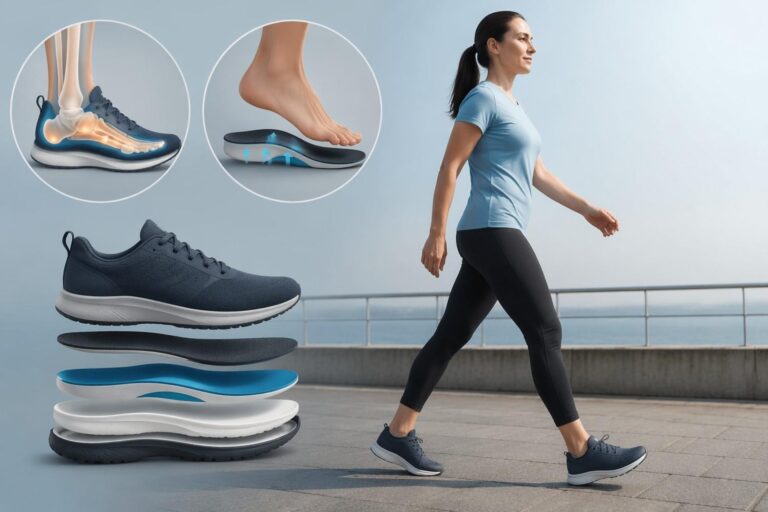
Best Insoles for High Arches and Standing All Day
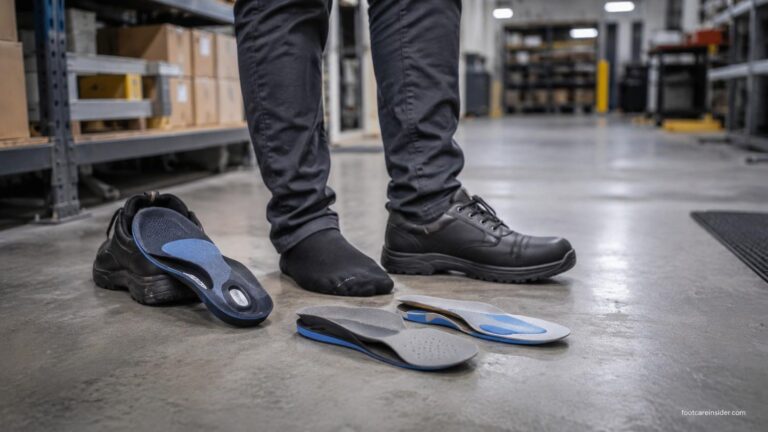
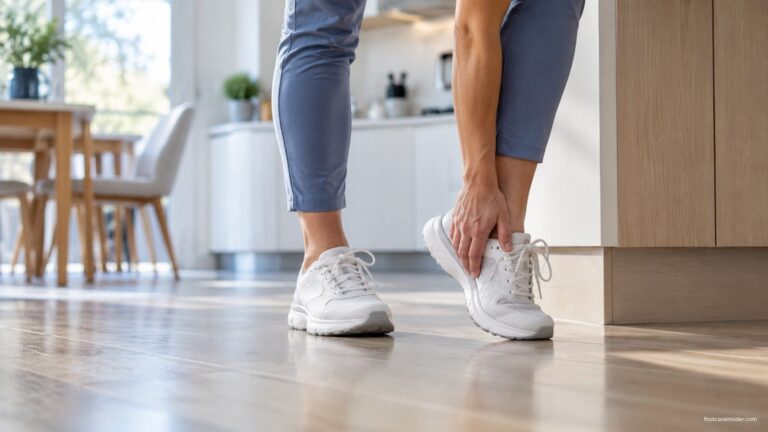
After several hours on your feet, even the best work shoes can start to feel unforgiving. If you have high arches, that discomfort often appears sooner than expected. Your heels may ache, the balls of your feet can feel sore, and your arches may become fatigued despite wearing shoes that seemed comfortable in the morning. Whether you work in healthcare, retail, hospitality, or another job that requires long periods of standing, choosing the right insole can make a noticeable difference in everyday comfort.
This guide explains what to look for in the best insoles for high arches standing all day. You’ll learn why standard insoles often fall short, which support features actually matter, and how to choose an insole that matches your foot shape, work environment, and daily routine.
People researching foot support for prolonged standing often begin with Best Insoles for Standing All Day before narrowing their search to arch-specific needs.
Why High Arches Can Become Painful During Long Shifts
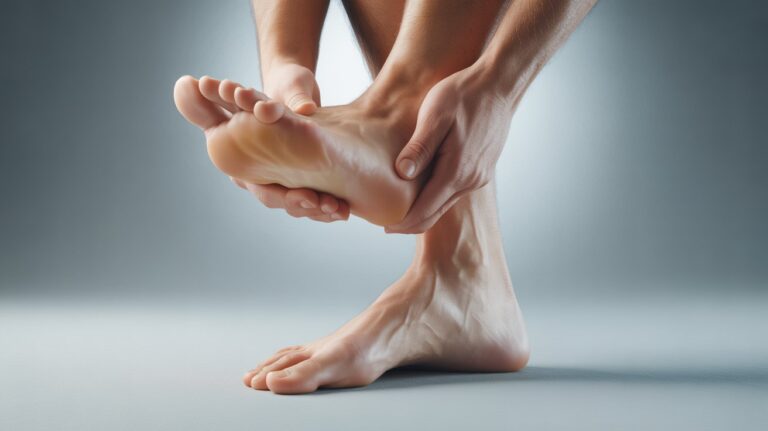
Unlike flat feet, high arches place more body weight on the heel and forefoot instead of distributing pressure evenly across the entire foot. This naturally creates higher pressure points every time you stand or take a step. For a general comparison of high arch insoles, see our best insoles for high arches guide.
Hours spent on concrete, tile, or other hard flooring increase these forces even further. Over time, this repeated loading may contribute to:
- Heel soreness
- Forefoot discomfort
- Arch fatigue
- Reduced shock absorption
- Leg tiredness after work
While supportive footwear helps, the factory insoles included with most shoes are designed to suit the average foot—not someone with pronounced arches that require additional support and cushioning.
Why Standard Insoles Often Fall Short
Many stock insoles are made from thin foam that compresses quickly under daily use.
For people with high arches, this creates several common problems.
Soft materials may flatten after only a few weeks of heavy standing, reducing cushioning exactly where it’s needed most. At the same time, a lack of structured support allows pressure to remain concentrated beneath the heel and forefoot rather than spreading it across the entire foot.
Some inexpensive insoles also provide very little heel stability, allowing the foot to move more than necessary inside the shoe during long workdays.
The result is often increasing fatigue by the end of a shift, even if your shoes themselves are still in good condition.
What Features Actually Matter?
Choosing the best insole isn’t simply about buying the softest option available.
Arch Support
High arches usually benefit from supportive contours that follow the natural curve of the foot without creating excessive pressure. Proper support helps improve pressure distribution while reducing fatigue during extended standing.
Cushioning and Control
Support and cushioning work together.
A highly cushioned insole may feel comfortable initially but provide limited stability, while a firmer design offers better control but may feel less forgiving on hard surfaces.
Many people with high arches prefer an insole that combines moderate cushioning with structured support rather than emphasizing one feature alone.
Readers comparing these design philosophies may also find Arch Support vs Cushioning useful.
Materials
Different materials influence both comfort and durability.
- EVA foam provides lightweight cushioning and consistent support.
- Polyurethane (PU) generally offers greater long-term durability while maintaining cushioning.
- Gel inserts can improve localized impact absorption but usually work best when combined with supportive foam rather than used alone.
Even the highest-quality material should maintain its shape throughout long work shifts instead of collapsing under repeated pressure.
Firmness Balance
The ideal firmness depends on both your foot structure and your work environment.
Very soft insoles often feel plush at first but may compress rapidly during prolonged standing.
By comparison, moderately firm insoles tend to provide more consistent support throughout the day while still offering adequate cushioning.
In many cases, balanced firmness outperforms extremely soft cushioning over the course of a full workweek.
A Practical Buying Framework
Rather than choosing an insole based on marketing claims, match it to how you actually use your feet each day.
Mild Discomfort
If you experience occasional soreness after standing but remain comfortable most of the day, moderate arch support with balanced cushioning is often sufficient.
Moderate Fatigue
People whose feet consistently ache after several hours of standing usually benefit from structured support combined with durable foam materials that resist compression.
Severe Daily Discomfort
If pain develops early in your shift or continues after work, look for insoles with deeper heel cups, stronger arch support, and high-density cushioning designed for prolonged standing.
Match Your Shoes
Different shoes require different insole profiles.
- Work boots often accommodate thicker supportive insoles.
- Athletic shoes usually perform best with full-length moderate-profile designs.
- Casual shoes may require slimmer insoles without sacrificing structural support.
Match the Pain Location
Heel pain often benefits from better impact cushioning.
Arch fatigue usually points toward improved structural support.
Pain across the entire foot often requires a balanced combination of support, cushioning, and pressure distribution rather than focusing on a single feature.
For a broader understanding of how support works across different foot types, many readers also explore the Complete Guide to Insoles for Flat Feet and Overpronation.
Choosing an insole based on your foot mechanics, work environment, and daily activity is far more effective than simply selecting the softest or most expensive option. Understanding those differences makes it much easier to compare the various insole categories covered in the next section.
Insoles with Maximum Arch Support
Who is this for?
These insoles are best suited for people with pronounced high arches who experience persistent fatigue, pressure beneath the heel and forefoot, or reduced stability during long shifts.
Their structured design helps distribute body weight more evenly while maintaining consistent arch support throughout the day.
Key benefits
- Excellent structural support
- Improved pressure distribution
- Better long-term stability
- Durable construction for daily wear
Limitations
Some users may need a short adjustment period before the firmer support feels completely natural.
Compared with softer alternatives, these insoles prioritize stability over plush cushioning.
Comparison insight
If your feet become tired because they lack support, structured arch support is usually more beneficial than simply adding extra cushioning.
Cushioned Insoles for High Arches
Who is this for?
People whose main complaint is impact from standing or walking on concrete, tile, or other hard surfaces often benefit from additional cushioning.
These insoles focus on reducing repetitive impact while still offering moderate arch support.
Key benefits
- Softer underfoot feel
- Better shock absorption
- Comfortable for long hours on hard floors
- Helps reduce heel pressure
Limitations
Very soft cushioning can compress faster under heavy daily use and may not provide enough structural support for everyone with high arches.
Comparison insight
Greater cushioning improves comfort, while stronger arch support improves stability. Many workers benefit from an insole that balances both.
Slim Insoles for Everyday Shoes
Who is this for?
If your work shoes have limited internal space, slim-profile insoles offer additional support without significantly changing shoe fit.
Key benefits
- Easy to fit into most footwear
- Lightweight construction
- Maintains everyday comfort
- Suitable for casual and office shoes
Limitations
Slim designs usually provide less cushioning than thicker work-focused insoles.
Comparison insight
Slim insoles prioritize compatibility, while full-length models typically provide greater comfort during prolonged standing.
Heavy-Duty Work Insoles
Who is this for?
Workers wearing safety boots or spending entire shifts in warehouses, manufacturing facilities, or construction environments often need insoles built specifically for demanding conditions.
Key benefits
- High durability
- Stable heel support
- Long-lasting cushioning
- Designed for extended standing
Limitations
These insoles are sometimes thicker and may require shoes with adequate internal volume.
Comparison insight
Heavy-duty insoles generally outlast lightweight everyday models but may feel firmer during the first few days of use.
Hybrid Support and Cushioning Insoles
Who is this for?
If you’re unsure whether your discomfort is caused primarily by pressure or lack of support, hybrid insoles provide a balanced solution.
These models combine structured arch support with moderate cushioning for all-day comfort.
Key benefits
- Balanced support
- Comfortable for mixed standing and walking
- Suitable for many shoe types
- Good long-term versatility
Limitations
Because they aim for balance, they may not offer the maximum level of either support or cushioning.
Comparison insight
Hybrid designs often provide the best everyday compromise for people who spend long hours alternating between standing and walking.
Common Questions
Are high arches worse than flat feet for standing all day?
Neither condition is inherently worse, but they create different challenges. High arches tend to concentrate pressure on the heel and forefoot, while flat feet often involve excessive inward motion. The right insole should address your specific foot mechanics rather than the condition alone.
Should high arches use soft or firm insoles?
Most people with high arches benefit from a combination of moderate cushioning and structured support. Extremely soft insoles may flatten over time, while overly firm models can feel uncomfortable if they lack adequate cushioning.
Can insoles reduce foot fatigue at work?
Yes. A properly matched insole can improve pressure distribution, reduce repetitive impact, and support the natural shape of the foot, helping many people stay comfortable during long shifts.
How often should work insoles be replaced?
Replacement depends on the material, daily use, and body weight. Many high-quality insoles last several months of regular use, but they should be replaced once cushioning compresses or support noticeably declines.
Do expensive insoles always perform better?
Not necessarily. Higher-quality materials often improve durability, but the best insole is the one that matches your arch height, footwear, and daily activity rather than simply having the highest price.
Final Verdict
The best insoles for high arches standing all day are the ones that balance structured support with enough cushioning to reduce repeated impact during long work shifts.
People with mild discomfort may only need moderate support, while those working on hard floors for many hours often benefit from more durable, supportive designs with enhanced cushioning. Rather than choosing the softest or most expensive option, focus on how well the insole matches your foot shape, footwear, and daily routine. Making that match correctly is far more important than any single feature.