Why Do Insoles Hurt My Arches?
If your new insoles make your arches sore instead of more comfortable, you’re not alone. Many people expect immediate relief after adding arch support, only to notice aching, pressure, or tenderness during the first few days of walking. In many cases, this doesn’t mean the insoles are wrong—it may simply reflect how your feet are adapting to a different level of support. However, persistent arch pain should never be ignored, as it can also indicate that the insoles are poorly matched to your feet or footwear.
Understanding why your arches hurt can help you determine whether your feet are adjusting normally or whether it’s time to reconsider your insoles.
Why Arch Discomfort Can Happen With New Insoles
Your feet contain dozens of muscles, tendons, ligaments, and joints that work together every time you walk. If you’ve spent years wearing flat shoes or unsupportive footwear, your feet may have adapted to functioning with little arch support.
See also why feet can feel worse with new insoles.
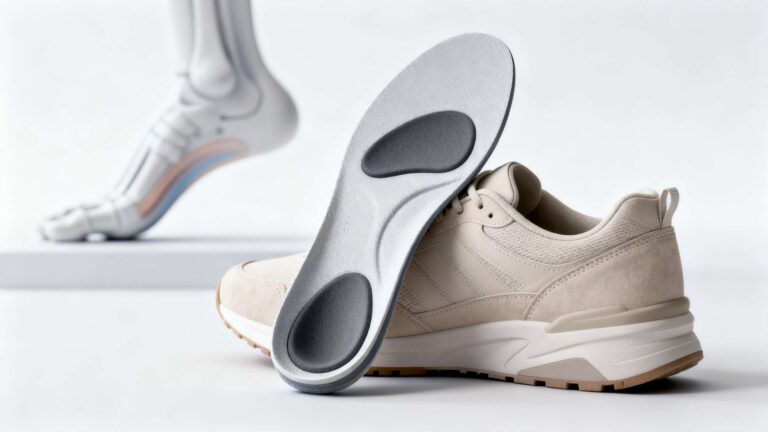
Introducing supportive insoles changes how pressure is distributed across the bottom of the foot. Instead of placing most of the load on familiar areas, the arch begins sharing more of the work during standing and walking.
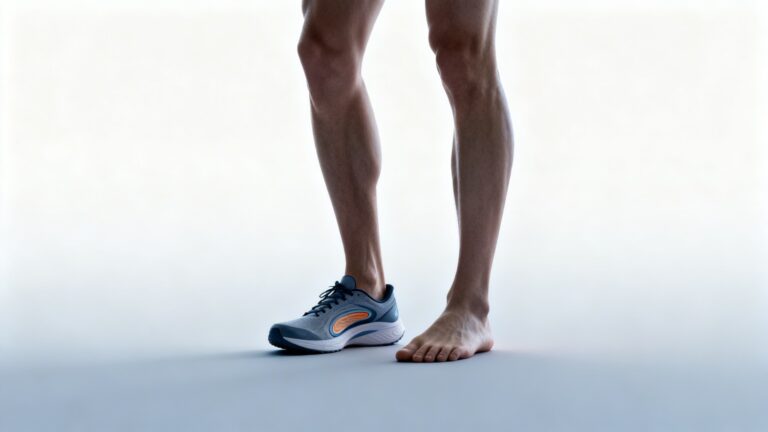
For many people, this creates a temporary adjustment period. The tissues that support the arch may feel mildly sore while adapting to their new position and workload. This is similar to how muscles can feel tired after beginning a new exercise routine.
Readers who want to understand how insoles provide support may also find How Insoles Support Your Arches helpful.
Common Reasons Insoles Cause Arch Pain
Not every uncomfortable insole is defective. Several factors can contribute to arch discomfort.
One of the most common reasons is that the arch support is simply higher than your feet are accustomed to. Even a properly fitted insole can initially feel unusual if your arches have not previously received much support.
Another possibility is that the insole does not match your foot shape. A high arch support positioned too far forward or backward may create concentrated pressure instead of evenly supporting the foot.
Footwear also plays an important role. Shoes with limited internal space may compress the insole, forcing the foot into an unnatural position. Likewise, worn shoes that have lost their stability may prevent even a well-designed insole from working effectively.
Walking patterns influence comfort as well. People who spend several hours standing on concrete floors or walking long distances often notice discomfort sooner because the feet experience repeated loading throughout the day.
Who Is More Likely to Experience This?
Some people adapt to supportive insoles within a few days, while others need more time.
Individuals with flat feet, high arches, overpronation, or previous foot injuries may be more sensitive to changes in support because their feet already move differently during walking.
People beginning a new job that requires prolonged standing or those suddenly increasing their daily walking distance may also notice more arch soreness during the adjustment period.
Athletes returning to training, retail workers, nurses, warehouse employees, and anyone spending most of the day on hard floors may experience greater pressure simply because their feet have fewer opportunities to rest.
Readers interested in how foot shape affects support may also enjoy why walking hurts your arches.
What’s Normal During the Adjustment Period?
A mild feeling of pressure beneath the arch during the first several days is relatively common when wearing supportive insoles.
You may notice slight soreness after removing your shoes at the end of the day or feel that your arches become tired sooner than usual during long walks. These sensations often lessen as your feet gradually adapt to the new support.
Many manufacturers recommend increasing wear time gradually instead of wearing new insoles all day immediately. This allows the muscles and connective tissues to adjust without becoming overloaded.
As the feet adapt, the small intrinsic muscles inside the foot may begin working differently because supportive insoles redistribute pressure across the arch instead of allowing the same areas to absorb repeated impact. This can also slightly change how tension is shared by the plantar fascia—the thick band of tissue supporting the bottom of the foot. During this adjustment period, it’s normal for these structures to feel mildly “worked” as they become accustomed to the new level of support, provided the discomfort gradually improves rather than worsens.
The adjustment period varies between individuals, but mild discomfort that steadily improves over one to two weeks is generally different from pain that becomes progressively worse.
When Arch Pain Is No Longer Normal
Persistent or increasing pain deserves closer attention.
If your arches become sharply painful every time you wear the insoles, if discomfort continues after removing them, or if swelling, numbness, or redness develops, the insoles may not be providing appropriate support for your feet.
Pain that spreads into the heels, ankles, knees, or lower legs may also suggest that the fit, arch height, or shoe compatibility should be reassessed.
Readers comparing different support options may also find Insoles vs Supportive Shoes useful.
Rather than assuming all arch discomfort is part of the adjustment process, it’s important to pay attention to how your symptoms change over time. Mild soreness that gradually improves is very different from persistent pain that interferes with everyday walking or standing.
Helping Your Feet Adjust More Comfortably
If your arches feel mildly sore after switching to supportive insoles, making a few simple adjustments may improve comfort while your feet adapt.
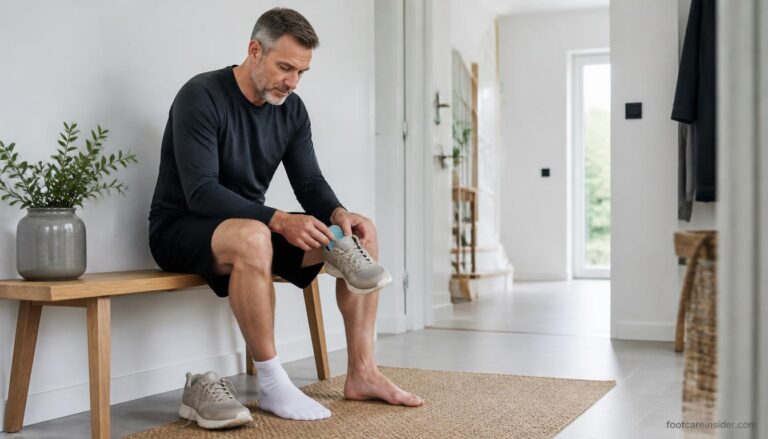
Instead of wearing the insoles all day immediately, begin with shorter periods of use and gradually increase wear time over several days. This allows the muscles, tendons, and ligaments supporting the arches to adjust without becoming overloaded.
It’s also important to make sure your shoes have enough depth and stability to accommodate the insoles properly. Even a well-designed insole may become uncomfortable if it is compressed inside a shoe that is too narrow or worn out.
If you spend long hours standing at work, taking short walking or stretching breaks when possible may reduce the amount of pressure building beneath the arches throughout the day.
Can Different Insoles Feel Different?
Yes. Not every insole provides the same type or amount of support.
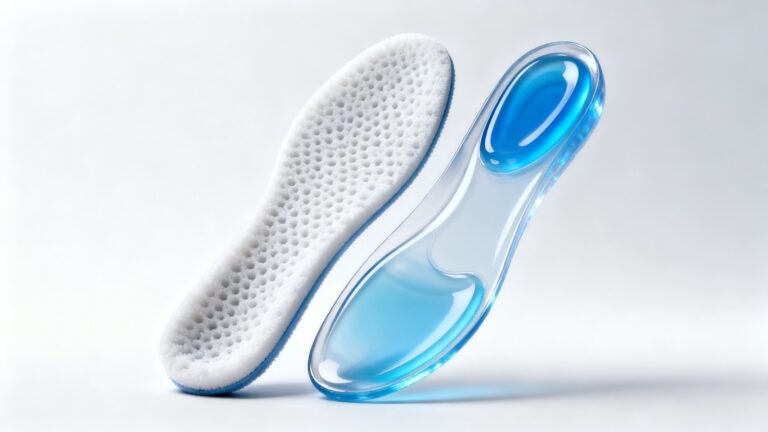
Some models offer gentle cushioning with minimal arch support, while others are designed to provide firmer structural support for people with specific foot mechanics. An insole that feels comfortable for one person may feel too aggressive or too soft for someone else.
The goal is not to force the arch into an unnatural position but to provide comfortable support that works with your foot shape, footwear, and daily activity.
Readers comparing different support approaches may also find thin running insoles vs thick cushioned insoles useful.
When Professional Advice Is Appropriate
If your arches continue to hurt after a reasonable adjustment period, it may be worth having your feet evaluated by a podiatrist or physical therapist.
A professional can assess your foot structure, walking pattern, footwear, and the fit of your insoles to determine whether they are appropriate for your needs. Sometimes only a small adjustment in arch height or shoe choice is needed to improve comfort.
Seek medical evaluation sooner if arch pain becomes severe, is accompanied by swelling, numbness, redness, or bruising, or makes normal walking difficult.
Preventing Future Arch Discomfort
Many cases of insole-related soreness can be avoided by introducing new support gradually.
Replacing worn shoes before they lose stability, selecting insoles that match both your foot shape and footwear, and avoiding sudden increases in standing or walking time may all help reduce unnecessary strain on the arches.
Paying attention to how your feet feel during the first week of using new insoles can also help identify small problems before they become persistent sources of discomfort.
Common Questions
Is it normal for new insoles to hurt my arches?
Mild soreness or pressure during the first few days can be a normal adjustment as your feet adapt to additional support. Discomfort should gradually improve rather than become more severe.
How long does it take to adjust to arch support?
Many people adapt within several days to two weeks. The exact time depends on your foot structure, activity level, and the amount of support provided by the insoles.
Should I stop wearing insoles if my arches hurt?
Not necessarily. Mild discomfort that steadily improves may simply reflect an adjustment period. However, persistent, worsening, or sharp pain should be evaluated, and you may need to stop wearing the insoles until the cause is identified.
Can the wrong insoles cause foot pain?
Yes. Insoles that do not match your foot shape, arch height, or footwear may create excessive pressure instead of providing comfortable support.
When should I see a healthcare professional?
Professional advice is recommended if arch pain persists beyond the adjustment period, interferes with daily walking, or is accompanied by swelling, numbness, redness, or severe discomfort.
Conclusion
If your insoles hurt your arches, the cause is often related to how your feet are adapting to new support or whether the insoles match your foot shape and footwear. Mild soreness during the first several days is fairly common, but pain that continues, worsens, or affects everyday walking deserves closer attention. Choosing supportive footwear, introducing insoles gradually, and seeking professional advice when needed can help ensure your arches receive support without unnecessary discomfort.