Why Does the Bottom of My Foot Hurt When I Walk?
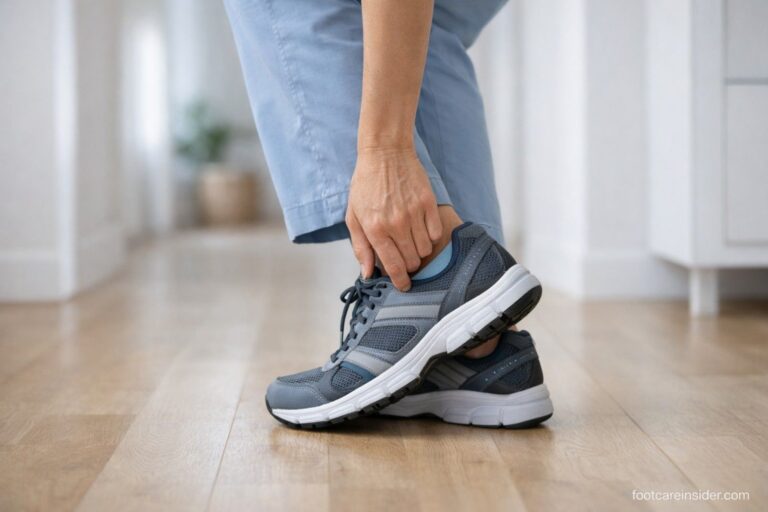
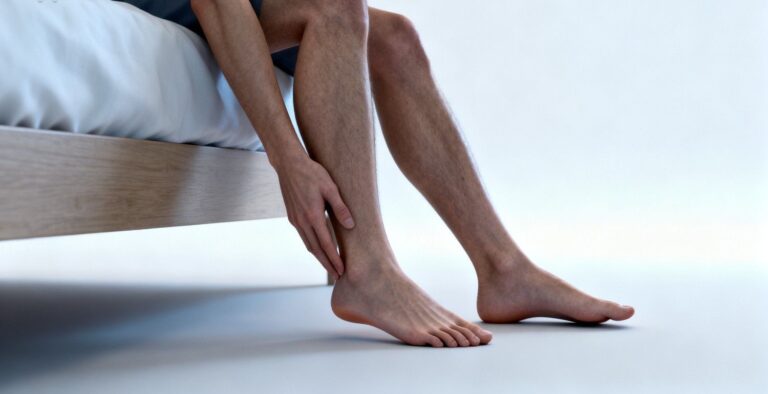
Pain on the bottom of the foot can make an ordinary walk feel surprisingly difficult. You might notice soreness under the heel, aching through the arch, tenderness across the ball of the foot, or discomfort that becomes stronger with each step. Sometimes it appears after a long day on your feet; other times it starts after changing your walking routine, exercising more, or wearing different shoes.
Bottom of foot pain can have several possible causes, and the location of the discomfort is an important clue. The heel, arch, and forefoot handle different parts of your walking cycle, so pain in one area can develop for different reasons than pain somewhere else. What matters most is where it hurts, when the pain appears, what makes it worse, and whether the pattern is improving or progressing.
Quick answer: where the pain sits tells you most. Heel pain is often tied to the plantar fascia, arch pain to tired or overloaded arch structures, and ball-of-foot pain to pressure under the forefoot. Walking more than usual, hard floors and worn shoes make all three worse. Supportive shoes, cushioning and a gradual return to activity help many people; pain that is sharp or does not settle should be checked.
Where on the Bottom of Your Foot Does It Hurt?
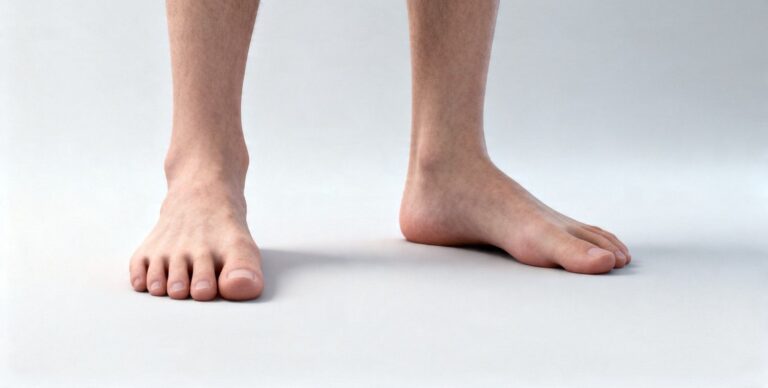
The bottom of the foot includes the heel, arch, and forefoot, and pain can feel quite different depending on which area is involved.
If walking is the trigger, our best insoles for walking guide covers support and cushioning options.
Pain under the heel is often noticed when the foot first takes weight during walking. Discomfort in the arch may become more noticeable as you spend longer periods standing or moving. Pain around the ball of the foot, near the metatarsals and toes, can be more obvious during the later part of a step when pressure moves forward.
The exact location does not provide a diagnosis by itself, but it can help narrow the possibilities. The timing matters too. Pain that is worst with the first steps after resting has a different pattern from discomfort that builds gradually after several hours of walking.
If you’re having trouble identifying exactly where the discomfort begins, the Interactive Foot Pain Tool can help you locate the area and explore related foot-pain information.
Match the Spot to the Right Page
| If it hurts in… | Read next |
|---|---|
| The heel, worst on the first steps | heel pain after standing and flat feet and plantar fasciitis |
| The arch | arch pain explained |
| The ball of the foot | ball of foot pain |
| The whole sole after standing all day | standing on concrete |
Why Walking Can Make Bottom of Foot Pain Worse
Walking repeatedly loads the structures underneath the foot. With each step, pressure moves from the heel toward the forefoot as the foot supports and propels the body.
A sudden change in walking volume can increase that workload. For example, someone who normally walks short distances but suddenly starts taking much longer daily walks may notice soreness that was not present before. Running, hills, stairs, or a job that keeps you moving throughout the day can have a similar effect.
Standing for long periods creates another type of load. Even without much walking, the feet continue supporting body weight, and discomfort can gradually build as the hours pass.
Hard surfaces can add to the experience because concrete, tile, and other firm floors provide little natural cushioning. People who spend much of the day standing or walking on them may notice more general foot fatigue by the end of a shift. Standing on Concrete and Foot Pain looks more closely at that relationship.
Common Reasons the Sole of the Foot May Hurt
One possible cause is irritation or overload of the plantar fascia, a strong band of connective tissue running along the bottom of the foot. Repeated loading can make the area feel painful, particularly around the heel and arch.
Another possibility is general overuse. Increasing your walking distance, starting a new exercise routine, spending more time standing, or returning to activity after a break can all change how much work the feet are doing.
Foot shape and movement can matter as well. Some people place more load through certain areas of the foot because of their individual structure or walking pattern. Flat arches, for example, can change how pressure is distributed during standing and walking, although flat feet do not automatically mean that pain will occur.
Footwear is another contributor. Shoes that provide little cushioning, feel too restrictive, or have become worn may make the same walking load feel more uncomfortable.
Pain around the forefoot can have different possible causes again, especially when discomfort increases during repeated push-off. That is why the location and activity pattern are more useful than simply saying that “the bottom of my foot hurts.”
When the Pattern Starts to Matter More
Occasional soreness after an unusually long walk is different from pain that keeps appearing during normal daily activity.
Early on, you may simply notice tiredness under the feet after several hours. The discomfort might settle after resting overnight. A more concerning pattern is when the pain begins earlier each day, becomes stronger with ordinary walking, or continues even when you are no longer active.
The way the pain develops can also provide clues. A gradual increase after more walking or standing may suggest that the workload has become more than your feet are comfortably handling. Sudden pain after a twist, jump, fall, or direct impact is a different situation and deserves closer attention.
Pay attention to whether both feet are affected or only one, whether the pain is in a very specific spot, and whether swelling or bruising is present. These details can help distinguish ordinary activity-related soreness from a problem that needs further evaluation.
Why Footwear and Support Can Change the Experience
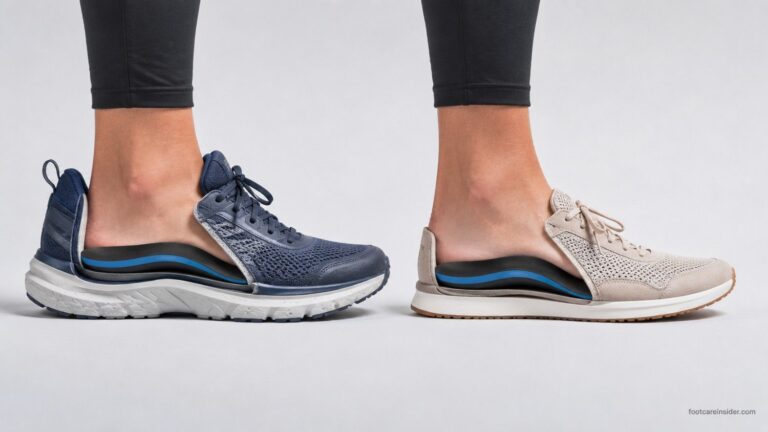
The shoe is part of the environment your feet work inside all day. A shoe with adequate room and a comfortable sole can make walking feel very different from a shoe with little cushioning or a restrictive fit.
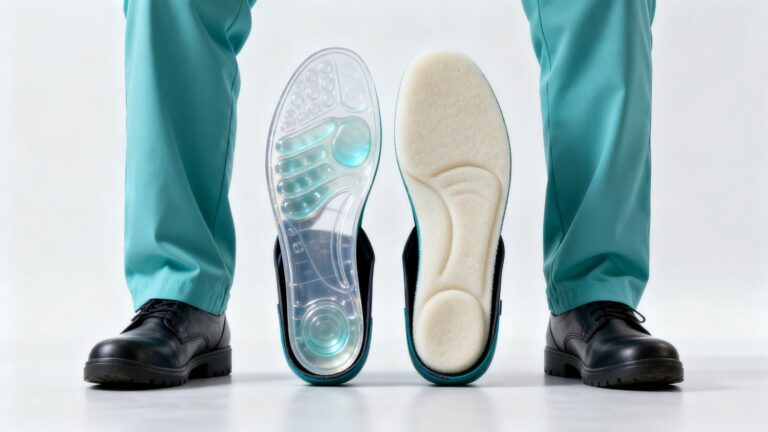
Insoles can also change how pressure feels underneath the heel, arch, and forefoot. A cushioned design may make hard surfaces feel more forgiving, while a structured insole may provide a different type of underfoot support. But adding an insole is not automatically the answer. A thick or highly contoured option can also reduce space inside a shoe or create pressure in a new area.
This is especially important when the pain started around the same time you changed shoes or added an insole. The goal is to consider the complete combination of foot, footwear, activity, and surface rather than assuming one factor is responsible.
For people whose discomfort is associated with arch strain or flat-foot-related pressure, Flat Feet Pain Relief provides more context on that particular pattern.
Pain on the bottom of the foot is therefore best understood as a pattern rather than a single symptom. Notice where it occurs, how it responds to walking and standing, whether your activity level recently changed, and whether the discomfort is gradually settling or becoming more persistent.
Simple Ways to Reduce Bottom-of-Foot Discomfort
When walking brings on discomfort, the first step is to look at the amount and type of activity involved. If your walking distance has increased quickly, temporarily reducing the load and building back gradually may help the foot adjust.
For everyday activity, comfortable shoes with enough room and reasonable cushioning can also make a difference. Avoid footwear that creates obvious pressure under the heel, arch, or forefoot. If hard flooring is part of your routine, taking reasonable opportunities to sit or change position can reduce continuous loading.
Gentle movement of the foot and ankle may also feel better than remaining completely still after a long day. The aim is to avoid repeatedly provoking the same painful pattern while normal activity is gradually resumed.
Can Insoles Help With Pain on the Bottom of the Foot?
An insole may change how pressure is distributed under the foot, but it is not automatically the right solution for every type of bottom-of-foot pain.
A cushioned insole can make firm surfaces feel more forgiving for some people, while a more structured design may provide a different type of support around the arch. The fit of the shoe remains important, because a thick insole can reduce available space and create new pressure.
If the pain began after changing footwear or adding an insole, consider the complete shoe-and-insole combination rather than assuming more cushioning or support is always better.
Our picks: If walking is the trigger and you want to try an insole, these are two we would start with. More are in our walking insole guide.
Moderate Support Insoles – Balanced cushioning with a moderate arch, a safe starting point for everyday walking.
Cushion Insoles – Extra shock absorption if the pain is mostly under the heel or forefoot on hard surfaces.
When Should Bottom-of-Foot Pain Be Checked?
Persistent or worsening pain deserves professional assessment, especially when it does not settle with reasonable changes to activity and footwear.
It is also important to get appropriate care after a significant injury, particularly if there is substantial swelling, bruising, marked tenderness, or difficulty putting weight on the foot. Pain that repeatedly returns during normal walking or continues while resting is another reason not to rely only on self-care.
Because heel, arch, and forefoot pain can have different possible explanations, the location and pattern matter more than the general description of “bottom of foot pain.”
How to Reduce the Chance of It Coming Back
Increase walking or exercise gradually rather than making large jumps in distance or intensity. This is particularly useful when you are returning to activity after a period of doing less.
Replace footwear when the cushioning or structure has noticeably deteriorated, and pay attention to changes in fit as well as visible wear. A shoe that has become compressed or restrictive may change the way pressure is distributed during walking.
For people who spend long periods standing or walking on firm flooring, varying position and taking reasonable breaks can also help reduce accumulated foot load over the course of the day.
Common Questions
Why does the bottom of my foot hurt when I walk?
Several structures under the foot can become uncomfortable with repeated loading, including tissues around the heel and arch. Activity changes, footwear, hard surfaces, and individual foot mechanics can all influence the pattern.
Why does my heel hurt when I walk?
Heel discomfort can have several possible causes, including irritation around tissues that handle repeated loading. The timing of the pain, recent activity changes, and whether it improves with rest are useful details to consider.
Can walking too much cause pain on the bottom of the foot?
Yes. A sudden increase in walking distance, work activity, hills, stairs, or exercise can increase the workload on the foot. Symptoms may become noticeable as the day progresses or after several days of increased activity.
Can shoes make bottom-of-foot pain worse?
They can. Poor cushioning, restrictive fit, worn footwear, or a shoe that does not suit the activity can change how pressure is distributed under the foot and make discomfort more noticeable.
Should I use an insole for bottom-of-foot pain?
An insole may help some people by changing cushioning or underfoot support, but the cause and location of the pain matter. A poorly fitting or overly thick insole can sometimes create additional pressure instead.
When the Pain Does Not Settle
Bottom-of-foot pain is not one single condition. Heel soreness, arch discomfort, and forefoot pain can develop from different combinations of activity, footwear, surface, and tissue loading. Pay attention to the location, timing, and progression of the symptoms rather than treating every case the same.
When the pain keeps returning, becomes stronger, or starts interfering with ordinary walking, getting the foot assessed is more useful than continually changing shoes, insoles, or activity without understanding the pattern.