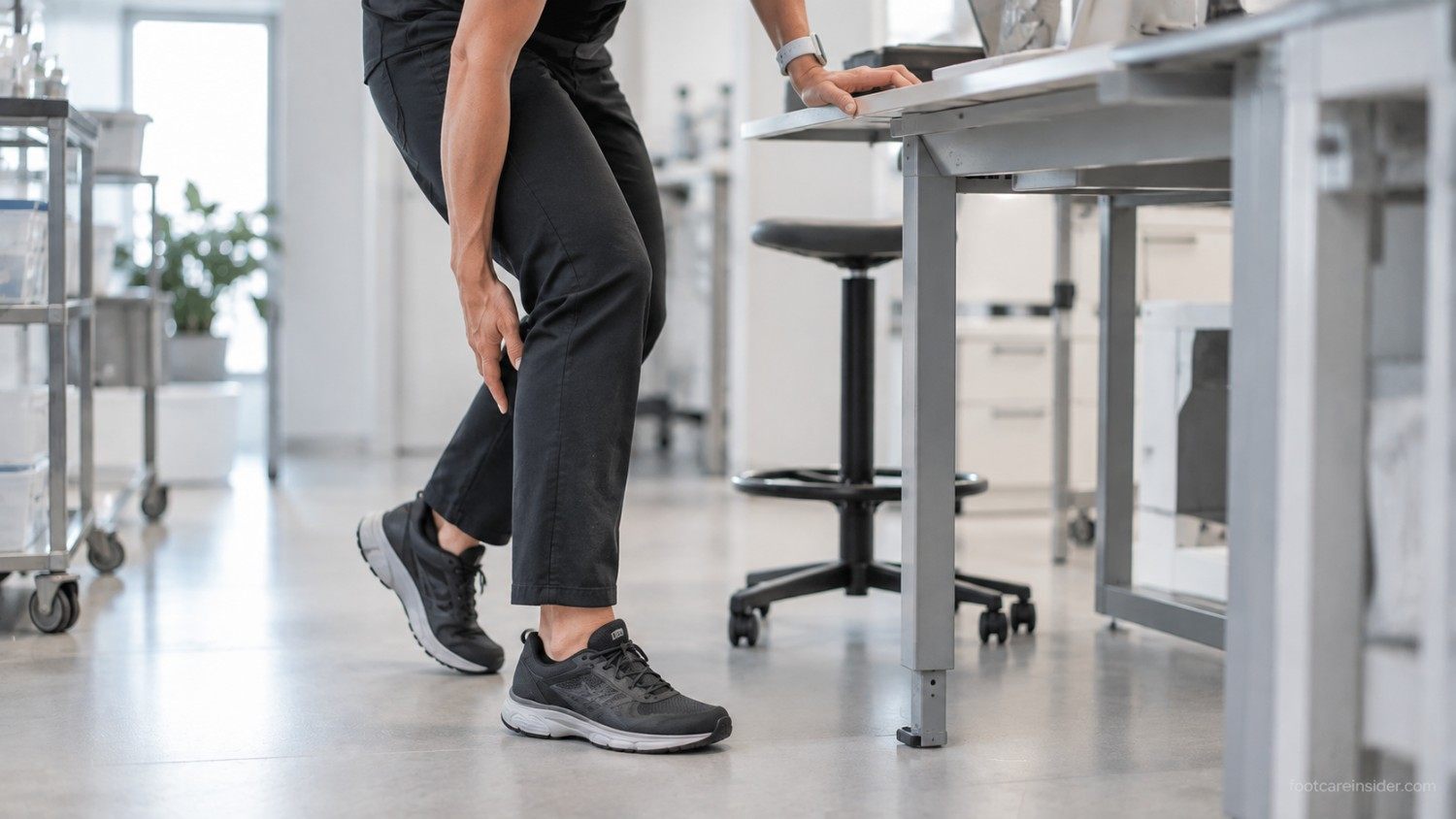
Foot Arch Pain: Common Causes and Relief Options
Foot arch pain can make ordinary activities feel surprisingly difficult. You might notice aching after a long day on your feet, discomfort when walking first thing in the morning, or a gradual soreness that becomes more obvious by the end of the day. The pain may sit in the middle of the arch, closer to the heel, or spread toward the ball of the foot. The pattern, timing, footwear, and amount of walking or standing you do can all provide useful clues about what is contributing to the discomfort.
Foot arch pain can come from several factors, including overuse, strain of the plantar fascia and other soft tissues, changes in walking mechanics, footwear, or conditions that affect the structure of the foot. Pain may begin gradually after increased activity or prolonged standing, while sudden or severe pain after an injury needs a different level of attention. The location, timing, and progression of symptoms are important when deciding what may be contributing to the problem.
What Is the Foot Arch?
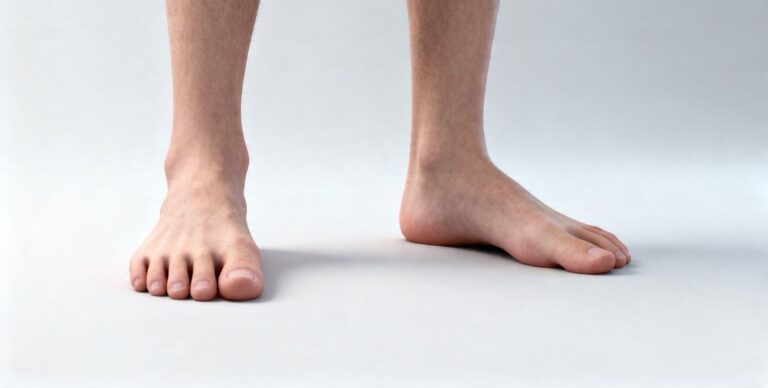
The arch is the curved structure along the inside of the foot that helps distribute forces when you stand and move. It is supported by bones, ligaments, tendons, and connective tissue, including the plantar fascia, a strong band of tissue running along the bottom of the foot.
Not sure whether it is your heel or your arch? See heel pain vs arch pain. Pain along the outer edge is a different pattern; see side of foot pain.
The arch is not simply a rigid structure. It changes slightly as your foot accepts body weight and moves through a walking cycle. When the foot contacts the ground, the arch can lower to help absorb force. It then becomes more rigid as the body moves forward.
Because the arch works repeatedly with every step, problems can develop when the amount of loading increases faster than the foot can comfortably tolerate.
What Causes Foot Arch Pain?
One common contributor is simply doing more than the foot is accustomed to. Increasing walking distance, running, exercise, or time spent standing can increase the amount of work placed on the tissues supporting the arch.
The plantar fascia can also become irritated when it is repeatedly exposed to load. Tendons and other supporting structures can be involved as well. This does not mean every case of arch pain has the same cause, but repetitive loading is an important part of the picture.
Foot mechanics can matter too. Differences in how the foot moves during walking can change how forces are distributed through the arch and the rest of the lower limb. Overpronation, for example, involves greater inward rolling of the foot during movement, while supination describes a different pattern of loading and movement. These terms describe movement patterns rather than diagnoses.
Footwear can add another variable. Shoes that provide too little structure, create pressure in the wrong areas, or no longer fit well may make existing discomfort more noticeable. A shoe can also feel acceptable initially but become uncomfortable after several hours of continuous walking or standing.
Why Does the Arch Hurt More After Walking or Standing?
Arch pain often becomes more noticeable as the amount of time on your feet increases. Someone who spends eight hours walking around a workplace may feel relatively comfortable early in the day and notice aching later as repeated loading accumulates.
The same can happen during long walks. A foot that tolerates a normal daily routine may become uncomfortable after a sudden increase in distance, hills, stairs, or exercise intensity.
Hard flooring can add another practical factor because it provides a firm surface for repeated steps. The surface does not automatically cause an injury, but long periods of standing or walking on it can contribute to accumulated foot fatigue. Why Hard Floors Cause Foot Fatigue explains how prolonged exposure to firm surfaces can affect how the feet feel over the course of the day.
The timing of the discomfort can be useful. Pain that gradually increases during the day may have a different pattern from pain that appears suddenly during one specific movement.
What Does Foot Arch Pain Feel Like?
Arch pain can range from a mild ache or feeling of tiredness to sharper or more localized discomfort. Some people notice it mainly while walking, while others feel it when standing for long periods.
The exact location also matters. Pain closer to the heel may involve different structures from discomfort in the middle of the arch or farther toward the forefoot. You may also notice tenderness when pressing on a particular area.
If you are unsure where your discomfort is actually coming from, the Interactive Foot Pain Tool can help you identify the location of your symptoms and explore related foot-pain information.
What Can Make Foot Arch Pain More Likely?
A sudden change in activity is one of the clearest practical factors. Moving from relatively low daily activity to long walks, frequent workouts, running, or prolonged standing can increase the demands placed on the arch.
Other factors can include spending many hours in work shoes, repeatedly walking on hard surfaces, or continuing to use footwear that no longer feels comfortable. Body structure and individual gait also influence how forces move through the foot, so two people doing the same activity may experience very different levels of discomfort.
The progression matters as well. Occasional soreness after an unusually demanding day is different from pain that steadily becomes easier to trigger during normal activities.
When Is Foot Arch Pain More Concerning?
Arch pain deserves more attention when it is persistent, worsening, or interfering with ordinary walking. Sudden pain following an injury, significant swelling or bruising, difficulty bearing weight, or severe pain that does not settle should not simply be managed by changing shoes and carrying on.
Pain that repeatedly returns despite reducing the activity that triggered it is also worth discussing with a qualified healthcare professional. The arch contains multiple structures, and the same general location can be affected for different reasons.
What Can Help Relieve Foot Arch Pain?
For milder arch discomfort that follows increased activity or a long day on your feet, reducing the activity that aggravates it can give the foot a chance to settle. You do not necessarily need complete rest. Switching temporarily to easier walking, taking breaks during prolonged standing, and avoiding sudden increases in exercise can reduce repeated loading.
Gentle movement can also be preferable to suddenly returning to a high level of activity after a period of rest. The important point is to avoid repeatedly provoking pain while gradually returning to your normal routine.
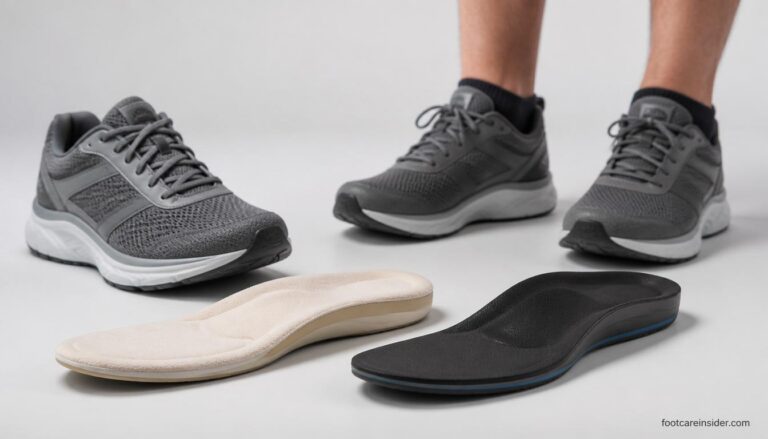
Footwear is another practical place to start. Shoes should provide enough room for the foot, feel comfortable during the activities you actually perform, and remain supportive throughout the day rather than becoming uncomfortable after several hours.
Can Insoles Help Foot Arch Pain?
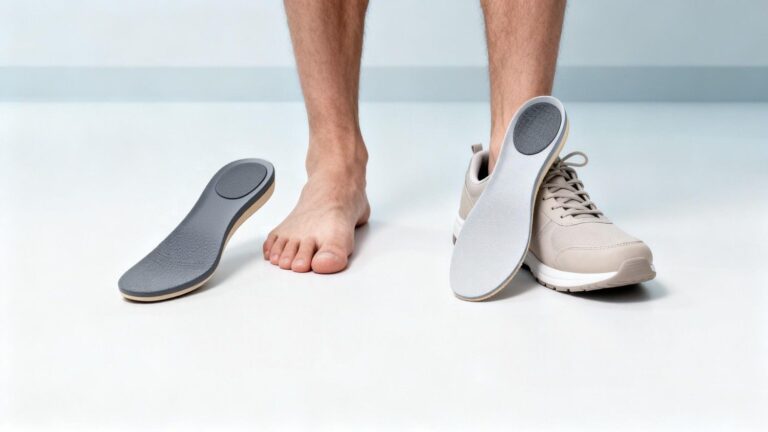
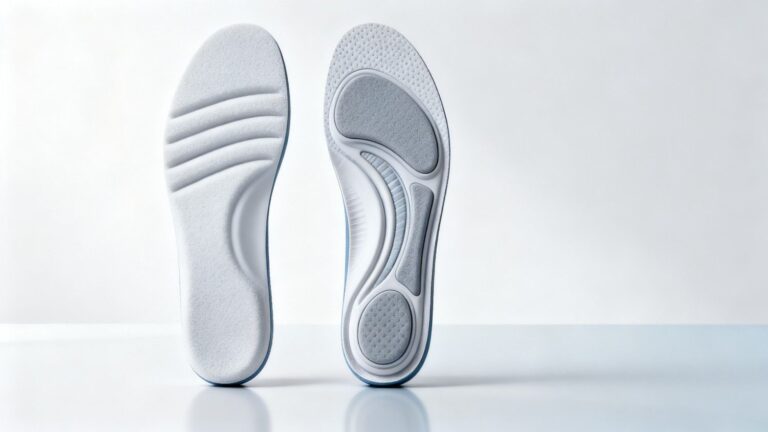
Insoles can change how the foot is supported inside the shoe. Depending on their design, they may provide cushioning under the foot or alter how pressure is distributed across the sole.
That does not mean a more supportive insole is automatically better. An insole that feels comfortable in one shoe may feel too firm, too thick, or poorly matched in another. Available space inside the shoe matters too.
For people specifically comparing support options, Best Insoles for Arch Pain provides a more detailed look at insole choices for this particular problem.
A useful approach is to judge an insole by how it feels during the activities that normally trigger symptoms rather than by how much support it appears to provide.
Can Walking Mechanics Contribute to Arch Pain?
Yes. The way the foot moves during walking affects how forces are distributed through the arch and the rest of the lower limb.
Overpronation and supination describe different patterns of foot movement and loading. They should not be treated as explanations for every case of arch pain, but understanding the distinction can make discussions about gait and footwear easier to follow. Overpronation vs Supination explains how these movement patterns differ.
The practical goal is not to force every foot into one particular movement pattern. It is to understand whether your normal activities, footwear, and movement habits are contributing to recurring discomfort.
When Should Foot Arch Pain Be Evaluated?
Professional evaluation is appropriate when the pain is persistent, continues to worsen, or starts interfering with normal walking or standing.
It is especially important after an injury, when there is substantial swelling or bruising, when you cannot comfortably bear weight, or when the pain is severe enough to limit ordinary activities.
Recurring pain also deserves attention when it keeps returning despite reducing the activity that seems to trigger it. Arch discomfort can involve different structures, including the plantar fascia, tendons, ligaments, joints, and bones, so persistent symptoms should not automatically be attributed to simple fatigue.
How Can You Reduce the Chance of Arch Pain Returning?
Build activity gradually, particularly when increasing walking, running, gym work, or time spent standing. A sudden jump in workload can place considerably more demand on the foot than your normal routine.
Choose footwear based on the activity rather than appearance alone. Walking shoes used for long periods should remain comfortable throughout the walk, while work footwear needs to remain tolerable over the entire standing or walking shift.
It is also worth paying attention to changes in symptoms over time. If a previously comfortable routine starts producing arch pain sooner each day, that progression is useful information rather than something to repeatedly ignore.
Common Questions
Why does my foot arch hurt after standing all day?
Long periods of standing place continuous load through the feet even when you are not taking many steps. The discomfort may become more noticeable toward the end of the day as that repeated load accumulates.
Why does my arch hurt when I walk?
Walking repeatedly loads the bones, plantar fascia, tendons, and other structures supporting the arch. A sudden increase in walking distance, uncomfortable footwear, or changes in movement can contribute to discomfort.
Can flat feet cause arch pain?
Flat feet can change how the foot distributes load during standing and walking, but having a lower arch does not automatically mean it will be painful. Arch pain can have several possible contributors.
Should I stop walking if my arch hurts?
You may need to reduce or modify the activity that clearly aggravates the pain, especially if the symptoms are increasing. Complete inactivity is not always necessary, but repeatedly pushing through worsening pain is not a good strategy.
Are cushioned insoles good for arch pain?
Cushioning can make footwear feel more comfortable, but cushioning and arch support are not the same thing. The best choice depends on the shoe, the person’s foot, and what type of discomfort they experience.
Understanding the Pattern Matters
Foot arch pain is often influenced by the combination of activity, footwear, surface, and how the foot handles repeated load. Mild discomfort after an unusually demanding day may settle when those demands are reduced, while pain that becomes persistent or progressively easier to trigger deserves closer attention.
The most useful approach is to look at the whole pattern rather than assuming that one shoe, one exercise, or one type of insole is responsible.