Best Shoes for Nurses with Plantar Fasciitis
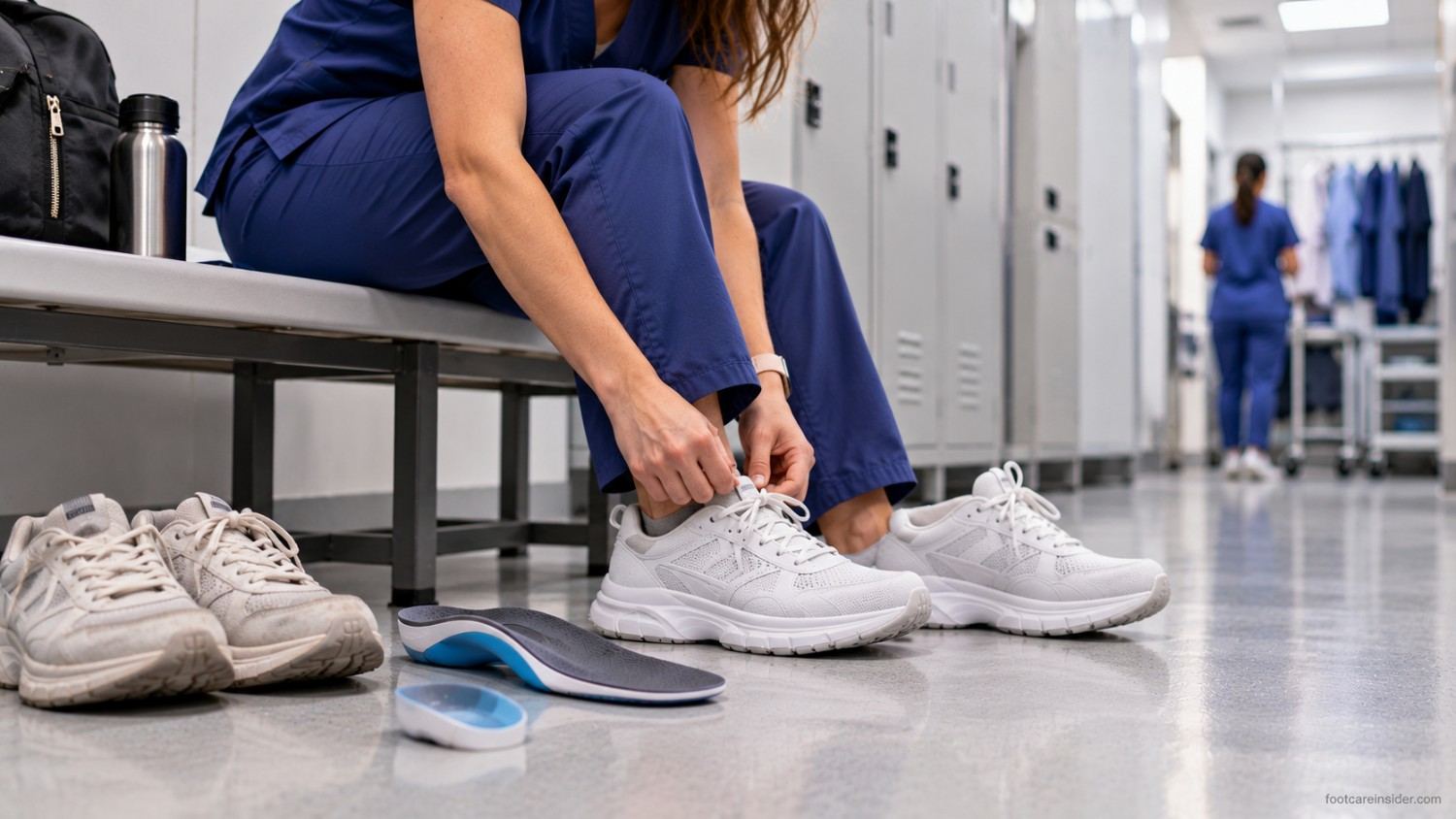
A nurse finishing a long shift may notice heel pain most clearly when getting up after sitting down, taking the first steps in the morning, or walking across another stretch of hard hospital flooring. When plantar fasciitis is involved, those repeated steps can make footwear choices particularly important. Searching for nursing shoes for plantar fasciitis means balancing several practical needs: cushioning under the heel, a stable platform, a secure fit, and enough comfort for hours of standing and walking. A soft shoe alone is not necessarily the answer, and a rigid shoe is not automatically supportive. The right choice depends on how the shoe fits, how its sole feels underfoot, and whether it works with any insole or heel support you use.
For nurses with plantar fasciitis, a useful starting point is a work shoe that combines comfortable cushioning with a stable base and a secure heel fit. A cushioned walking shoe such as the HOKA Bondi SR or Brooks Ghost 17 may suit nurses who prefer sneakers, while the Dansko Professional Clog offers a different, more structured style. Support inserts and heel cups are separate options to consider when the shoe itself does not provide the feel you need. Fit, workplace requirements, and individual symptoms should guide the final choice.
Quick picks
HOKA Bondi SR (women’s) Cushioned work sneaker
Check price on AmazonDansko Professional Clog Structured clog design
Check price on AmazonBrooks Ghost 17 (women’s) Cushioned walking shoe
Check price on AmazonSuperfeet Green Support Supportive replacement insole
Check price on AmazonHeel Cups Additional heel cushioning
Check price on AmazonCompare nursing shoes and support options for plantar fasciitis
| Option | Support approach | May suit | What to check |
|---|---|---|---|
| HOKA Bondi SR (women’s) | Thick cushioning and a broad sole design | Nurses who prefer a cushioned sneaker for long periods on hard floors | Workplace requirements, fit, and outsole suitability |
| Dansko Professional Clog | Structured clog with a rocker-style sole | Nurses who prefer a more structured alternative to sneakers | Heel security, walking comfort, and workplace requirements |
| Brooks Ghost 17 (women’s) | Cushioned running-shoe design | Nurses who prefer a conventional lace-up shoe | Fit, available version, and suitability for the work environment |
| Superfeet Green Support | Structured insole support | People considering a replacement insole for a compatible shoe | Available shoe volume and compatibility |
| Heel Cups | Localized cushioning around the heel | People seeking additional cushioning in the heel area | Fit inside the shoe and whether the added height affects stability |
What matters most in nursing shoes for plantar fasciitis?
Plantar fasciitis involves the plantar fascia, a band of tissue running along the bottom of the foot between the heel and the forefoot. Symptoms often include pain near the heel, sometimes particularly noticeable with the first steps after rest. Nurses may spend much of a shift alternating between standing at a workstation, walking between rooms, and turning or changing direction in confined spaces. Shoes need to work across those activities rather than feel comfortable only while standing still.
Cushioning that feels comfortable under the heel
Cushioning can make hard floors feel less unforgiving, but the softest midsole is not necessarily the best choice for every foot. A shoe should feel comfortable when you walk, not merely when you press the foam with your hand. Pay attention to whether the heel feels protected without the shoe feeling unstable or forcing your foot into an uncomfortable position.
A stable platform and secure fit
A broad, stable base can feel reassuring during repeated steps and changes of direction. The heel should sit securely, and the shoe should not slip, pinch, or force your toes together. A shoe that is too loose may cause you to grip with your toes, while one that is too tight can create pressure elsewhere. Try footwear later in the day if your feet tend to swell during a shift, and assess the fit with the socks you normally wear at work.
Should you choose a nursing sneaker, a clog, or an added support?
The main decision is whether you want the support built into a complete shoe or prefer to adjust the feel of a shoe with an additional insert. A cushioned sneaker offers a familiar lace-up fit, while a structured clog has a different shape and walking feel. Neither style is universally better for plantar fasciitis. Your comfort, walking pattern, workplace rules, and the way the shoe fits your heel and arch all matter.
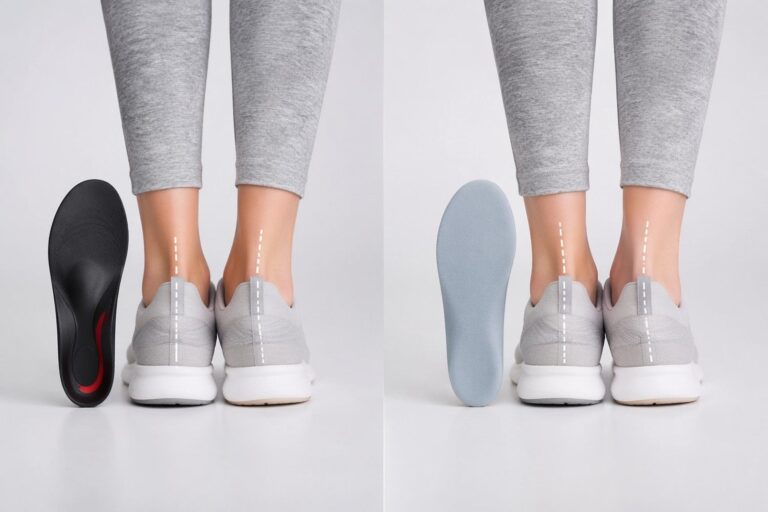
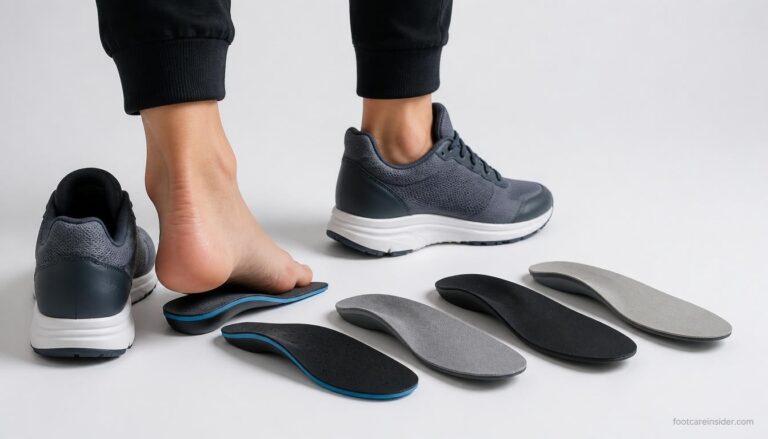
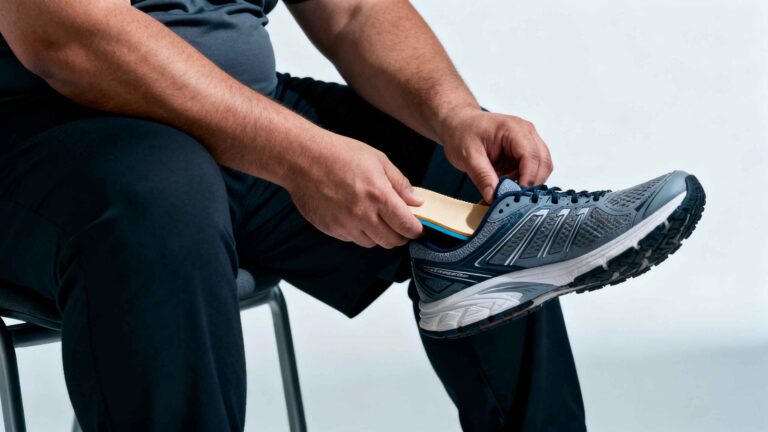
An insole or heel cup may be worth considering if your current footwear leaves you wanting more support or cushioning. Before adding one, check how much room remains inside the shoe. An insert that crowds the toes or lifts the heel too far out of the shoe can create new fit problems. For a closer look at footwear options for healthcare shifts, see our guide to the best shoes for nurses.
The products below represent different approaches to cushioning, shoe structure, and added support. The useful choice is the one that fits your foot and work environment rather than the one with the most cushioning or the most rigid insert.
HOKA Bondi SR (women’s): Cushioned work sneaker
The HOKA Bondi SR is worth considering if you prefer a substantial sneaker rather than a structured clog. Its thick cushioning and broad sole design may appeal to nurses who spend much of a shift walking between patient rooms or standing on hard floors. For plantar fasciitis, the important question is whether the cushioning feels comfortable under your heel while the shoe keeps your foot secure during repeated steps. The Bondi SR is a complete footwear option, so assess its fit and support before deciding whether an additional insole is necessary. Check the current listing and your workplace requirements before choosing it for a clinical shift.
Why it works
- Thick cushioning may feel more comfortable on hard hospital floors.
- A substantial sole provides an alternative to thin, flexible work shoes.
- The lace-up design allows you to adjust the fit around your foot.
Keep in mind: A cushioned shoe does not guarantee relief from plantar fasciitis. Check the fit, outsole specifications, and workplace requirements before buying.
Dansko Professional Clog: Structured work footwear
The Dansko Professional Clog offers a different approach for nurses who prefer a structured clog instead of a conventional athletic sneaker. Its rocker-style sole is designed to encourage a rolling motion through the step, which some wearers may prefer during long periods of walking and standing. With plantar fasciitis, however, the way a clog fits and feels under your heel matters more than its category. Try to assess how securely it stays on your foot as you walk and turn. If you are accustomed to lace-up shoes, allow for the different feel of a clog before committing to wearing it throughout a full shift.
Why it works
- The structured clog design offers an alternative to soft athletic sneakers.
- The rocker-style sole may suit people who prefer a rolling step.
- Its shape gives nurses another option when comparing footwear styles for work.
Keep in mind: A clog will not fit or feel right for everyone. Check heel security, walking comfort, and your employer’s footwear rules.
Brooks Ghost 17 (women’s): Cushioned lace-up shoe
The Brooks Ghost 17 is another option for nurses who prefer a conventional lace-up shoe with a cushioned running-shoe design. Although it is not the same type of footwear as a dedicated work clog, its cushioning may appeal to people who want a familiar athletic-shoe feel during a busy shift. Consider how the heel sits inside the shoe, whether the arch area feels comfortable, and whether your foot remains secure during changes of direction. A good fit is especially important if you plan to add an orthotic. Before using a running-style shoe at work, confirm that its outsole and overall construction meet your workplace’s requirements.
Why it works
- The cushioned running-shoe design offers an alternative to structured clogs.
- Laces let you adjust the fit across the midfoot.
- The familiar sneaker shape may suit nurses who prefer athletic footwear.
Keep in mind: Do not assume that a running shoe meets every hospital’s slip-resistance or uniform requirements. Verify the current listing and workplace rules.
Superfeet Green Support: An additional insole option
Superfeet Green Support is worth considering if your current work shoes fit well but you want to explore a more structured insole. A replacement insole changes the way your foot sits inside the shoe, so it is important to assess both the support and the available space. For plantar fasciitis, an insert may be one part of a broader approach rather than a complete solution on its own. Remove the original insole only if the shoe is designed to accommodate a replacement, and check that the new insert does not crowd your toes or lift your heel too far out of the shoe.
Why it works
- Offers a separate support option for compatible footwear.
- Lets you explore a different underfoot feel without replacing the entire shoe.
- Can be compared with the support already provided by your work footwear.
Keep in mind: A structured insole may feel too firm or take up too much room in some shoes. Check compatibility and fit before wearing it for a full shift.
Heel Cups: Focused cushioning under the heel
Heel cups are a more targeted option for nurses who want additional cushioning around the heel rather than a full-length replacement insole. They may be worth considering when the heel area is the main source of discomfort and the existing shoe otherwise fits comfortably. Their effect depends on the cup’s shape, material, and how it sits inside the shoe. A heel cup is not interchangeable with every type of orthotic, and it will not necessarily provide the arch support that another insert offers. Check the product’s dimensions and intended fit, particularly if your work shoes already have a snug heel or limited internal space.
Why it works
- Focuses added cushioning around the heel area.
- May be an option when you do not want to replace a full-length insole.
- Can be assessed with an existing pair of comfortable work shoes.
Keep in mind: A heel cup can change how your foot sits in the shoe. Stop using it if it causes rubbing, instability, or increased discomfort.
How insoles and heel support fit into a plantar fasciitis plan
The right shoe is a useful starting point, but it may not address every factor contributing to persistent heel pain. Footwear should fit comfortably, provide a suitable level of cushioning, and feel stable during the activities required by your job. If you are considering an insert, evaluate it together with the shoe rather than assuming that more support is always better.
Heel cups focus on cushioning around the heel, while a full-length insole can change support across more of the foot. Neither option is guaranteed to resolve plantar fasciitis on its own. Clinical guidance indicates that foot orthoses may be useful as part of a broader treatment approach, rather than as an isolated short-term solution.
If discomfort is concentrated in another part of the foot, the support you need may differ. Our guide to insoles for ball-of-foot pain covers a different pressure-related concern and should not be treated as a substitute for heel-specific guidance.
If your heel pain persists, worsens, or interferes with normal walking despite footwear changes, seek assessment from a qualified healthcare professional. They can help determine whether plantar fasciitis is the correct explanation and whether exercises, other treatments, or a different support strategy are appropriate.
Frequently Asked Questions
What type of nursing shoe is worth considering for plantar fasciitis?
Start with a shoe that fits securely, feels comfortable under the heel, and provides a stable platform for your usual work activities. Some nurses prefer cushioned sneakers, while others prefer structured clogs. Neither style is universally best, so compare the fit and feel rather than choosing by category alone.
Are cushioned shoes always better for plantar fasciitis?
Not necessarily. Cushioning can make hard surfaces feel more comfortable, but excessive softness or an unstable fit may not suit every person. Consider how the shoe feels when walking and turning, and whether the heel and arch feel adequately supported without pressure or rubbing.
Can I use an insole inside my nursing shoes?
Possibly, provided the shoe has enough room and accommodates a replacement or additional insert. A bulky insole can crowd the toes or change heel fit. Check whether the original insole is removable and assess the fit carefully before wearing the combination for a long shift.
Are heel cups or full-length insoles better for plantar fasciitis?
They serve different purposes. Heel cups concentrate cushioning around the heel, while full-length insoles can affect support across more of the foot. The appropriate choice depends on your symptoms, shoe fit, and the type of support you find comfortable. Neither should be assumed to work for everyone.
Should I keep working through plantar fasciitis pain?
Do not ignore pain that is persistent or getting worse. Consider whether your footwear and work demands are contributing, and seek professional evaluation if symptoms continue or interfere with walking. A clinician can assess your symptoms and advise on an appropriate treatment plan.
What should I check before wearing nursing shoes on a hospital shift?
Check the fit, heel security, comfort during walking and turning, and any specific footwear requirements set by your employer. Do not assume that a shoe is slip-resistant, waterproof, or approved for clinical use unless the current product information and workplace rules confirm it.
Final verdict
For nurses with plantar fasciitis, the most useful choice is the shoe that combines a secure fit, comfortable heel cushioning, and stability for the demands of a long shift. The HOKA Bondi SR and Brooks Ghost 17 offer cushioned sneaker styles, while the Dansko Professional Clog provides a more structured alternative. Superfeet Green Support and heel cups are separate options to consider when evaluating additional support. No product guarantees relief, so prioritize fit, workplace suitability, and professional guidance when pain persists.
More nurse shoe guides: shoes for nurses with flat feet and insoles for nursing shoes.