Complete Guide to Choosing Insoles for Everyday Foot Comfort
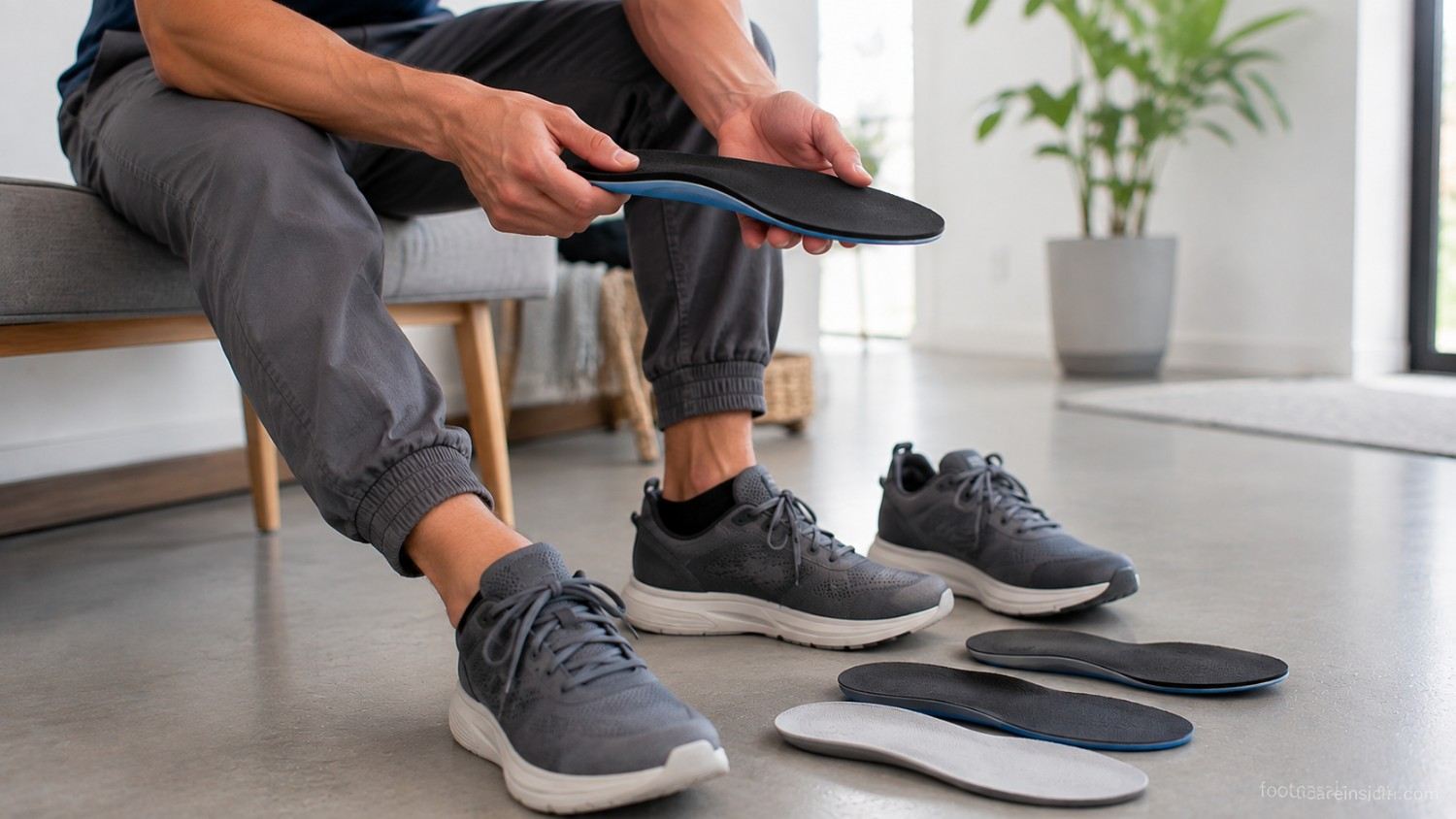
Choosing insoles for everyday foot comfort can seem simple until you start comparing cushioning, arch support, thickness, firmness, and fit. A person who spends most of the day walking may want something different from someone who stands at work, commutes, runs errands, or simply wants their everyday shoes to feel better. The right insole needs to work with the shoe, the amount of time you spend on your feet, and the kind of discomfort you actually notice.
For everyday use, there is no single insole that is best for everyone. The most useful choice depends on your main activity, where your feet become uncomfortable, how much support you prefer, how much space your shoes have, and whether you need cushioning, structure, or a balance of both. The goal is to match the insole to your real routine rather than choosing based on softness or thickness alone.
What Should You Look for in an Everyday Insole?
Start with your normal day rather than the product itself. Think about how many hours you spend standing or walking, whether your feet feel tired by afternoon, and whether the discomfort is mainly under the heel, around the arch, or toward the forefoot.
Your shoes matter just as much. An insole has to fit the shape and available space inside the shoe, so a design that works well in a roomy walking shoe may feel completely different in a close-fitting sneaker.
The basic decision comes down to a few practical questions: do you need more cushioning, more structure, a slimmer profile, or a combination? Someone seeking general comfort may only need moderate cushioning, while someone whose arches feel tired during long periods on their feet may prefer more structured support.
It is also useful to think about what happens over time. An insole that feels pleasant for a few minutes is not necessarily the right choice for several hours of normal walking and standing.
How Your Daily Routine Changes the Insole You Need
Everyday foot comfort is shaped by what your feet repeatedly do.
Someone who walks several miles during commuting, shopping, errands, or daily activities places a different workload on the feet from someone who spends most of the day standing in one place. Walking repeatedly shifts pressure through the heel, arch, and forefoot, while prolonged standing creates a more continuous load.
Your surface can change that experience as well. Walking mostly on carpet, sidewalks, tile, concrete, or mixed flooring creates different amounts of perceived impact and fatigue.
The time of day is another useful clue. If your feet feel fine in the morning but increasingly tired by late afternoon, the accumulated workload may be more important than how the insole feels during the first few minutes.
If everyday use leaves your feet feeling tired on firm surfaces, Why Hard Floors Cause Foot Fatigue explains how prolonged exposure to harder flooring can contribute to that pattern.
For many people, the best insole is therefore not the one with the most features. It is the one that matches the amount and type of work their feet actually do.
How Cushioning and Support Change the Feel
Cushioning and support are related, but they are not the same thing.
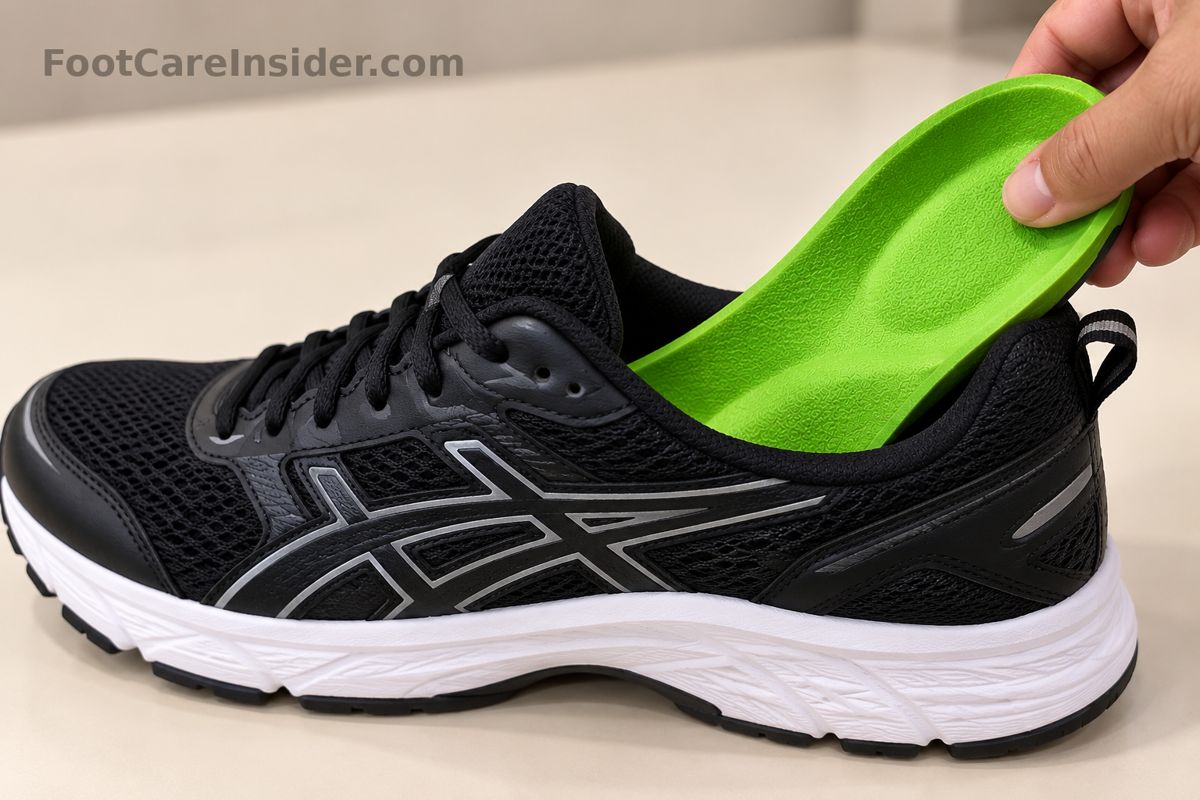
A cushioned insole is mainly intended to make contact with the ground feel softer and more forgiving. That can be appealing when your feet feel generally tired after walking or standing. A more structured insole places greater emphasis on how the foot is supported inside the shoe.
Some people prefer a softer feel because it makes everyday walking more comfortable. Others find that a firmer structure feels steadier, especially when they spend a long time on their feet.
There is no need to assume that one approach is automatically better. Too much softness can feel less stable for some users, while a highly structured design can feel unnecessary when the main issue is simple fatigue.
The difference is especially important when choosing an everyday insole because everyday shoes are often worn across several situations. You may sit, walk, stand, climb stairs, and run errands in the same pair.
A useful way to understand the distinction is through Cushioning vs Stability Insoles, particularly if you are unsure whether softness or structure should be the priority.
Why Thickness and Shoe Fit Matter So Much
An insole does not exist independently from the shoe. It changes the amount of space available inside it.
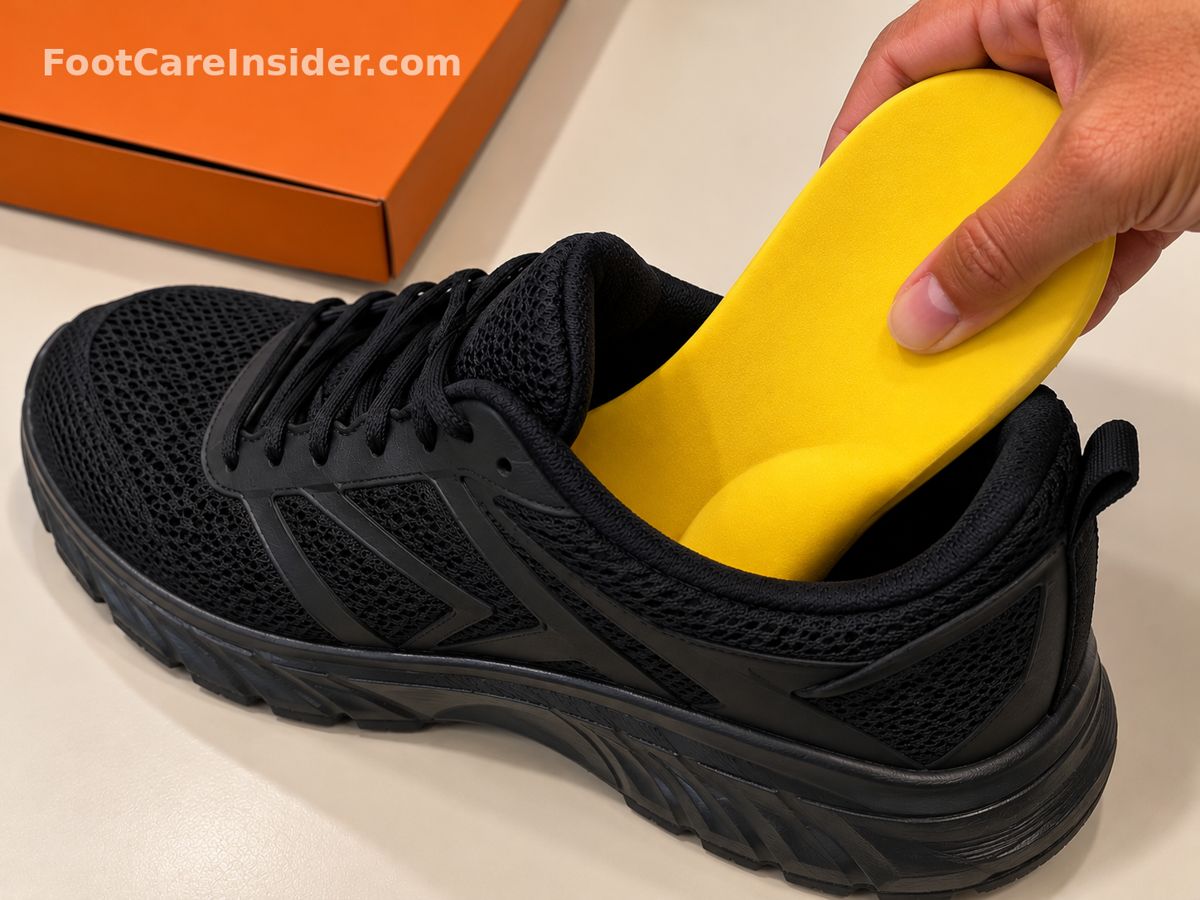
A thicker insole can provide more material for cushioning or support, but it also takes up more room. That can be perfectly comfortable in a deeper shoe and noticeably restrictive in a shallow sneaker.
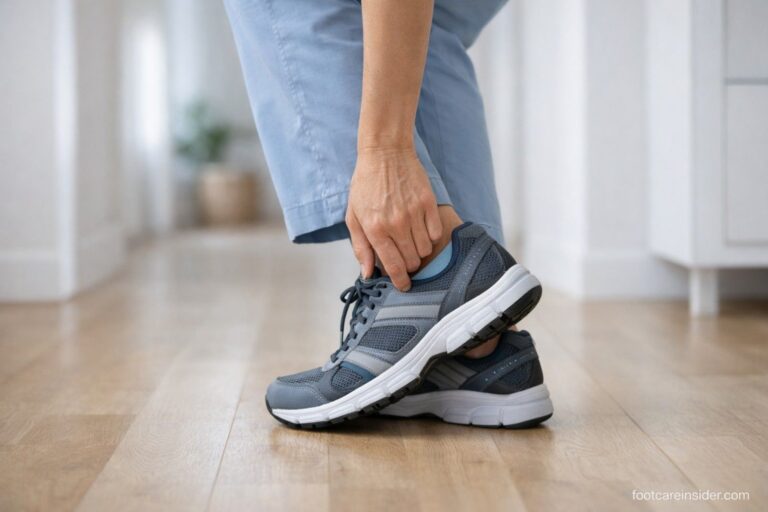
Watch the fit around the toes, the top of the foot, and the heel. If your toes lose room or the upper starts pressing down after the insole is installed, the problem may not be the insole itself. The combination may simply be too bulky.
A removable original liner can also change the equation. Replacing rather than stacking an insole may create more usable space, depending on the shoe.
Thin does not automatically mean low quality, either. A lower-profile insole can be the more practical choice when footwear already fits closely. The important question is what level of cushioning and support you can add without compromising the basic fit of the shoe.
For a closer comparison of these tradeoffs, Thick vs Thin Insoles explains why thickness can affect both comfort and usable shoe space.
How to Tell Which Support Direction Fits You
Once you understand your routine and your shoe fit, the choice becomes easier.
If your main problem is general everyday fatigue, especially after walking or spending several hours on your feet, start by considering moderate cushioning. You do not necessarily need the softest possible surface; the goal is a comfortable feel that remains useful as the day progresses.
If your arches feel tired or unsupported, a more structured support direction may make more sense. This can provide a firmer platform under the foot, although stronger support can feel more noticeable and may take up more internal space.
If your feet feel less stable during walking, stability may deserve more attention than plush cushioning. This is particularly relevant when your routine involves repeated walking, turns, stairs, or long periods moving around.
If your shoes already feel snug, look toward a thin or low-profile profile before considering thicker designs. Preserving toe room and a secure heel can matter more than adding another layer of cushioning.
And if your everyday shoes are used heavily, durability becomes part of comfort too. An insole that gradually loses its shape or cushioning can feel very different after repeated use.
There is also no reason to force one type onto every pair of shoes you own. A walking shoe, work shoe, casual sneaker, and house shoe may each benefit from a different balance of cushioning, structure, and space. The best starting point is the combination that feels natural during the activities you actually do, while keeping enough room for your foot to move comfortably.
How to Make a New Insole Feel Right
A new insole does not always feel immediately natural, particularly when its shape or firmness is different from the original liner in your shoe. Give yourself some time to notice how it feels during normal use rather than judging it after a few steps.
Start with shorter periods if the change is substantial. Walk around normally and pay attention to whether the heel stays secure, the toes have enough room, and the arch feels supported without creating a persistent pressure point.
Your socks matter too. Everyday comfort can change with thicker or thinner socks, particularly inside shoes that already have limited room.
If a new insole makes the shoe feel noticeably tighter, it is worth checking the fit before assuming you need a different type of support.
When More Cushioning Makes Sense
For general everyday walking and standing, moderate cushioning is often a reasonable starting point when your feet mainly feel tired rather than unsupported. It can make the contact between your feet and the ground feel more forgiving without changing the shoe as dramatically as a highly structured design.
Cushioning can be especially appealing for errands, commuting, casual walking, and other routines where comfort is the main goal. The tradeoff is that a very soft insole may feel less stable for someone who spends much of the day walking or standing.
When More Structure Makes Sense
A more structured insole may be worth considering when your main concern is a feeling of inadequate support rather than simple tiredness.
This can include people who spend long periods standing, walk frequently during the day, or prefer a firmer, more controlled feel beneath the foot. Structured support can be useful without requiring an aggressive design, but the additional shape may be more noticeable inside the shoe.
If the insole creates pressure that does not settle during normal use, reassess the combination rather than assuming stronger support is always better.
When a Low-Profile Insole Is the Better Choice
If your shoes already fit closely, a thinner insole can be a practical solution. It leaves more usable space around the toes and across the top of the foot while still allowing you to change the cushioning or support underfoot.
This can be especially useful in casual sneakers, dressier shoes, or other footwear with limited internal depth. The obvious compromise is that a slimmer insole has less material available for cushioning and structure.
The goal is not maximum thickness. It is enough support to improve comfort without changing the basic fit of the shoe.
When to Replace or Reconsider an Insole
An insole can gradually change as it is used. Cushioning may compress, the shape can flatten, and areas that once felt supportive may no longer feel the same.
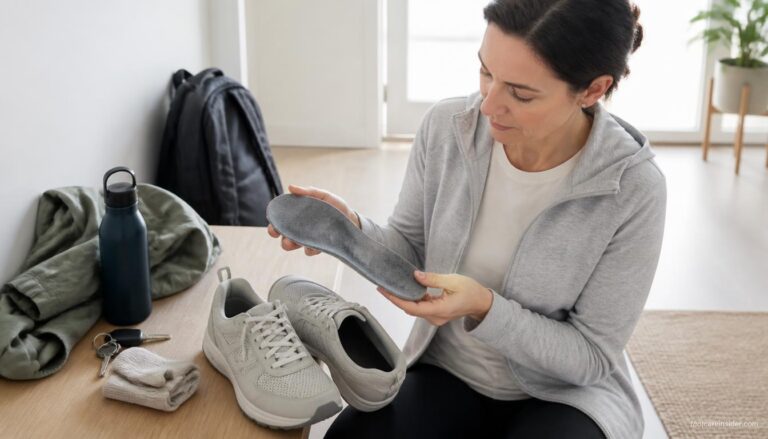
If your everyday shoes have started becoming less comfortable after months of regular use, compare how the current insole looks and feels with its original condition. A noticeably compressed heel or flattened support area can be a practical reason to replace it.
At the same time, don’t assume an aging insole is always the explanation. A worn shoe, changed activity level, or different fit can produce similar changes in comfort.
Our picks: Based on what you need most, these are the three we would start with.
Moderate support insoles – A balanced everyday insole for walking and errands.
Cushion insoles – More softness for tired feet on hard floors.
Low-profile insoles – A slim insole for close-fitting shoes.
Common Questions
Should everyday insoles be soft or firm?
There is no universal answer. Softer cushioning may suit general fatigue, while a firmer structure may feel better when you prefer more support or stability during longer periods on your feet.
How do I know if an insole is too thick?
Try the insole with your normal socks and check the toes, upper, and heel. If the shoe suddenly feels cramped or your foot is pushed upward into the upper, the insole may be taking up too much space.
Should I remove the original insole?
When the original liner is removable, taking it out can create more room for a replacement. The important point is that the shoe should still hold your foot securely and feel comfortable during normal movement.
How long should I try a new insole before deciding?
Use it gradually enough to judge how it feels during real activity, not just while standing still. If discomfort is persistent rather than simply unfamiliar, changing the fit or insole may make more sense than continuing to use it.
Can I use different insoles in different everyday shoes?
Yes. Your shoes can have different shapes, depths, and cushioning, so the same insole does not necessarily make sense in every pair. A low-profile option may suit one shoe while a more cushioned or structured design works better in another.
Curious how we choose what we write about? See how we pick products.
Choosing Insoles Is Really About the Whole Combination
The best everyday insole is the one that works comfortably with your feet, your shoes, and your routine. Think first about whether you need more cushioning, more structure, more stability, or simply a better-fitting profile.
Then judge the combination during the activities you actually do. A good result should provide useful comfort or support without creating new pressure, reducing toe room, or making the shoe feel unstable.