How Should Insoles Fit Inside Your Shoes?
Choosing the right insole is only part of the equation. Even a high-quality insole may not provide the intended support if it doesn’t fit properly inside your shoes. An insole that slides, curls at the edges, or crowds your toes can affect comfort, stability, and the way your feet move throughout the day.
A properly fitted insole should sit flat inside the shoe, match the shape of the footbed, and provide support without making the shoe feel overly tight. Whether you use insoles for everyday comfort, prolonged standing, or additional arch support, ensuring they fit correctly helps them perform as intended.
Quick answer: a well-fitted insole lies completely flat, sits fully in the heel cup, does not slide when you walk, and leaves your toes free to move. The easiest test is to compare it with the shoe’s original insole: if the outline matches, the fit is right. If it is longer, wider or noticeably thicker, trim it (if the maker allows) or choose a different size or a lower-profile insole.
Our picks: If you are shopping for insoles that are easy to fit, these are two we would start with.
Full-Length Insoles – A full-length insole replaces the factory insole instead of sitting on top of it, the method this guide recommends. Check the listing’s trim guide before you cut anything.
SOLE Active Thin – A low-profile option for snug shoes, where thickness is the real fit problem.
Why Proper Insole Fit Matters
Insoles are designed to work together with your shoes, not compete for space inside them.
If the edges lift or fold, see why insoles curl up inside shoes.
When an insole fits properly, it creates a stable surface that helps distribute pressure more evenly across the foot. This can improve comfort during walking and standing while reducing unwanted movement inside the shoe.
If an insole is too large, too small, or too thick for the shoe, your foot may sit differently than intended. This can lead to heel slippage, pressure on the toes, or instability during everyday movement.
Understanding how support works inside the shoe becomes easier after reading Complete Guide to Arch Support and Foot Stability.
What a Properly Fitted Insole Should Look Like
A correctly fitted insole should follow the shape of the shoe’s interior without folding or lifting.
When placed inside the shoe:
- The heel should sit fully inside the heel cup.
- The edges should lie flat against the footbed.
- The front of the insole should reach the toe area without curling upward.
- The insole should not move easily when walking.
Your foot should also remain comfortably positioned inside the shoe. There should still be enough room for your toes to move naturally without feeling cramped.
How to Put Insoles in Your Shoes (and Which Way Up They Go)
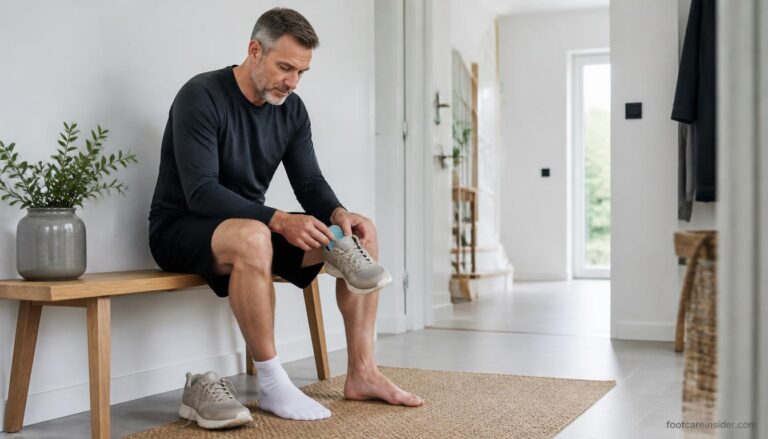
Most insoles have a top and a bottom, and putting them in upside down or backwards is a common reason they feel wrong. Here is the usual way to do it.
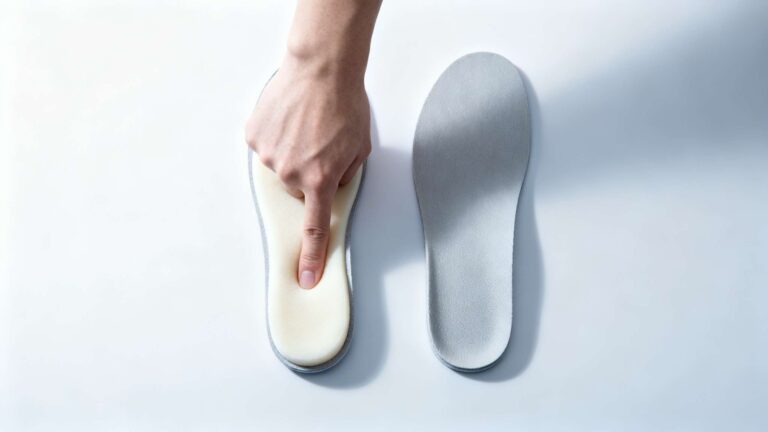
- Top side up. The side that faces your foot is usually fabric or a smooth topcover. The underside is often plain foam, rubber or a textured base meant to grip the shoe.
- Heel in the heel. The rounded back end goes against the back of the shoe. The raised arch area should sit under the arch of your foot, not under the ball of the foot.
- Check left and right. Many supportive insoles are made as a left and a right pair and are marked L and R. Flat cushion insoles often fit either shoe.
- Take out the factory insole first. Do not stack the new insole on top unless the manufacturer says to. See why you should remove the original insoles.
- Wear your usual socks when you try them. Thick socks change how much room the shoe has.
If the insole is hard to get flat, press it down from the heel toward the toes with your hand before putting your foot in.
The 60-Second Insole Fit Test
You can check fit in a minute, before you wear new insoles for a full day. Do this with the shoes you will actually use them in.
- Take out the shoe’s factory insole, if it is removable.
- Lay the new insole on top of the factory insole. The outlines should line up closely, especially at the heel and the front edge.
- Place the new insole in the shoe by itself, not on top of the old one. Press the edges down so nothing is folded.
- Put the shoe on and stand up. Your heel should sit in the cup, and your toes should be able to spread without pressing the front of the shoe.
- Walk indoors for about five minutes. Heel slipping, wrinkles or a spot of pressure mean the fit needs adjusting.
If something feels off, our guides on trimming insoles to fit and on removing the original insoles first cover the fixes step by step.
Signs an Insole Doesn’t Fit Correctly
Sometimes an insole appears to fit but causes problems once you begin walking.
Common signs of poor fit include:
- Heel slipping while walking.
- Toes feeling crowded.
- Wrinkles forming beneath the foot.
- The insole shifting inside the shoe.
- Pressure points developing under the arch or forefoot.
- Shoes suddenly feeling much tighter than before.
These issues often indicate that the insole is the wrong size, too thick, or simply incompatible with the shoe’s design.
Shoe Type Makes a Difference
Not every shoe is designed to accommodate the same type of insole.
Athletic shoes often have removable factory insoles, making them easier to replace with supportive alternatives.
Casual sneakers also commonly provide enough interior volume for replacement insoles.
Dress shoes, however, usually have a shallower interior. Thick supportive insoles may reduce available space and create pressure across the top of the foot.
Work boots and hiking boots frequently offer additional depth, although choosing an insole that matches the boot’s shape remains important.
Because shoe construction varies considerably, the same insole may fit perfectly in one pair while feeling uncomfortable in another.
Readers comparing different footwear options often find Insoles vs Supportive Shoes helpful when deciding whether replacing the insole or upgrading the shoe itself makes more sense.
| Shoe type | Usual room for an insole | What tends to fit best |
|---|---|---|
| Running and walking shoes | Good, removable factory insole | Full-length insoles, replacing the factory insole |
| Casual sneakers | Moderate | Full-length, medium-thickness insoles |
| Work boots and hiking boots | Good depth | Full-length insoles shaped for the boot |
| Dress shoes and loafers | Shallow | Thin or 3/4-length insoles |
Not sure about length? Our comparison of full-length vs 3/4 insoles explains which suits tighter shoes, and low-profile vs standard insoles helps if your shoes are shallow. If your shoes feel tight after adding insoles, see can insoles make shoes too tight.
Thickness Can Affect Fit
Many people focus only on the length of an insole, but thickness can be equally important.
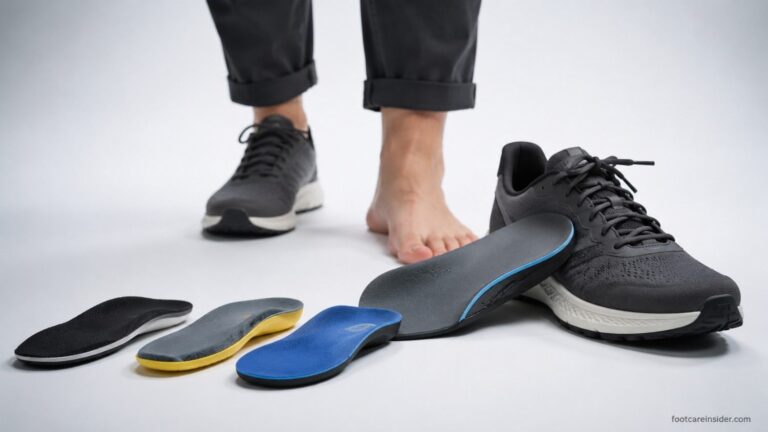
A thicker insole raises the foot higher inside the shoe. This may reduce toe room, increase pressure across the top of the foot, or change how securely the heel sits inside the shoe.
Thinner insoles usually preserve more internal space but may provide less cushioning or structural support depending on their design.
The goal is to find a balance where the insole provides the desired support without compromising the overall fit of the shoe.
Should You Trim Insoles?
Many replacement insoles are designed to be trimmed.
If trimming is recommended by the manufacturer, carefully follow the printed guide or use the original factory insole as a template.
Only remove small amounts at a time and check the fit after each adjustment.
Cutting away too much material may reduce stability or leave gaps around the edges of the shoe.
When Fit Problems Become More Noticeable
An insole that fits poorly may not cause immediate discomfort.
Instead, you might notice problems developing gradually during longer walks or after spending several hours on your feet.
Common examples include:
- Increased foot fatigue late in the day.
- Hot spots caused by friction.
- Heel movement inside the shoe.
- Mild arch discomfort.
- Forefoot pressure after prolonged standing.
If discomfort consistently develops after wearing the same shoes and insoles together, checking the fit is often one of the first troubleshooting steps.
People adjusting to more supportive insoles sometimes wonder whether temporary discomfort is normal. Our guide to Why Do Insoles Hurt My Arches? explains when mild adjustment may be expected and when it could indicate a fit issue.
How to Improve Insole Fit
If an insole doesn’t feel quite right, replacing it isn’t always necessary. Small adjustments can often improve both comfort and stability.
Begin by removing the original factory insole if your shoes are designed for replacement insoles. Placing a new insole on top of the existing one usually reduces available space and can make the shoe feel tighter than intended.
After installing the insole:
- Check that it sits flat against the bottom of the shoe.
- Make sure the heel rests securely inside the heel cup.
- Walk around indoors for several minutes before wearing the shoes for longer periods.
- Pay attention to any rubbing, slipping, or pressure points.
A properly fitted insole should feel secure without drawing attention to itself during normal walking.
How Insoles Work Best With Your Shoes
A supportive insole performs best when paired with footwear that already fits correctly.
If a shoe is too narrow, too shallow, or excessively worn, even a well-designed insole may not improve comfort. Likewise, an oversized shoe may allow the foot to move excessively regardless of the insole being used.
The shoe and insole should function as one system, providing enough room for natural toe movement while maintaining stability throughout each step.
When Poor Fit May Require Professional Advice
Minor discomfort during the first few days of wearing new insoles is sometimes part of the adjustment process, particularly with more supportive designs.
However, persistent problems should not be ignored.
Consider consulting a healthcare professional if you experience:
- Ongoing foot pain despite correctly fitted insoles.
- Numbness or tingling after wearing the shoes.
- Persistent pressure beneath the arch or ball of the foot.
- Blisters or recurring areas of friction.
- Changes in your walking pattern because of discomfort.
These symptoms may indicate that the issue involves your footwear, foot structure, or an underlying condition rather than simply the insole itself.
Preventing Future Fit Problems
Taking a few simple steps can help ensure replacement insoles continue fitting properly.
Helpful habits include:
- Checking the fit whenever you buy new shoes.
- Replacing worn insoles before they lose their shape.
- Keeping the inside of your shoes clean and free of debris.
- Using insoles designed for your shoe type whenever possible.
- Rechecking fit after trimming removable insoles.
Small changes in footwear over time can affect how well an insole performs, even if it originally fit perfectly.
A properly fitted insole should feel secure, supportive, and comfortable without causing pressure points or restricting natural foot movement. Good fit is usually more important than choosing the thickest or most heavily cushioned option.
Common Questions
Should I remove the original insoles before installing new ones?
In most cases, yes. Many athletic shoes and walking shoes are designed with removable factory insoles. Replacing them instead of stacking a second insole on top usually provides a better fit and prevents the shoe from becoming too tight.
Is it normal for new insoles to feel different?
Yes. Supportive insoles often change how pressure is distributed across the foot. A brief adjustment period is common, but discomfort should gradually improve rather than become worse.
Can insoles be too thick for my shoes?
Absolutely. An overly thick insole can reduce toe space, raise the heel too high inside the shoe, and increase pressure across the top of the foot. Choosing an insole that matches the available space inside the shoe is important.
How do I know if an insole is the wrong size?
An insole that slides, wrinkles, curls at the edges, or leaves gaps inside the shoe may not fit correctly. Heel slipping, toe crowding, and recurring pressure points are also common signs of an improper fit.
Can one pair of insoles fit all my shoes?
Not always. Different shoes vary in depth, shape, and internal volume. An insole that works well in athletic shoes may not fit dress shoes, work boots, or casual sneakers equally well.
How much space should be left at the front of the insole?
The insole should reach the front of the footbed without bunching or curling. If it is longer than the footbed, trim it a few millimetres at a time. If it is shorter, your toes may be resting on bare shoe material, which is fine for 3/4-length insoles but not for full-length ones.
Why does my insole keep sliding forward?
Sliding usually means the insole is smaller than the footbed, the shoe is too large, or a second insole is stacked on top of the factory one. Remove the factory insole and check the size first. Some insoles have a non-slip underside, and a shoe with a roomier heel may need a deeper heel cup.
How long until new insoles feel right?
A fit problem such as slipping, folding or a sharp pressure spot is noticeable within the first few minutes. Support-related adjustment takes longer, often a couple of weeks of gradual wear. If a fit problem is still there after a short walk, fix the fit rather than waiting it out.
Which way up do insoles go?
The top, fabric or smooth side faces your foot, and the base sits against the bottom of the shoe. The heel end goes into the heel of the shoe, and the arch bump goes under your arch. If a pair is marked L and R, check that each goes in the matching shoe.
Do left and right insoles go in a specific shoe?
Contoured arch support insoles usually do, and they are marked L and R. Many flat cushioning insoles are the same shape on both sides, so either one fits either shoe.
Conclusion
Knowing how should insoles fit inside your shoes is about more than choosing the correct size. A properly fitted insole should lie flat, remain secure during movement, and work together with your footwear to support natural foot mechanics.
Taking the time to check fit, match the insole to the shoe, and make small adjustments when needed can improve comfort during walking, standing, and everyday activities. When insoles fit correctly, they are better able to provide the support and stability they were designed to deliver.