Should You Remove Original Insoles Before Adding New Ones?
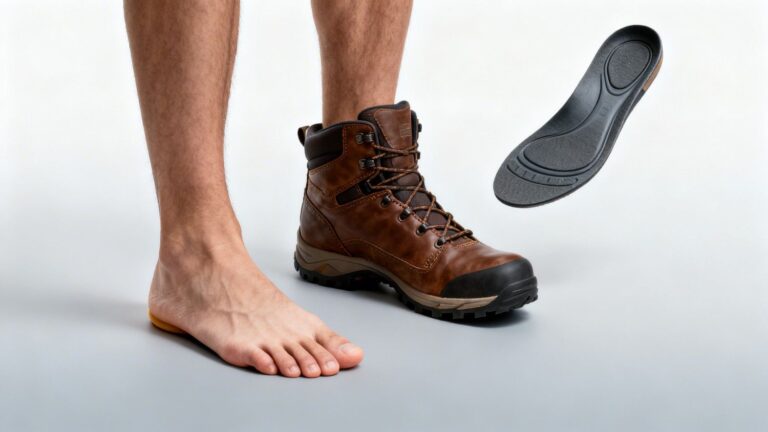
If you’ve purchased a new pair of insoles, one of the first questions you may have is whether the original insoles that came with your shoes should stay in place or be removed. The answer depends on the type of replacement insole you’re using and how your shoes fit, but in most cases, removing the factory insole creates a better foundation for support, comfort, and stability.
Many people simply place a new insole on top of the existing one without thinking about the extra thickness it adds. While this might seem harmless, it can reduce the available space inside the shoe, alter how your foot sits, and even create new pressure points. For someone who spends long hours walking, standing on hard floors, or working on their feet, these small changes can become noticeable by the end of the day.
Understanding when to remove the original insole—and when it’s acceptable to leave it in place—helps ensure your replacement insoles perform as intended while keeping your shoes comfortable.
If you’re replacing insoles because of ongoing discomfort but aren’t sure what may be causing your symptoms, the Interactive Foot Pain Tool can help you identify the painful area and explore common causes before deciding whether footwear changes might help.
Why Shoes Come With Original Insoles
Most everyday shoes include a removable factory insole. Its primary purpose is to provide basic cushioning and improve comfort for the average wearer rather than deliver significant arch support or correct foot mechanics.
Factory insoles are typically made from lightweight foam and are designed to fit a wide variety of foot shapes. They work well for casual use but often wear down more quickly than premium replacement insoles.
If you’re looking for improved cushioning, better arch support, or relief from foot fatigue, replacing the factory insole is usually more effective than stacking another one on top.
Readers interested in understanding how replacement insoles actually function may also find How Should Insoles Fit Inside Your Shoes helpful.
Why Removing the Original Insole Often Works Better
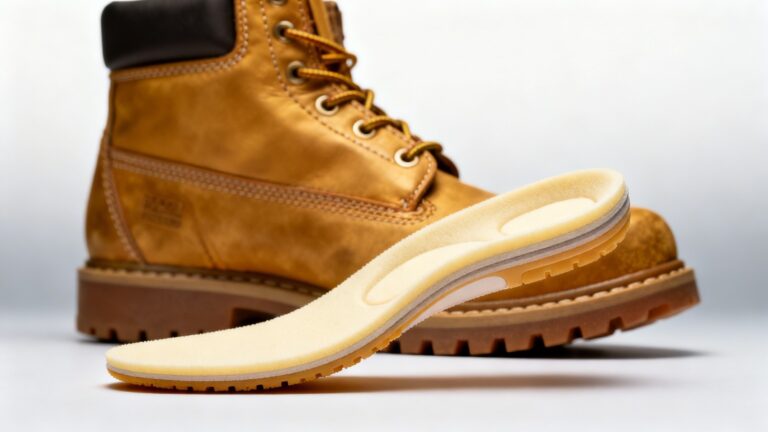
Most replacement insoles are engineered to replace the factory insole—not sit on top of it.
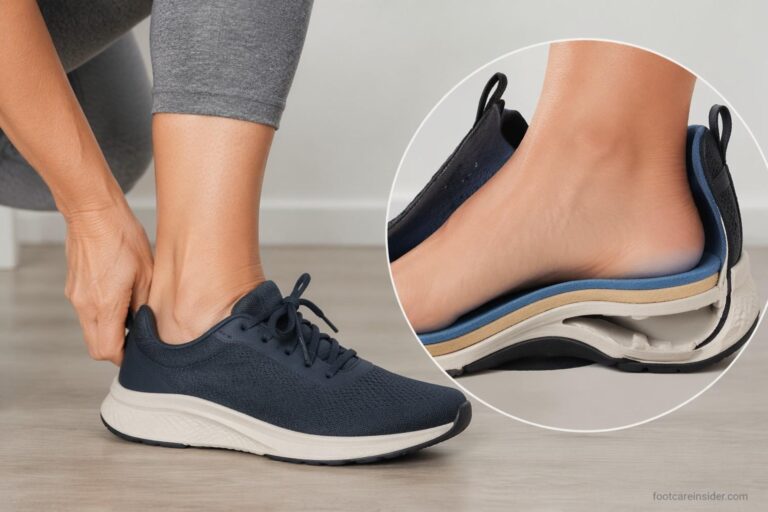
Removing the original insole allows the new one to sit directly on the shoe’s footbed, where it can better support your foot and maintain the shoe’s intended fit.
Keeping both insoles inside the shoe often creates several problems:
- Less room for your foot
- Increased pressure across the top of the foot
- A tighter toe box
- Heel slippage caused by an elevated foot position
- Reduced shoe stability while walking
These issues may not be obvious during a short walk around the house, but after several hours of standing or walking, they can contribute to discomfort and fatigue.
Made to replace the factory insole
Full-length insoles that swap straight in
If you’re taking the original insole out, these are designed to go in its place. Both have a firm arch and a deep heel cup, so they sit properly on the shoe’s footbed instead of on top of foam.
What Happens If You Stack Insoles?
Layering one insole over another changes the way your foot interacts with the shoe.
Instead of your heel sitting securely inside the heel cup, it may ride higher than intended. This slightly altered position can affect balance, reduce ankle stability, and increase rubbing around the heel collar.
The extra thickness can also compress the toes, particularly in athletic shoes, work boots, or dress shoes where interior space is already limited.
Some people notice:
- Tightness across the top of the foot
- Tingling or numb toes
- Increased friction leading to blisters
- Less stable walking, especially on uneven ground
For workers who spend eight to twelve hours standing on concrete floors or walking long warehouse aisles, even a few millimeters of additional height inside the shoe can become surprisingly noticeable over time.
When It’s Okay to Leave the Original Insole In Place
Although removing the original insole is generally recommended, there are situations where leaving it in place may be appropriate.
Very thin cushioning inserts, odor-control liners, or moisture-wicking covers are sometimes designed to sit on top of the existing insole without significantly affecting shoe fit.
Some casual comfort inserts add only a small amount of padding rather than structural support. Because they are extremely thin, they may work well without creating excessive bulk.
However, if your replacement insole includes features such as:
- A deep heel cup
- Firm arch support
- Shock-absorbing layers
- Stability features
- Full-length orthopedic construction
it is usually intended to replace—not supplement—the factory insole.
Signs Your Shoes Have Become Too Tight
Adding a second insole often changes the internal volume of the shoe enough to create symptoms that weren’t there before.
Pay attention to warning signs such as:
- Toes feeling cramped by midday
- Pressure across the top of the foot
- Heel slipping despite tighter laces
- Foot fatigue appearing earlier than usual
- New rubbing or blister formation
These symptoms suggest that the replacement insole may not have enough room to function properly.
People experiencing discomfort after installing new insoles often discover that removing the factory insole immediately improves both fit and comfort.
For a deeper explanation of why discomfort can develop with new inserts, it’s worth reading Why Do Insoles Hurt My Arches.
How Shoe Type Makes a Difference
Not every shoe provides the same amount of interior space.
Athletic walking shoes often include removable factory insoles specifically because manufacturers expect many people to replace them with custom or aftermarket options.
Running shoes, hiking footwear, and quality work boots generally accommodate replacement insoles more easily than slim casual shoes or dress shoes.
Minimalist footwear and fashion shoes usually have less available depth, making stacked insoles more likely to create fit problems.
If you frequently spend long days on your feet, choosing footwear with removable factory insoles provides greater flexibility when upgrading to supportive replacement insoles.
People who regularly experience tired feet after long workdays may also benefit from reading Why Standing All Day Makes Feet Tired.
Not Every Replacement Insole Fits Every Shoe
Replacement insoles are available in different thicknesses, materials, and support levels.
A full-length orthotic made from dense foam or composite materials occupies considerably more space than a thin gel comfort insert.
Before installing any replacement insole, it’s worth checking the manufacturer’s recommendations. Many premium brands specifically instruct users to remove the original insole before installation because their products are designed to replace it completely.
Taking a few minutes to compare the thickness of both insoles before installation can prevent unnecessary discomfort and help maintain the proper fit of your shoes.
For tighter shoes
Short on room inside the shoe?
If your shoes are slim, or still feel tight even with the original insole out, a low-profile insole gives you support without eating up the space your toes need.
How to Install Replacement Insoles Correctly
Installing replacement insoles properly is just as important as choosing the right pair.
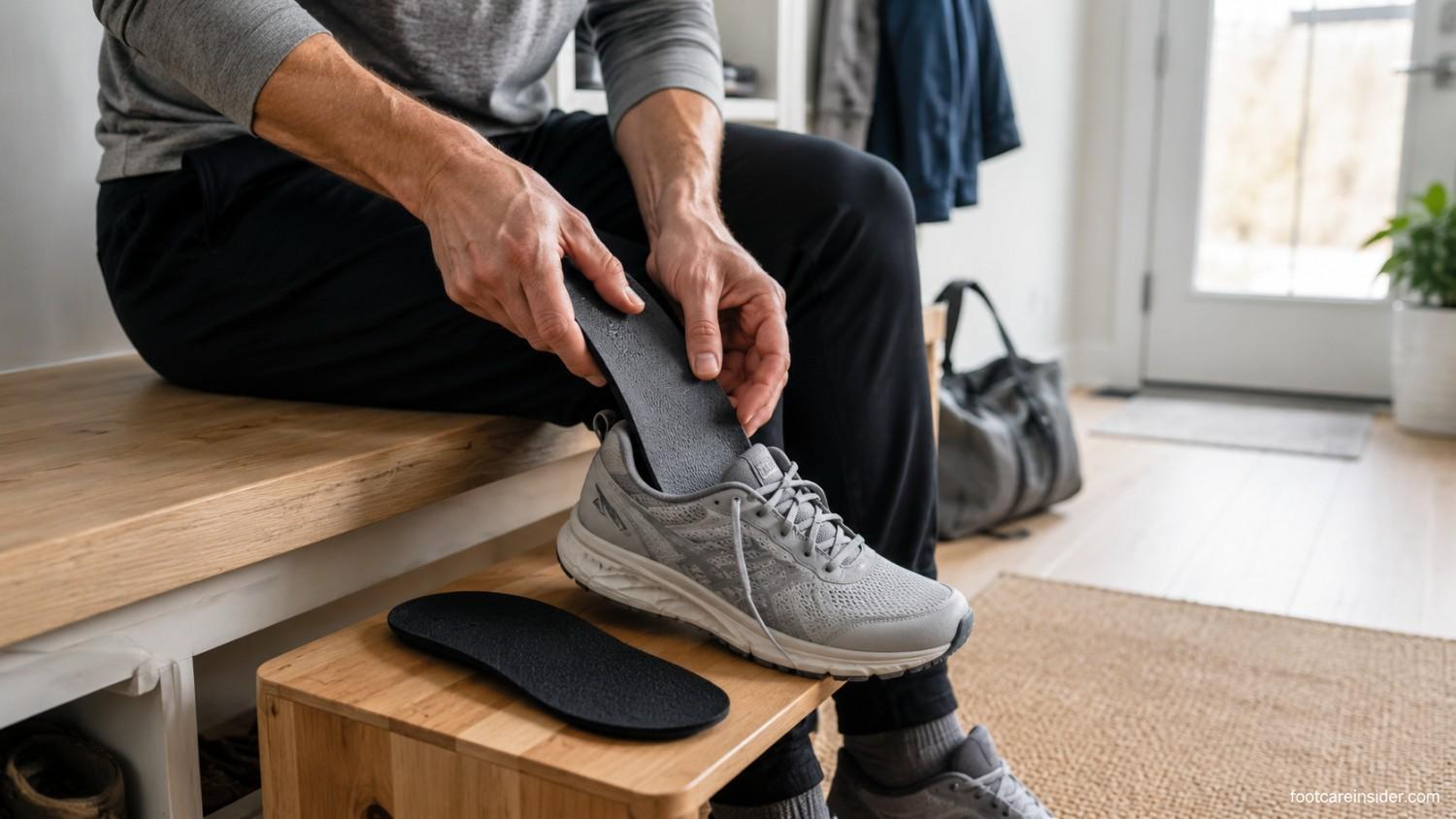
Begin by removing the factory insole if the replacement manufacturer recommends doing so. Compare the size and shape of both insoles before placing the new one inside the shoe. The replacement should lie flat without curling upward at the edges or bunching beneath your foot.
After installation, walk around indoors for several minutes. Your heel should remain secure, your toes should have enough room to move naturally, and there should be no unusual pressure across the top of your foot.
If the shoe suddenly feels much tighter or your heel sits noticeably higher, the original insole may not have been removed when it should have been.
Can Replacement Insoles Prevent Foot Problems?
Properly fitted replacement insoles cannot prevent every foot condition, but they may help improve comfort by supporting the foot more effectively than worn-out factory insoles.
For people who spend long hours standing, walking, or working on hard surfaces, improved support can reduce fatigue and help distribute pressure more evenly across the foot.
However, insoles work best when they fit both your feet and your shoes correctly. Even a high-quality insole may become uncomfortable if it’s installed on top of another thick insole or placed inside footwear that doesn’t have enough internal depth.
When to Seek Medical Advice
Foot discomfort that improves after replacing or correctly installing insoles is usually not a cause for concern.
However, you should consider seeing a healthcare professional if you experience:
- Persistent foot pain lasting several weeks
- Swelling that does not improve with rest
- Numbness or tingling that continues throughout the day
- Difficulty walking because of pain
- Pain following a significant injury
- Open sores or wounds, especially if you have diabetes
A podiatrist or other qualified healthcare provider can determine whether your symptoms are related to footwear, an underlying foot condition, or another medical issue.
Tips for Getting the Best Fit
A few simple habits can help your replacement insoles perform better over time.
- Remove the factory insole when recommended by the manufacturer.
- Replace worn-out insoles before they lose their support.
- Make sure both shoes fit comfortably after installation.
- Wear the insoles for short periods at first if they provide firm support.
- Check periodically that the insoles remain flat and haven’t shifted inside the shoe.
These small adjustments can improve comfort during long workdays, extended walks, or daily activities without requiring major changes to your footwear.
Factory Insoles vs. Replacement Insoles
Factory insoles are designed to provide basic comfort for the average shoe buyer, while replacement insoles are often built for specific goals such as increased cushioning, additional arch support, or improved stability. Replacing the original insole rather than stacking two together usually allows the replacement insole to perform as intended while preserving the shoe’s fit.
Common Questions
Should you always remove the original insoles before adding new ones?
In most cases, yes. Replacement insoles are generally designed to replace the factory insole rather than sit on top of it. Removing the original insole usually provides a better fit, improves stability, and allows the new insole to function as intended.
Can leaving both insoles inside the shoe cause problems?
yes. Stacking two full-length insoles can reduce the available space inside the shoe, making it feel tighter and increasing pressure on the top of the foot and toes. It may also raise your heel enough to affect stability and comfort.
Are factory insoles removable in every shoe?
No. Many athletic shoes, walking shoes, and work boots include removable factory insoles, but some casual shoes, dress shoes, and minimalist footwear have insoles that are glued in place or designed to remain permanently attached.
How can you tell if your replacement insoles fit correctly?
A properly fitted insole should lie flat inside the shoe without curling or sliding. Your heel should remain secure, your toes should have enough room to move comfortably, and you shouldn’t feel excessive pressure after walking or standing.
Do thin comfort inserts need the original insole removed?
Not always. Very thin cushioning or odor-control inserts are sometimes intended to sit on top of the existing factory insole. Always check the manufacturer’s instructions before installing them.
Conclusion
Removing the original insoles before adding new ones is the right choice in most situations because it helps maintain the shoe’s intended fit and allows replacement insoles to provide the support and cushioning they were designed to deliver.
Although some thin comfort liners can be placed over factory insoles, full-length supportive or orthopedic insoles generally perform best when they replace the original insert entirely. Taking a few minutes to install them correctly can improve comfort during long periods of standing or walking while reducing the likelihood of unnecessary pressure or irritation.