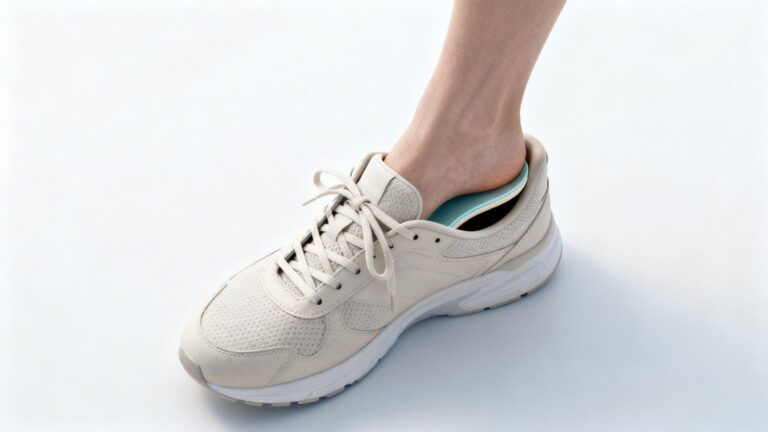
Why Do Insoles Slide Inside Your Shoes?
If your insoles keep sliding inside your shoes, you’re dealing with a surprisingly common problem that can affect comfort, stability, and even the way you walk. An insole that shifts out of place may bunch up beneath your toes, move forward under your heel, or gradually slide sideways during the day. While it might seem like a minor annoyance at first, repeated movement can make your shoes feel less supportive and contribute to tired feet after long periods of walking or standing.
The good news is that sliding insoles are usually caused by factors that can be identified and corrected. The fit of your shoes, the size and shape of the insole, the condition of the shoe’s interior, and even daily moisture from your feet all play a role. Understanding why insoles move inside shoes is the first step toward keeping them securely in place.
Why Insoles Are Designed to Stay in Place
Replacement insoles are made to sit flat against the shoe’s footbed while supporting your feet throughout every step. When the shoe and the insole are properly matched, your body weight and the shape of the shoe help keep the insole stable.
Curling at the edges is a related issue; see why insoles curl up inside shoes. Noise is another common complaint; see why insoles squeak.
As you walk, your foot naturally rolls from heel strike toward the toes. A correctly fitted insole moves with the shoe rather than independently. If the insole begins shifting during this motion, the support underneath your foot changes with every step.
This movement may seem insignificant during a short walk, but after several hours on your feet, even small amounts of slipping can become noticeable. Many people only realize there’s a problem after experiencing end-of-day foot fatigue or repeatedly adjusting the insole inside their shoe.
Common Reasons Insoles Slide Inside Shoes
There isn’t always a single cause. In many cases, several small factors combine to create enough movement for the insole to shift during walking.
The Insole Doesn’t Match the Shoe
One of the most common causes is simply using an insole that doesn’t fit the shoe correctly.
If the insole is slightly too short, it has room to slide forward and backward. If it’s too wide or too long, the edges may buckle or lift, allowing it to move each time your foot changes direction.
Many replacement insoles are designed to be trimmed before use. Cutting too much from the edges can leave extra space inside the shoe, while uneven trimming may prevent the insole from sitting flat.
Readers who are unsure about proper installation may also find How Should Insoles Fit Inside Your Shoes? helpful.
The Original Insole Wasn’t Removed
Some shoes are designed for replacement insoles, while others already contain a removable factory insole.
Placing one insole directly on top of another can create unnecessary movement because the two layers may slide against each other instead of remaining stable inside the shoe.
In some situations, removing the factory insole allows the replacement insole to sit more securely against the shoe’s base.
If you’re unsure whether this applies to your footwear, Should You Remove Original Insoles Before Adding New Ones? explains when removing the original insole is recommended.
Shoes That Fit Too Loosely
Even the best insole may struggle to stay in place if the shoe itself is too large.
When your foot slides forward during walking, it creates additional friction that can gradually pull the insole out of position. This often becomes more noticeable in shoes with a wide toe box or extra internal volume.
Loose heel movement can also contribute. Every time the heel lifts during walking, the insole experiences repeated shifting forces that may eventually cause it to creep forward.
Moisture Inside the Shoe
Feet naturally produce moisture throughout the day.
During warm weather, long work shifts, or exercise, sweat can reduce friction between the shoe and the insole. Depending on the materials used, this may allow the insole to move more easily with each step.
Allowing shoes to dry completely between uses and replacing heavily worn insoles can sometimes reduce this issue.
Who Is Most Likely to Experience Sliding Insoles?
Although anyone can notice this problem, some people place much greater demands on their footwear.
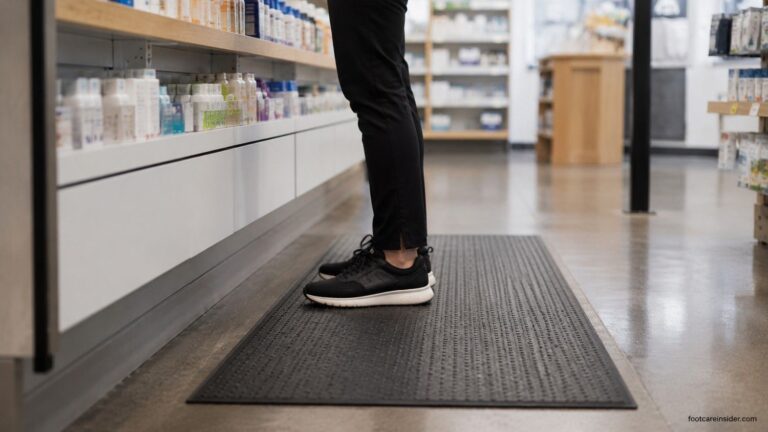
Workers who spend eight or more hours standing on concrete floors often take thousands of steps during a single shift. Nurses, retail employees, warehouse workers, teachers, and delivery drivers repeatedly load the inside of their shoes throughout the day.
The more walking and standing you do, the more opportunities there are for a poorly fitted insole to shift.
Running can also increase the forces acting on an insole. Each stride creates greater forward movement than casual walking, making an improperly fitted insole more likely to slide.
Early Signs Your Insoles Are Moving
Sliding rarely begins as a major problem.
Instead, you may first notice subtle changes that gradually become more obvious over time.
Some of the earliest signs include:
- A slight wrinkle beneath your foot while walking.
- The insole moving when you remove your shoe.
- Needing to reposition the insole every few days.
- A feeling that your foot isn’t sitting evenly inside the shoe.
- Shoes becoming less comfortable toward the end of the day despite feeling fine in the morning.
These changes often develop slowly, making them easy to overlook until the movement becomes frequent.
When Sliding Insoles Become More Than an Annoyance
As the insole continues shifting, it may no longer provide support where your foot needs it most.
An arch support that moves away from the arch becomes less effective. A heel cushion that slides forward no longer cushions the heel properly. Over time, these changes may increase pressure on certain areas of the foot, making long walks or extended standing less comfortable.
Repeated movement can also accelerate wear on both the insole and the inside of the shoe.
If your insoles have become noticeably compressed or no longer feel as supportive as they once did, Do Insoles Lose Arch Support Over Time? explains how normal wear can affect both comfort and performance.
Simple Ways to Stop Insoles From Sliding
If your insoles move around inside your shoes, solving the problem often comes down to improving the fit between the shoe, the insole, and your foot. Small adjustments can make a noticeable difference without replacing your footwear.
Start by checking whether the insole sits completely flat inside the shoe. If it curls at the edges or leaves visible gaps, it may not be the correct size.
Next, inspect the inside of your shoes. Dirt, worn fabric, or a smooth interior lining can reduce the grip that helps keep an insole in place. Cleaning the footbed and allowing shoes to dry completely after long days can improve traction.
If your shoes have removable factory insoles, make sure you’re using the replacement insole as intended. Some replacement models are designed to replace the original footbed rather than sit on top of it.
Finally, make sure your shoes fit properly. Even a high-quality insole will struggle to stay in place if your foot slides forward or your heel lifts excessively with every step.
How Supportive Insoles Can Help
A properly fitted insole doesn’t just add cushioning—it should become a stable part of the shoe.
When an insole matches the shape of your footwear and supports your foot correctly, pressure is distributed more evenly across the foot during walking and standing. This stability may reduce unwanted movement inside the shoe while improving overall comfort.
However, even the best insole cannot compensate for shoes that are significantly too large or worn out. The shoe itself still needs to provide a secure foundation.
For readers comparing different insole designs, Low-Profile vs Standard Insoles for Shoe Fit explains how thickness and construction can affect overall shoe fit.
When to Seek Medical Advice
Occasionally, sliding insoles are simply an inconvenience. However, if they repeatedly contribute to discomfort despite correcting the fit, it may be worth speaking with a healthcare professional.
Seek medical advice if you experience:
- Persistent foot pain that continues after changing insoles or footwear.
- Increasing discomfort during normal walking.
- Swelling, redness, or numbness.
- Pain that interferes with work or daily activities.
- Symptoms that continue for several weeks despite making adjustments.
Persistent foot pain isn’t always caused by the insole itself. Underlying foot conditions may require a professional assessment.
Preventing Insoles From Sliding in the Future
Many cases of sliding insoles can be prevented by choosing footwear and insoles that work well together from the beginning.
Helpful habits include:
- Replacing worn-out insoles before they lose their shape.
- Keeping the inside of shoes clean and dry.
- Trimming replacement insoles carefully when required.
- Checking that shoes still fit properly as they age.
- Rotating shoes between long workdays to allow moisture to evaporate.
Regularly inspecting both your shoes and insoles can help identify small problems before they become uncomfortable.
Common Questions
Why do my insoles slide forward every time I walk?
This usually happens because the insole is slightly too small, the shoe fits too loosely, or your foot moves excessively inside the shoe. Moisture and worn shoe linings can also reduce the grip that helps keep the insole in place.
Should I glue my insoles into my shoes?
In most cases, no. Gluing an insole can make replacement difficult and may damage the shoe. It’s generally better to solve the underlying fit issue by using an appropriately sized insole and properly fitting footwear.
Can worn shoes cause insoles to move?
Yes. As shoes age, the interior lining may become smoother or compressed, reducing friction between the shoe and the insole. This can allow the insole to shift more easily during walking.
Do expensive insoles slide less?
Not necessarily. Price alone doesn’t determine whether an insole stays in place. Proper sizing, compatibility with the shoe, and the condition of the footwear are usually more important than cost.
Is it normal to adjust my insoles every day?
No. A properly fitted insole should generally remain stable during normal daily use. If you’re constantly repositioning it, it’s worth checking the fit of both the shoe and the insole.
Conclusion
Sliding insoles are usually a sign that something isn’t fitting quite right rather than a defect in the insole itself. A mismatch between the shoe and the insole, loose footwear, worn interiors, or everyday moisture can all contribute to movement over time.
By choosing the correct size, ensuring the insole sits flat, and wearing well-fitting shoes, most people can reduce or eliminate this problem. Addressing the cause early can improve comfort, reduce unnecessary wear, and help your footwear provide more consistent support throughout the day.