Best Insoles for Shoes You Wear Every Day
When Everyday Shoes Stop Feeling Comfortable
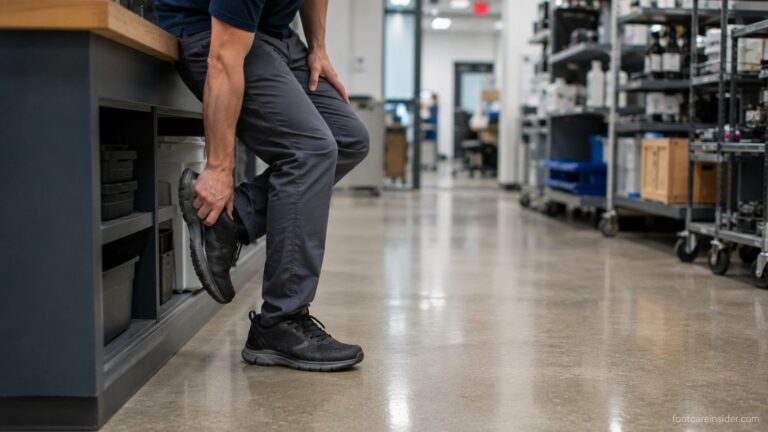
Your everyday shoes might look fine from the outside, but if your feet feel noticeably more tired by the end of the day, the problem isn’t always thFe shoes themselves. Whether you’re commuting, running errands, walking between meetings, shopping, or spending several hours on your feet, the original insoles inside everyday sneakers often compress long before the rest of the shoe wears out. That can leave your heels, arches, or forefoot working harder with every step.
The best insoles for everyday shoes depend less on the brand of shoe and more on how you use it. People who spend most of the day walking often benefit from different support than someone who mainly stands, while shoe fit also determines whether a thicker or slimmer insole makes sense. Choosing the right balance of cushioning, support, durability, and fit usually leads to better everyday comfort than simply picking the softest option.
Choosing the Right Support Starts With Your Daily Routine
Everyday shoes are used in countless situations, so there isn’t one perfect insole for everyone. The right choice depends on where your feet become tired, how many hours you typically wear the shoes, how much walking you do, and how much room is available inside the shoe.
For the thinking behind the choice, see choosing insoles for everyday foot comfort. Wondering whether you need them at all? Read are insoles worth it for everyday use.
If walking is your main use, see the best insoles for walking.
If you’re also deciding between softer comfort and more structured support, Soft vs Firm Insoles explains how each approach fits different daily routines.
Rather than focusing on expensive features, it’s more useful to identify which type of support matches the way your feet are loaded throughout a normal day.
Why Daily Shoes Place Different Demands on Your Feet
Unlike running shoes that experience short bursts of higher impact, everyday shoes usually handle many hours of repeated, moderate loading. Thousands of ordinary steps throughout the day gradually increase pressure on the heel, arch, forefoot, and the metatarsals—the long bones near the ball of the foot that help distribute body weight during walking.
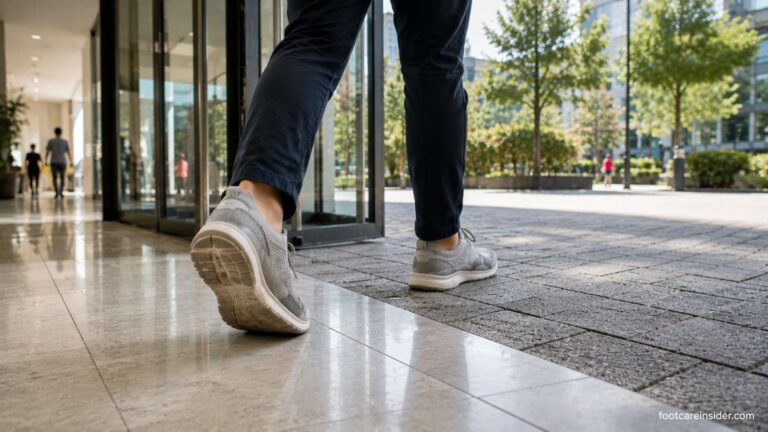
As factory insoles compress, the foot may sink slightly farther into the shoe, reducing underfoot support and allowing pressure to concentrate in certain areas. Someone walking through airports, shopping centers, offices, schools, or city streets may notice growing fatigue even without covering athletic distances.
The plantar fascia, a thick band of tissue supporting the arch, and the Achilles tendon may also work harder if cushioning and support gradually decrease over months of regular wear. That doesn’t necessarily mean an injury is developing, but it can influence which type of replacement insole makes the most sense.
Why Factory Insoles Often Stop Meeting Everyday Needs
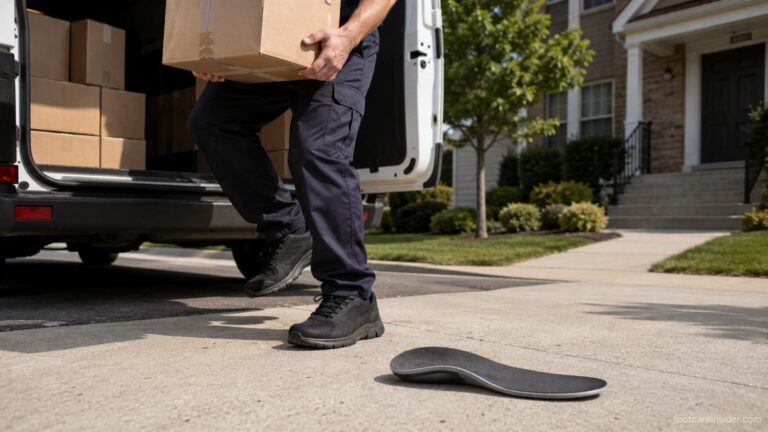
Most everyday shoes include removable comfort insoles designed to suit a wide range of buyers rather than a specific walking pattern. They’re usually adequate when new but may gradually lose resilience after months of repeated compression.
That doesn’t mean every stock insole is poor. For lighter use, many work perfectly well. However, people who wear the same shoes almost every day often notice several common limitations:
- Cushioning becomes flatter after repeated use.
- Arch contours soften and provide less structure.
- Heel padding compresses faster than other areas.
- Support may become inconsistent from one step to the next.
- Thin factory insoles may provide little long-term pressure distribution.
Readers wondering whether support changes with age may also find Do Insoles Lose Arch Support Over Time? helpful.
Understanding these limitations helps narrow the type of replacement that fits your everyday routine instead of simply replacing one soft insole with another.
Which Everyday Insole Direction Makes the Most Sense?
If your feet mainly feel generally tired after a full day of errands, commuting, and casual walking, a balanced cushioning insole often provides enough extra comfort without dramatically changing how the shoe fits.
If your arches become fatigued before the rest of your foot, a moderately supportive insole with gentle orthotic support may feel more stable than an extremely soft comfort model. Firmer support isn’t automatically better, but it often maintains its shape longer during regular daily use.
For people whose shoes already fit snugly, a slim or low-volume insole may preserve shoe fit while still adding meaningful comfort. Thick insoles can sometimes reduce toe room and create new pressure points.
If your original insoles flatten within a few months, looking for models designed with longer-lasting EVA foam or polyurethane cushioning may improve durability over repeated daily walking. Softer materials can feel exceptionally comfortable at first but may compress sooner depending on body weight and daily mileage.
Finally, if you notice mild inward rolling of the foot during walking or simply want a steadier feel, a stability-focused design may offer more consistent support than plush cushioning alone. The goal isn’t maximum firmness—it’s finding the level of structure that matches your everyday routine while still keeping your shoes comfortable enough to wear all day.
Once you know which of these directions best matches how your shoes are used, choosing an insole becomes much more straightforward.
Best if You Mainly Walk Throughout the Day
If your everyday shoes take you through neighborhoods, shopping trips, airports, or long commutes, look for an insole that combines moderate cushioning with lasting support. It should stay comfortable over thousands of steps without feeling overly soft. The trade-off is that these insoles can feel slightly firmer during the first few days than plush comfort models.
Best if Your Feet Feel Tired Rather Than Painful
When your feet simply feel worn out by evening, a balanced cushioning insole often makes the most sense. Materials like quality EVA foam can spread pressure more evenly while maintaining flexibility for daily use. They may not offer the same stability as structured support models, but many people find them comfortable for general everyday wear.
Best if Your Shoes Already Fit Snugly
Low-volume insoles are designed for shoes with limited interior space, making them a practical choice for casual sneakers or slimmer everyday footwear. They provide additional comfort without significantly reducing toe room. The compromise is that thinner insoles usually offer less cushioning than thicker models intended for roomier shoes.
Best if Your Original Insoles Flatten Quickly
If you’ve replaced factory insoles more than once because they lose their shape after only a few months, choosing a more durable support-focused design is often worthwhile. Firmer construction usually retains its arch contour longer under regular walking, although it may not feel as immediately soft as highly cushioned alternatives.
Readers comparing lifespan may also find Worn Insoles vs New Insoles for Foot Support useful.
Best if You Want More Stability During Everyday Walking
Some people prefer shoes that feel steady rather than especially soft. If your feet tend to roll inward slightly or your arches tire during routine walking, a stability-focused insole may provide a more controlled feel. The added structure can improve confidence for some users, but it isn’t necessary for everyone with healthy, neutral foot mechanics.
Frequently Asked Questions
Should I remove the original insoles before installing new ones?
In most cases, yes. Replacement insoles are generally designed to replace the factory liner rather than sit on top of it. Keeping both inside the shoe can reduce available space and affect fit.
Are softer insoles always better for everyday shoes?
Not necessarily. Soft cushioning feels comfortable initially, but it may compress more quickly. Many people wearing everyday shoes daily prefer a balance between cushioning and structural support.
How often should everyday insoles be replaced?
That depends on walking distance, body weight, and how frequently the shoes are worn. If the cushioning feels noticeably flatter or support decreases, it may be time to replace them even if the shoes themselves remain in good condition.
Can replacement insoles make everyday shoes more comfortable?
Many people notice improved underfoot comfort when the replacement insole better matches their walking habits and shoe fit. The goal is improving support and pressure distribution rather than making the shoe feel excessively soft.
Choosing the Right Everyday Insole
The best insoles for everyday shoes depend on how your shoes are actually used. If you mostly want extra comfort, moderate cushioning is often enough. If your arches tire easily or your factory insoles flatten quickly, a more supportive design may be the better long-term choice. Matching the insole to your daily routine usually produces better results than simply choosing the thickest or softest option.