Best Insoles for Overpronation (Improve Stability & Pain)
If your feet roll inward when you walk, the right insoles for overpronation can help stabilize your movement, reduce joint stress, and improve alignment from the first steps. The goal is simple: control inward foot rolling, support your arch, and reduce the strain that builds up through your ankles, knees, and lower back. The right support can reduce pain, improve stability, and make walking feel more natural again.
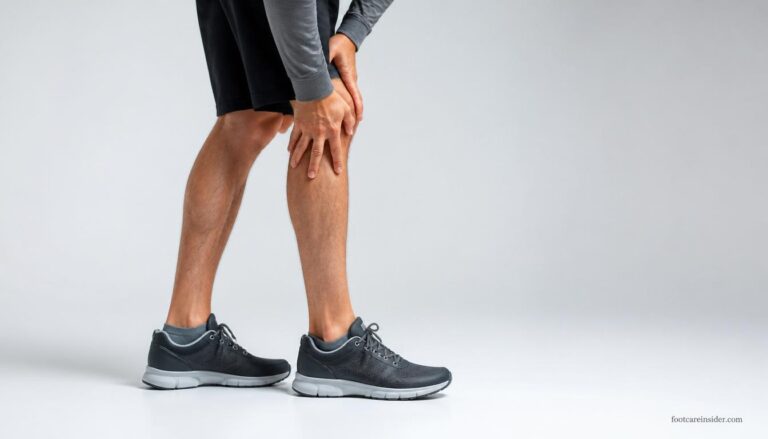
Overpronation happens when your foot rolls too far inward during each step. That extra motion affects your entire alignment — from your ankles to your knees and even your lower back.
That extra motion might seem small, but it can gradually affect your entire lower-body alignment.
To understand how this affects your movement, see flat feet vs overpronation.
If your ankles collapse inward, your shoes wear down unevenly, or you’re dealing with heel pain, shin splints, or knee strain that won’t go away, your foot likely needs structured support — not just cushioning.
Overpronation happens when your foot rolls excessively inward during movement, which is why many people search for the best insoles for overpronation to correct it. That extra motion might seem small, but it changes your entire lower-body alignment. The arch flattens, the ankle tilts, the knee rotates inward, and stress shifts into joints that were never designed to absorb it that way.
Overpronation often leads to uneven pressure across the foot, which can result in discomfort similar to arch pain, especially in cases that require arch pain support solutions .
Over time, this can lead to:
- Plantar fasciitis
- Shin splints
- Achilles tension
- Knee tracking problems
- Hip and lower back discomfort
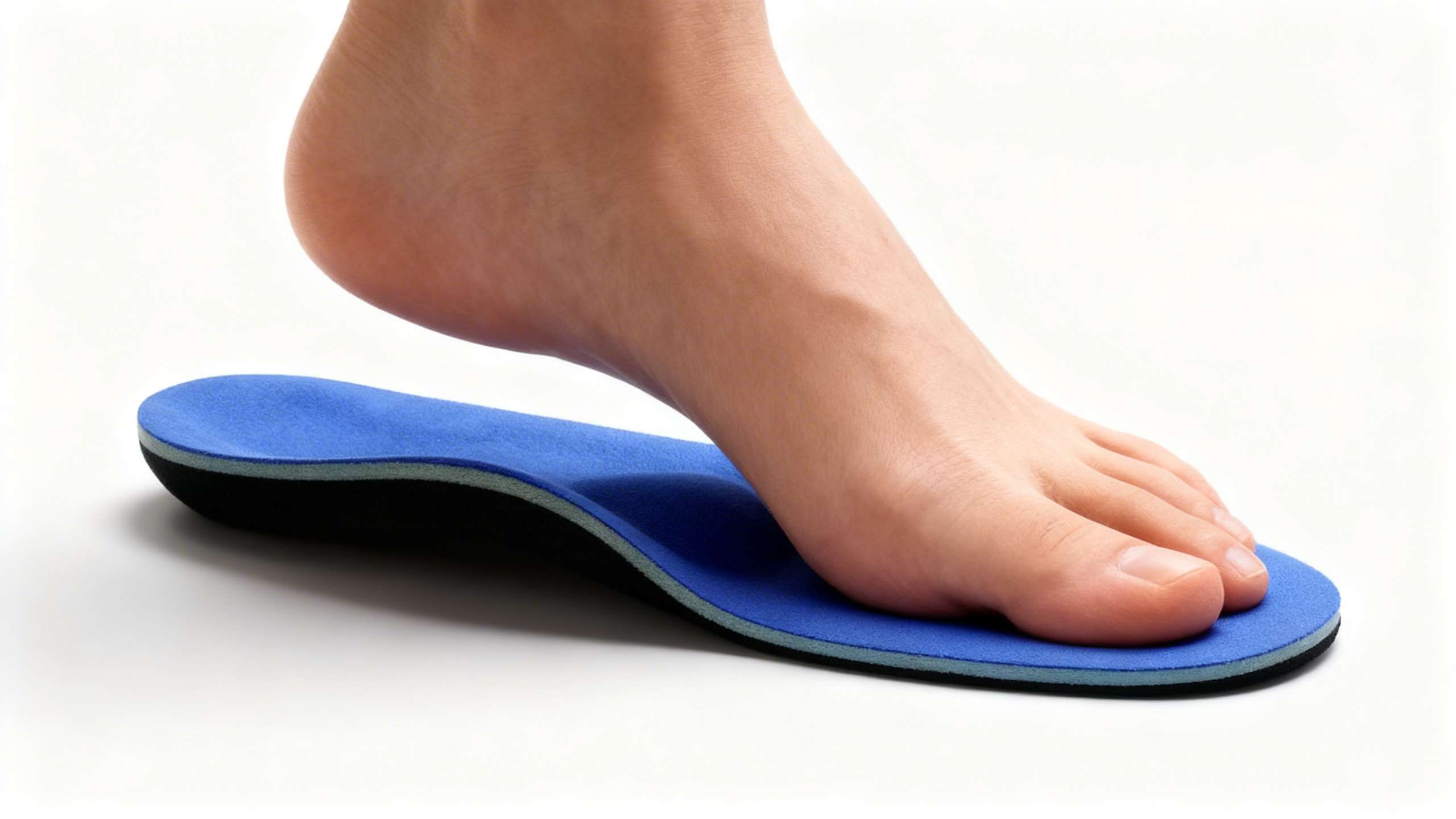
The best insoles for overpronation are designed to stabilize the foot, limit excessive inward rolling, and improve overall alignment. Unlike basic inserts, they focus on control rather than just cushioning. Best Insoles for Flat Feet
Finding the best insoles for overpronation depends on your arch type, activity level, and the level of support your feet require.
Many people with low arches experience both conditions, which is why understanding flat feet vs overpronation is important.
What Is Overpronation — And Why It Gets Worse
Pronation itself is normal. It’s how your foot absorbs shock.
Overpronation occurs when that inward roll goes beyond healthy limits. It’s often caused by:
- Flat feet or low arches
- Flexible arches that collapse under weight
- Weak posterior tibial tendon
- Long hours standing on hard surfaces
- Improper footwear
Without corrective support, overpronation tends to worsen over time. The arch continues collapsing, ligaments stretch, and alignment deteriorates.
That’s why supportive shoe inserts for overpronation are often recommended before the condition progresses.
Plantar Fasciitis Insoles Guide
Why Standard Insoles Don’t Fix the Problem
Most factory insoles are:
- Thin
- Flat
- Soft
- Designed for cost savings
They provide minimal structure and almost no motion control.
Soft memory foam inserts may feel comfortable initially — but if you’re unsure about softness vs support, see Soft vs Firm Insoles But for someone who overpronates, softness alone allows the arch to sink further. Instead of stabilizing the foot, they simply cushion the collapse.
Support level plays a key role, and knowing the difference between soft and firm insoles can help avoid the wrong choice.
Generic inserts fail because they lack:
- Structured arch support
- Medial stability reinforcement
- Deep heel cupping
- Long-term durability
True insoles for overpronation are built to guide your foot into a more neutral position — not just make your shoes feel softer.
While commonly associated with flat feet, it’s important to understand the difference — see Flat Feet vs Overpronation .
What Features Actually Matter
Choosing effective orthotic insoles for overpronation means focusing on biomechanics, not marketing.
Here’s what separates corrective support from basic inserts:
1. Firm Arch Support
The arch must be supported in a way that prevents collapse.
Look for:
- Semi-rigid or firm structure
- Arch height that matches your foot
- Material that resists compression
Too soft = no correction.
Too rigid = discomfort.
Balanced firmness is key.
Best Walking Shoes for High Arches
2. Medial Posting (Inner Stability)
This is the structural reinforcement along the inside of the foot.
It helps:
- Reduce inward ankle roll
- Improve knee alignment
- Decrease tibial rotation
Without medial control, even good arch support won’t fully stabilize overpronation.
3. Deep Heel Cup
A structured heel cup stabilizes the rearfoot.
- Centers the heel bone
- Reduces lateral movement
- Supports the plantar fascia
Shallow heel designs simply don’t provide enough control.
In contrast, some people experience the opposite issue with higher arches — learn more about Insoles for High Arches .
4. Controlled Cushioning
Shock absorption is important — but it must work with structure.
Good insoles for overpronation combine:
- Supportive base layer
- Moderate-density foam
- Impact dispersion without collapse
Ultra-soft materials may feel good for a few days but flatten quickly.
5. Durable Materials
Correction only works if the insole maintains shape.
Look for:
- High-density EVA
- Polyurethane (PU)
- Reinforced arch shell
Low-quality inserts compress fast, eliminating corrective function.
How to Choose Insoles for Overpronation Correctly
Use this simple framework before buying:
Step 1: Identify Severity
Mild:
- Slight inward ankle roll
- Occasional fatigue
Moderate:
- Visible arch collapse
- Regular heel or knee pain
Severe:
- Significant inward ankle tilt
- Chronic discomfort
More severe cases require firmer motion control insoles.
Step 2: Match to Your Shoe Type
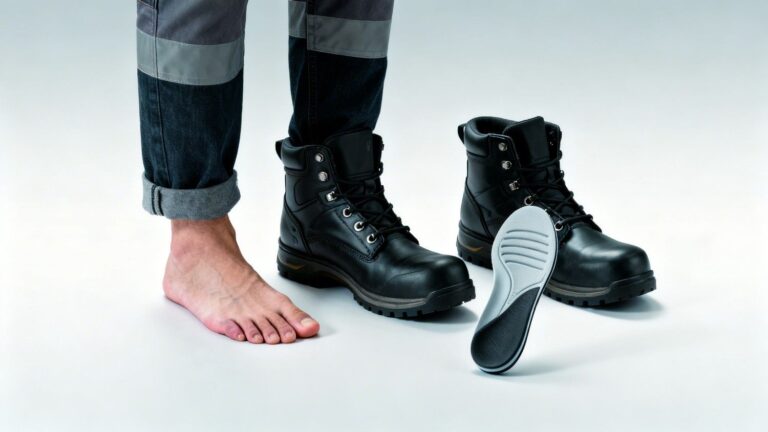
- Running shoes → lightweight stability design
- Work boots → high-density support
- Casual sneakers → moderate structure
Always check thickness to avoid overcrowding the shoe.
Step 3: Consider Your Activity Level
Standing all day?
Running high mileage?
Walking casually?
Best Insoles for Standing All Day
The best insoles for overpronation should match your daily stress level.
Step 4: Match to Pain Location
- Heel pain → deep heel cup
- Shin splints → motion control focus
- Knee strain → strong medial support
- Arch fatigue → firm structural platform
When structure matches symptoms, results improve quickly.
If left uncorrected, overpronation can contribute to joint stress — especially in cases requiring insoles for knee pain .
Why Choosing Correctly Matters
Overpronation is not just about foot comfort. It affects your entire kinetic chain.
The right supportive insoles for overpronation can:
- Improve posture
- Reduce joint stress
- Increase walking efficiency
- Extend shoe lifespan
- Prevent worsening alignment
Choosing randomly often leads to repeated purchases and frustration.
Choosing strategically leads to stability.
Do Insoles Really Correct Overpronation?
Insoles for overpronation help control excessive foot movement rather than permanently fixing the structure of the foot.
They work by:
- Supporting the arch to prevent collapse
- Stabilizing the heel during movement
- Reducing inward ankle roll
This leads to improved alignment throughout the ankles, knees, and hips. While they don’t cure overpronation, they significantly reduce the mechanical stress that causes pain.
Top Insoles for Overpronation (Expert Picks)
Below are carefully selected insoles for overpronation based on arch structure, motion control, durability, and real-world comfort performance.
1. Powerstep Pinnacle Maxx
Best for: Moderate to Severe Overpronation
Powerstep is known for medical-grade support. The Pinnacle Maxx model features a firm, angled heel platform that actively controls inward foot rolling. Unlike soft inserts, this insole stabilizes the heel before the foot collapses.
Why it works:
- Firm arch support
- Deep heel cradle
- Dual-layer cushioning
- Durable EVA foam base
Ideal for walking shoes and daily wear. Especially effective for people dealing with plantar fasciitis caused by overpronation.
2. Superfeet Green
Best for: High Arches with Overpronation
This model provides structured support with a rigid stabilizer cap. While cushioning is moderate, its biomechanical control makes it one of the most recommended insoles for overpronation in running shoes.
Why it works:
- High-profile arch
- Firm support structure
- Odor-control top layer
- Long lifespan
Great for athletic use and long hours on your feet.
3. Dr. Scholl’s Stability Support
Best Budget Option
If you need affordable insoles for overpronation without sacrificing support, this is a solid entry-level option.
Why it works:
- Reinforced arch area
- Shock-absorbing cushioning
- Trim-to-fit design
- Accessible price point
Best suited for mild to moderate overpronation and casual walking shoes.
How to Break In Insoles Properly
Even the best insoles for overpronation require adjustment time.
Follow this break-in method:
- Day 1–2: Wear for 1–2 hours
- Day 3–4: Increase to half-day use
- After Day 5: Full-day wear
Mild arch pressure is normal at first. Sharp pain is not. If discomfort continues beyond 7–10 days, the arch height may be incorrect.
Common Mistakes When Buying Insoles
Many buyers make these errors:
1. Choosing overly soft insoles
Soft does not equal supportive. Overpronation requires structure.
2. Ignoring arch height compatibility
Low, medium, and high arches require different support levels.
3. Not checking shoe depth
Some supportive insoles are thick and require removing factory inserts.
4. Waiting too long to replace worn insoles
Most quality insoles last 6–12 months depending on usage.
When Should You See a Podiatrist?
While over-the-counter insoles for overpronation work for most people, consider professional evaluation if:
- Pain persists after 2–3 weeks
- You have knee or hip pain worsening over time
- You experience numbness or tingling
- You have diabetes or structural foot deformities
Custom orthotics may be necessary in severe biomechanical cases.
Foot alignment plays a major role in full-body balance — here’s how Do Insoles Improve Posture .
Frequently Asked Questions
Do insoles fix overpronation?
Insoles help support the foot and guide movement, but they do not permanently change foot structure.
What type of insoles work best for overpronation?
Structured insoles with proper arch support tend to be more effective than soft, cushion-only designs.
How long should I wear insoles each day?
Most people use them during active periods like work or walking, rather than all day without breaks.
What type of insoles are best for overpronation?
The best insoles for overpronation have firm arch support, medial reinforcement, and a deep heel cup to control foot motion.
Do cheap insoles work for overpronation?
Basic insoles may improve comfort slightly, but they usually lack the structure needed to control pronation effectively.
Can overpronation cause knee pain?
Yes, overpronation can affect knee alignment and increase joint stress over time. See Why Flat Feet Cause Knee Pain for a deeper explanation.
Are insoles for overpronation worth it?
Yes. Properly structured insoles reduce joint strain, improve alignment, and help prevent plantar fasciitis and shin splints.
Can insoles fix overpronation permanently?
They manage and control the condition. They do not permanently change foot structure but significantly reduce symptoms.
How long do supportive insoles last?
Typically 6–12 months depending on body weight and activity level.
Can I use the same insoles in multiple shoes?
Yes, if the shoe size and depth allow it. Many people rotate one pair between work and athletic shoes.
People who stand or walk for long hours benefit most from proper correction, such as insoles for standing all day .
Final Verdict: Choosing the Right Insoles for Overpronation
Overpronation is not just a foot issue — it affects your knees, hips, and lower back. The right insoles for overpronation provide structured arch support, heel stabilization, and controlled cushioning that prevents collapse with every step.
If you have moderate to severe inward rolling, choose a firm, high-support model like Powerstep or Superfeet.
If you need budget-friendly support for daily use, Dr. Scholl’s Stability line is a reasonable starting point.
The key is not softness — it’s structure.
Investing in the right support now prevents long-term joint stress later.
Choosing the best insoles for overpronation can make a significant difference in daily comfort, posture, and long-term joint health.
Related Guides
- If you run regularly, choosing the right support matters — see our guide on best insoles for running to improve performance and prevent injuries.
- For everyday comfort, especially long walks, explore insoles for walking designed for better support and reduced fatigue.
- If you’re dealing with lower leg pain, check insoles for shin splints to reduce impact and improve alignment.
- Flat feet often go hand in hand with overpronation, so take a look at insoles for flat feet for better arch support.
- Standing all day can put extra stress on your feet, so consider insoles for standing all day for improved comfort and stability.
- If joint pain is an issue, especially around the knees, see how insoles for knee pain can help reduce strain.
- For heel pain and inflammation, explore insoles for plantar fasciitis to support recovery and reduce tension.
- If your insoles are no longer providing support, it may be time to replace them—see signs you need new insoles to know when to upgrade.