Understanding Plantar Fasciitis vs Heel Spurs
Foot pain around the heel is extremely common, especially among people who spend long hours standing or walking. Two conditions often mentioned together are plantar fasciitis and heel spurs. Because they both involve pain in the same area of the foot, many people assume they are the same thing. In reality, the comparison of plantar fasciitis vs heel spurs reveals two different structural problems that affect the heel in distinct ways.
Understanding the difference is important because treatment strategies and long-term outcomes can vary. Some people experience plantar fasciitis without ever developing heel spurs, while others may have heel spurs without noticeable pain. Knowing how each condition develops helps determine the best way to manage symptoms and protect long-term foot health.
Both conditions often require targeted support such as insoles for arch pain relief .
What Is Plantar Fasciitis?
Plantar fasciitis is one of the most common causes of heel pain. It occurs when the plantar fascia, a thick band of connective tissue running along the bottom of the foot, becomes irritated or inflamed. Not sure where it hurts? Try our interactive foot pain chart.
The plantar fascia acts like a supportive cable. It stretches from the heel bone to the toes and helps maintain the natural arch of the foot. Every time you walk, run, or stand, this structure absorbs mechanical stress.
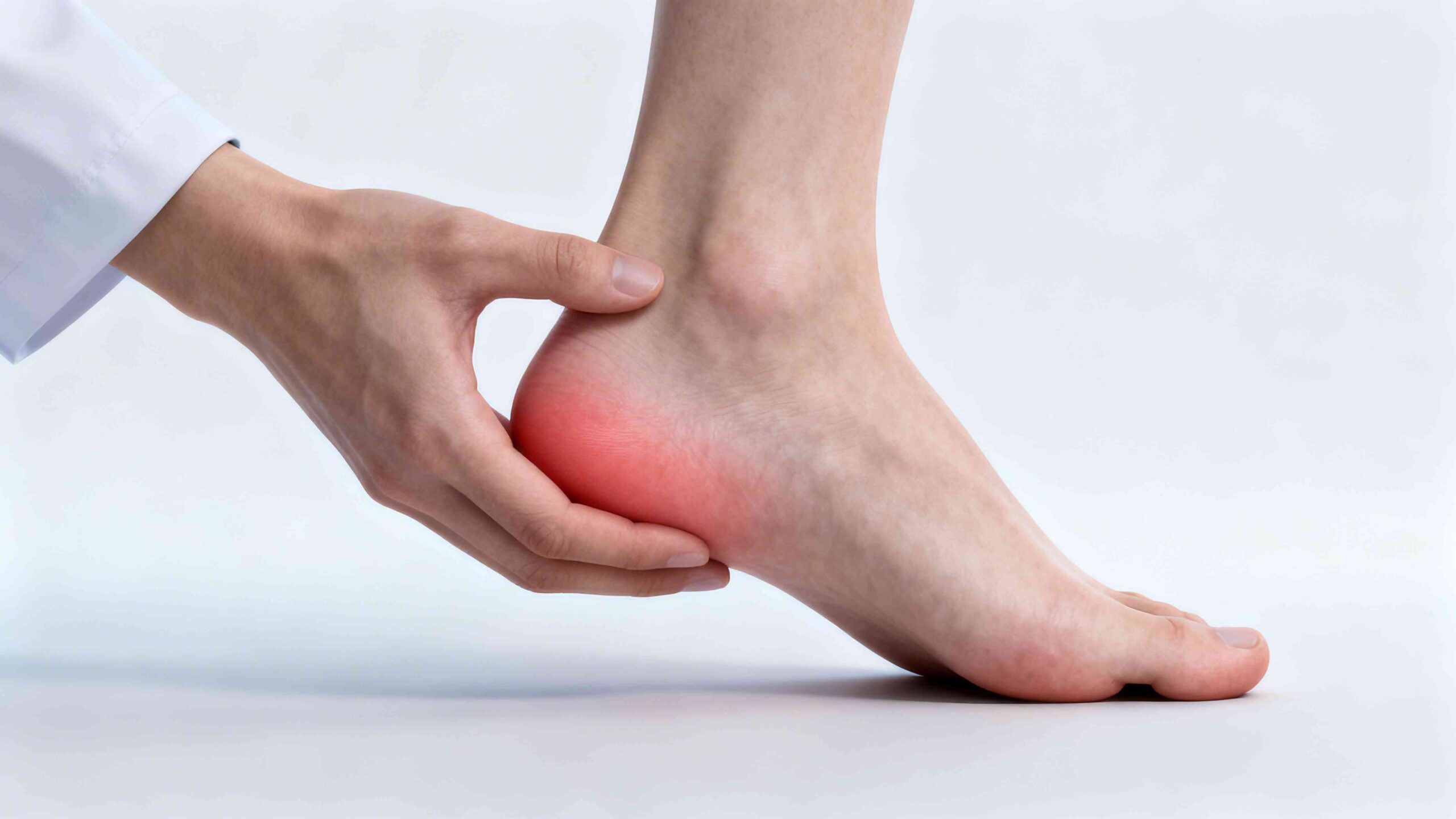
When the tissue experiences repeated strain, small microtears can form. Over time, this leads to inflammation and pain, especially near the heel where the fascia attaches to the bone.
In many cases, improper foot mechanics like overpronation and foot imbalance contribute to the problem.
Typical characteristics of plantar fasciitis include:
- Sharp heel pain during the first steps in the morning
- Pain that improves slightly with movement but returns after long standing
- Tenderness along the bottom of the heel
- Stiffness in the arch area
The condition often develops gradually and is strongly associated with overuse, poor arch support, or abnormal foot mechanics.
What Are Heel Spurs?
Heel spurs are a different structural issue. Instead of involving inflammation of soft tissue, a heel spur is a bony growth that develops on the underside of the heel bone.
This calcium deposit forms over time as the body responds to repeated stress on the heel. In many cases, heel spurs are linked to long-term strain on the plantar fascia, which is why the discussion of plantar fasciitis vs heel spurs often overlaps.
However, the important distinction is that a heel spur is a physical bone projection, while plantar fasciitis is a soft-tissue injury.
Many heel spurs cause no symptoms at all. In fact, imaging studies show that some people live with heel spurs for years without realizing it.
If symptoms worsen during long shifts, consider insoles for standing all day .
When symptoms do appear, they can include:
- Localized pain under the heel
- Discomfort during walking or running
- A sensation of pressure beneath the heel bone
The pain often results not from the spur itself, but from irritation of surrounding tissues.
Structural Differences
Looking at plantar fasciitis vs heel spurs from a structural perspective makes the distinction clearer.
Plantar Fasciitis
- Affects soft tissue (the plantar fascia)
- Involves inflammation or degeneration of the ligament
- No bone growth required
- Pain comes from tissue irritation
Heel Spurs
- Affects the heel bone (calcaneus)
- Involves calcium deposits forming a small bony protrusion
- Often develops slowly over time
- Pain may result from pressure on nearby tissue
Because plantar fasciitis affects the fascia itself, treatment usually focuses on reducing strain on the ligament. Heel spurs, on the other hand, involve structural changes to the bone.
Despite these differences, the two conditions can appear together. Long-term tension in the plantar fascia may contribute to the formation of heel spurs in some individuals.
Functional Differences in the Foot
The plantar fascia plays a key mechanical role in foot stability. It supports the arch and helps transfer energy when walking or running.
When the fascia becomes inflamed, the foot loses some of its natural shock-absorbing capacity. This can lead to increased stress on surrounding joints, including the ankle, knee, and even the lower back.
Heel spurs do not necessarily affect movement in the same way. Because they are small bone growths, they may simply sit beneath the heel without altering mechanics significantly. Problems occur mainly if they press against surrounding tissues or worsen inflammation.
This difference explains why plantar fasciitis often produces more noticeable functional symptoms compared with heel spurs.
These conditions can also affect movement patterns — see how insoles improve posture and alignment .
Common Causes and Risk Factors
Several overlapping factors contribute to both conditions. Understanding these risk factors helps clarify the connection between plantar fasciitis vs heel spurs.
Common contributors include:
- Long hours of standing or walking
- High-impact sports like running
- Poorly supportive footwear
- Tight calf muscles or Achilles tendon
- Flat feet or very high arches
- Excess body weight increasing foot load
Certain occupations also carry higher risk. Teachers, nurses, retail workers, and factory employees often spend most of their workday on their feet, increasing repetitive strain on the heel.
Age can also play a role. The plantar fascia becomes less flexible over time, which may make it more vulnerable to irritation.
For a deeper understanding of how arch mechanics affect foot health, see Why Flat Feet Cause Knee Pain.
Typical Use Cases for the Terms
One reason people confuse the two conditions is how the terms appear in medical discussions and online searches.
When someone searches for plantar fasciitis vs heel spurs, they are usually trying to understand:
- Why their heel hurts
- Whether a bone spur is causing the pain
- Which condition requires treatment
- Whether supportive footwear or insoles might help
Doctors often diagnose plantar fasciitis based on symptoms and physical examination. Heel spurs usually appear on X-ray imaging, sometimes incidentally.
Because the symptoms can overlap, professional evaluation may be necessary to determine the true cause of persistent heel pain.
If you’re exploring footwear support options, you may also want to read Best Insoles for Plantar Fasciitis or Best Insoles for Standing All Day, which discuss ways to reduce strain on the heel.
Cost and Treatment Considerations
Another important difference in the plantar fasciitis vs heel spurs comparison involves treatment approaches and potential costs.
Plantar fasciitis treatment often focuses on conservative care such as:
- Stretching exercises
- Rest and activity modification
- Physical therapy
- Supportive footwear
- Orthotic insoles
Most cases improve with time and non-surgical management.
Heel spurs may require similar treatments if they cause discomfort, but many do not need any direct intervention. In rare cases where severe pain persists, surgical removal of the spur may be considered.
Because conservative treatment is effective in most situations, medical costs for plantar fasciitis are usually limited to therapy, supportive devices, or consultation visits.
Plantar Fasciitis vs Heel Spurs: Pros, Cons, and Long-Term Outlook
Understanding plantar fasciitis vs heel spurs becomes even clearer when comparing how each condition affects daily life, treatment options, and long-term recovery. Although both problems involve heel pain, the experience, progression, and management strategies can differ significantly.
By examining the advantages and limitations of treatments for each condition, it becomes easier to determine which issue may be responsible for persistent heel discomfort.
Pros and Cons of Plantar Fasciitis
Advantages of Early Diagnosis
One of the positive aspects of plantar fasciitis is that it is usually very treatable, especially when addressed early. Because the condition involves soft-tissue inflammation rather than permanent structural damage, conservative treatments often lead to improvement within several weeks or months.
Common treatment benefits include:
- Stretching exercises can reduce tension in the plantar fascia
- Supportive footwear can improve foot alignment
- Orthotic insoles help distribute pressure more evenly
- Physical therapy can strengthen supporting muscles
Many people recover without needing medical procedures.
For readers exploring supportive footwear solutions, see Best Insoles for Standing All Day, which explains how shock-absorbing inserts can reduce strain on the heel.
Limitations of Plantar Fasciitis Treatment
Despite being treatable, plantar fasciitis can still be frustrating. Recovery may take time because the plantar fascia absorbs stress every time you stand or walk.
Potential challenges include:
- Symptoms returning if supportive footwear is not used
- Pain persisting for months in severe cases
- Difficulty resting the foot fully during daily activities
In rare situations where conservative care fails, advanced treatments such as injections or specialized therapy may be recommended.
Pros and Cons of Heel Spurs
Advantages of Heel Spur Diagnosis
A surprising fact about the plantar fasciitis vs heel spurs comparison is that heel spurs often cause no pain at all. Many people discover them only during imaging tests done for other reasons.
When symptoms do occur, treatments similar to plantar fasciitis management can help reduce irritation around the spur.
Benefits include:
- Many heel spurs require no direct treatment
- Supportive footwear often relieves discomfort
- Orthotics can reduce pressure on the heel
Because heel spurs are structural bone changes, they usually do not worsen rapidly once formed.
Limitations of Heel Spurs
Heel spurs may become problematic when they irritate surrounding tissues. In these cases, individuals may experience persistent discomfort when walking on hard surfaces.
Possible drawbacks include:
- Pain during long periods of standing
- Sensitivity when pressure is placed directly on the heel
- Slow improvement if surrounding tissues remain inflamed
In very rare situations, surgery may be considered to remove the spur, but this is typically reserved for severe cases that do not respond to conservative care.
Who Should Consider Plantar Fasciitis the Likely Cause?
In the plantar fasciitis vs heel spurs discussion, plantar fasciitis is far more likely when symptoms follow a recognizable pattern.
People who experience the following signs may be dealing with plantar fasciitis:
- Sharp pain during the first steps in the morning
- Heel pain after sitting or resting
- Discomfort that improves with gentle movement
- Tenderness along the bottom of the foot
Individuals with flat feet, high arches, or tight calf muscles may also have increased risk.
If arch mechanics are contributing to the issue, you may benefit from reading Why Flat Feet Cause Knee Pain, which explains how alignment affects multiple joints.
Who Is More Likely Experiencing Heel Spurs?
Heel spurs are more likely when imaging reveals a calcium deposit on the heel bone. However, symptoms alone do not always confirm the presence of a spur.
People who may develop heel spurs often share certain characteristics:
- Long-term strain on the plantar fascia
- Years of standing or walking on hard surfaces
- Repetitive impact from running or jumping
- Lack of proper arch support in footwear
Heel spurs sometimes appear alongside plantar fasciitis, which can make diagnosis more complex. A healthcare professional may use imaging tests to determine whether a spur is present.
For additional information about supportive inserts that reduce heel pressure, see Best Insoles for Arch Pain.
Long-Term Durability and Recovery
Another important aspect of plantar fasciitis vs heel spurs is how each condition behaves over time.
Plantar Fasciitis Recovery Timeline
Plantar fasciitis often improves gradually with consistent care. Most cases resolve within several months, especially when individuals adopt supportive footwear and stretching routines.
Long-term outcomes improve when people:
- Maintain flexible calf muscles
- Wear supportive shoes regularly
- Use orthotic inserts when needed
- Avoid sudden increases in activity levels
Ignoring symptoms, however, may lead to chronic irritation that becomes harder to treat.
Heel Spur Long-Term Outlook
Heel spurs themselves usually remain stable once formed. Because they are bony structures, they do not disappear easily. However, the pain associated with them can often be managed effectively.
Many individuals live with heel spurs without significant symptoms after addressing surrounding inflammation.
The key focus is typically reducing pressure on the heel and supporting healthy foot mechanics.
Frequently Asked Questions
Are plantar fasciitis and heel spurs the same thing?
No. The difference between plantar fasciitis vs heel spurs lies in the structure affected. Plantar fasciitis involves inflammation of the plantar fascia ligament, while heel spurs are small bone growths on the heel.
Can plantar fasciitis cause heel spurs?
Long-term strain on the plantar fascia may contribute to the development of heel spurs in some individuals. However, not everyone with plantar fasciitis develops a spur.
Do heel spurs always cause pain?
No. Many heel spurs are completely painless and are discovered only during X-rays or other imaging tests.
What type of shoes help with heel pain?
Supportive shoes with good arch support, cushioning, and shock absorption can reduce strain on the plantar fascia and decrease heel pressure.
When should I see a doctor for heel pain?
Medical evaluation is recommended if heel pain lasts more than several weeks, becomes severe, or interferes with daily activities.
Final Verdict
When comparing plantar fasciitis vs heel spurs, the most important takeaway is that they are different conditions that may produce similar symptoms.
Plantar fasciitis involves inflammation of the ligament supporting the arch and is the most common cause of heel pain. Heel spurs are structural bone changes that may or may not cause discomfort.
Fortunately, both conditions often respond well to conservative care. Proper footwear, supportive insoles, stretching routines, and activity adjustments can significantly improve comfort and protect long-term foot health.
Understanding the difference between these conditions helps people choose the right treatment approach and avoid unnecessary worry about heel pain.
To improve posture and reduce pressure on your feet, take a look at our guide on best insoles for overpronation.