Can Overpronation Affect Posture?
If you’ve ever noticed that your shoes wear out more along the inside edge, or you’ve wondered why your feet, knees, or lower back seem to feel more tired after a long day, you may have come across the term overpronation. Many people ask whether the way their feet move during walking can influence the rest of their posture. The answer isn’t always straightforward, but foot mechanics can play a role in how forces travel through your body.
Overpronation posture concerns are often less about standing perfectly straight and more about how repeated movement affects alignment over time. As your feet absorb thousands of steps each day, small changes in foot motion may gradually influence the position of your ankles, legs, hips, and pelvis. Understanding this relationship can help you recognize when normal foot movement may deserve closer attention.
What Overpronation Means During Walking
Pronation is a normal part of walking. As your heel touches the ground, your foot naturally rolls slightly inward to help absorb impact and adapt to uneven surfaces. This movement is essential for comfortable and efficient walking.
Overpronation occurs when the foot continues rolling inward more than necessary or for longer than expected during each step. Instead of smoothly transitioning toward push-off, the foot remains in a more inward-leaning position, which may alter how weight travels through the lower body.
When you’re ready to choose a pair, our insoles for overpronation comparison covers the best options.
This doesn’t automatically mean something is wrong. Many people overpronate without experiencing pain. However, when combined with long walking distances, prolonged standing, certain foot structures, or unsupportive footwear, the additional movement can place different stresses on muscles and joints.
Readers wanting a broader understanding of foot mechanics may also find Overpronation vs Supination helpful.
Why Foot Mechanics Can Influence Overall Posture
Your feet form the foundation of your posture whenever you’re standing or walking. Every step begins where your body contacts the ground, so even small differences in foot movement can influence how the joints above respond.
When overpronation is present, the ankle may rotate inward slightly more than usual. The lower leg often follows this motion to some degree, which can subtly influence knee alignment during walking. Further up the chain, the hips and pelvis may adapt to maintain balance and forward movement.
These adjustments are usually small and highly individual. Most people won’t notice dramatic posture changes simply because they overpronate. Instead, the effects tend to appear gradually during repetitive activities such as long work shifts, daily commuting, or extended walks.
Rather than viewing posture as one fixed position, it’s more helpful to think of it as continuous movement. Your body constantly makes small adjustments to stay balanced, and foot mechanics are one part of that process.
Factors That May Increase the Effect on Posture
Not everyone with overpronation experiences noticeable posture-related changes. Several factors can increase the likelihood that altered foot mechanics become more noticeable during everyday activities.
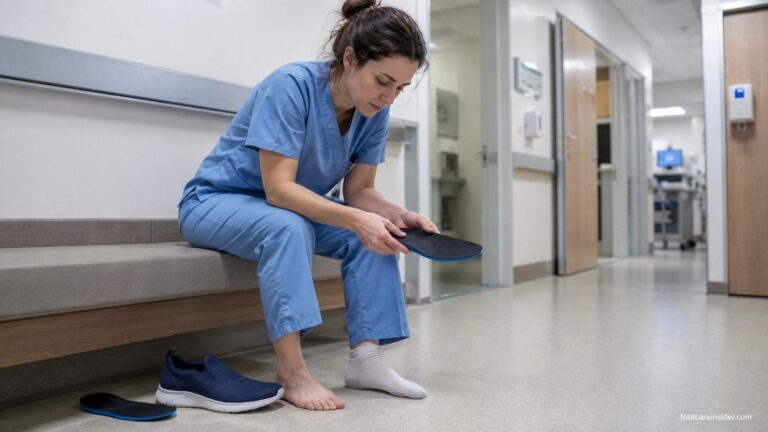
One common factor is spending many hours standing or walking on hard surfaces. Concrete, tile, and pavement provide very little natural shock absorption, meaning your feet and legs repeatedly manage the same impact throughout the day.
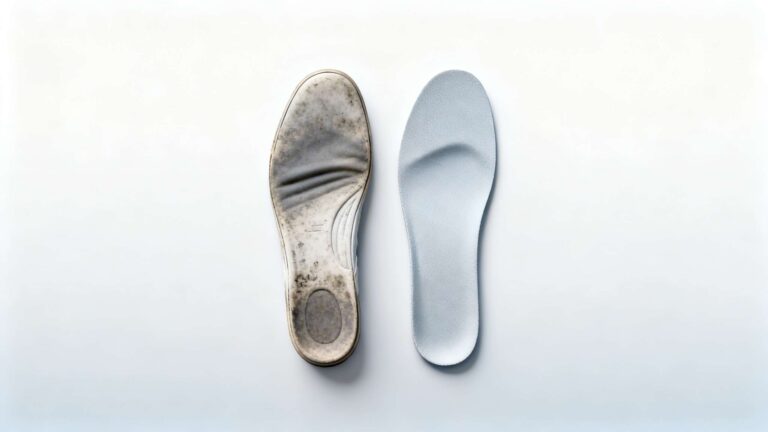
Footwear also matters. Shoes that have lost their structure or no longer provide adequate support may allow excessive inward movement to become more noticeable, particularly during long periods of walking.
Individual foot shape can also contribute. People with flexible arches may experience more inward motion than those with naturally stiffer feet, although this alone does not determine whether symptoms develop.
Muscle strength, mobility, previous injuries, body weight, and walking habits all influence how efficiently the body manages repeated loading. Overpronation is only one piece of a much larger picture.
Readers interested in common causes may also want to explore Causes of Overpronation.
Early Signs That Foot Mechanics May Be Affecting Alignment
Posture-related effects from overpronation usually develop gradually rather than appearing suddenly.
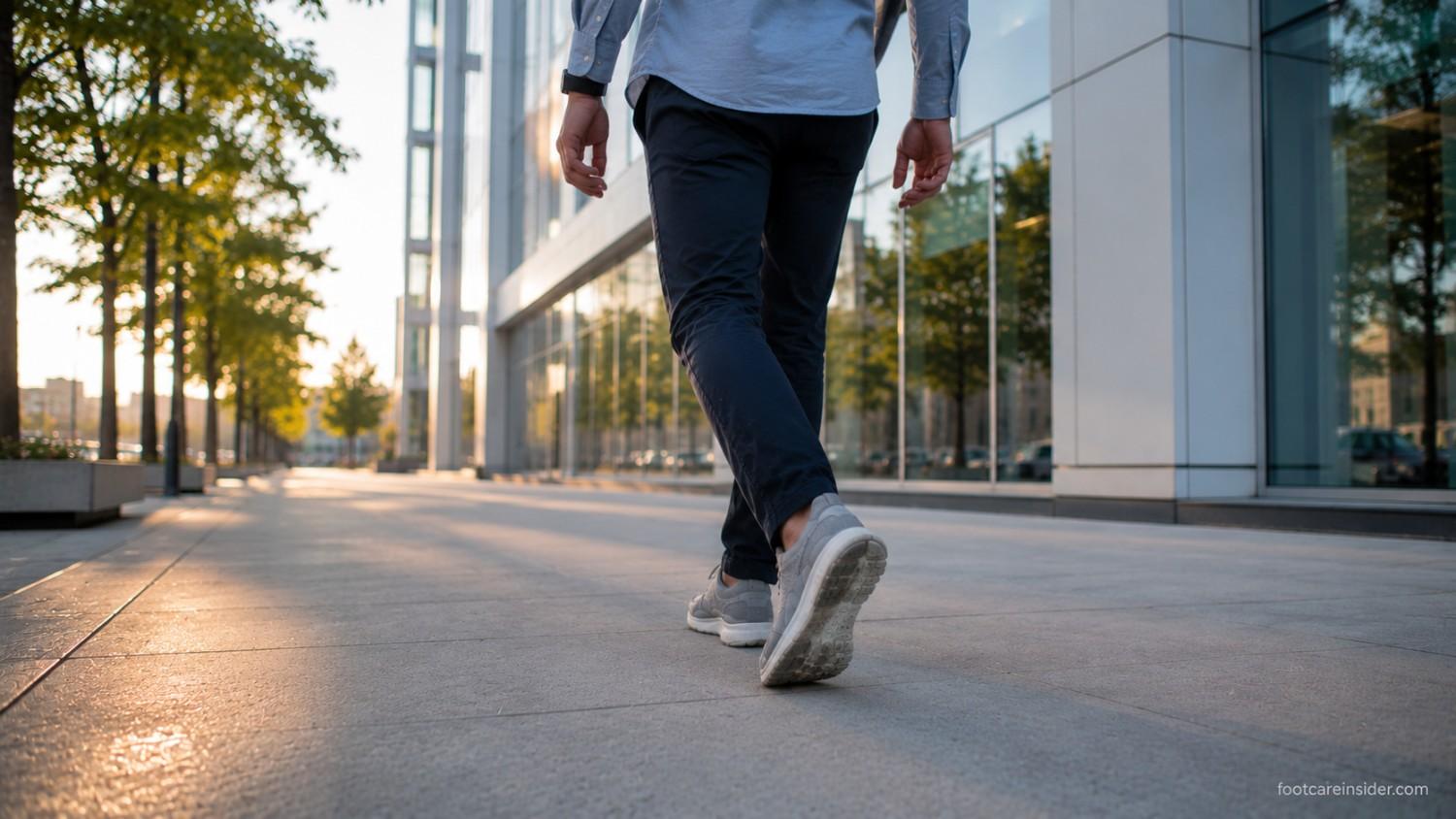
Early signs may include feet that tire sooner than expected during long walks, mild ankle fatigue, or a feeling that one side of the body works slightly harder than the other after prolonged activity. Some people notice uneven shoe wear, particularly along the inside edge of the sole.
As walking distances or standing time increase, fatigue may extend into the calves or knees because these muscles help stabilize the leg throughout each step. This doesn’t necessarily mean overpronation is the sole cause, but it can contribute alongside other factors.
Some people also notice that maintaining comfortable walking form becomes more difficult toward the end of the day, especially after commuting, shopping, or working on hard floors. These subtle changes often reflect accumulated fatigue rather than immediate structural problems.
Overpronation doesn’t only affect your feet—it can also influence hip mechanics. Learn more in Overpronation and Hip Alignment.
When Posture Changes Deserve More Attention
Most posture variations related to overpronation are mild and develop slowly. They don’t necessarily indicate an injury or serious condition.
However, persistent discomfort that repeatedly affects the feet, ankles, knees, hips, or lower back deserves closer attention, particularly if symptoms interfere with everyday activities or continue despite changing footwear and reducing walking load.
It’s also worth paying attention if one shoe consistently wears much faster than the other, if balance feels increasingly difficult during walking, or if you notice ongoing discomfort that becomes more pronounced with daily activity.
People experiencing persistent or worsening symptoms may benefit from an assessment by a qualified healthcare professional, such as a podiatrist or physical therapist, who can evaluate walking mechanics as part of the overall picture rather than focusing only on the feet.
Understanding how foot movement relates to the rest of your body is an important first step. In many cases, small adjustments to footwear, activity habits, or support strategies may help improve comfort before symptoms become more disruptive.
Readers comparing different levels of inward foot movement may also find Mild vs Severe Overpronation useful.
Supporting Your Posture Through Everyday Habits
If overpronation is contributing to changes in your walking pattern, the goal is usually to improve comfort and stability rather than trying to force your feet into a perfectly neutral position.
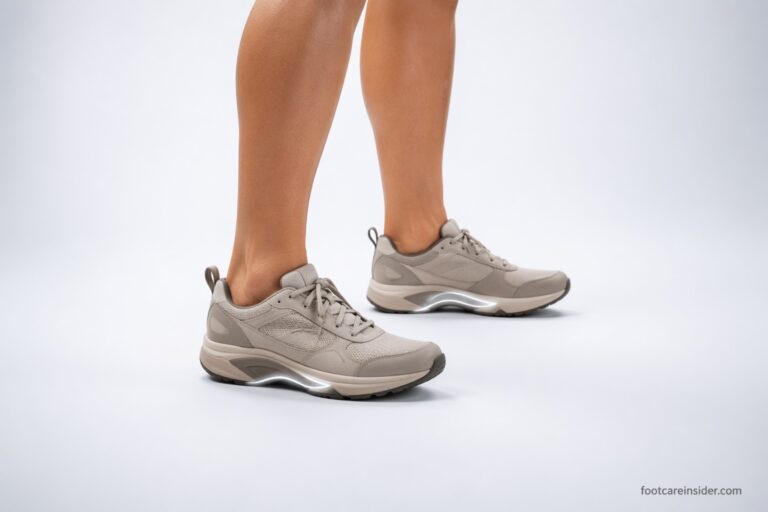
Supportive footwear is often the first place to start. Shoes that match your foot shape and walking style can provide a more stable foundation, particularly if you spend long hours walking or standing on hard surfaces.
Building strength in the feet, ankles, calves, and hips may also help improve how your body manages repeated movement. Gentle mobility exercises and gradually increasing activity can support natural movement without placing excessive stress on tired muscles.
Small adjustments often make more sense than dramatic changes, especially if your symptoms are mild.
Where Insoles May Fit Into the Picture
For some people, supportive insoles may help improve overall comfort by encouraging a more stable foot position during walking. They are not designed to “correct” posture on their own, but they can sometimes reduce excessive foot motion that contributes to fatigue.
The most appropriate type depends on individual needs, including foot shape, walking distance, footwear, and the amount of support required. A firmer supportive insole may suit someone whose shoes collapse inward easily, while a moderate-support option may be sufficient for everyday walking.
Readers considering footwear support may also find Insoles vs Supportive Shoes useful.
When Professional Advice Is Worth Considering
Occasional tired feet after a busy day are common. However, if discomfort continues for several weeks, affects one side much more than the other, or begins limiting daily activities, it is sensible to seek professional assessment.
A podiatrist or physical therapist can evaluate your walking pattern, footwear, muscle strength, flexibility, and overall movement rather than focusing only on pronation itself. This helps determine whether overpronation is contributing to the problem or whether other factors deserve attention.
Reducing Everyday Strain Before It Builds
Preventing excessive fatigue often comes down to managing repeated stress throughout the day.
Replacing worn-out walking shoes before they lose their structure, rotating footwear when possible, taking short movement breaks during long standing periods, and gradually increasing walking distance instead of making sudden changes can all help reduce accumulated strain.
Maintaining healthy lower-leg strength and flexibility may also improve how comfortably your body handles thousands of daily steps.
Even small improvements made consistently often have a greater long-term effect than relying on a single solution.
Common Questions
Can overpronation always cause poor posture?
No. Many people overpronate without noticeable posture problems. Whether posture is affected depends on factors such as foot structure, walking habits, muscle strength, footwear, and overall body mechanics.
Can supportive insoles improve posture?
Supportive insoles may help some people achieve a more stable walking pattern, but they do not directly correct posture. Their main role is supporting foot mechanics, which may indirectly improve comfort during movement.
Does overpronation become worse with age?
Not necessarily. Foot mechanics can change over time due to aging, activity levels, injuries, or footwear habits, but overpronation does not automatically progress or become more severe.
Should I worry if my shoes wear unevenly?
Uneven shoe wear alone is not always a concern. However, if it occurs alongside persistent foot, knee, hip, or back discomfort, it may be worth having your walking pattern and footwear assessed by a healthcare professional.
Conclusion
Overpronation can influence posture, but usually through small changes in walking mechanics that build over thousands of daily steps rather than dramatic shifts in body alignment. For many people, supportive footwear, appropriate insoles when needed, and healthy movement habits are enough to improve comfort. If discomfort becomes persistent or begins affecting everyday life, a professional assessment can help identify the most appropriate next step.