Why Walking Fatigue Builds Throughout the Day
If your feet feel reasonably comfortable in the morning but noticeably more tired by the afternoon or evening, you’re not alone. Many people notice that walking becomes less comfortable as the day goes on, even if they haven’t changed their routine. Whether you’re commuting, shopping, working, or simply staying active, the gradual buildup of walking fatigue can affect how your feet, ankles, and even legs feel by the time the day ends.
Walking fatigue isn’t usually caused by one single step or activity. Instead, it develops from thousands of repeated movements that slowly place stress on muscles, joints, soft tissues, and the structures supporting your feet. Factors such as footwear, walking surfaces, daily distance, and individual foot mechanics all influence how quickly that fatigue appears.
Understanding why this happens is the first step toward reducing unnecessary strain and making everyday walking feel more comfortable.
For options that help on long walking days, see our guide to the best insoles for walking.
Why Walking Feels Easier Early in the Day
When you begin walking after resting overnight, the muscles that support your arches and stabilize your feet are relatively fresh. Your shoes also provide their maximum cushioning before repeated compression begins during the day.
As walking continues, every step creates a small amount of mechanical load. While a single step is insignificant, several thousand steps gradually increase the workload on the muscles, ligaments, tendons, and cushioning tissues beneath the feet.
Many people also spend portions of the day alternating between walking, standing, turning, climbing stairs, and carrying items. These constant changes prevent the feet from fully recovering between periods of activity, allowing fatigue to accumulate steadily instead of disappearing.
Readers interested in how regular walking affects underfoot support may also find Can Insoles Improve Walking Comfort? helpful.
What Causes Walking Fatigue to Build Gradually
Walking fatigue is usually the result of several small factors working together rather than one major problem.
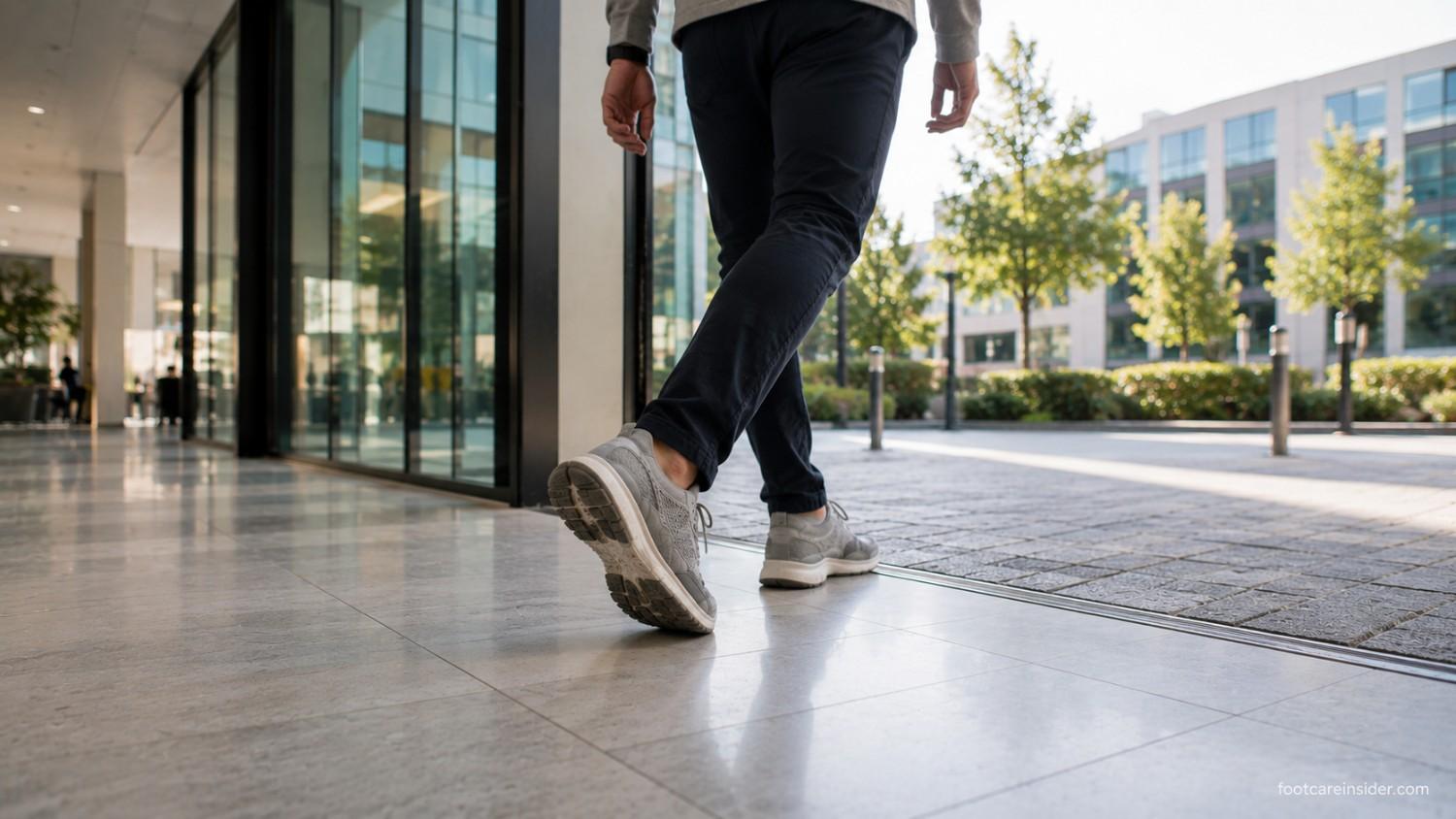
Longer walking distances naturally increase the number of repeated impacts your feet absorb. Hard surfaces such as pavement, polished concrete, and indoor tile transfer more force back into the body than softer terrain, which can make muscles work harder over time.
Footwear also plays an important role. Shoes that no longer provide adequate cushioning or support may allow pressure to concentrate beneath the heel or forefoot as the day progresses. Even well-fitting shoes gradually compress with repeated use throughout the day.
Individual foot structure also matters. Some people naturally require more muscular effort to maintain stability while walking, while others experience fatigue because their arches, ankles, or lower legs work harder to control each step.
Rather than causing immediate discomfort, these factors often combine slowly until the feet simply begin feeling tired, heavy, or less responsive later in the day.
Factors That Increase Daily Walking Fatigue
Several everyday habits and conditions can make walking fatigue appear earlier than expected.
Increasing daily step counts without allowing time to adapt can overload muscles that haven’t yet built sufficient endurance. Carrying heavy bags, spending long periods on hard surfaces, or wearing worn-out footwear may further increase stress with every step.
Body weight, previous foot injuries, and age can also influence how efficiently the feet absorb repeated impact. Even minor changes in walking mechanics may become noticeable after several hours of continuous movement.
Walking comfort can also vary depending on the environment. For example, smoother indoor flooring and outdoor pavement create different loading patterns during repeated walking.
Readers comparing different walking environments may also find Walking on Pavement vs Indoor Surfaces useful.
Early Signs That Fatigue Is Building
Walking fatigue rarely begins with severe pain. Instead, it often develops through subtle warning signs that become easier to recognize once you know what to look for.
Many people first notice mild heaviness beneath the arches or heels. Others describe their feet feeling less energetic, slightly stiff, or increasingly uncomfortable after several hours of activity. Shoes that felt comfortable in the morning may begin feeling less supportive by late afternoon.
Some people naturally shorten their stride or slow their walking pace without realizing it because tired muscles become less efficient at stabilizing each step. Mild calf tightness or general soreness around the ankles may also appear after longer periods of walking.
These symptoms often improve after resting, but if they become more frequent or begin appearing earlier each day, they deserve closer attention.
When Walking Fatigue May Need More Attention
Occasional tired feet after a particularly active day are completely normal. However, walking fatigue that becomes progressively worse, occurs after only short distances, or begins interfering with normal daily activities may indicate that additional factors are contributing.
Persistent pain, swelling, numbness, or discomfort that continues despite rest should not simply be ignored. These symptoms deserve evaluation by a qualified healthcare professional who can identify whether an underlying condition or biomechanical issue requires assessment.
Even when no medical condition is present, recurring walking fatigue may suggest that footwear, activity patterns, or foot support need adjustment before discomfort becomes more persistent.
Readers exploring support options for longer walking sessions may also benefit from Best Insoles for Heavy Walking.
Helping Reduce Walking Fatigue
If your feet regularly feel tired by the end of the day, small adjustments can often make a noticeable difference. Wearing shoes that match your walking habits, replacing footwear before the cushioning becomes excessively worn, and gradually increasing daily walking distance instead of making sudden jumps may help your feet adapt more comfortably.
Taking short breaks during long periods of walking can also give the muscles that support your arches and ankles time to recover. If you spend much of the day on hard surfaces, varying your route when possible or choosing softer walking paths for part of your routine may slightly reduce repeated impact.
Can Insoles Make Everyday Walking More Comfortable?
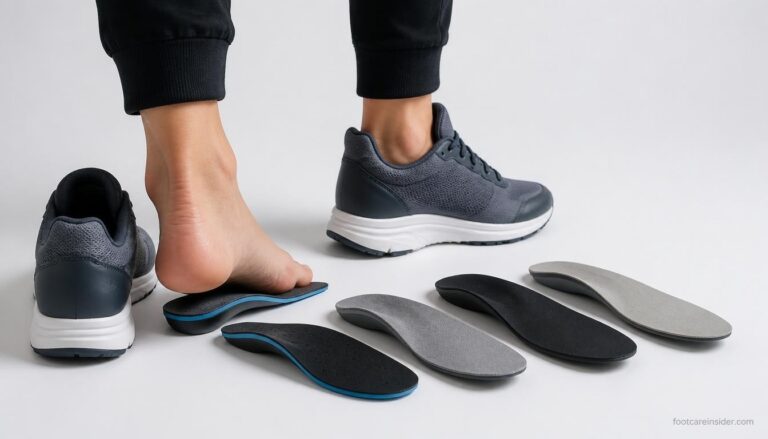
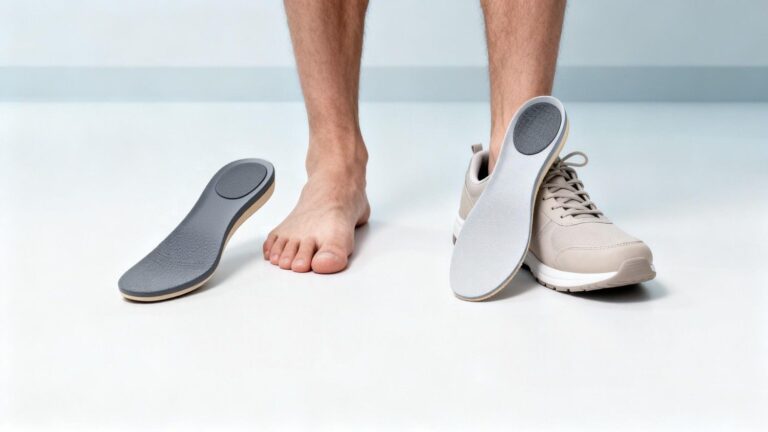
Supportive insoles may improve walking comfort for many people by helping distribute pressure more evenly across the foot and providing additional cushioning or arch support where needed. The most suitable option depends on your footwear, walking distance, and the type of fatigue you experience.
For someone whose shoes have simply lost their original cushioning, a comfort-focused insole may provide a more pleasant walking experience. Others may benefit more from structured support that helps improve stability during longer periods of walking. Insoles are not a cure for every source of foot discomfort, but they can become one part of a broader approach to improving everyday comfort.
Readers comparing footwear and support options may also find Walking Shoes vs Insoles for Comfort useful.
When Professional Advice May Be Appropriate
Occasional walking fatigue is common, particularly after unusually active days. However, if tiredness quickly progresses into persistent pain, swelling, numbness, or discomfort that continues even after resting, it is worth speaking with a healthcare professional.
Recurring fatigue that begins after only short walks, suddenly worsens without an obvious reason, or consistently affects one foot more than the other may also deserve further evaluation. Identifying the underlying cause early may help prevent ongoing discomfort from becoming more limiting.
Preventing Walking Fatigue Over Time
Building walking endurance gradually is often more effective than making sudden increases in daily activity. Wearing properly fitted footwear, replacing worn shoes when their cushioning begins to deteriorate, and varying walking surfaces throughout the week can all contribute to better long-term comfort.
Simple strengthening exercises for the feet and lower legs, maintaining a healthy activity level, and paying attention to early signs of fatigue may also help reduce the gradual buildup of strain during everyday walking.
While supportive footwear and insoles can play a role, they work best alongside consistent walking habits and realistic expectations about how the feet respond to repeated daily use.
Common Questions
Is it normal for walking fatigue to get worse later in the day?
Yes. As your feet absorb thousands of repeated steps, muscles and soft tissues gradually become less efficient, making fatigue more noticeable by afternoon or evening. This progression is common, especially after longer walking days.
Can better shoes reduce walking fatigue?
Properly fitted walking shoes with adequate cushioning and support may improve overall comfort for many people. Shoes that are worn out or poorly suited to your walking routine may allow fatigue to develop more quickly.
Do insoles help everyone who experiences walking fatigue?
Not always. Insoles may improve comfort for some people by providing additional cushioning or support, but the best choice depends on individual foot structure, footwear, and the reason fatigue develops.
Is walking fatigue different from foot pain?
Yes. Fatigue usually describes tired, heavy, or less responsive feet that improve with rest. Persistent or increasing pain, especially when accompanied by swelling or numbness, deserves professional assessment.
Can hard walking surfaces make fatigue worse?
They can. Surfaces such as pavement and indoor tile generally return more impact with every step than softer terrain, which may contribute to faster fatigue during long walking sessions.
Conclusion
Walking fatigue usually develops gradually rather than appearing suddenly. Repeated steps, footwear, walking surfaces, and individual foot mechanics all contribute to how your feet feel by the end of the day. Understanding these factors makes it easier to identify practical adjustments that may improve comfort while recognizing when persistent symptoms deserve professional evaluation.