Why Standing on Concrete Causes Foot Fatigue
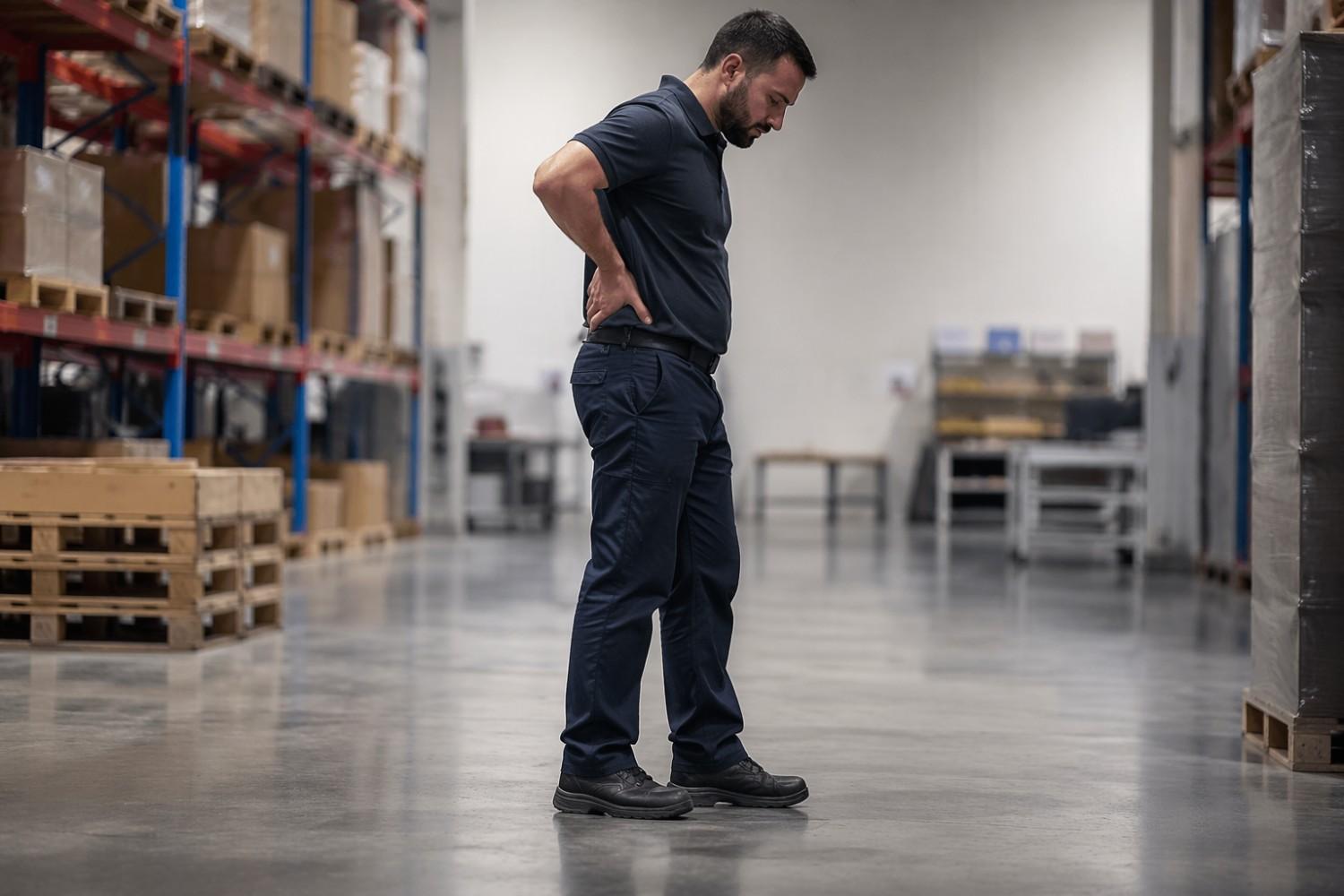
If your feet feel heavy, sore, or exhausted after a long day at work, the surface beneath you may be part of the problem. Many people who work in warehouses, hospitals, retail stores, factories, and other standing-intensive environments notice that foot discomfort becomes worse when they spend hours on concrete floors.
Concrete is one of the hardest surfaces people regularly stand and walk on. Unlike grass, carpet, rubber flooring, or athletic surfaces, it provides very little shock absorption. Every step sends force back through the feet, ankles, knees, and lower body. Over time, that repeated impact can contribute to fatigue even if no obvious injury is present.
The longer the standing duration, the more noticeable the effect often becomes. What starts as mild tiredness in the feet may gradually turn into aching arches, sore heels, calf tightness, or end-of-day discomfort that affects movement outside of work.
Quick answer: yes, standing on concrete all day is hard on your body. Concrete absorbs almost no shock, so your feet, calves, knees and lower back take the impact of every step. Tired, aching feet are the first sign. Supportive shoes, a cushioned insole, regular movement and an anti-fatigue mat reduce it.
What Standing on Concrete Does to Your Body
| Where | What you may notice |
|---|---|
| Feet | Aching arches, sore heels, burning or heavy feet by the evening |
| Legs and knees | Tight calves and aching knees, because the impact travels upward. See why flat feet cause knee pain |
| Lower back | Dull ache from tired legs and a shifting posture over a long shift |
Concrete is the hardest common floor, but tile is close. See tile vs concrete floors for how they compare, and why hard floors cause foot fatigue for the mechanics.
Why Concrete Feels Different From Other Surfaces
The human foot is designed to absorb and distribute force during movement.
Each step involves:
- impact absorption
- arch movement
- pressure redistribution
- balance control
On softer surfaces, part of that force is absorbed by the ground itself. Concrete does very little of that work.
Instead, the feet must handle most of the impact repeatedly throughout the day.
This creates a cumulative load on:
- the heel
- the arch
- the forefoot
- the ankle joints
- supporting muscles
The body can tolerate this stress for short periods. Problems often develop when exposure becomes repetitive and prolonged over weeks, months, or years.
How Foot Fatigue Develops Over Time
Foot fatigue rarely appears suddenly.
Most people notice a gradual progression.
Early signs often include:
- tired feet after work
- mild arch soreness
- occasional heel discomfort
- stiffness after sitting
As standing hours accumulate, symptoms may become more frequent.
Many workers begin noticing:
- burning sensations in the feet
- aching arches
- calf tightness
- reduced comfort during walking
- soreness lasting into the evening
The feet work continuously to maintain balance and posture during standing. When the workload exceeds the body’s ability to recover, fatigue gradually builds.
The Role of Arch Support
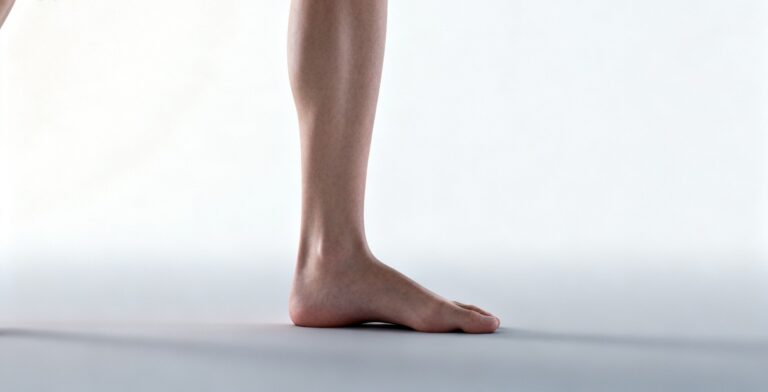
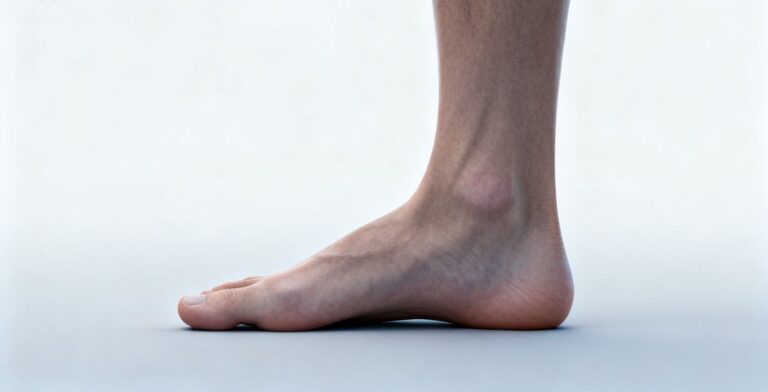
The arch acts as a natural shock absorber.
During walking and standing, it helps distribute force throughout the foot rather than concentrating pressure in one location.
People with lower arches or unstable foot mechanics may experience fatigue sooner because the foot works harder to maintain stability.
Readers researching what causes flat feet often discover that genetics, footwear habits, and foot structure can influence how effectively the arches manage daily load.
When arch support becomes insufficient, pressure may shift unevenly across the foot, increasing stress during long periods on hard flooring.
Standing Still Can Be Harder Than Walking
Many people assume walking places more stress on the feet than standing.
In reality, standing in one position for extended periods can sometimes feel worse.
Walking allows:
- muscle movement
- pressure changes
- circulation variation
Standing still often concentrates pressure in the same areas for long periods.
This is one reason cashiers, assembly-line workers, machine operators, and healthcare workers frequently report foot fatigue even when they are not walking large distances.
The body receives fewer opportunities to redistribute load throughout the day.
Foot Mechanics Influence Fatigue Levels
Not everyone experiences concrete-related foot pain equally.
Walking mechanics play an important role.
People with:
- flat feet
- overpronation
- unstable arches
- uneven gait patterns
often experience fatigue sooner because pressure distribution becomes less efficient.
Those exploring flat feet vs overpronation often learn that these two conditions are related but not identical. Both can influence how force travels through the feet during standing and walking.
When movement mechanics become less efficient, muscles may work harder to maintain stability throughout the day.
Footwear Can Make the Problem Better or Worse
The shoes worn on concrete floors matter significantly.
Supportive footwear can help distribute pressure more effectively and reduce stress on the feet.
Poor footwear often contributes to:
- faster fatigue
- reduced shock absorption
- arch strain
- pressure concentration
Common problems include:
- worn-out midsoles
- inadequate arch support
- flattened insoles
- poor fit
- lack of cushioning
Even quality shoes gradually lose support as materials compress with use.
Workers spending many hours on hard surfaces often notice comfort decline before visible wear becomes obvious.
Foot pain from standing on concrete doesn’t always affect the same area. Before deciding what kind of support you need, use our Interactive Foot Pain Chart to identify where your discomfort starts and explore the most common causes.
When Foot Fatigue Begins Affecting Other Areas
The effects of prolonged standing are not always limited to the feet.
As fatigue develops, compensation patterns may appear higher in the body.
Some people begin noticing:
- knee discomfort
- hip soreness
- lower back fatigue
- changes in walking patterns
Readers investigating why flat feet cause knee pain often discover how foot mechanics can influence movement throughout the entire lower body.
When the feet struggle to manage repetitive load efficiently, the joints above them may absorb additional stress.
Certain Jobs Carry Higher Risk
Some occupations naturally involve greater exposure to hard flooring.
Higher-risk environments often include:
- warehouses
- manufacturing facilities
- retail stores
- hospitals
- airports
- distribution centers
These jobs frequently combine:
- prolonged standing
- repetitive walking
- hard surfaces
- limited recovery periods
The combination creates an environment where foot fatigue can develop gradually even in otherwise healthy individuals.
Understanding why this happens is the first step toward reducing long-term strain and maintaining comfort throughout the workday.
Reducing Stress on Your Feet During Long Shifts
While concrete cannot be changed in most workplaces, there are several ways to reduce the load placed on the feet.
Small adjustments often help improve comfort over time.
These may include:
- rotating between supportive work shoes
- replacing worn footwear before support declines significantly
- taking brief walking breaks when possible
- changing standing position regularly
- stretching the calves and feet after shifts
Even simple movement changes can help reduce pressure concentration when standing for extended periods.
Workers who remain in one spot for hours often benefit from shifting weight periodically rather than locking into the same posture throughout the day.
How Insoles Can Help
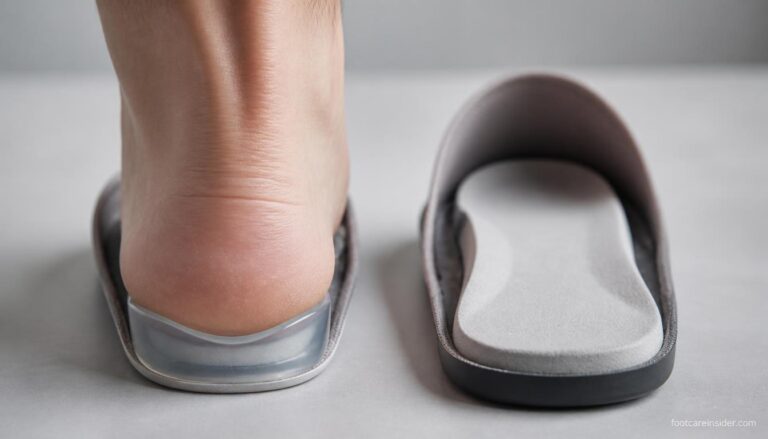
Insoles do not change the hardness of concrete, but they may help the feet manage repetitive load more efficiently.
Supportive insoles can assist by:
- improving pressure distribution
- supporting the arch
- reducing localized stress
- increasing comfort during prolonged standing
People working long shifts frequently explore insoles for standing all day because stock shoe insoles often compress too quickly under daily use.
The goal is not simply adding softness. Effective support usually combines cushioning with enough structure to maintain stability throughout the workday.
Our picks: If you work on concrete or other hard floors, these are two we would start with.
Spenco RX – A full-length insole with extra cushioning to take the sting out of hard floors.
Powerstep Maxx Support – A structured arch with cushioning on top, for feet that also tire from lack of support.
When Foot Fatigue Becomes a Bigger Concern
Occasional tired feet after a long shift are common.
However, persistent symptoms deserve closer attention.
Consider seeking professional evaluation if foot discomfort:
- continues despite rest
- becomes progressively worse
- affects daily activities
- alters walking patterns
- causes significant swelling
- spreads into the knees or hips
Ongoing symptoms may indicate underlying issues that extend beyond simple fatigue.
Early evaluation can help identify whether foot mechanics, footwear, workload, or another factor is contributing to the problem.
Preventing Long-Term Problems
Foot fatigue is often easier to manage early than after symptoms become chronic.
Prevention typically focuses on:
- maintaining supportive footwear
- addressing foot mechanics
- replacing worn insoles
- managing standing load
- staying active outside work
Even modest improvements in support and movement habits can reduce cumulative stress over months and years.
For people with unstable arches, supportive footwear often plays a larger role because the foot must manage greater demands during repetitive standing.
A softer shoe may feel comfortable initially, but long-term support often matters just as much as cushioning when exposure to concrete is daily.
Some people don’t notice flat feet until long shifts or long walks start wearing them down, which is Why do flat feet get tired so quickly? is such a useful question to answer.
Common Questions
Why do my feet hurt more on concrete than other floors?
Concrete absorbs very little impact compared with softer surfaces. As a result, your feet absorb more repetitive force during standing and walking, which can increase fatigue over time.
Is standing on concrete bad for your feet?
Long periods on concrete can contribute to foot fatigue, especially when combined with inadequate footwear or poor support. The risk generally increases as standing duration increases.
Why do my heels hurt after standing all day?
The heel is often the first area to absorb impact and pressure. Repeated loading on hard surfaces may gradually irritate tissues beneath the heel, particularly when cushioning and support are insufficient.
Can concrete floors cause knee pain?
Indirectly, yes. When the feet become fatigued or movement mechanics become less efficient, additional stress may travel upward through the ankles, knees, and hips.
Do supportive shoes really make a difference?
Supportive shoes may help distribute pressure more evenly across the foot and reduce fatigue during long workdays. The quality and condition of the footwear both matter.
Why does foot pain feel worse at the end of the day?
Foot fatigue usually accumulates gradually. Hours of standing and walking create repetitive stress that may not become noticeable until the body begins reaching its recovery limits later in the day.
Standing on concrete causes foot fatigue because the feet must absorb and manage repetitive force with very little help from the surface beneath them. Over time, that constant workload can create soreness, fatigue, and discomfort that extend beyond the feet themselves.
Factors such as foot mechanics, standing duration, footwear quality, and arch support all influence how strongly someone experiences these effects.
Understanding the cause of the fatigue makes it easier to choose practical solutions that improve comfort and reduce strain during long days on hard surfaces.
Why does standing on concrete hurt my back?
Concrete gives no shock absorption, so tired feet and legs stop cushioning your steps. The body then compensates through the hips and lower back, which tire over a long shift.
Does an anti-fatigue mat help?
Yes, for people who stay at one station. A mat adds give under the feet and encourages small weight shifts. It works best together with supportive shoes and a good insole, and it does not help if you walk across the floor. For heel-focused pain, see heel pain after standing.