Best Supportive Shoes for Flat Feet (2026 Guide)
If your feet feel tired halfway through the day…
If your arches seem to collapse when you stand or walk…
If your knees, hips, or even lower back start to ache after long hours on your feet…
You’re not just dealing with “foot discomfort.”
You’re likely dealing with flat feet — and a lack of proper support inside your shoes.
Finding the right supportive shoes for flat feet can make a noticeable difference in how your entire body feels. The problem is, most shoes on the market are built for average arches — not collapsed or low arches. That mismatch leads to poor alignment, fatigue, and long-term strain.
This guide breaks down exactly what to look for, why most shoes fail, and how to choose footwear that actually supports your feet the right way.
What Flat Feet Really Mean (And Why Support Matters)
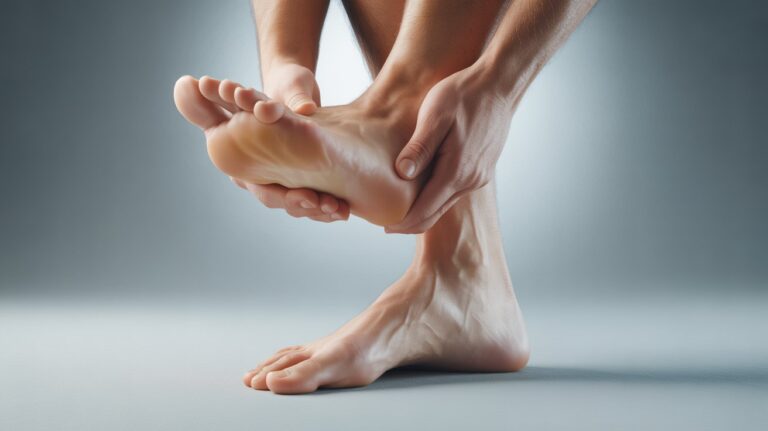
Flat feet — also known as fallen arches — occur when the arch of your foot collapses or doesn’t develop fully. Instead of distributing pressure evenly, your foot rolls inward during movement. This is often referred to as overpronation.
That inward motion may seem minor, but it creates a chain reaction:
- Ankles tilt inward
- Knees rotate slightly
- Hips shift out of alignment
- Lower back absorbs extra stress
Some supportive footwear solutions designed specifically for flat feet focus on combining structure and comfort for daily use. Best Insoles for Flat Feet
Over time, this can lead to:
- Heel pain
- Arch fatigue
- Shin splints
- Knee discomfort
- Lower back tension
Supportive footwear isn’t just about comfort — it’s about restoring alignment and reducing stress across your entire body.
If you’re already experiencing joint strain, it’s worth understanding how foot mechanics connect to other areas — see Why Flat Feet Cause Knee Pain for a deeper breakdown.
Why Most Shoes Don’t Support Flat Feet
Here’s the reality:
Most shoes are not designed to correct or support flat feet.
Standard footwear typically includes:
- Flat, thin insoles
- Soft foam cushioning
- Minimal arch structure
- Little to no stability control
This creates a major issue.
Soft shoes may feel comfortable at first, but they allow your arch to collapse even more with every step. Instead of supporting your foot, they amplify the problem.
That’s why many people say:
“These shoes feel good at first… but my feet still hurt later.”
Because comfort without structure = temporary relief, not real support. Best Insoles for Standing All Day
What Actually Makes a Shoe “Supportive”
Not all “supportive shoes for flat feet” are truly supportive. Marketing terms can be misleading.
Here’s what actually matters:
1. Structured Arch Support
This is the foundation.
A supportive shoe must:
- Hold your arch in a neutral position
- Prevent collapse under body weight
- Maintain shape throughout the day
Look for:
- Built-in arch contour
- Firm (not soft) midfoot structure
- Materials that don’t flatten quickly
If you need additional support, combining shoes with proper inserts can help — see Best Insoles for Flat Feet.
2. Stability or Motion Control Design
Flat feet often lead to overpronation.
Supportive shoes should include:
- Medial support (inner side reinforcement)
- Stability frames or dual-density midsoles
- Wide, balanced base
These features help guide your foot instead of letting it roll inward excessively.
For deeper correction, especially in more severe cases, external support like Insoles for Overpronation can make a big difference.
3. Firm Heel Counter
The heel is your foundation.
A good supportive shoe should have:
- A rigid heel structure
- Minimal side-to-side movement
- Proper rearfoot alignment
If the heel moves too much, the rest of your foot follows.
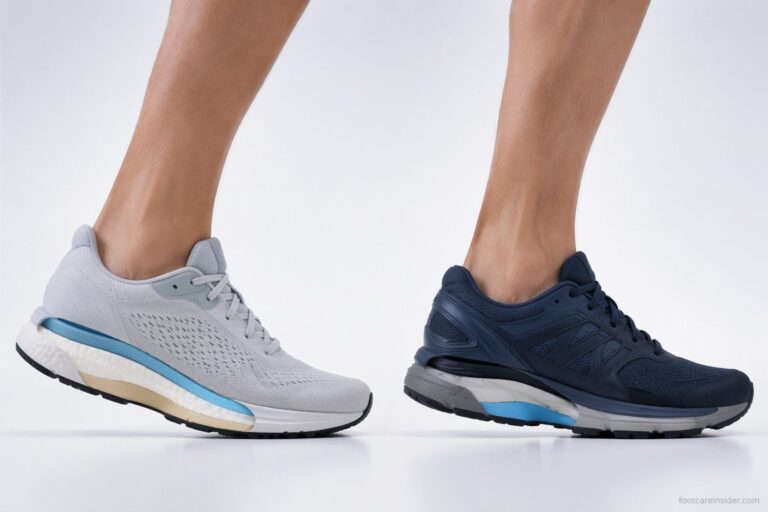
4. Balanced Cushioning (Not Too Soft)
Cushioning is important — but it must be controlled.
Too soft:
- Feels good initially
- Collapses under pressure
- Reduces stability
Too firm:
- Can feel uncomfortable
- Lacks shock absorption
The goal is controlled cushioning — support + comfort working together.
5. Removable Insoles
This is often overlooked but critical.
Why it matters:
- Allows custom orthotics
- Lets you upgrade support
- Improves long-term flexibility
Shoes without removable insoles limit your ability to adapt support over time.
How to Choose the Right Supportive Shoes for Flat Feet
Before buying anything, use this simple framework:
Step 1: Understand Your Daily Use
Ask yourself:
- Standing all day at work?
- Walking long distances?
- Running or training?
- Casual daily wear?
Different uses require different levels of support.
Step 2: Match Support Level to Severity
Mild flat feet:
- Light arch support
- Moderate stability
Moderate flat feet:
- Structured arch
- Stability design
Severe flat feet:
- Motion control shoes
- Firm arch + reinforced heel
Step 3: Check Fit and Shoe Depth
Supportive shoes tend to be:
- Slightly thicker
- More structured
Make sure:
- Your toes have room
- The shoe doesn’t feel tight
- There’s space for inserts if needed
Step 4: Consider Long-Term Comfort (Not Just First Feel)
Many people make this mistake:
They choose the shoe that feels softest in the store.
👉 That’s not the best choice.
The best supportive shoes for flat feet may feel slightly firm at first — because they are actually supporting your structure.
Why the Right Shoe Changes Everything
When you switch to proper support, you may notice:
- Less foot fatigue
- Improved posture
- Reduced knee and back strain
- Better walking efficiency
Support isn’t just about your feet — it affects your entire movement system.
Best Types of Supportive Shoes for Flat Feet (Detailed Breakdown)
Not all supportive footwear is built the same. The right choice depends on how you move, how long you’re on your feet, and how much correction your arches actually need.
Below are the most effective types of supportive shoes for flat feet, broken down clearly so you can choose with confidence.
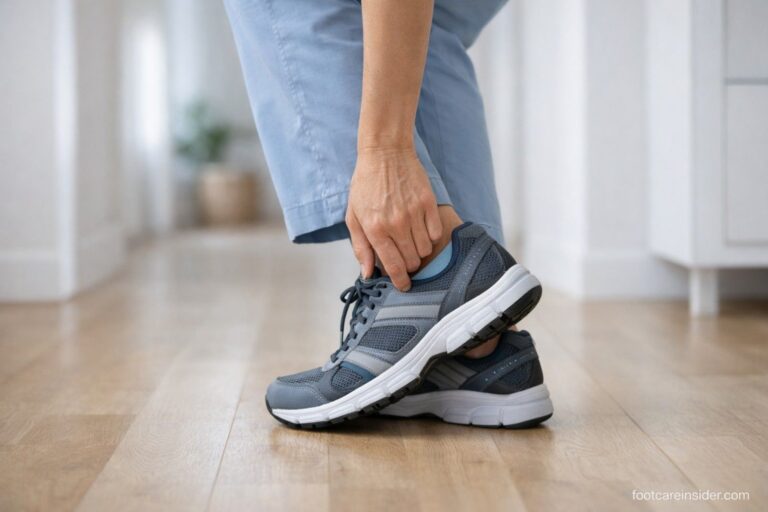
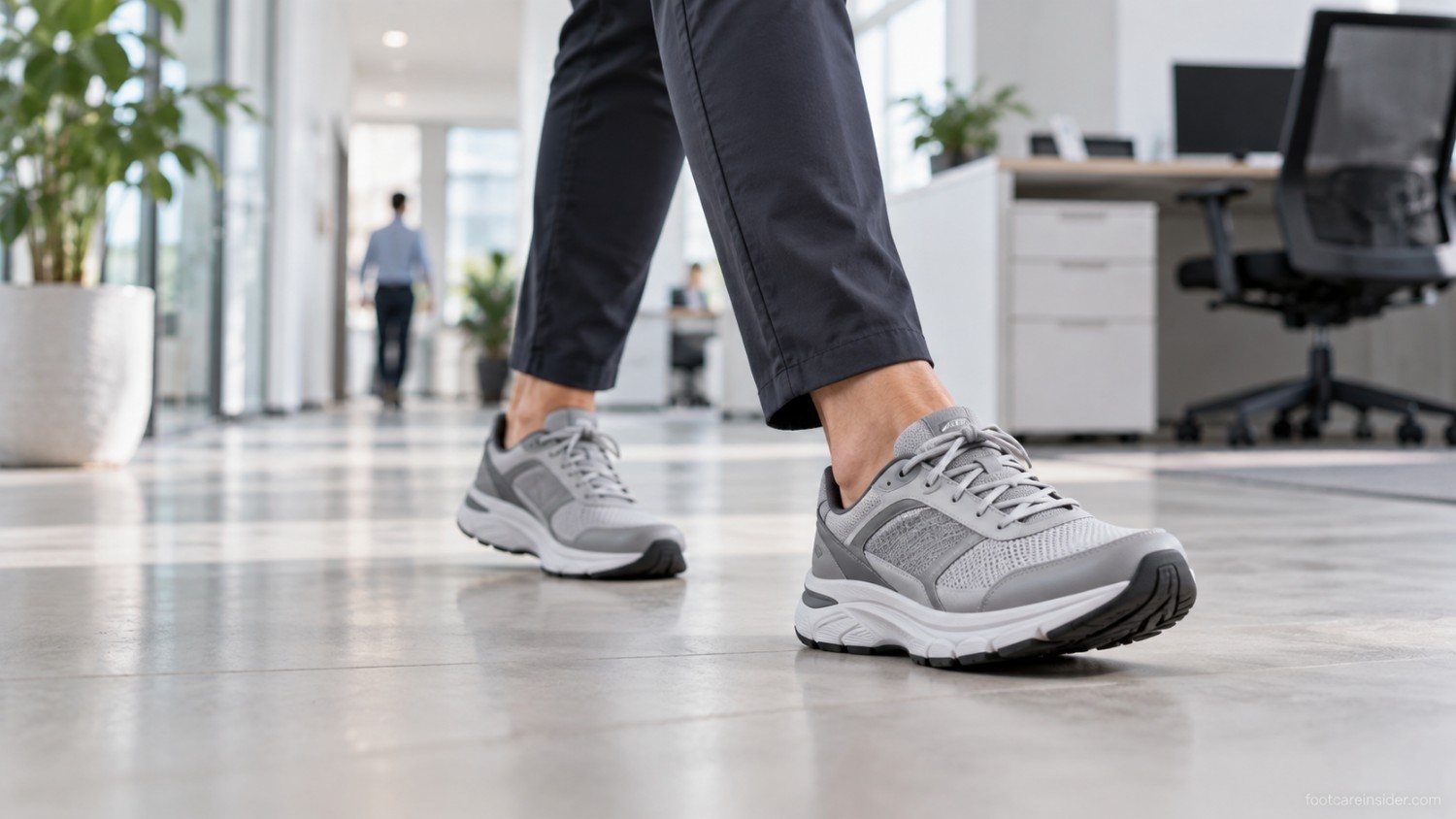
1. Stability Walking Shoes — Best Overall for Daily Use
Best for: Everyday walking, casual wear, moderate flat feet
Stability walking shoes are often the best starting point. They balance comfort and structure without being overly rigid.
Why they work:
- Built-in arch support
- Moderate motion control
- Shock-absorbing midsoles
- Comfortable for all-day wear
They’re designed to guide your foot gently into a more neutral position without feeling restrictive.
Pros:
- Comfortable for long hours
- Good for most foot types
- Versatile (work + daily use)
Limitations:
- Not strong enough for severe overpronation
- May wear down faster under heavy use
👉 If you’re unsure where to start, this category is usually the safest choice.
2. Motion Control Shoes — Best for Severe Flat Feet
Best for: Strong overpronation, significant arch collapse
Motion control shoes are built for maximum correction. These are the most structured supportive shoes for flat feet.
Why they work:
- Firm arch support
- Reinforced medial side (inner foot)
- Wide, stable base
- Strong heel control
They actively prevent your foot from rolling inward too much.
Pros:
- Maximum stability
- Ideal for chronic pain
- Helps improve alignment
Limitations:
- Heavier and less flexible
- May feel stiff at first
👉 If your ankles visibly roll inward or you’ve had long-term pain, this is where you should look.
3. Cushioned Support Shoes — Best for Comfort + Light Support
Best for: Mild flat feet, comfort-focused users
These shoes combine soft cushioning with basic arch support.
Why they work:
- Absorb impact
- Reduce pressure on hard surfaces
- Provide light structure
They’re a step up from standard shoes, but not a full corrective solution.
Pros:
- Very comfortable
- Good for casual wear
- Lightweight feel
Limitations:
- Limited correction
- Not ideal for long-term alignment issues
👉 Good option if your main goal is comfort rather than correction.
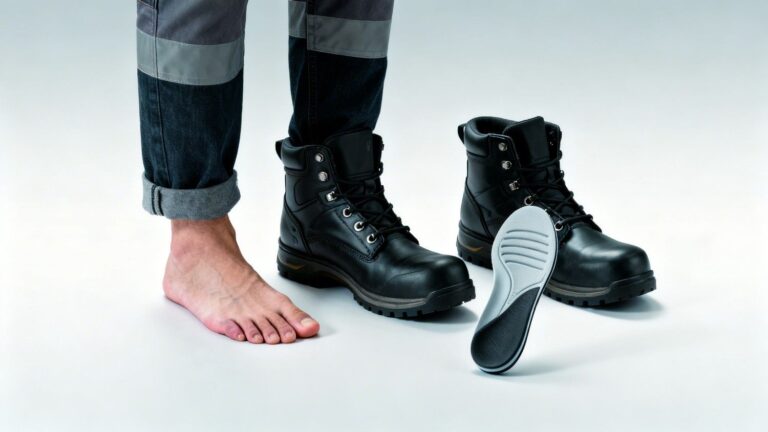
4. Work Shoes for Flat Feet — Best for Standing All Day
Best for: Jobs that require long hours on hard floors
If you’re standing 6–10 hours a day, regular shoes won’t hold up.
Supportive work shoes for flat feet are designed with durability and pressure distribution in mind.
Why they work:
- Thick, durable midsoles
- Reinforced arch support
- Shock absorption for concrete surfaces
Pros:
- Reduces fatigue
- Built for long shifts
- Durable construction
Limitations:
- Bulkier design
- Less flexibility
👉 For extended standing, proper support is essential. You can also combine this with Best Insoles for Standing All Day for even better results.
5. Orthopedic / Comfort Shoes — Best for Sensitive Feet
Best for: Foot pain, older adults, sensitive conditions
These shoes prioritize pressure relief and gentle support.
Why they work:
- Soft interior lining
- Supportive base structure
- Designed for pain reduction
They’re commonly used for conditions like plantar fasciitis, arthritis, or general foot sensitivity.
Pros:
- Maximum comfort
- Reduces irritation
- Easy to wear daily
Limitations:
- Less athletic performance
- Style may be limited
👉 If your feet are sensitive or easily irritated, this category offers the most relief-focused design.
How to Choose Between These Options
If you’re still unsure, use this quick guide:
- Daily walking + mild flat feet → Stability shoes
- Severe overpronation → Motion control shoes
- Comfort-first → Cushioned support shoes
- Standing all day → Work shoes
- Pain or sensitivity → Orthopedic shoes
👉 Matching the shoe to your situation is more important than the brand itself.
Common Mistakes to Avoid
Many people waste money by choosing the wrong type of shoe.
Here’s what to avoid:
1. Choosing Based on Softness Alone
Soft ≠ supportive
Too much softness allows the arch to collapse further.
2. Ignoring Arch Structure
A shoe without proper arch support will not fix flat feet — no matter how comfortable it feels.
3. Wearing Worn-Out Shoes Too Long
Even the best supportive shoes for flat feet lose effectiveness over time.
👉 Replace them every 6–12 months depending on use.
4. Not Considering Insoles
Sometimes even good shoes need extra support.
👉 If needed, combine with Insoles for Overpronation for better alignment.
Frequently Asked Questions
What are the best supportive shoes for flat feet?
Shoes with structured arch support, stability features, and firm heel control are the best choice. Stability and motion control categories are usually most effective.
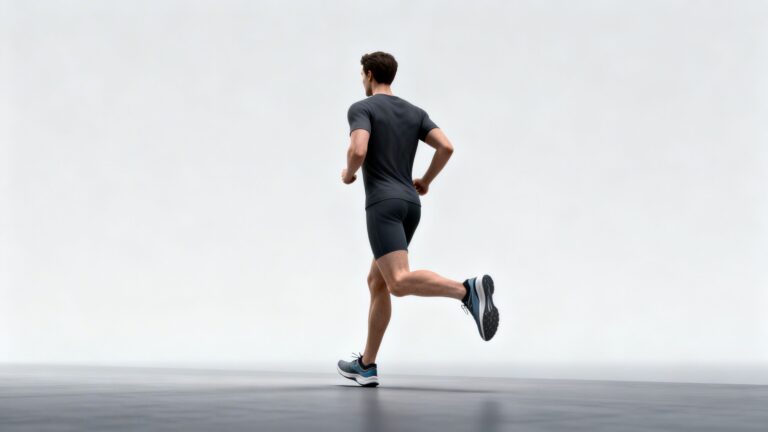
Are running shoes good for flat feet?
Some are — especially stability running shoes. But neutral running shoes often lack the support needed for flat arches.
Do I still need insoles if I buy supportive shoes?
Not always. But in moderate to severe cases, adding insoles can improve support and alignment significantly.
Can supportive shoes fix flat feet permanently?
No. They don’t change your foot structure, but they help manage symptoms and improve alignment.
How long does it take to feel a difference?
Most people notice improvement within a few days to a couple of weeks, especially if they switch from unsupportive footwear.
Final Verdict
Choosing the right supportive shoes for flat feet is one of the most effective ways to reduce pain, improve posture, and protect your joints over time.
If you want a safe, everyday option → go with stability shoes.
If you need serious correction → choose motion control.
If comfort is your priority → cushioned or orthopedic designs may be better. Prefer a quick answer? Try our insole finder quiz.
The key is simple:
👉 Support first, comfort second — not the other way around.
When your feet are properly supported, everything above them benefits.
To improve posture and reduce pressure on your feet, take a look at our guide on best insoles for overpronation.