Are Expensive Insoles Worth It?
If you’ve ever stood in the insole aisle staring at a $15 option next to a $60 or even $100 pair, you’ve probably wondered the same thing: are expensive insoles worth it, or is this just marketing?
It’s a fair question. Foot pain is common, and the promise of relief—especially from something as simple as an insole—can feel both hopeful and uncertain. Some people swear by premium insoles, while others say they feel no real difference. The truth sits somewhere in the middle, and understanding it requires looking beyond price and into how your feet actually function.
What Does “Expensive Insoles” Really Mean?
The term expensive insoles usually refers to inserts that go beyond basic cushioning. These may include:
For everyday shoes specifically, see are insoles worth it for everyday use.
- Structured arch support
- Firmer materials that resist compression
- Deep heel cups for stability
- Multi-layer designs for shock absorption and control
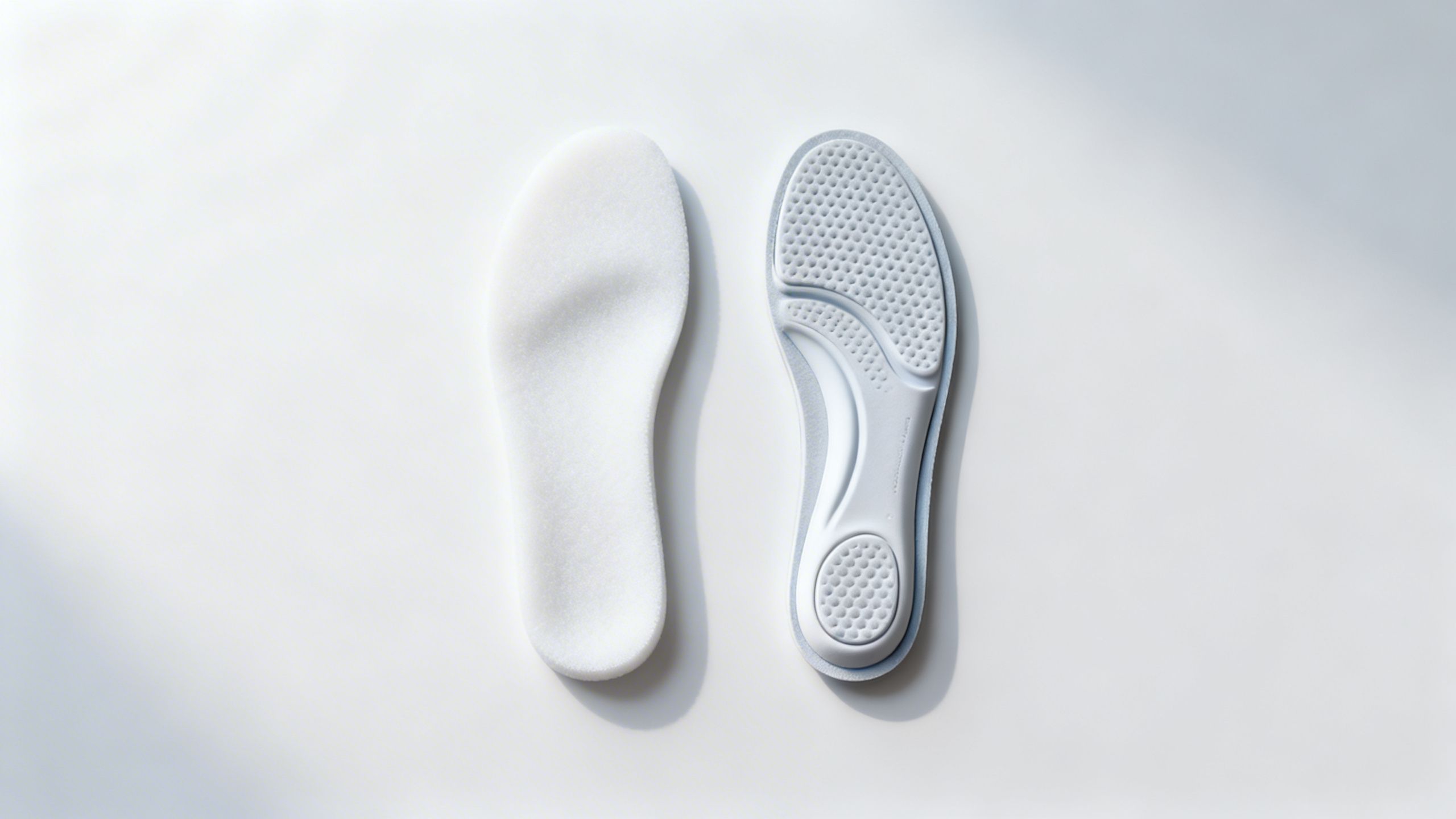
In contrast, cheaper insoles are often soft, flat, and designed mainly to add comfort rather than correct movement.
So when people ask are expensive insoles worth it, they’re really asking whether these added features translate into meaningful benefits for the body.
The Real Problem Isn’t the Price — It’s the Mechanics
Most foot discomfort doesn’t start because your shoes are “not soft enough.” It starts because of how your feet move.
The foot is designed to absorb shock, stabilize your body, and transfer force as you walk. When this system works properly, pressure is distributed evenly. But when it doesn’t—due to flat feet, high arches, or unstable gait patterns—stress shifts into areas that aren’t built to handle it.
That’s when problems begin:
- Heel pain from repeated impact
- Arch fatigue from lack of support
- Knee strain from poor alignment
- Even hip or lower back discomfort
Cheap insoles typically don’t address these issues. They compress under pressure and lose shape quickly, which means they don’t change how your foot moves.
More structured insoles aim to influence that movement. They don’t just cushion—they guide.
Why Some People Feel a Big Difference
For certain individuals, switching to a higher-quality insole can feel like an immediate upgrade. This is especially true if:
- Your arches collapse under weight (overpronation)
- You stand or walk for long hours
- You wear shoes with minimal built-in support
- You’ve developed pain related to alignment
In these cases, the question are expensive insoles worth it often gets answered quickly—because the improvement is noticeable.
That said, not everyone experiences this. If your foot mechanics are already stable, the difference between basic and premium insoles may be subtle.
Root Causes That Influence the Outcome
Whether expensive insoles are worth it depends heavily on the underlying cause of your discomfort.
Flat feet or low arches
When the arch collapses, the foot rolls inward. This affects the alignment of the ankle and knee. Structured insoles can help reduce this motion.
High arches
A high arch doesn’t absorb shock efficiently. In this case, cushioning becomes more important than rigid support.
Muscle weakness
Weak foot or hip muscles can reduce stability. Insoles may help, but they won’t replace strength.
Improper footwear
Shoes with poor structure can amplify foot problems. Even the best insole can only do so much if the shoe itself is unstable.
Understanding these causes makes it easier to evaluate whether paying more actually brings value.
Risk Factors That Make Insoles More Relevant
Some people are more likely to benefit from higher-quality insoles due to their daily demands or physical characteristics.
You may notice a greater impact if you:
- Work on hard surfaces for extended periods
- Run or walk frequently
- Have a history of foot or knee pain
- Carry more body weight (increased pressure on feet)
- Wear minimalist or unsupportive shoes
For example, people who spend long hours on their feet often find better results with supportive options like Best Insoles for Standing All Day , where durability and structure matter more than softness alone.
How Symptoms Can Differ
Not all foot discomfort feels the same—and this matters when deciding if expensive insoles are worth it.
Some people experience:
- A dull ache in the heel after long days
- Burning or fatigue in the arch
- Tightness in the calves or Achilles
- Pain that travels upward into the knees
Others may not feel pain directly in the foot at all. Instead, they notice issues higher up the chain—like knee discomfort linked to alignment changes. If that’s the case, it’s worth exploring Why Flat Feet Cause Knee Pain to understand how foot mechanics affect the rest of the body.
The more your symptoms are tied to movement and alignment (rather than simple pressure), the more likely structured insoles will make a difference.
When It Becomes More Than Just Comfort
There’s a point where the question are expensive insoles worth it shifts from convenience to necessity.
Signs that the issue may be more serious include:
- Persistent pain that doesn’t improve with rest
- Swelling or stiffness in the foot or ankle
- Difficulty standing or walking comfortably
- Pain that spreads to knees, hips, or back
In these situations, relying on basic cushioning is rarely enough. The focus should shift toward correcting the underlying mechanics—whether through better insoles, exercises, or professional guidance.
For a broader understanding of how different types of insoles work, you can also explore Do Insoles Really Work as part of your research.
In the end, price alone doesn’t determine value. What matters is whether the insole matches your specific needs—your foot structure, your activity level, and the way your body responds to stress. You can read more in our cheap vs expensive insoles.
Are Expensive Insoles Worth It?
By now, it’s clear that the answer to are expensive insoles worth it isn’t a simple yes or no. It depends on what your feet actually need—and whether the insole is solving the right problem.
Treatment Options (Start Without Spending)
Before jumping straight into buying insoles—expensive or not—it’s worth understanding that not all foot pain requires a product.
In many cases, simple adjustments can reduce strain:
1. Strengthening the foot and lower body
Small muscles in the feet help maintain arch stability. When they’re weak, the arch is more likely to collapse under pressure. Exercises like toe curls, short foot activation, and calf raises can improve control over time.
2. Improving ankle mobility
Limited ankle movement can force the foot to compensate, increasing stress on the arch and heel. Gentle stretching of the calves and Achilles tendon can help restore balance.
3. Adjusting daily habits
Standing posture, walking patterns, and even how quickly you increase activity levels all play a role. Sudden increases in walking or running often trigger symptoms that aren’t caused by the insole at all.
4. Choosing better footwear
Shoes with a stable base and proper structure can make a noticeable difference. In some cases, upgrading your shoes alone reduces the need for additional support.
These steps address the root of the issue—not just the symptoms. And sometimes, that’s enough.
When Insoles Actually Help
This is where the question are expensive insoles worth it becomes more practical.
Insoles tend to help most when your discomfort is tied to movement patterns, not just pressure.
They’re particularly useful if you have:
- Overpronation (foot rolling inward excessively)
- Flat feet or collapsing arches
- High-impact daily activity (walking, running, standing long hours)
- Shoes that lack built-in support
In these situations, structured insoles can:
- Stabilize the arch
- Improve alignment of the ankle and knee
- Reduce repetitive strain on joints
- Distribute pressure more evenly
If you’re dealing with inward foot rolling specifically, a deeper look at Insoles for Overpronation can help you understand what type of support actually makes a difference.
The key point:
Expensive insoles are not just “more comfortable”—they’re often more structured, and that structure is what changes outcomes.
When Paying More Makes Sense
There are certain scenarios where spending more on insoles is not just justified—it’s often the smarter choice.
1. Long hours on your feet
If you stand 6–10 hours a day, materials matter. Cheap insoles compress quickly and lose their function. Higher-quality options tend to maintain shape and support longer.
2. Ongoing discomfort or recurring pain
If your symptoms keep returning, it’s often a sign that basic cushioning isn’t addressing the underlying issue.
3. Alignment-related problems
Pain in the knees, hips, or lower back can sometimes trace back to foot mechanics. In these cases, structure is more important than softness.
4. Heavier body weight or higher load
More weight means more pressure on the arch. Durable, supportive materials become more important in maintaining stability.
For general support and structure, many people explore options like Best Insoles for Flat Feet, where the focus is on stability rather than just cushioning.
Our picks: If you decide to spend a little more, these are the ones we would start with.
Moderate support insoles – Enough support for mild to moderate problems.
Superfeet Green – A firm, structured arch for stronger support needs.
Powerstep Maxx Support – Support plus cushioning for long days on your feet.
When Expensive Insoles May NOT Be Worth It
Just as important as knowing when they help is knowing when they don’t.
You may not benefit much from premium insoles if:
- Your discomfort is mild and occasional
- Your shoes already provide good support
- You don’t spend long periods on your feet
- Your foot mechanics are relatively neutral
In these cases, the difference between a $20 and $60 insole may be minimal.
It’s also worth noting that insoles—no matter how expensive—don’t “fix” the structure of your foot. They support it. They guide it. But they don’t permanently change it.
When Medical Care Is the Better Step
Sometimes, the question are expensive insoles worth it is actually the wrong question.
If your symptoms go beyond mild discomfort, it may be time to seek professional input.
Consider seeing a podiatrist or orthopedic specialist if:
- Pain lasts longer than a few weeks
- You experience swelling or sharp pain
- Walking becomes difficult or limited
- Pain spreads to other joints
- You’ve tried insoles without improvement
A professional assessment can identify structural issues, tendon problems, or joint conditions that insoles alone can’t address.
In more complex cases, custom orthotics or targeted treatment plans may be recommended.
Prevention: The Smarter Long-Term Approach
Whether or not you choose expensive insoles, prevention plays a major role in long-term foot health.
Simple habits can make a big difference:
- Rotate your shoes to avoid repetitive stress
- Replace worn-out insoles before they lose structure
- Maintain strength in feet, calves, and hips
- Avoid sudden increases in activity
- Choose shoes that match your foot type
These steps reduce the likelihood of needing corrective support in the first place.
Frequently Asked Questions
Are expensive insoles really better than cheap ones?
They can be—especially if they offer structured support and durability. The difference is most noticeable when foot mechanics are involved.
Do expensive insoles last longer?
In most cases, yes. Higher-quality materials tend to maintain shape and support longer than basic foam inserts.
Can insoles fix foot problems permanently?
No. They help manage symptoms and improve alignment, but they don’t permanently change foot structure.
Are custom orthotics better than store-bought insoles?
Custom orthotics are designed specifically for your feet and may be more effective in complex cases. However, many people find relief with well-designed over-the-counter options.
How do I know if I need supportive insoles?
If you experience recurring pain, fatigue, or alignment-related discomfort, supportive insoles may be worth trying.
To learn more, see all insole and foot pain guides here.
Conclusion
So—are expensive insoles worth it?
Sometimes, absolutely. Other times, not at all.
The difference comes down to fit, function, and need.
If your discomfort is linked to how your feet move—how they absorb impact, how they align your body—then a well-structured insole can make a meaningful difference. Not because it’s expensive, but because it’s built for a purpose.
But if your feet are already functioning well, or your symptoms are mild, the added cost may not bring noticeable benefits.
In the end, the goal isn’t to spend more—it’s to choose better. And that decision becomes much easier when you understand what your body is actually asking for.
For better balance and foot control, explore our guide to overpronation support insoles designed for daily comfort.
For daily comfort and consistent use, insoles for walking are often a practical and reliable option.