Best Insoles Under $50 (Buyer’s Guide)
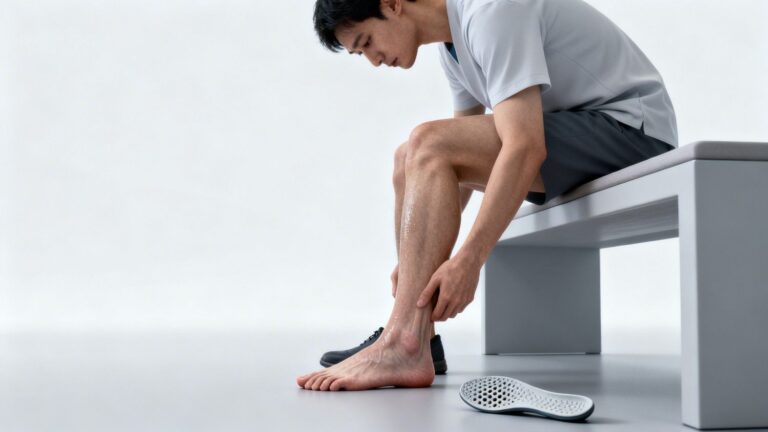
If you’ve ever ended a long day with aching feet, sore heels, or tight arches, you already know how quickly foot pain can ruin everything—from work productivity to your workouts. The frustrating part? Most people assume they need to spend $100+ to fix it.
That’s not true.
There are plenty of best insoles under 50 that can dramatically improve comfort, reduce pain, and support your feet properly—if you know what to look for. The problem is, most people buy the wrong type… and end up disappointed.
Let’s fix that.
The Real Problem: Why Your Feet Still Hurt
Foot pain usually doesn’t come from your shoes alone—it comes from lack of support and poor weight distribution.
Whether you’re dealing with:
- Flat feet
- Overpronation
- Heel pain or plantar fasciitis
- Long hours standing or walking
…the root issue is the same: your foot isn’t being properly supported.
And that’s where insoles should help—but often don’t.
Why Standard Insoles Fail
Most shoes come with thin, generic insoles that are designed to:
- Cut costs (not improve comfort)
- Fit “everyone” (which means they fit no one well)
- Provide minimal cushioning and almost no structure
They typically lack:
- Proper arch support
- Shock absorption
- Heel stability
- Durable materials
So even if your shoes look good, your feet are still doing all the work.
That’s why upgrading to one of the best insoles under 50 can make a bigger difference than buying new shoes.
What Actually Matters in a Good Insole
Not all insoles are created equal—especially in the budget range. If you want real results, you need to focus on a few key features.
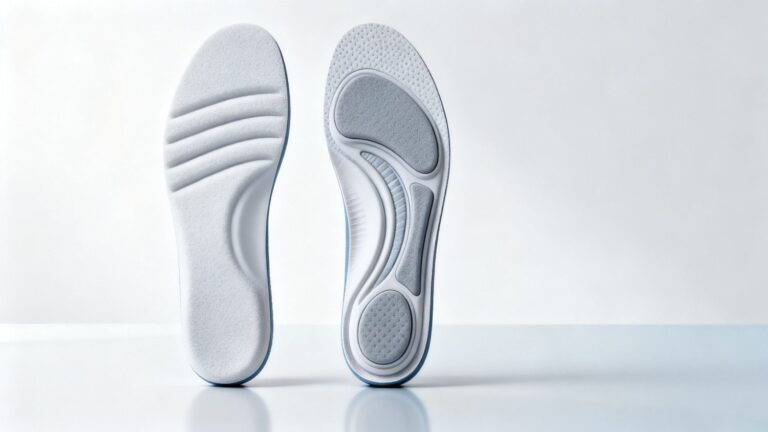
1. Arch Support (The #1 Priority)
This is the most important factor.
If you have flat feet or overpronation, you need structured arch support that:
- Keeps your foot aligned
- Reduces strain on knees and back
- Prevents collapse when walking or standing
Look for firm or semi-rigid support, not soft foam that flattens instantly.
👉 Related: best insoles for flat feet
2. Cushioning (Comfort Without Collapse)
Cushioning helps absorb impact, especially if you:
- Walk long distances
- Stand all day
- Run or train regularly
But here’s the catch:
- Too soft = no support
- Too hard = uncomfortable
The best insoles under 50 balance shock absorption + structure.
Materials to look for:
- Gel inserts (great for heel pain)
- EVA foam (lightweight and responsive)
- PU foam (more durable, slightly firmer)
3. Firmness (The Hidden Factor Most People Ignore)
A common mistake is choosing insoles that feel soft in your hand.
What you actually need is:
- Firm support under the arch
- Moderate cushioning on top
Why? Because support comes from structure—not softness.
Soft insoles may feel good for 10 minutes… then your foot collapses again.
4. Material Quality & Breathability
Cheap materials break down fast.
Better insoles (even under $50) use:
- Moisture-wicking fabric
- Anti-odor layers
- Durable foam that doesn’t flatten
This matters if you:
- Sweat a lot
- Wear shoes for long hours
- Use the same pair daily
5. Durability (Value Over Time)
An insole that lasts 6 months is better than one you replace every 4 weeks.
Look for:
- Reinforced arch structure
- High-density foam
- Strong heel cup
The best insoles under 50 should hold their shape over time—not collapse after a few uses.
How to Choose the Right Insoles (Simple Buying Framework)
Instead of guessing, use this simple system:
Step 1: Identify Your Main Problem
Ask yourself:
- Pain in heel? → You need shock absorption + heel support
- Flat feet? → You need structured arch support
- Standing all day? → You need cushioning + stability
- Sports use? → You need responsive + lightweight support
👉 Related: insoles for standing all day
Step 2: Match the Insole Type to Your Activity
Different situations require different support levels:
- Daily wear → Balanced comfort + support
- Work boots → Firm + durable
- Running shoes → Lightweight + shock absorption
- Casual sneakers → Flexible + breathable
Choosing the wrong type is one of the biggest reasons people think insoles “don’t work.”
Step 3: Don’t Fall for Marketing Hype
Ignore buzzwords like:
- “Ultra soft comfort”
- “Cloud foam”
- “Luxury cushioning”
Instead, focus on:
- Structure
- Materials
- Real use-case performance
Step 4: Fit Matters More Than Price
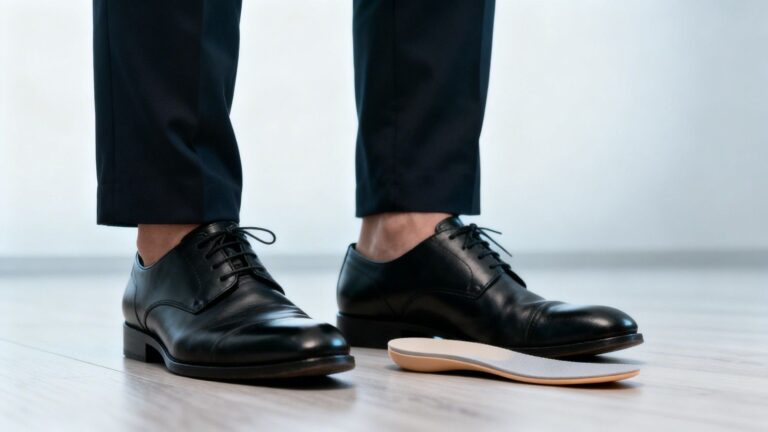
Even the best insoles under 50 won’t help if they don’t fit your shoe properly.
Check:
- Trim-to-fit vs exact sizing
- Thickness (important for tight shoes)
- Arch height compatibility
What You Can Expect (Realistically)
With the right choice, you should notice:
- Less foot fatigue
- Reduced heel or arch pain
- Better posture and alignment
- More comfort during long days
Not instant miracles—but clear improvement within days to weeks.
Why Budget Insoles Can Still Be Worth It
You don’t need custom orthotics to get relief.
Many affordable options now offer:
- Solid arch support
- Decent durability
- Good comfort for everyday use
That’s why choosing from the best insoles under 50 is one of the smartest upgrades you can make—especially if you’re just starting to address foot pain.
Best Insoles Under $50 (Top Types + How to Choose)
Now that you know what actually matters, let’s break down the best insoles under 50 by category. Instead of random product picks, this approach helps you match the right type to your specific needs—so you don’t waste money on something that doesn’t work.
1. Arch Support Insoles (Best for Flat Feet & Overpronation)
These are the most important category if your feet collapse inward when you walk or stand.
Best for:
- Flat feet
- Overpronation
- Knee, hip, or lower back pain
👉 Related: insoles for overpronation
What makes them effective:
- Firm arch structure that holds your foot in alignment
- Deep heel cup for stability
- Moderate cushioning (not too soft)
Pros:
- Improves posture and balance
- Reduces strain across the entire body
- Long-term support (not just comfort)
Limitations:
- May feel “hard” at first
- Takes a few days to adjust
- Not ideal if you only want soft cushioning
Comparison insight:
Compared to soft foam insoles, these provide real correction, not just temporary comfort. If you’re serious about fixing pain—not masking it—this is the category to prioritize when looking for the best insoles under 50.
2. Cushioning Insoles (Best for Standing All Day)
If your main issue is fatigue rather than alignment, cushioning insoles are a strong choice.
Best for:
- Retail workers
- Warehouse jobs
- Long walking days
👉 Related: best insoles for standing all day
What makes them effective:
- Shock-absorbing foam or gel layers
- Even pressure distribution
- Soft top layer for comfort
Pros:
- Immediate comfort
- Reduces foot fatigue
- Great for hard surfaces (concrete, tile)
Limitations:
- Less structural support
- Can flatten over time
- Not ideal for flat feet without added arch support
Comparison insight:
These are more about comfort than correction. If you don’t have structural issues, they’re among the best insoles under 50 for everyday relief.
3. Gel Insoles (Best for Heel Pain & Impact Relief)
Gel insoles focus on absorbing shock, especially in the heel area.
Best for:
- Heel pain
- Plantar fasciitis (early stages)
- High-impact activities
👉 Related: flat feet plantar fasciitis
What makes them effective:
- Targeted gel pads in heel and forefoot
- Flexible design
- Good vibration absorption
Pros:
- Excellent for impact-heavy movement
- Comfortable right away
- Affordable and widely available
Limitations:
- Minimal arch support
- Can feel bulky in tight shoes
- Not ideal for long-term structural correction
Comparison insight:
Compared to foam-only insoles, gel provides better shock absorption—but less stability. They’re a solid option within the best insoles under 50 if your main issue is impact rather than alignment.
4. Sport Insoles (Best for Running & Active Use)
These are designed for movement, not just standing or walking.
Best for:
- Running
- Gym training
- Active lifestyles
👉 Related: running insoles flat feet
What makes them effective:
- Lightweight materials
- Responsive cushioning
- Flexible arch support
Pros:
- Enhances performance
- Reduces impact during activity
- Breathable and sweat-resistant
Limitations:
- Less durable for daily heavy use
- Not as supportive as orthopedic insoles
- May wear out faster
Comparison insight:
Sport insoles strike a balance between performance and comfort, making them one of the most versatile options in the best insoles under 50 category.
5. Work Boot Insoles (Best for Tough Environments)
If you wear heavy shoes or boots, standard insoles won’t last long.
Best for:
- Construction workers
- Industrial jobs
- Heavy-duty daily use
👉 Related: work boot insoles flat feet
What makes them effective:
- High-density foam for durability
- Reinforced arch support
- Strong heel stability
Pros:
- Built to last
- Handles pressure from heavy footwear
- Reduces fatigue during long shifts
Limitations:
- Can feel stiff initially
- Slightly heavier than other types
- Less flexible
Comparison insight:
These are designed for durability first, comfort second. If you’re on your feet all day in demanding conditions, they’re easily among the best insoles under 50.
Not sure whether you need cushioning or correction? Compare gel vs orthotic insoles.
FAQ: Best Insoles Under $50
1. Are cheap insoles actually effective?
Yes—if you choose the right type. Many of the best insoles under 50 offer solid support and comfort for everyday use without needing expensive custom orthotics.
2. How long do insoles under $50 last?
Most last 3–6 months, depending on usage. Higher-quality options with dense foam and structured support tend to last longer.
3. Can insoles fix flat feet?
They won’t permanently change your foot structure, but they can improve alignment and reduce pain significantly.
4. Should insoles be soft or firm?
A combination works best:
- Firm for arch support
- Soft for cushioning
Too soft alone won’t provide real support.
5. Do I need different insoles for different shoes?
Ideally, yes. Running shoes, work boots, and casual sneakers all benefit from different insole types.
Final Verdict
The truth is simple:
You don’t need to overspend to fix foot pain.
The best insoles under 50 can:
- Improve comfort
- Support your feet properly
- Reduce daily pain
…but only if you choose the right type for your specific problem.
If you remember one thing, make it this:
👉 Match the insole to your need—not just the price or reviews.
That’s the difference between relief… and wasted money.
If your feet roll inward while walking or running, using insoles that correct overpronation can make a big difference.
If you’re comparing quality vs price, this guide on are expensive insoles worth it will help you decide what actually matters.