Overpronation Running vs Walking: What Changes?
If you’ve noticed your feet rolling inward and wondered whether it matters more when running than walking, you’re not alone. The same movement—overpronation—can feel very different depending on how you’re moving. And that difference affects how much strain your body absorbs.
In simple terms: running increases impact and speed, while walking spreads load over time. That means overpronation during running tends to create sharper, more repetitive stress, while walking-related overpronation builds slower, often showing up as fatigue rather than immediate discomfort.
What Overpronation Looks Like in Walking vs Running
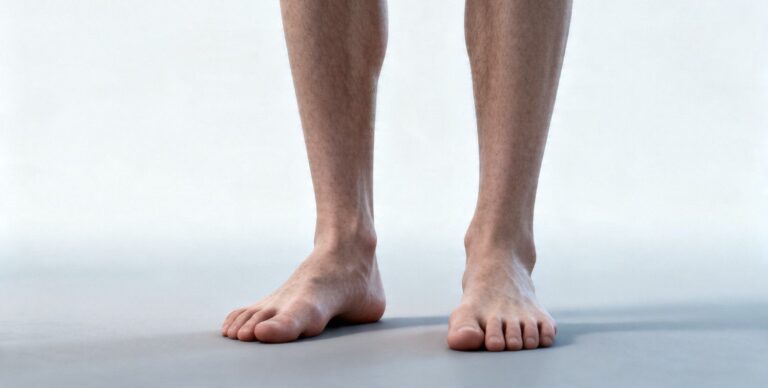
Overpronation is the inward rolling of the foot after it lands. A small amount is normal—it helps absorb shock. But when that motion becomes excessive, the arch collapses more than it should.
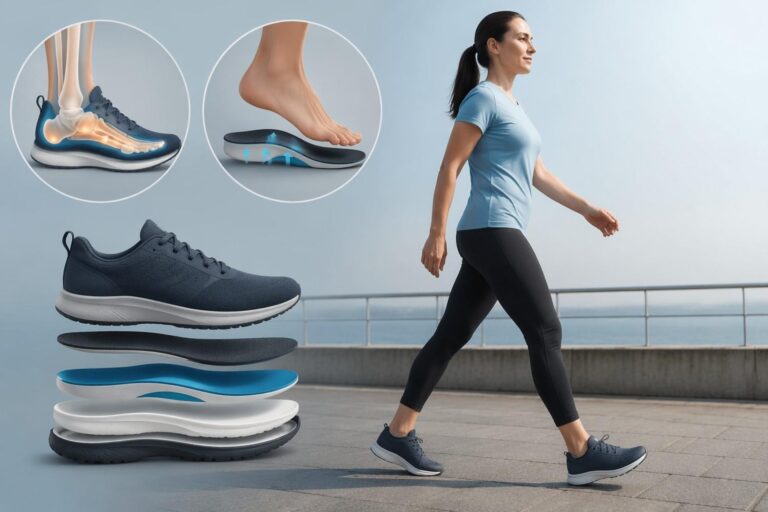
During walking, your foot goes through a controlled motion. One foot is always on the ground, and the load shifts gradually from heel to toe. Overpronation here often appears as:
Our guide to insoles for overpronation shows which support types suit this foot pattern.
- mild inward rolling
- slower arch collapse
- gradual pressure buildup
If you’re unsure how severe your overpronation is, this comparison between mild and severe overpronation can help you understand where you fall.
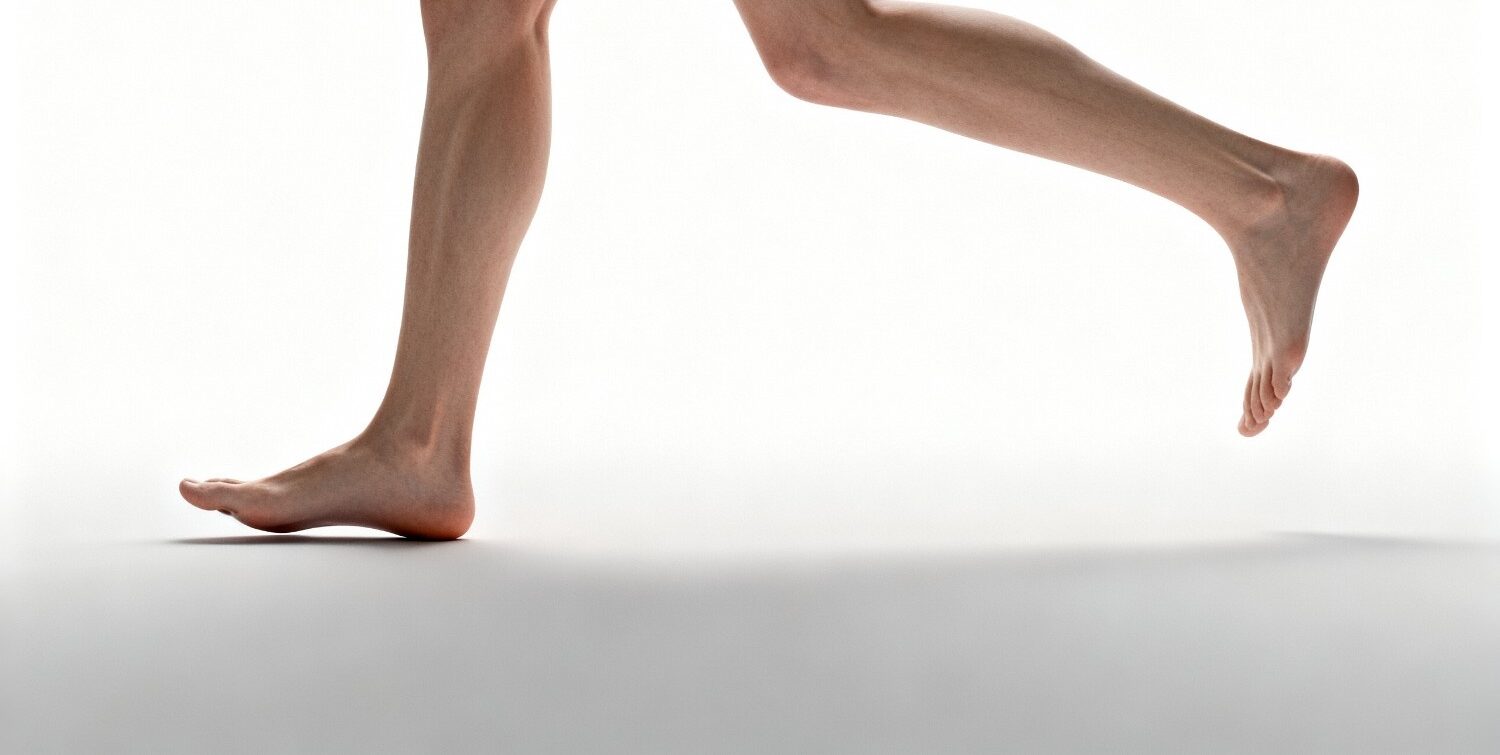
Running changes this completely. Each step includes a brief moment where both feet are off the ground, followed by a stronger landing. That increases force and reduces the time your body has to stabilize.
In running, overpronation often looks like:
- faster inward rolling
- deeper arch collapse under impact
- more noticeable alignment changes
If you’re unsure how this movement relates to overall foot structure, this breakdown of best insoles for flat feet can help clarify how support affects both situations.
Structural Differences in Movement
Walking and running use the same foot structure—but in very different ways.
Walking is lower impact and more controlled. The foot has more time to adapt to each step, and muscles can gradually respond to movement. Even if overpronation is present, it may stay subtle unless fatigue builds up.
Running is more demanding. The forces are higher, and the time to stabilize is shorter. This means any instability—like excessive inward rolling—becomes more pronounced.
A simple way to see the difference:
- walking = controlled load over time
- running = repeated high-impact load
Because of this, small alignment issues that feel manageable when walking can become much more noticeable when running.
Cushioning vs Stability in Each Activity
The role of cushioning and stability also changes depending on the activity.
Walking tends to benefit from a balance. Since impact is lower, comfort and pressure distribution matter more than aggressive control. Many people can manage mild overpronation during walking with moderate support.
Running, however, requires more stability. The higher impact forces mean the foot needs help controlling movement quickly. Without that control, the inward roll can increase strain on the foot, ankle, and even the knee.
This creates a subtle but important difference:
- walking → comfort plays a bigger role
- running → control becomes more important
Too much softness during running can allow the foot to collapse further, while too much rigidity during walking may feel uncomfortable over long periods.
How Pressure Distribution Changes
When you walk, pressure spreads gradually across the foot. Even if your arch lowers more than it should, the body often compensates without immediate discomfort.
Running concentrates that pressure. Each step delivers more force in less time, which increases stress on specific areas—especially the inner foot and ankle when overpronation is present.
Over time, this can lead to:
- quicker fatigue during running
- more noticeable imbalance
- higher strain on surrounding joints
This is why some people feel fine walking all day but experience discomfort shortly after starting a run.
Real-World Use Cases
The difference becomes clearer when you look at everyday situations.
For someone working long hours on their feet, walking-related overpronation may show up as general fatigue or mild discomfort by the end of the day. In these cases, balanced support can often help manage daily load, as explored in insoles for standing all day.
For someone who runs regularly, the same foot mechanics can feel more intense. The repeated impact can amplify inward movement, making stability more important than cushioning alone.
Even casual activities highlight the difference. A person may walk comfortably for hours but feel strain after a short jog—not because their feet changed, but because the demands did.
Cost and Value Differences Over Time
The way you manage overpronation can also differ depending on whether your main activity is walking or running.
For walking, solutions often last longer. Lower impact means less wear on supportive materials, and adjustments tend to be simpler.
For running, durability becomes more important. Higher impact leads to faster breakdown of cushioning and support, which means replacements may be needed more frequently.
In practical terms:
- walking → lower long-term wear
- running → higher stress, faster material fatigue
This doesn’t mean one is worse than the other—it just means the demands are different, and the support you choose should reflect that.
Pros and Limitations in Real Use
Walking with overpronation often feels manageable at first. The slower pace and continuous ground contact allow your body to adapt step by step. This can be an advantage for daily comfort, especially during work or routine movement. Many people are able to stay on their feet for hours before noticing fatigue.
The limitation is that strain can build gradually. Because the movement is less intense, it’s easier to ignore early signs like arch fatigue or uneven pressure. Over time, that can still lead to discomfort if support and load management aren’t addressed.
Running, on the other hand, exposes overpronation more clearly. The higher impact and faster pace make instability easier to feel. This can be helpful in one sense—you notice the issue sooner.
But the downside is that stress accumulates quickly. Repeated impact with reduced control can increase strain on the foot, ankle, and knee in a shorter period of time.
Who Should Focus on Walking Support
If most of your day involves standing or walking, your priority is usually comfort over long duration.
This applies if:
- you feel fatigue more than sharp pain
- discomfort appears later in the day
- your movement feels stable but tiring
In these situations, the goal is to reduce pressure and maintain support over time. A balanced approach—moderate structure with enough cushioning—tends to work best.
You’re not trying to correct every bit of movement. You’re trying to stay comfortable and consistent throughout the day.
Who Should Focus on Running Support
If you run regularly, the focus shifts toward control and stability under impact.
This applies if:
- you notice inward rolling more during running
- discomfort appears quickly after starting activity
- you feel instability or uneven push-off
Here, the goal is to limit excessive motion during each step. Support needs to react quickly and maintain structure under repeated load.
Compared to walking, running demands a more responsive setup. Small alignment issues become more noticeable, so the support needs to match that intensity.
Long-Term Differences
Over time, walking and running affect the body differently when overpronation is involved.
Walking tends to create gradual fatigue patterns. If managed well, it can remain stable without progressing into more serious discomfort. Consistent habits—like proper footwear and load management—make a noticeable difference.
Running introduces repetitive stress patterns. Because of the higher impact, the same movement can lead to faster buildup of strain. Without proper support, this can affect movement efficiency and increase pressure on surrounding joints.
The key difference isn’t just intensity—it’s how quickly stress accumulates.
A Simple Comparison
Walking with overpronation is more about managing comfort over time, while running is about controlling movement under impact.
Both matter—but they require slightly different priorities.
Common Questions
Do I overpronate more when running than walking?
In many cases, yes. The increased speed and impact during running can make inward movement more pronounced compared to walking.
Is walking safer than running with overpronation?
Walking generally places less stress on the body, but both can be comfortable or uncomfortable depending on how well your movement is supported.
Can the same support work for both activities?
Sometimes, but not always. Walking may require more cushioning, while running often benefits from added stability. The best choice depends on your primary activity.
Why do my feet hurt when running but not walking?
Running increases impact and reduces the time your body has to stabilize each step. This can make underlying movement patterns more noticeable.
Should I change how I walk or run?
Small adjustments can help, but the goal is not to force unnatural movement. Improving support and awareness is usually more effective than trying to completely change your gait.
Final Verdict
Overpronation doesn’t change between walking and running—but how your body experiences it does.
Walking tends to spread load over time, making it easier to manage but also easier to overlook. Running concentrates that load, making movement patterns more noticeable and sometimes more demanding.
The right approach depends on what you do most. If your day is built around standing and walking, focus on lasting comfort and balanced support. If running is a regular part of your routine, prioritize stability and control.
Understanding that difference makes it easier to choose the right support and reduce unnecessary strain—without overcomplicating the process.