Can Flat Feet Be Corrected?
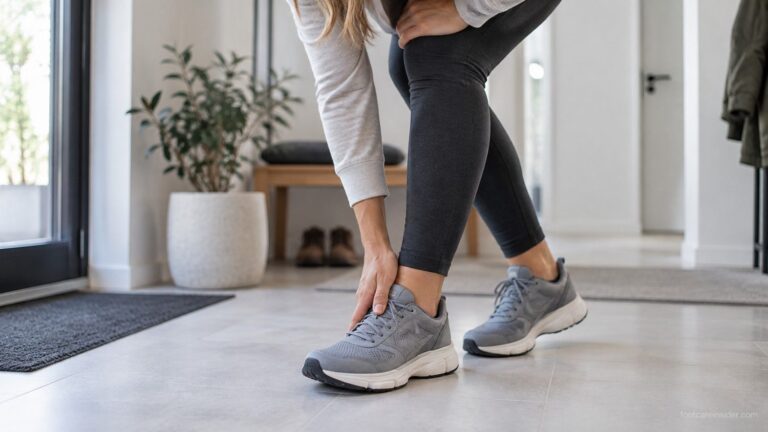
If you’ve recently noticed your arches look lower—or you’ve been dealing with ongoing foot fatigue—you’ve probably asked yourself a simple but important question: can flat feet be corrected, or is this something you just have to live with?
It’s a fair concern. For some people, flat feet don’t cause much trouble. For others, it slowly turns into discomfort during long days, standing shifts, or even regular walking. The uncertainty often comes from not knowing whether the condition is permanent, preventable, or manageable.
The short answer is this: flat feet can often be improved and managed, but not always “fully corrected” in a structural sense. What matters more is how your foot functions—not just how it looks.
New to this topic? Start with our flat feet guide.
What This Guide Will Help You Understand
This guide explains what flat feet are, why they develop, and whether meaningful improvement is possible without medical intervention. You’ll learn what changes are realistic, what factors influence progression, and how everyday habits affect your foot over time.
Rather than focusing on quick fixes, the goal is to give you a clear understanding of how your foot works—and what actually helps in real life.
What Are Flat Feet?
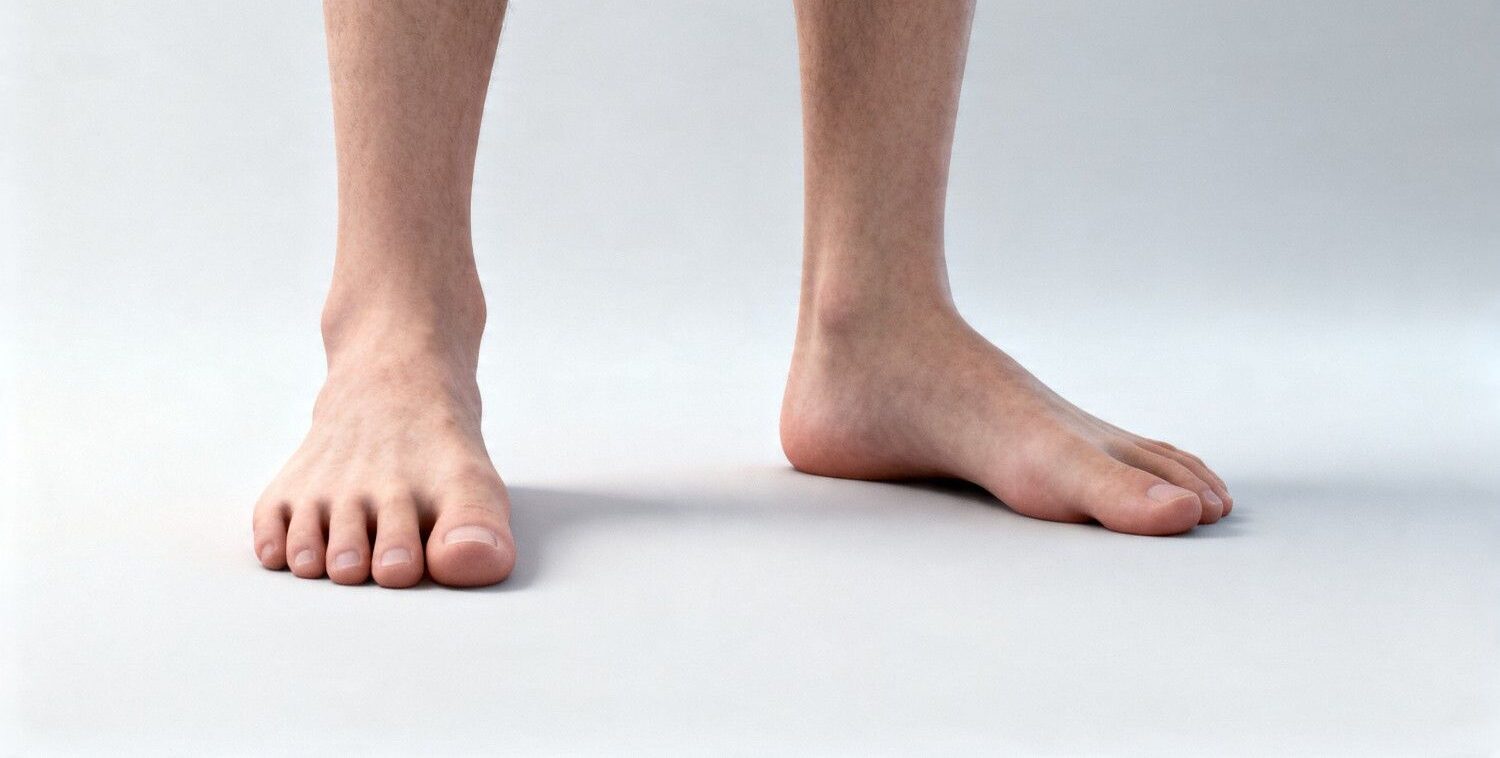
Flat feet, sometimes called fallen arches, occur when the natural arch of the foot is lower than expected or collapses when weight is applied.
When you stand:
- the inner side of your foot makes more contact with the ground
- the arch appears flattened or less defined
This can happen in one or both feet and may be present from childhood or develop gradually over time.
The arch itself plays a key role in how your body moves. It helps:
- absorb impact
- distribute weight evenly
- stabilize your posture
When that structure weakens, your foot may still function—but often less efficiently.
Why Flat Feet Matter
Not everyone with flat feet experiences pain. But when symptoms do appear, they tend to be linked to how the foot handles pressure during movement.
As the arch lowers:
- the ankle may roll inward slightly
- pressure shifts toward the inner foot
- muscles and tendons work harder to compensate
This change in mechanics can gradually affect other areas, including the knees and lower back.
If you’re unsure how this movement pattern works, it’s helpful to understand the difference between arch collapse and inward rolling—see flat feet vs overpronation for a deeper explanation.
What Causes Flat Feet?
Flat feet don’t usually come from a single cause. In most cases, it’s a combination of structural and functional factors that develop over time.
1. Muscle Weakness
The foot contains small stabilizing muscles that help maintain the arch. When these muscles are underused or fatigued—often due to prolonged standing or lack of variation in movement—the arch becomes less supported.
2. Tendon Strain
One of the most important structures in arch support is the posterior tibial tendon. When this tendon becomes overworked or strained, it can no longer hold the arch effectively.
This is one of the more common contributors to adult-onset flat feet.
3. Ligament Structure
Ligaments provide passive support to the foot. Some people naturally have more flexible ligaments, which allows the arch to collapse more easily under body weight.
This doesn’t always cause problems—but it increases susceptibility.
4. Repetitive Stress
Daily habits play a significant role.
Standing for long hours, walking on hard surfaces, or wearing unsupportive shoes can gradually weaken the structures that maintain the arch.
This is why people in physically demanding jobs often notice symptoms earlier.
Risk Factors That Influence Progression
Flat feet don’t develop in isolation. Certain factors make them more likely to worsen over time.
- long periods of standing or walking
- increased body weight
- limited foot strength or mobility
- worn-out or unsupportive footwear
- repetitive strain without recovery
For example, if your daily routine involves standing on hard surfaces, your feet are under constant load. Over time, this can contribute to arch fatigue. In situations like this, understanding how to reduce daily strain becomes important—see insoles for standing all day for more context.
How Symptoms Can Differ
Flat feet don’t feel the same for everyone.
Some people experience:
- general fatigue in the feet after long days
Others notice:
- arch discomfort
- heel pressure
- tightness in the calves or ankles
In some cases, symptoms don’t even start in the foot. They may show up as knee discomfort or lower back strain.
There’s also a difference between early and later stages.
Early stage:
- subtle fatigue
- occasional discomfort
Later stage:
- more consistent pain
- reduced tolerance for standing or walking
Why It’s Often Misunderstood
One of the biggest misconceptions is that flat feet are either “normal” or “a serious condition.”
In reality, it sits somewhere in between.
Many people live with flat feet without issues—but once symptoms appear, it usually means the foot is struggling to handle load efficiently.
That’s why the focus shouldn’t be on forcing the arch to look a certain way. It should be on improving how the foot functions.
When It Becomes More Serious
Flat feet can progress gradually, and it’s not always obvious when the condition starts to require more attention.
Signs to watch for include:
- persistent discomfort rather than occasional fatigue
- swelling along the inside of the ankle
- noticeable changes in walking pattern
- increasing reliance on rest for relief
At this point, the issue is no longer just structural—it’s affecting function.
And when function is affected, it tends to influence the entire lower body over time.
The Bigger Picture
So, can flat feet be corrected?
In many cases, the structure itself doesn’t fully “rebuild.” But function can improve—sometimes significantly.
That’s where the real focus should be.
Improving strength, reducing strain, and supporting the foot during daily activity can change how your feet feel and perform, even if the arch doesn’t visibly change.
Understanding that flat feet are more about function than appearance changes how you approach treatment. Instead of trying to “fix” the arch itself, the focus shifts toward improving how your foot handles load, movement, and daily stress.
For most people, flat feet treatment at home is not only possible—but effective when done consistently.
Non-Surgical Ways to Improve Flat Feet Function
Before considering external support, it’s important to address what your foot can do on its own. These approaches aim to improve strength, reduce strain, and restore better movement patterns over time.
1. Strengthening the Foot Muscles
The muscles inside your foot play a key role in supporting the arch. When they’re weak, the arch tends to collapse more under pressure.
Simple exercises can help improve this:
- short foot exercise (lifting the arch slightly without curling toes)
- toe spreading and control drills
- picking up small objects with your toes
These movements may feel subtle, but over time they improve stability and control.
2. Improving Ankle and Calf Mobility
Tight calves and restricted ankle movement can affect how your foot distributes weight.
Adding basic mobility work can reduce unnecessary strain:
- calf stretches against a wall
- slow, controlled heel raises
- ankle mobility drills
Better mobility allows the foot to move more naturally instead of compensating under pressure.
3. Managing Daily Load
This is one of the most overlooked factors.
If your daily routine involves long periods of standing or walking, your feet are constantly under stress. Even strong feet can struggle without recovery.
Simple adjustments help:
- take short breaks when possible
- shift positions throughout the day
- rotate between different pairs of shoes
For people with physically demanding routines, managing load becomes just as important as exercises. See insoles for standing all day for a deeper look at how daily strain affects foot function.
4. Wearing More Supportive Footwear
Shoes directly influence how your foot behaves.
Supportive footwear can:
- reduce excessive arch collapse
- improve alignment during movement
- decrease fatigue
Look for shoes that:
- hold their structure over time
- provide midfoot support
- stabilize the heel
Even without adding extra support, the right shoes can reduce strain significantly.
When Insoles Can Help (Without Overstating Their Role)
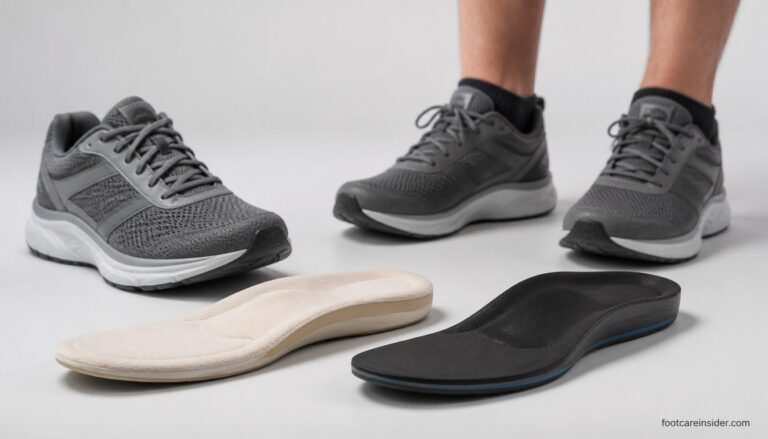
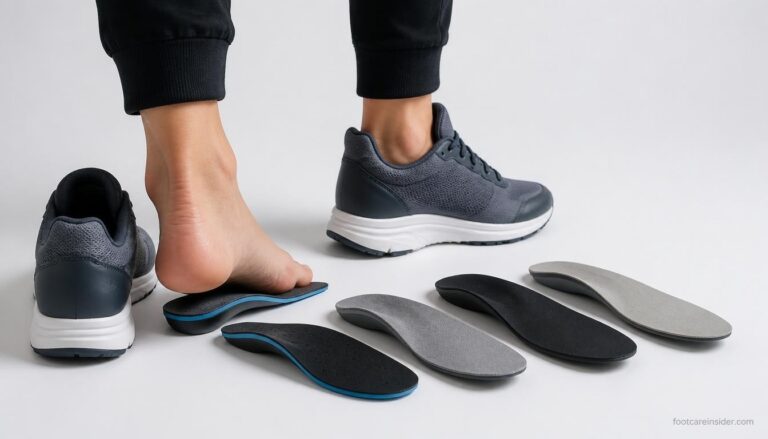
Insoles are often misunderstood. They don’t “correct” flat feet permanently, but they can improve comfort and reduce stress during daily activity.
They work by:
- supporting the arch during movement
- stabilizing the heel
- redistributing pressure
In situations where your feet are under constant load—like long work shifts—this can make a noticeable difference.
For a deeper breakdown of options, see best insoles for flat feet.
The key is understanding that insoles support function—they don’t replace strengthening or movement changes.
When Medical Care May Be Needed
Most cases of flat feet can be managed at home. However, there are situations where professional evaluation becomes important.
You should consider seeking medical advice if:
- pain becomes sharp or persistent
- swelling develops along the inner ankle
- your foot feels unstable during walking
- symptoms continue despite consistent effort
These signs may indicate more advanced tendon involvement or structural issues that require targeted treatment.
Preventing Flat Feet From Getting Worse
Once you start improving function, prevention becomes part of your routine.
1. Stay Consistent With Strength Work
Foot strength fades if not maintained. Even short, regular sessions can help preserve stability over time.
2. Replace Worn-Out Footwear
Shoes lose their support gradually. If they no longer hold shape, they stop doing their job—even if they look fine.
3. Avoid Repetitive Strain Without Recovery
Standing in one position for long periods or walking on hard surfaces without breaks increases stress on the arch.
Small adjustments during the day can reduce long-term strain.
4. Stay Aware of Movement Patterns
Flat feet often involve inward ankle movement. Being aware of how you stand and walk helps prevent excessive stress buildup.
For a broader understanding of how foot mechanics affect your body, see why flat feet cause knee pain.
Micro Comparison (Important)
Exercises improve long-term strength and control, while insoles provide immediate support during daily activity—both can work together, but they serve different roles.
For quick steps that ease the ache, see our guide on how to relieve flat feet pain fast. Pregnancy can also change your arches, so read flat feet during pregnancy if that applies to you.
FAQ
Can flat feet be fully corrected naturally?
In most adults, the structure of the foot doesn’t fully change. However, function can improve significantly with consistent strengthening and proper support.
How long does it take to see improvement?
Most people notice changes within a few weeks of consistent effort. Long-term improvement depends on maintaining those habits.
Are insoles necessary for flat feet?
Not always. Some people manage well with exercises and supportive footwear alone. Insoles become more useful when daily strain is high.
Can flat feet cause pain in other areas?
Yes. Changes in foot alignment can affect the knees, hips, and lower back over time.
Is walking barefoot helpful?
On soft surfaces, it may help strengthen foot muscles. On hard surfaces, it can increase strain if the foot lacks support.
Do flat feet always get worse with age?
Not necessarily. Progression depends more on lifestyle, activity level, and how well the foot is supported.
If you need more help, access the full foot care guide hub here.
Educational Takeaway
Flat feet don’t always need to be “corrected” to feel better.
What matters most is improving how your foot functions:
- build strength where support is lacking
- reduce unnecessary strain
- support your foot during daily activity
Small, consistent changes often lead to meaningful improvement over time—even without changing the structure of the arch itself.