Best Insoles for Flat Feet in Dress Shoes
Wearing dress shoes with flat feet can feel like a slow build toward discomfort. At first, it’s just a slight ache in the arches. Then it turns into pressure under the heel, stiffness through the midfoot, and eventually fatigue that follows you long after you’ve taken the shoes off. The problem isn’t just the shoes—it’s how little support they offer when your arches already need more structure.
Dress shoes are designed for style, not support. They’re often narrow, low-profile, and built with minimal internal cushioning. For someone with flat feet, that combination can quickly lead to poor alignment and uneven pressure distribution. That’s why many people start searching for dress shoe insoles flat feet solutions after realizing their shoes alone aren’t enough.
The Core Problem with Flat Feet in Dress Shoes
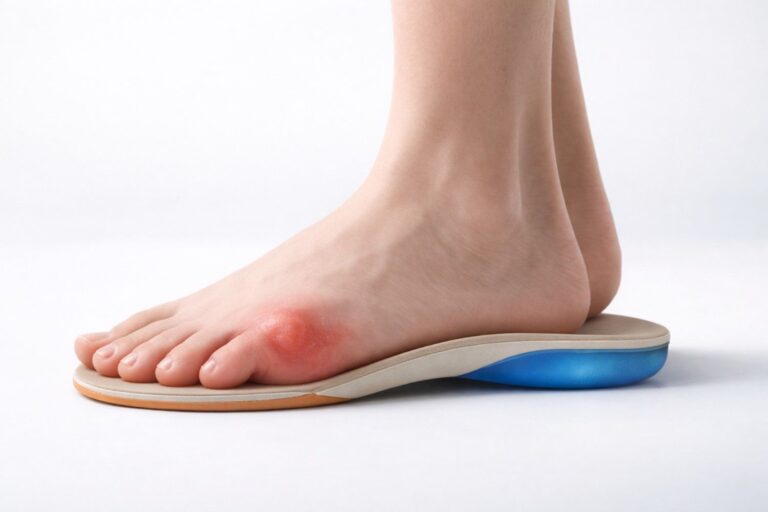
Flat feet change how weight moves through your body. Instead of distributing pressure evenly, the arch collapses inward, causing the foot to roll slightly. This can affect not just the foot, but also the ankles, knees, and lower back.
In athletic shoes, there’s usually enough room to add supportive inserts. But dress shoes are different. They’re tighter, shallower, and less forgiving. This makes finding the right dress shoe insoles flat feet solution more specific—and more important.
Without proper support inside a dress shoe, you may experience:
- Arch fatigue during long hours standing
- Heel pain from repeated impact
- Tightness in the calves and ankles
- Poor posture over time
This is where a well-designed insole becomes essential—not optional.
Why Standard Insoles Don’t Work
Most factory insoles inside dress shoes are thin and basic. They’re designed to provide minimal comfort, not structural support. For flat feet, that’s a problem.
Standard inserts often fail for three main reasons:
1. Lack of Arch Support
They don’t reinforce the arch, which means your foot continues to collapse inward with each step.
2. Poor Durability
Thin foam compresses quickly, especially under consistent pressure. After a short time, it stops doing anything useful.
3. Incorrect Fit for Dress Shoes
Many generic insoles are too thick. They crowd the shoe, making it uncomfortable or even unusable.
Because of this, choosing proper dress shoe insoles flat feet options requires more attention to detail than standard inserts.
What Features Actually Matter
When selecting insoles for dress shoes, especially with flat feet, not all features carry equal weight. Some are essential, others optional.
Here’s what truly matters:
1. Low-Profile Arch Support
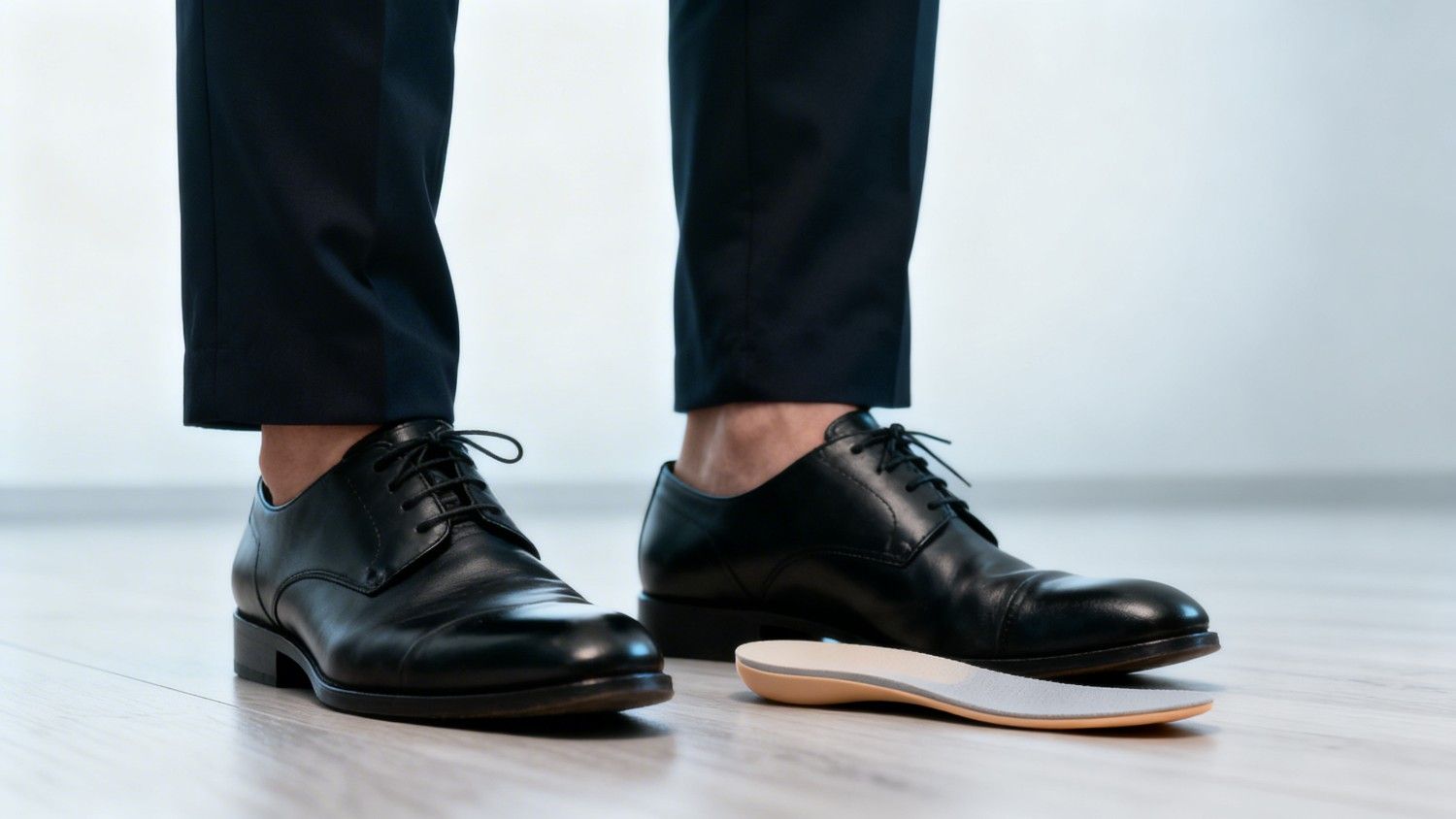
The most important feature is a structured arch that fits inside a slim shoe. Unlike bulky orthotics, dress shoe insoles must be thin while still providing support.
A well-designed low-profile arch helps maintain alignment without taking up too much space.
If you’re unsure how arch type affects comfort, see best insoles for flat feet for a broader breakdown.
2. Targeted Cushioning
Dress shoes don’t absorb much shock. Insoles need to compensate—but carefully.
Too much cushioning = tight fit
Too little = no relief
The goal is balanced cushioning, often focused in the heel and forefoot.
3. Material Quality
Materials determine how long your insoles will last and how they perform.
Common options include:
- EVA foam (lightweight, moderate durability)
- Polyurethane (more durable, slightly firmer)
- Gel inserts (targeted shock absorption)
For dress shoe insoles flat feet, thinner high-density materials tend to work best.
4. Firmness Level
Soft insoles may feel comfortable at first but compress quickly. Firmer designs maintain structure and provide better long-term support.
For flat feet, moderate firmness is usually ideal—it stabilizes without feeling harsh.
5. Durability
Dress shoes are often worn for work, events, or long days. Insoles need to hold their shape over time.
If they flatten quickly, they stop supporting your foot—and the problem returns.
How to Choose the Right Insoles (Simple Framework)
Finding the right dress shoe insoles flat feet option becomes easier when you follow a clear process.
Step 1: Check Shoe Depth
Not all dress shoes have the same internal space. Slim shoes require ultra-thin insoles, while slightly roomier ones allow more structure.
Step 2: Identify Your Daily Use
Are you:
- Standing all day?
- Walking between meetings?
- Sitting most of the time?
Your activity level affects how much cushioning and support you need.
Step 3: Focus on Support First
Comfort matters, but support matters more. A soft insole without structure won’t fix alignment issues.
Step 4: Avoid Overly Thick Inserts
If the insole changes how your shoe fits, it’s not the right one. Fit and function must work together.
Step 5: Consider Your Foot Behavior
If your feet roll inward (common with flat feet), stability becomes even more important.
In those cases, support systems similar to insoles for overpronation can provide better control.
Now that the foundation is clear, the next step is understanding which types of dress shoe insoles flat feet actually work in real-world situations. Not all insoles are built the same—and more importantly, not all of them fit inside dress shoes without creating new problems.
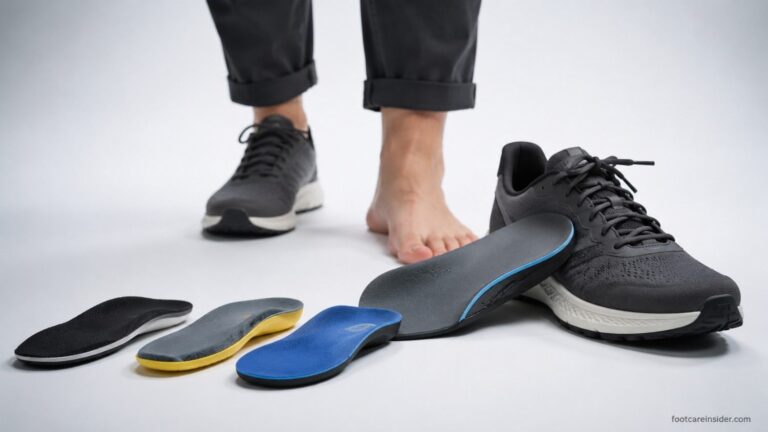
Below are five practical categories, each suited for a different type of user.
1. Ultra-Thin Orthotic Insoles
These are specifically designed for tight, low-volume shoes. They focus on structure rather than cushioning, making them one of the most reliable options for dress shoes.
Best for:
People wearing slim dress shoes daily (office, formal settings)
Pros:
- Fits easily into narrow shoes
- Provides consistent arch support
- Maintains foot alignment throughout the day
Limitations:
- Minimal cushioning
- Can feel firm at first
Comparison Insight:
Compared to thicker inserts, these sacrifice softness for precision. But in dress shoes, that trade-off is usually necessary.
2. Cushioned Low-Profile Insoles
These combine light support with added comfort. They’re slightly softer than orthotic options but still designed to fit inside dress shoes.
Best for:
People who prioritize comfort but still need moderate arch support
Pros:
- Better shock absorption
- More comfortable for walking
- Balanced support and cushioning
Limitations:
- Less corrective support
- May wear down faster
Comparison Insight:
If ultra-thin orthotics feel too rigid, this category offers a more forgiving feel without completely losing structure.
3. Firm Support Insoles (Stability-Focused)
These are designed to control foot movement, especially inward rolling. They’re slightly firmer and more structured than standard options.
Best for:
Flat feet with noticeable instability or inward rolling
Pros:
- Strong arch reinforcement
- Helps improve alignment
- Reduces long-term strain
Limitations:
- Can feel stiff initially
- Not ideal for very tight shoes
Comparison Insight:
If your flat feet also involve instability, this type performs closer to corrective support systems. You can better understand the difference in foot mechanics here: flat feet vs overpronation
4. Heel-Focused Support Insoles
These insoles prioritize shock absorption and heel stabilization rather than full-length support.
Best for:
People who feel most discomfort in the heel or stand on hard surfaces
Pros:
- Reduces heel impact
- Adds comfort without bulk
- Easy to fit into most dress shoes
Limitations:
- Limited arch support
- Not a full correction solution
Comparison Insight:
These work best as a targeted solution, not a full replacement for proper arch support.
5. Hybrid Everyday Insoles
This category blends structure, cushioning, and flexibility. They’re designed for all-day wear across different environments.
Best for:
People moving between sitting, standing, and walking throughout the day
Pros:
- Versatile performance
- Moderate support and comfort
- Good long-term usability
Limitations:
- Not specialized for severe flat feet
- May not fit extremely tight shoes
Comparison Insight:
If you don’t have extreme symptoms, this is often the most practical starting point.
FAQ
Do dress shoe insoles really help flat feet?
Yes—if they provide proper arch support. The right insole helps redistribute pressure and improve alignment, which reduces discomfort over time.
Can I use regular insoles in dress shoes?
Usually not. Most regular insoles are too thick and will make the shoe feel tight or unstable. Dress shoes require low-profile designs.
Should insoles be soft or firm for flat feet?
A balance is best. Too soft and they collapse; too firm and they feel uncomfortable. Moderate firmness with structure works best for most people.
How long do dress shoe insoles last?
It depends on the material, but most last between 3–6 months with regular use. You can learn more here: how long do insoles last
Can insoles fix flat feet permanently?
No, but they can significantly improve comfort and alignment while you wear them. For a deeper explanation, see do insoles fix flat feet
Final Verdict
Finding the right dress shoe insoles flat feet solution isn’t about picking the softest or most expensive option—it’s about choosing the one that fits your shoes and supports your foot structure correctly.
If your shoes are tight, go ultra-thin.
If comfort is your priority, choose cushioned low-profile.
If stability is your issue, go for firm support.
The key is matching the insole to both your foot and your shoe—not just one or the other.