Insoles for Wide Feet
Our picks: Wide feet often need a roomier shoe as well as the right insole.
Wide Toe Box Loafers with Arch Support – A roomier-toe shoe with arch support built in.
Why Wide Feet Need the Right Support
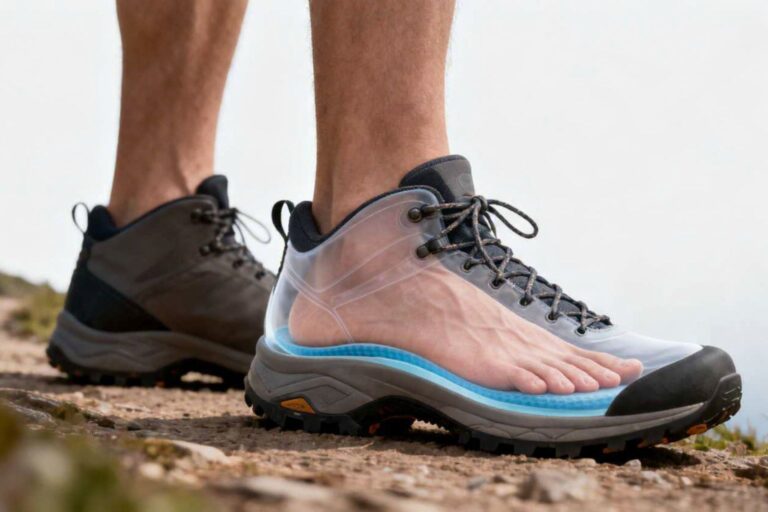
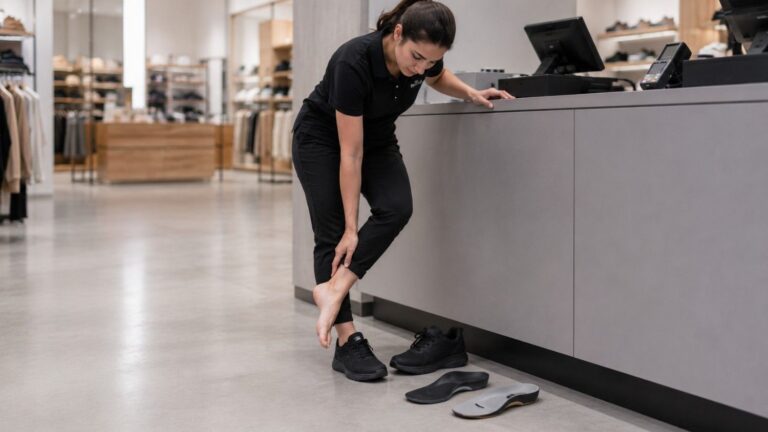
For people with wide feet, finding comfortable footwear can already be challenging. Unfortunately, the same problem often extends to shoe inserts. Many insoles are designed around standard shoe widths, which means they may not fit properly inside wider footwear. As a result, individuals with wide feet frequently struggle with inserts that feel cramped, unstable, or ineffective.
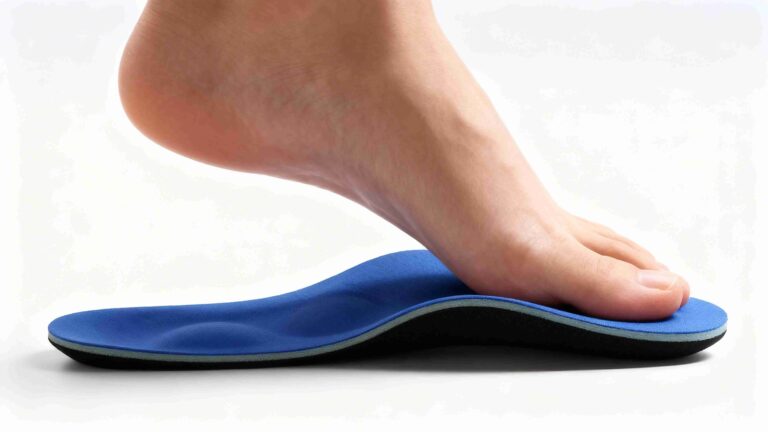
This is where insoles for wide feet become important. The right insole can provide proper arch support, cushioning, and stability without crowding the foot. When an insert fits correctly, it helps distribute pressure more evenly and reduces fatigue during daily activities.
However, not all insoles are built to accommodate wider foot shapes. Some inserts are simply too narrow, causing them to shift inside the shoe or fail to support the arch properly. Others may add excessive bulk, leaving too little room for the foot itself.
Choosing the correct insoles for wide feet requires understanding how width affects foot mechanics and what features truly matter in a supportive insert.
Quick picks
PowerStep Pinnacle MaxxBest for firm support
Check price on AmazonSuperfeet WorkBest trim-to-fit option
Check price on AmazonDr. Scholl’s Memory FoamBest for soft comfort
Check price on AmazonDr. Scholl’s GelBest for shock absorption
Check price on AmazonThe Problem with Standard Insoles
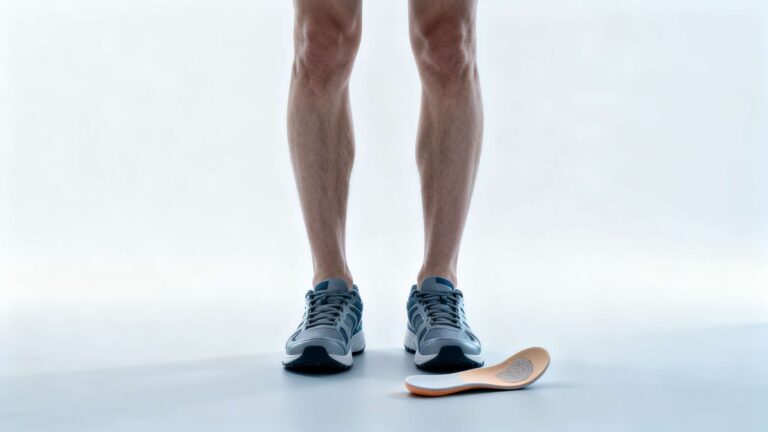
Many standard insoles are designed for average-width shoes. While they may work well for some people, they can create several issues for individuals with wider feet.
Common problems include:
Poor coverage
If an insole is too narrow, it may not support the full width of the foot. This can leave parts of the arch unsupported and increase pressure on the edges of the foot.
Instability inside the shoe
Narrow inserts can slide or tilt during walking. This instability can reduce the effectiveness of the insole and sometimes lead to discomfort.
Toe crowding
Some insoles take up valuable space inside the shoe. In wide footwear, this may still lead to compression around the toes if the insert is too bulky.
Improper arch alignment
Arch support works best when it aligns properly with the natural structure of the foot. If the insert does not match the foot’s width, the arch support may sit in the wrong position.
Because of these issues, people with wide feet often benefit from inserts specifically designed to provide better coverage and structural balance.
What Makes Insoles for Wide Feet Different?
The best insoles for wide feet are designed to accommodate a broader foot shape without sacrificing support or comfort.
Several structural features help achieve this balance.
Wider Platform Design
The most obvious difference is width. Inserts designed for wider feet typically have a broader base that matches the interior of wide shoes. This helps ensure that the entire foot receives support rather than just the center portion.
Balanced Arch Support
Arch support is one of the most important features of any insole. For wide feet, the support structure must be properly aligned so that the arch sits comfortably on the insert.
Support may vary depending on foot type:
- Neutral arches
- Low arches or flat feet
- High arches
Readers who experience arch discomfort may find useful context in Best Insoles for Flat Feet , which explains how different arch profiles affect support needs.
Shock-Absorbing Cushioning
People with wide feet often place pressure across a larger surface area. Cushioning materials help absorb impact during walking or running.
Common cushioning materials include:
- EVA foam
- Memory foam
- Gel inserts
- Polyurethane foam
Each material offers a slightly different balance of softness and durability.
Stable Heel Support
A structured heel cup helps stabilize the foot and maintain alignment during movement. This can be especially helpful for people who spend long hours walking or standing.
If your daily routine involves extended standing, you may also benefit from the types of inserts discussed in Best Insoles for Standing All Day , which focus on fatigue reduction and stability.
Durable Construction
Because insoles experience repeated compression, durability is an important factor. High-quality materials help ensure the insert maintains its structure over time.
A durable insole will typically retain its shape longer and continue providing consistent support.
Key Features to Look for When Choosing Insoles for Wide Feet
When shopping for insoles for wide feet, several factors can help determine whether an insert will provide the right level of comfort and support.
Proper Width Compatibility
Always check whether the insert is designed for wide or extra-wide shoes. Some brands offer dedicated wide models, while others provide trim-to-fit designs that can be adjusted to match your footwear.
Arch Support Level
Choosing the correct arch support depends on your natural foot structure. Inserts designed for neutral arches may feel uncomfortable if you have flat feet or high arches.
Cushioning vs. Firmness
Some people prefer softer cushioning, while others benefit from firmer support.
- Soft foam improves comfort and shock absorption.
- Firm support layers help stabilize the foot.
A balanced combination of both can provide the best long-term comfort.
Breathability and Moisture Control
Good insoles should allow airflow and help manage moisture inside the shoe. Breathable materials can improve comfort during long days of wear.
Shoe Compatibility
Not all inserts fit every type of footwear. Some insoles are designed specifically for athletic shoes, while others work better in casual or work footwear.
Choosing the right match ensures the insole fits properly without crowding the shoe.
A Simple Buying Framework
Selecting the best insoles for wide feet becomes easier when you follow a simple decision framework.
Step 1: Identify your primary need
Ask whether you need:
- Extra cushioning
- Arch support
- Stability for long hours standing
- Pressure relief for sensitive feet
Step 2: Consider your foot structure
People with flat feet, neutral arches, or high arches may require different types of support.
Step 3: Check shoe compatibility
Make sure the insert fits well inside your wide shoes without making them feel tight.
Step 4: Prioritize durability
Higher-quality materials often provide longer-lasting support.
Insoles for Wide Feet
Choosing the right insoles for wide feet often comes down to selecting the type of support that matches your daily activities and foot structure. While there are many inserts available, most fall into several core categories based on their design and purpose.
Below are five common types of insoles that tend to work well for wider feet, along with their advantages and potential limitations.
1. Wide Arch Support Insoles
Wide arch support insoles are designed to provide structured support across the full width of the foot. These inserts typically feature a firm arch structure combined with moderate cushioning.
For people with wide feet, arch support is especially important because improper support can cause pressure to shift toward the outer edges of the foot. A properly shaped insole helps distribute body weight evenly and maintain natural alignment.
Best For
- Wide feet with mild or moderate arch discomfort
- People who walk or stand frequently
- Individuals looking for balanced support and cushioning
Pros
- Supports the natural arch structure
- Helps distribute pressure evenly
- Often durable and stable during movement
Limitations
- May feel firm for people who prefer soft cushioning
- Some models require trimming for the perfect fit
For readers dealing with lower arches or arch fatigue, structured inserts similar to those discussed in Best Insoles for Flat Feet may offer additional support.
2. Memory Foam Insoles for Wide Feet
Memory foam inserts are popular because they mold to the shape of the foot. For wide feet, this adaptability can help improve comfort and reduce pressure points.
These insoles typically focus more on cushioning than structural support, making them ideal for individuals who prioritize softness over rigid stability.
Memory foam compresses slightly under body weight, creating a custom-feeling surface that distributes pressure across the foot.
Best For
- People who prioritize comfort and cushioning
- Casual daily wear
- Individuals with sensitive feet
Pros
- Soft and comfortable underfoot
- Adapts to different foot shapes
- Helps reduce pressure hotspots
Limitations
- May compress over time
- Provides less structural support compared to firmer inserts
Because memory foam tends to soften with repeated use, durability may vary depending on activity level.
3. Gel Cushioning Insoles
Gel-based inserts focus primarily on shock absorption. These insoles use gel pads or full-length gel layers to reduce impact during walking or running.
For wide feet, gel insoles can be particularly helpful during high-impact activities because they help absorb stress that would otherwise travel through the heel and arch.
These inserts are commonly used in athletic footwear or work shoes where long hours of standing are required.
Best For
- High-impact activities
- Long walking distances
- Jobs requiring extended standing
Pros
- Excellent shock absorption
- Comfortable for repetitive impact
- Often lightweight and flexible
Limitations
- Arch support may be limited
- Gel layers can wear down over time
People who stand for long shifts often benefit from inserts designed for pressure reduction and stability, similar to those covered in Best Insoles for Standing All Day .
4. Firm Support Insoles
Firm support insoles use denser materials to stabilize the foot and control excessive motion. These inserts typically feature reinforced arch structures and deeper heel cups.
For individuals with wide feet who experience instability or overpronation, firmer inserts can help guide the foot into a more neutral position during walking.
Because they maintain their shape better than softer materials, firm support insoles often provide more consistent long-term support.
Best For
- Overpronation or mild alignment issues
- Long-term structural support
- People who prefer stable inserts
Pros
- Maintains shape longer than softer inserts
- Provides reliable arch support
- Improves foot stability
Limitations
- May feel stiff initially
- Some users require an adjustment period
These inserts are often recommended for individuals who want greater support rather than purely cushioning-focused comfort.
5. Trim-to-Fit Wide Insoles
Trim-to-fit insoles are designed to be adjusted to match the shape of the shoe. Many of these inserts include width-friendly designs that work well with wide or extra-wide footwear.
The ability to trim the insert helps ensure proper coverage and reduces the risk of crowding inside the shoe.
These insoles often combine moderate cushioning with flexible support, making them a versatile option for many types of footwear.
Best For
- Wide or extra-wide shoes
- People who struggle to find the correct insert size
- Multi-purpose daily wear
Pros
- Customizable fit
- Compatible with many shoe types
- Easy to adjust for different footwear
Limitations
- Requires careful trimming
- Some models provide only moderate support
For many people with wide feet, trim-to-fit inserts offer a practical balance between comfort and adaptability.
Frequently Asked Questions
Do wide feet require special insoles?
Not always, but many people with wide feet benefit from inserts designed to provide better coverage and stability. Standard insoles can sometimes be too narrow, reducing their effectiveness.
Can I use regular insoles in wide shoes?
Yes, but they may not provide full support across the width of the foot. Inserts designed for wide footwear typically offer better pressure distribution.
Are wider insoles more comfortable?
Comfort depends on both width and support. A properly sized insert that matches the shape of your foot is usually more comfortable than one that is too narrow.
How long do insoles for wide feet last?
Most insoles last between 6 and 12 months, depending on activity level and material quality. Softer foam inserts may wear out sooner than firmer support models.
how long insoles typically last before needing replacement
Can insoles help reduce foot fatigue?
Yes. Supportive inserts help distribute pressure more evenly and absorb shock, which can reduce fatigue during long periods of standing or walking.
Final Verdict
Finding the right insoles for wide feet can make a noticeable difference in everyday comfort. Because standard inserts may not always accommodate wider foot shapes, choosing a design with proper width coverage and balanced support is essential.
Wide arch support insoles tend to provide the best structural stability, while memory foam and gel options offer softer cushioning for daily comfort. Firm support inserts are often better for stability and alignment, and trim-to-fit models provide flexibility for different types of footwear.
Ultimately, the best choice depends on your specific needs, including arch structure, daily activity level, and shoe type. Selecting an insole designed to match the width and biomechanics of your foot can improve comfort and help reduce pressure during daily movement.
For better balance and foot control, explore our guide to overpronation support insoles designed for daily comfort.
If you have high arches instead of wide feet, you can see the best insoles for high arches here.
If you spend long hours standing at work, especially in demanding jobs, you should also check the best insoles for nurses here.