Insoles for Nurses: Comfort and Support for Long Shifts
Nursing is one of the most physically demanding professions. A typical nurse spends 10–12 hours per shift on their feet, often walking miles across hospital floors. Over time, this constant pressure can lead to foot fatigue, arch pain, heel discomfort, and even knee or lower back strain.
Many nurses try to solve the problem by buying better shoes, but even high-quality footwear can fail to provide the specific support needed for long clinical shifts. That’s why many healthcare professionals eventually start looking for insoles for nurses that can add cushioning, improve support, and reduce daily foot stress.
The right insoles can make a noticeable difference. Instead of ending a shift with aching feet, nurses can experience better stability, shock absorption, and reduced pressure on key areas like the heel and arch.
This guide explains how insoles designed for nurses work, why standard inserts often fail, and how to choose the best type for your needs.
Why Foot Pain Is So Common for Nurses
Hospitals and medical centers have hard flooring surfaces such as tile, vinyl, or concrete. While these materials are easy to clean and maintain, they also transfer impact directly to the feet and joints.
During a long shift, nurses constantly:
- Walk between patient rooms
- Stand while charting
- Assist patients
- Push equipment carts
- Respond quickly during emergencies
All of this creates repetitive pressure on the feet, which can lead to:
- heel pain
- arch strain
- plantar fasciitis symptoms
- ankle fatigue
- knee and lower-back discomfort
Even supportive shoes can lose their cushioning after months of use, which is why many nurses turn to supportive insoles for nurses to restore comfort.
Internal support resources can also help explain common foot mechanics such as overpronation support insoles , which is a common issue for healthcare workers who spend long hours walking.
Why Standard Shoe Insoles Often Fail
Most shoes come with thin factory insoles designed primarily for basic comfort rather than long-term support. For nurses working extended shifts, these inserts rarely provide the durability or structure required.
Typical problems with standard insoles include:
Limited Arch Support
Many default inserts are flat and flexible, offering little support for the arch. Over time, this can lead to arch collapse and fatigue, especially during long hospital shifts.
Minimal Cushioning
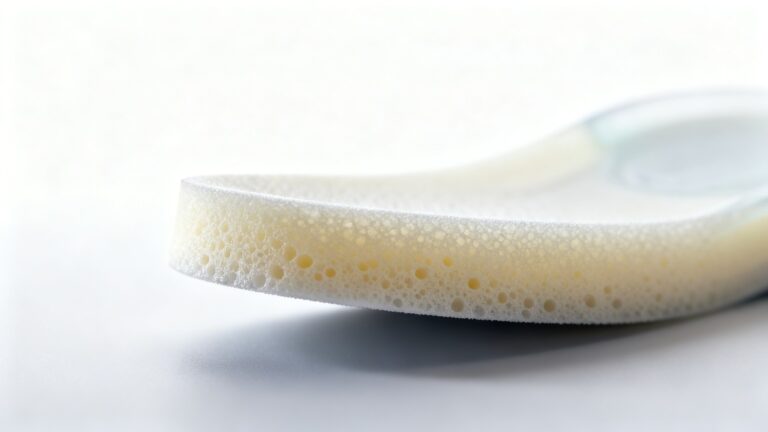
Factory insoles usually contain thin foam layers that compress quickly. Once compressed, they stop absorbing shock effectively.
Poor Durability
Standard inserts are not built to withstand daily 10–12 hour shifts. After several weeks, the material often flattens permanently.
Lack of Stability
Without proper support, the foot can roll inward or outward, creating imbalance that contributes to ankle and knee strain.
Because of these limitations, many healthcare professionals switch to high-quality insoles for nurses designed specifically for prolonged standing and walking.
Key Features Nurses Should Look For in Insoles
Not all inserts provide the same benefits. Choosing the right insoles for nurses depends on several important features that affect comfort, support, and durability.
Arch Support
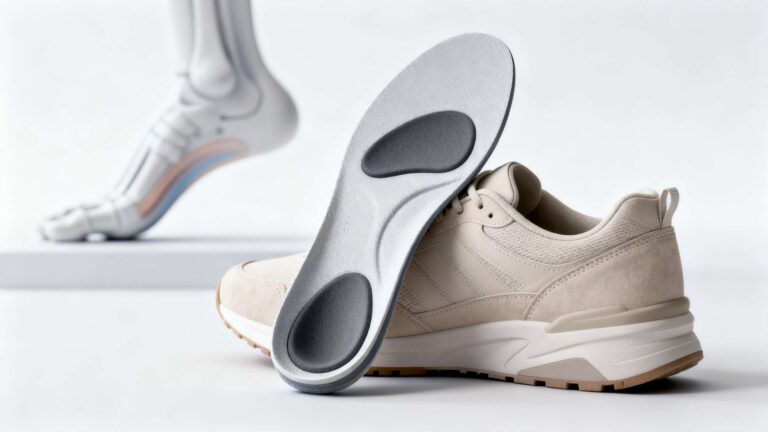
Strong arch support helps distribute weight evenly across the foot. This reduces strain on the heel and forefoot while promoting better posture.
Different arch levels may be needed depending on foot type. For example, nurses with flat feet often benefit from structured support like those discussed in best insoles for flat feet .
Shock Absorption
Quality cushioning materials help absorb impact when walking on hard hospital floors. Good shock absorption can reduce pressure on the heels, knees, and lower back.
Common cushioning materials include:
- gel padding
- memory foam
- EVA foam
- polyurethane layers
Firmness and Stability
While soft cushioning feels comfortable initially, a certain level of firmness helps maintain foot alignment and stability throughout long shifts.
Balanced insoles combine firm structural support with cushioning layers.
Breathability
Nurses spend long hours wearing closed shoes. Insoles with moisture-wicking fabrics or ventilated designs help reduce heat and improve comfort.
Durability
Medical professionals often work four to five shifts per week, so insoles must withstand repeated pressure. High-quality materials last longer and maintain their shape better over time.
How to Choose the Right Insoles for Nursing Shifts
Selecting the right pair of insoles for nurses depends on individual foot structure, work environment, and comfort preferences.
A helpful buying framework includes the following considerations:
Foot Type
Your natural arch shape plays an important role. People with flat feet, high arches, or neutral arches often need different levels of support.
Work Environment
Nurses working in emergency departments or surgical units may walk significantly more than those in administrative roles.
Shoe Fit
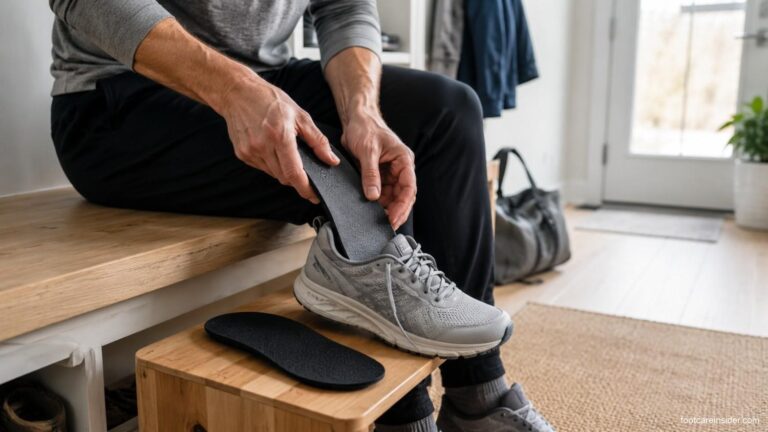
Insoles should fit comfortably inside nursing shoes without making them too tight. Many inserts can be trimmed for a precise fit.
Cushion vs Support Balance
Some nurses prefer soft cushioning, while others need firmer support to control foot movement. The ideal solution typically combines both comfort and stability.
Long-Term Comfort
The goal is not just temporary relief but consistent support throughout the entire shift.
By focusing on these factors, healthcare professionals can find insoles that reduce fatigue and improve daily comfort during demanding shifts.
Best Types of Insoles for Nurses
1. Maximum Cushioning Insoles for Long Shifts
Maximum cushioning insoles are designed to provide soft impact absorption for nurses who spend long hours walking and standing. These inserts often use multi-layer foam or gel padding to reduce pressure on the heel and forefoot.
Who They’re Best For
Nurses who work extended 10–12 hour shifts on hard hospital floors usually benefit the most from this type of insole.
Advantages
- Excellent shock absorption
- Reduces foot fatigue during long shifts
- Comfortable for constant walking
Limitations
Very soft insoles sometimes provide less structural support, which may not be ideal for nurses with severe arch issues.
Comparison Insight
Compared with firmer support insoles, cushioning models focus primarily on comfort rather than correction.
2. Arch Support Insoles for Stability
Arch support insoles focus on maintaining the natural shape of the foot. They help distribute body weight evenly, which can reduce stress on the heel and forefoot.
Who They’re Best For
Nurses experiencing arch pain, flat feet, or overpronation often find these inserts particularly helpful.
Advantages
- Improved foot alignment
- Reduced arch strain
- Better overall stability
Limitations
Some users may initially find structured arch support slightly firm until their feet adjust.
Comparison Insight
These insoles emphasize biomechanical support, which helps prevent fatigue over time.
3. Gel Insoles for Shock Absorption
Gel-based inserts use flexible gel pads to absorb impact while walking. They are particularly useful for nurses who move quickly throughout busy hospital environments.
Who They’re Best For
Healthcare workers who experience heel pain or foot impact stress during long shifts.
Advantages
- Excellent shock absorption
- Soft cushioning under the heel
- Comfortable for daily walking
Limitations
Gel insoles may wear out faster than firmer materials when used every day.
Comparison Insight
Compared with foam models, gel inserts tend to provide better impact protection but slightly less structural support.
4. Firm Orthotic Insoles for Posture Support
Orthotic-style insoles focus on correcting foot alignment. They are often firmer and provide a structured base that stabilizes the entire foot.
Who They’re Best For
Nurses dealing with persistent foot pain, knee strain, or posture issues.
Advantages
- Strong structural support
- Encourages proper foot alignment
- Long-lasting durability
Limitations
Some people prefer softer cushioning, so orthotic insoles can feel rigid initially.
Comparison Insight
Orthotic models prioritize support and alignment over softness.
5. Breathable Work Insoles for Daily Comfort
Breathable insoles are designed with ventilation channels and moisture-wicking fabrics to keep feet cool during long shifts.
Who They’re Best For
Nurses working in warm hospital environments or long overnight shifts.
Advantages
- Improved airflow
- Reduced moisture buildup
- Comfortable during extended wear
Limitations
Breathable inserts may offer slightly less cushioning compared with thicker models.
Comparison Insight
These insoles focus on temperature control and hygiene, making them ideal for daily work use.
Frequently Asked Questions
Do nurses really need special insoles?
Yes. Nurses spend many hours standing and walking on hard floors, which can lead to foot fatigue. Quality insoles help improve comfort and reduce pressure.
How long do insoles usually last?
Most high-quality insoles last 6–12 months depending on usage and material durability.
Can insoles help with plantar fasciitis?
Supportive insoles can help relieve pressure on the plantar fascia by improving arch support and shock absorption.
Are gel insoles better than foam insoles?
Both materials have advantages. Gel provides better shock absorption, while foam often offers better structural support.
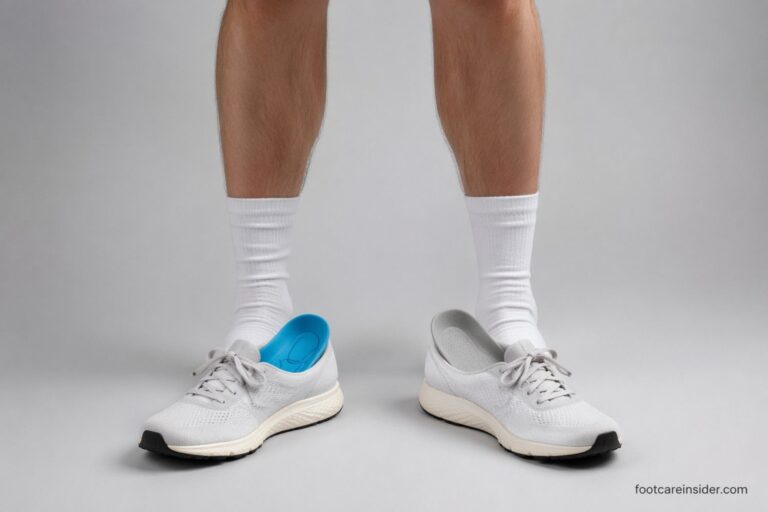
Should insoles replace the original shoe insert?
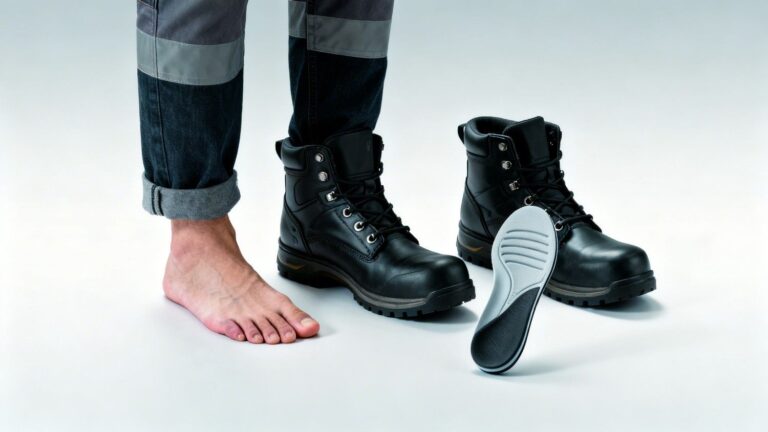
In many cases, yes. Removing the factory insole creates more space and allows the new insert to fit properly.
Final Verdict
For nurses working long shifts, proper foot support can make a significant difference in daily comfort. The best insoles for nurses combine cushioning, arch support, and durability to reduce fatigue and improve stability.
Choosing the right type depends on your specific needs, whether that means extra cushioning, structured support, or improved breathability.
Investing in quality insoles can help healthcare professionals stay comfortable, reduce foot strain, and maintain energy throughout demanding workdays.
For better balance and foot control, explore our guide to overpronation support insoles designed for daily comfort.
If your foot pain is caused by flat feet, it’s important to understand the root issue — you can learn what causes flat feet here.
If you also have wider feet, make sure to check the best insoles for wide feet here.