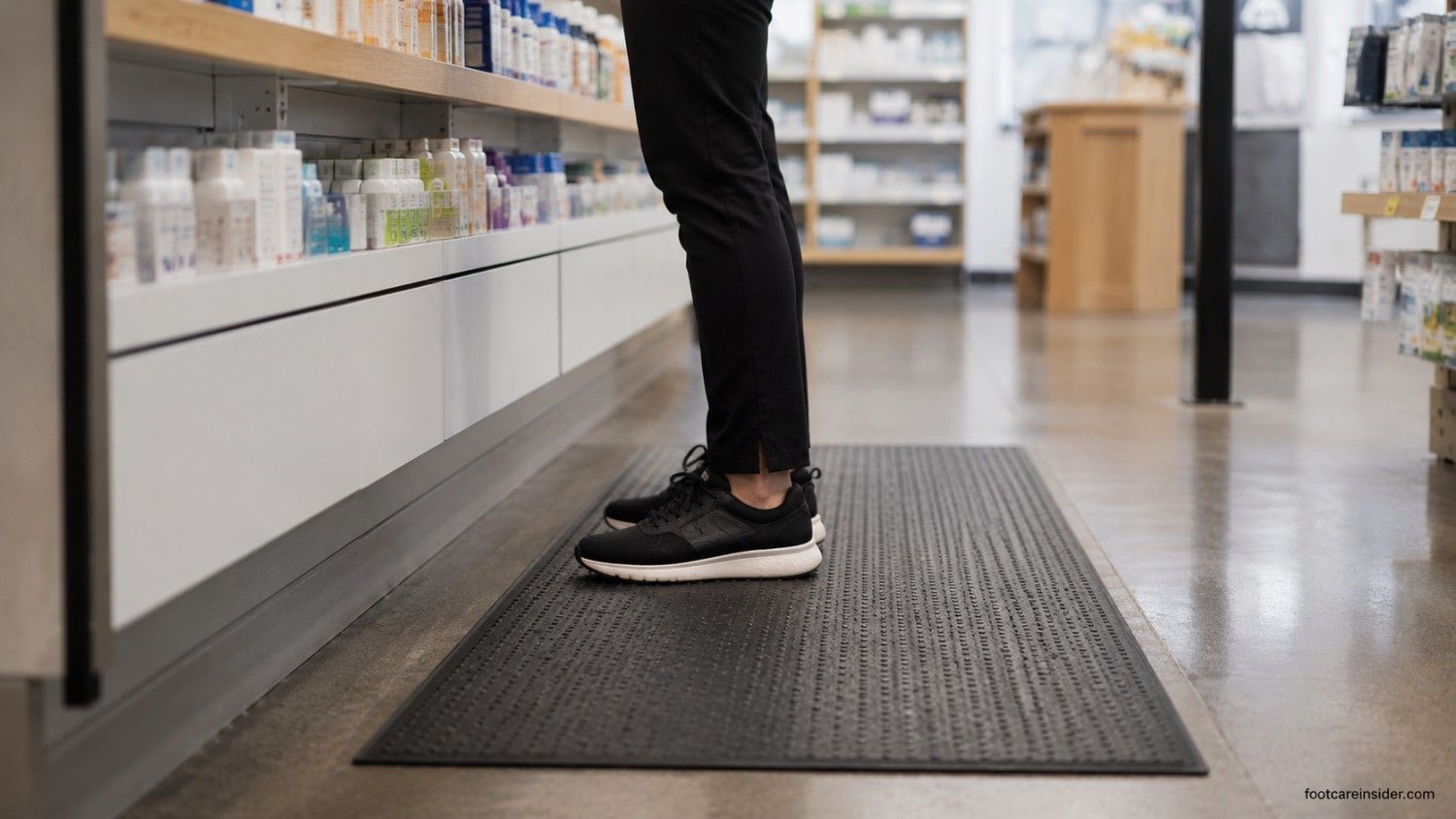
Why Standing All Day Makes Feet Tired
If your feet feel heavy, sore, or exhausted after standing for hours, you’re not alone. Standing all day places continuous stress on the muscles, joints, ligaments, and soft tissues that support your body weight. Unlike walking, which allows your muscles to alternate between contraction and relaxation, prolonged standing keeps many of these structures working almost continuously. Over time, this constant load can lead to foot fatigue that becomes more noticeable toward the end of the day.
For many people, standing all day foot fatigue develops gradually. You may first notice mild aching in your arches or heels after work, only for the discomfort to become more frequent as weeks or months pass. While occasional tired feet are usually a normal response to prolonged standing, persistent fatigue can also signal that your feet are under more stress than they can comfortably manage.
Understanding why this happens is the first step toward reducing discomfort and protecting your feet over the long term.
When you are ready to choose a pair, see the best insoles for standing all day.
Why Standing Puts So Much Stress on Your Feet
Your feet are designed to support your entire body with every step you take. During walking, the workload constantly shifts from one foot to the other, allowing different muscles to rest between strides.
Standing is different.
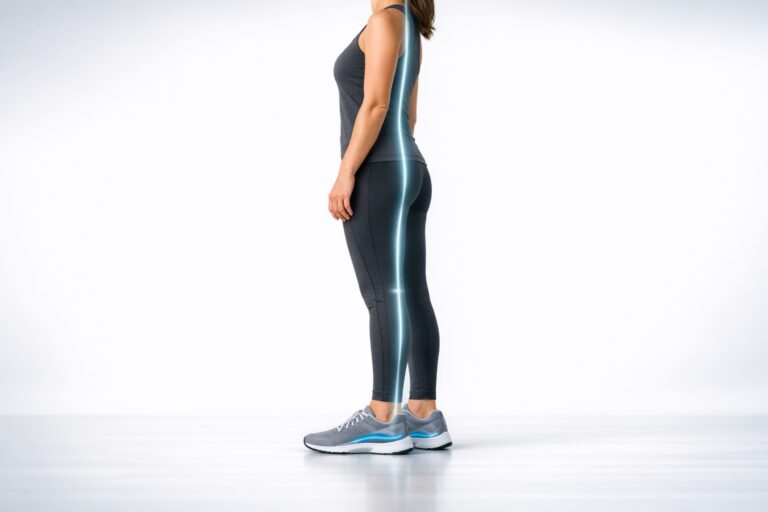
Although it may appear effortless, dozens of muscles remain active to keep you balanced. The arches continually support body weight, the calf muscles make constant adjustments to maintain posture, and the ligaments under the foot remain under tension. Even small movements, such as leaning forward or shifting your weight, require your feet to stabilize your body.
As the hours pass, these muscles begin to tire. Blood circulation may also become less efficient because the muscles in the lower legs are moving less than they do during walking. This combination of muscle fatigue, tissue loading, and reduced circulation contributes to the heavy, aching sensation many people experience after long shifts.
People interested in how the arch supports body weight throughout the day often find How Insoles Support Your Arches useful for understanding the mechanics involved.
Why Fatigue Often Gets Worse Throughout the Day
Foot fatigue rarely appears suddenly. Instead, it usually builds gradually as the tissues become increasingly stressed.
During the first few hours of standing, the muscles supporting the arches are generally able to cope with the workload. As fatigue develops, however, these muscles become less efficient at maintaining foot stability.
By the afternoon or evening, you may notice:
- Aching arches
- Burning soles of the feet
- Heel soreness
- Tight calves
- A feeling of heaviness while walking home
- Shoes feeling less comfortable than they did earlier in the day
This gradual progression explains why many people feel relatively comfortable in the morning but struggle by the end of a long workday.
Common Causes of Standing All Day Foot Fatigue
Several factors can contribute to tired feet, and more than one may be involved at the same time.
Prolonged Static Standing
Remaining in one position for extended periods forces the same muscles to work continuously without adequate recovery. Cashiers, nurses, warehouse employees, teachers, retail workers, and factory staff often experience this type of repetitive loading.
Hard Flooring
Concrete, tile, and other rigid surfaces absorb very little impact. Instead, much of the force generated while standing and walking is transferred back into the feet and lower legs.
Over months or years, this repeated loading can increase muscle fatigue even when no specific injury is present.
Unsupportive Footwear
Shoes with worn cushioning, poor arch support, or thin soles may place additional demands on the feet. When footwear provides limited support, the muscles and connective tissues often have to work harder to maintain stability.
Readers wondering whether additional support can improve comfort often compare Insoles vs Supportive Shoes before deciding which approach best matches their needs.
Increased Body Weight
The feet naturally carry greater loads as body weight increases. While healthy feet are designed to support substantial forces, additional weight can increase pressure on the arches, heels, and forefoot during prolonged standing.
Foot Mechanics
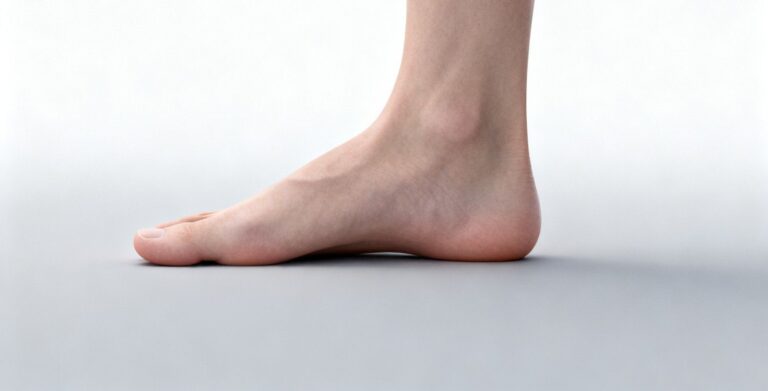
Individual foot structure also plays an important role. Flat feet, high arches, or excessive inward rolling of the foot may alter how pressure is distributed throughout the day.
Because every person’s walking pattern is different, the location and severity of fatigue can vary considerably.
Who Is Most Likely to Experience It?
Although anyone can develop tired feet after a long day, some groups experience standing-related fatigue more frequently.
People at higher risk include:
- Retail employees
- Healthcare workers
- Restaurant staff
- Teachers
- Warehouse workers
- Hairdressers
- Factory employees
- Security personnel
- Anyone regularly standing for more than six to eight hours a day
Outside of work, activities such as sightseeing, attending events, or spending long periods cooking or gardening can also place similar demands on the feet.
Early Signs Compared With More Persistent Symptoms
Early foot fatigue is usually mild and improves after resting overnight.
Common early signs include:
- Mild aching after work
- Temporary soreness in the arches
- Feeling eager to remove your shoes
- Tired feet that recover by the next morning
As the workload continues over weeks or months, symptoms may become more persistent.
You might notice:
- Fatigue developing earlier in the day
- Ongoing soreness despite rest
- Increased heel or arch discomfort
- Muscle tightness extending into the calves
- Discomfort during everyday walking rather than only after work
People who begin experiencing persistent arch soreness sometimes benefit from learning about Insoles for High Arch Foot Pain, particularly if they recently started using supportive insoles as part of managing foot fatigue.
When Tired Feet May Indicate a Bigger Problem
Most cases of standing all day foot fatigue improve with adequate rest, supportive footwear, and changes to daily habits. However, fatigue that consistently worsens or begins interfering with normal activities deserves closer attention.
Pain that becomes sharp instead of simply tired, swelling that does not improve overnight, numbness, tingling, or discomfort that continues even on days off may suggest an underlying condition rather than simple muscle fatigue.
Likewise, if foot pain changes the way you walk or begins affecting your knees, hips, or lower back, it is worth investigating further to identify the underlying cause instead of simply pushing through the discomfort.
Reducing Foot Fatigue From Standing
If your feet regularly feel tired after long shifts, small changes to your daily routine can make a noticeable difference. The goal is to reduce continuous stress on the muscles and connective tissues rather than waiting until pain develops.
Whenever possible, try to change your position throughout the day. Shifting your weight, taking short walking breaks, or gently stretching your calves and feet for a minute or two can help reduce muscle fatigue and improve circulation.
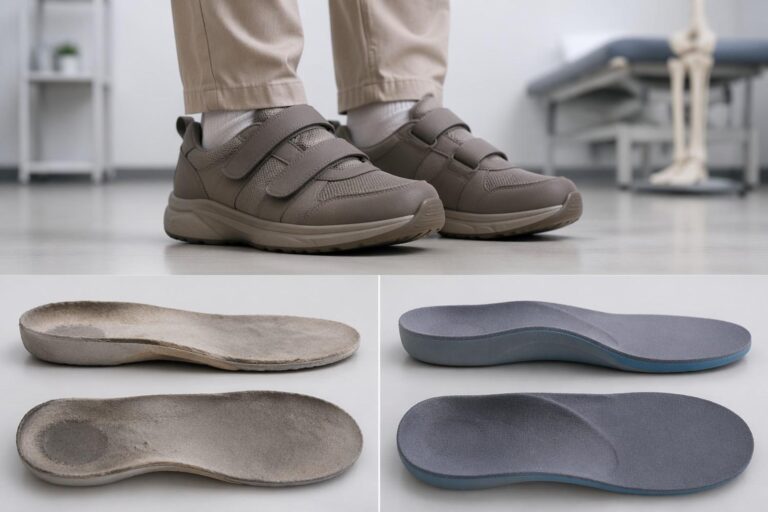
Footwear also matters. Shoes that fit properly and provide adequate cushioning and support can reduce the amount of work your feet perform during prolonged standing. Replacing shoes that have lost their cushioning may improve comfort, particularly if you work on hard floors.
At the end of the day, elevating your feet for a short period and performing gentle calf and plantar fascia stretches may help relieve muscle tension that has built up over several hours.
Can Insoles Help?
Supportive insoles can be helpful for some people, particularly when foot fatigue is related to poor pressure distribution or inadequate support inside the shoe.
Rather than eliminating fatigue completely, properly fitted insoles aim to improve how body weight is distributed across the foot. This may reduce stress on the arches and heels during prolonged standing while improving overall comfort.
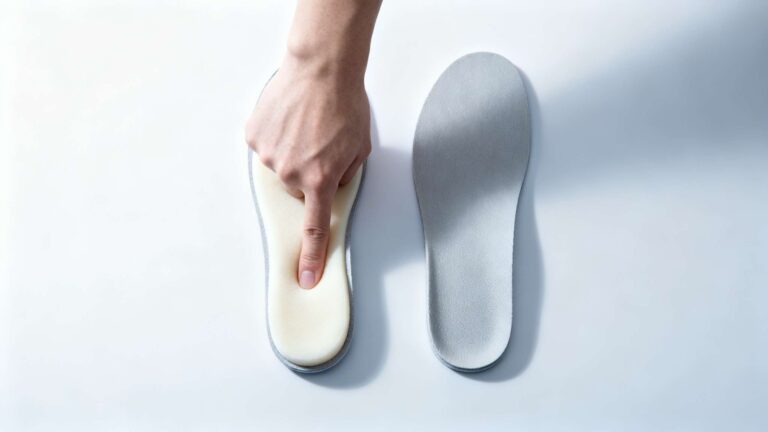
Different insoles serve different purposes. Some emphasize cushioning to reduce impact, while others provide more structured arch support to improve stability. The best choice depends on your foot shape, footwear, and daily activities rather than a single solution that works for everyone.
People comparing different support options often explore Soft vs Firm Insoles to better understand how cushioning and stability affect standing comfort throughout the day.
When to Seek Medical Advice
Although tired feet after a long day are common, some symptoms should not be ignored.
Consider speaking with a healthcare professional if:
- Foot pain persists despite several weeks of supportive footwear and rest.
- Swelling does not improve overnight.
- Pain becomes sharp or severe rather than simply aching.
- You develop numbness or tingling.
- One foot becomes significantly more painful than the other.
- Foot discomfort begins affecting your knees, hips, or lower back.
- Walking becomes difficult because of persistent pain.
A healthcare provider can determine whether an underlying condition, such as plantar fasciitis, arthritis, tendon problems, or nerve-related issues, is contributing to your symptoms.
Preventing Foot Fatigue During Long Days
Preventing foot fatigue is often easier than treating persistent discomfort later.
Helpful habits include:
- Wearing supportive, well-fitting shoes.
- Replacing worn footwear before cushioning breaks down.
- Using anti-fatigue mats when standing in one place for long periods.
- Taking brief movement breaks whenever possible.
- Stretching the calves and feet before and after work.
- Gradually increasing standing time when starting a new job or activity.
- Maintaining a healthy body weight to reduce daily stress on the feet.
Even small adjustments can reduce the cumulative load placed on your feet over weeks and months.
Standing all day naturally places more continuous stress on the feet than regular walking because the supporting muscles receive fewer opportunities to rest. Alternating between standing, walking, and brief movement breaks can often reduce fatigue more effectively than remaining in one position for extended periods.
Common Questions
Why do my feet only hurt after standing all day?
Standing places continuous demands on the muscles, ligaments, and arches that support your body weight. As these tissues become fatigued over several hours, discomfort often develops gradually, becoming most noticeable toward the end of the day.
Is standing worse for your feet than walking?
Not necessarily, but prolonged standing keeps many stabilizing muscles active without the natural movement that occurs during walking. Walking allows muscle activity to alternate more frequently, while standing often maintains constant tension in the same tissues.
Can supportive shoes reduce foot fatigue?
For many people, yes. Shoes with adequate cushioning, proper fit, and appropriate support can improve pressure distribution and reduce stress on the feet during prolonged standing. The ideal footwear varies depending on your foot shape and work environment.
Can insoles help if I stand all day?
Supportive insoles may improve comfort by distributing pressure more evenly and providing additional support where needed. They are most effective when matched to your foot structure and used inside well-fitting shoes.
When should I worry about tired feet?
Occasional fatigue after a long day is usually normal. However, persistent pain, swelling, numbness, or discomfort that continues despite rest should be assessed by a healthcare professional to rule out an underlying foot condition.
Conclusion
Standing all day foot fatigue is a common experience, especially for people whose jobs require many hours on their feet. While mild tiredness is often a normal response to prolonged standing, persistent discomfort may indicate that your feet need better support, improved footwear, or changes to your daily routine.
Understanding why fatigue develops can help you take practical steps to reduce strain before it progresses into ongoing pain. Paying attention to early symptoms, wearing appropriate footwear, staying active throughout the day, and seeking medical advice when symptoms persist can all help keep your feet healthier over the long term.