Best Insoles for High Arch Foot Pain
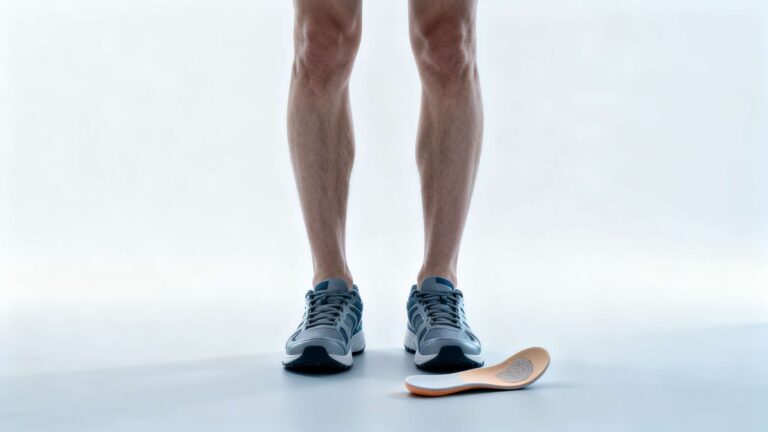
If you have high arches, standing or walking for long periods can become surprisingly uncomfortable. Instead of distributing pressure evenly across your feet, high arches place extra stress on the heel and the ball of the foot. By the end of the day, that can lead to aching arches, heel soreness, and tired legs—even if you’re wearing shoes that seem supportive.
This guide explains how to choose the best insoles for high arch pain, what features actually make a difference, and which types of insoles work best for different levels of discomfort. Rather than focusing on marketing claims, you’ll learn how to match an insole to your foot shape, daily activities, and footwear.
Many people dealing with prolonged standing also explore Best Insoles for High Arches and Standing All Day to better understand how work environments affect insole selection.
Why High Arches Often Lead to Foot Pain
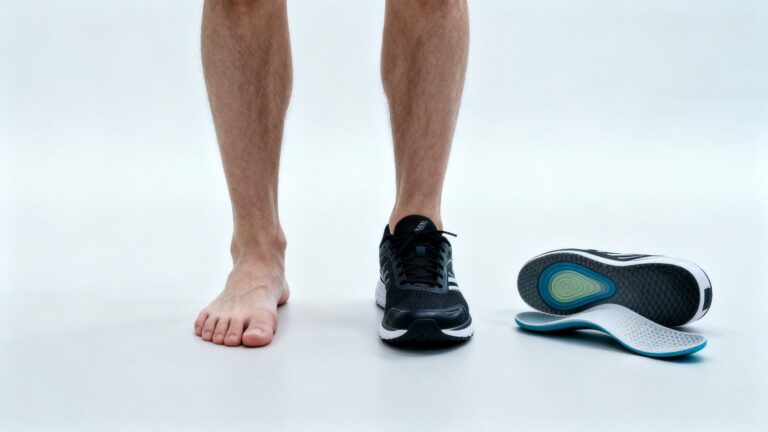
High arches, also called pes cavus, create a different pressure pattern than flat feet. Instead of spreading body weight evenly, more force is concentrated beneath the heel and forefoot during every step.
Over time, this increased pressure can contribute to:
- Heel pain
- Arch soreness
- Forefoot discomfort
- Fatigue after standing
- Reduced natural shock absorption
Hard flooring, repetitive walking, and prolonged standing often magnify these problems.
Without adequate support, the muscles and ligaments in the foot must work harder to stabilize each step, leading to gradual fatigue throughout the day. If you just want our top picks, see our best insoles for high arches guide.
Why Standard Shoe Insoles Usually Aren’t Enough
Most factory insoles are designed to fit the average foot rather than providing targeted support for higher arches.
Several common problems result from this.
Soft foam often compresses quickly under body weight, reducing both cushioning and stability. Thin insoles also provide very little arch contour, leaving pressure concentrated in the same areas throughout the day.
As these insoles wear down, they become even less effective at absorbing impact or maintaining proper foot alignment.
People with higher arches usually benefit from insoles that combine supportive structure with durable cushioning instead of relying on softness alone.
What Features Matter Most?
Choosing the right insole starts with understanding which design features actually influence comfort during prolonged standing and walking.
Proper Arch Support
Support should follow the natural shape of your foot without feeling intrusive.
An insole that matches your arch height helps distribute pressure more evenly while reducing unnecessary muscle strain.
Too much support can feel uncomfortable, while too little may provide almost no benefit.
Cushioning and Stability
Support and cushioning work together rather than competing against each other.
Soft cushioning improves initial comfort, while structured support helps stabilize the foot during repeated movement.
Many people with high arches prefer a balanced design that offers both impact absorption and reliable support.
Readers comparing these features often explore Arch Support vs Shock Absorption before deciding which type of insole best suits their needs.
Material Quality
Material selection has a major impact on long-term comfort.
Common options include:
- EVA foam for lightweight cushioning.
- Polyurethane (PU) for durability and consistent support.
- Gel inserts for localized impact reduction.
While each material has advantages, long-lasting support depends more on overall construction than on any single material alone.
Firmness
Extremely soft insoles can feel comfortable initially but may compress quickly under prolonged standing.
Moderately firm designs generally maintain their support longer while continuing to provide adequate cushioning.
For many people with high arches, balance is more important than maximum softness.
A Simple Buying Framework
Rather than focusing only on product descriptions, match your insole to your symptoms and daily routine.
Mild High Arch Pain
If discomfort only develops after long days, moderate arch support with balanced cushioning is often enough.
Moderate Daily Pain
People who experience regular soreness throughout the day usually benefit from structured support combined with durable cushioning materials.
Severe or Persistent Pain
If pain begins early during walking or standing, look for insoles with stronger arch support, deeper heel cups, and materials designed to maintain their shape throughout extended use.
Match the Insole to Your Footwear
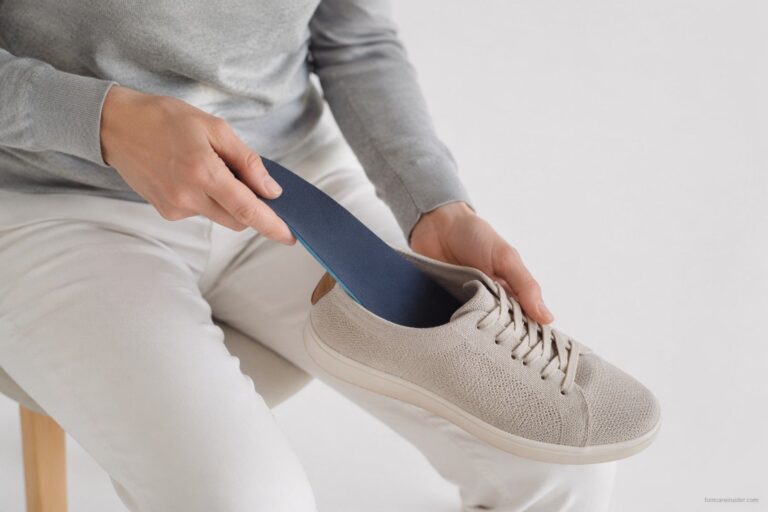
Work boots generally have enough room for thicker supportive insoles.
Athletic shoes often perform best with medium-profile full-length designs.
Casual shoes may require slimmer insoles that still provide adequate structural support.
Consider Where the Pain Occurs
Heel pain often benefits from greater impact absorption.
Arch pain usually points toward improved structural support.
Pain affecting the entire foot often requires a combination of both.
To better understand why support levels matter, many readers also find Can Arch Support Cause Calf Pain? helpful when learning how different support designs affect the lower legs.
Choosing an insole based on your specific symptoms, footwear, and activity level is far more effective than simply buying the thickest or softest model available. Understanding these factors makes comparing different insole categories much easier before making a purchase.
Structured Arch Support Insoles
Who is this for?
These insoles are ideal for people with moderate to severe high arches who experience persistent arch pain during standing or walking.
Their primary goal is to improve weight distribution by supporting the natural shape of the arch rather than allowing pressure to remain concentrated on the heel and forefoot.
Why they work
- Structured arch contour improves foot alignment.
- Helps reduce pressure on high-impact areas.
- Provides greater stability during prolonged standing.
- Often maintains its shape longer than softer alternatives.
Limitations
Some users need a short break-in period while their feet and lower legs adapt to the increased support.
Comparison insight
Structured support focuses on stability, while softer insoles emphasize immediate comfort. Many people with high arches benefit from a balance of both.
Cushioned Insoles for Hard Floors
Who is this for?
If you spend your day standing on concrete, tile, or other unforgiving surfaces, additional cushioning can help reduce repetitive impact.
Why they work
- Absorb repeated shock during long shifts.
- Improve overall comfort on hard flooring.
- Reduce heel fatigue.
- Help lessen pressure beneath the forefoot.
Limitations
Highly cushioned insoles may compress faster under heavy daily use and often provide less structural support.
Comparison insight
Greater cushioning improves impact absorption, while structured support helps control foot movement over time.
Slim Support Insoles
Who is this for?
These are a good choice for people wearing casual shoes, dress shoes, or sneakers with limited internal space.
Why they work
- Easy to fit into low-volume footwear.
- Maintain reasonable support without making shoes feel tight.
- Lightweight for everyday wear.
Limitations
Slim designs usually offer less cushioning than thicker work-oriented insoles.
Comparison insight
Slim insoles prioritize versatility, while thicker models generally provide greater comfort during extended standing.
Heavy-Duty Work Insoles
Who is this for?
Workers who spend entire shifts in warehouses, factories, workshops, or other demanding environments often benefit from heavy-duty insoles.
Why they work
- Durable construction.
- Long-lasting cushioning.
- Stable heel support.
- Designed for repeated daily use.
Limitations
These insoles may feel firmer initially and require footwear with enough internal space.
Comparison insight
Heavy-duty models usually last longer than lightweight everyday insoles while providing more consistent support throughout demanding workdays.
Hybrid Support Insoles
Who is this for?
If your discomfort varies between standing, walking, and everyday activities, hybrid insoles provide a balanced combination of support and cushioning.
Why they work
- Blend structural support with comfort.
- Suitable for mixed daily activities.
- Adapt well to different shoe styles.
- Provide consistent all-day performance.
Limitations
Because they aim for balance, they may not deliver the maximum level of either cushioning or rigid support.
Comparison insight
Hybrid insoles are often the most versatile option for people who alternate between standing, walking, and light physical activity.
Common Questions
Can insoles help relieve high arch foot pain?
Yes. Properly fitted insoles can improve pressure distribution, provide better arch support, and reduce repetitive stress on the heel and forefoot. Choosing an insole that matches your arch height is usually more important than simply selecting the softest option.
What type of insole is best for high arches?
Most people with high arches benefit from insoles that combine moderate cushioning with structured arch support. The ideal choice depends on your activity level, footwear, and the location of your discomfort.
Should high arch insoles be firm or soft?
Neither extreme is ideal for everyone. Moderately firm insoles often provide longer-lasting support, while adequate cushioning helps reduce impact during prolonged standing and walking.
How long do supportive insoles last?
Their lifespan depends on the material, frequency of use, and body weight. High-quality insoles often maintain their support for several months, but they should be replaced once cushioning compresses or the arch loses its shape.
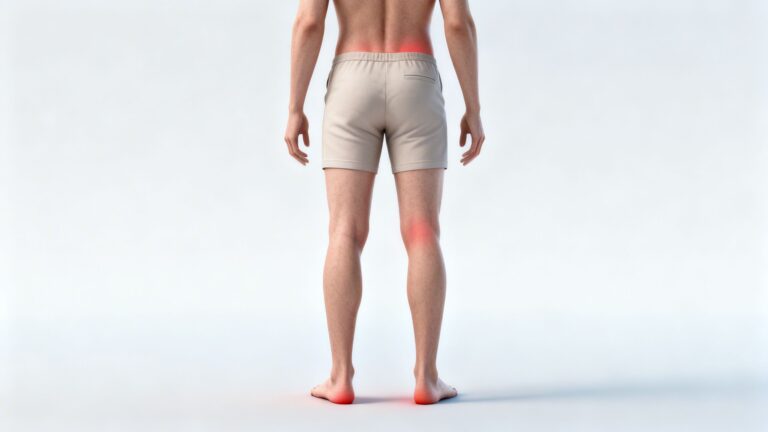
Can high arches cause pain in other parts of the body?
Yes. Changes in foot mechanics may affect the ankles, calves, knees, hips, and lower back. Improving foot support can sometimes help reduce strain throughout the lower body.
If your job requires long hours on your feet, many readers also explore Best Insoles for Standing All Day to compare insole options designed specifically for prolonged standing and workplace comfort.
Clear Verdict
The best insoles for high arch pain are those that match both your foot structure and your daily routine. Someone who spends hours standing on hard floors may need more cushioning than an office worker, while a person with significant arch pain may benefit from greater structural support.
Rather than searching for a single “best” insole, focus on finding one that provides the right balance of support, cushioning, durability, and compatibility with your footwear. Choosing an insole based on how you actually use your feet each day will usually lead to better long-term comfort than selecting one based on marketing claims alone.