Can Insoles Make Shoes Too Tight?
If you’ve ever inserted a new pair of insoles into your shoes and immediately felt extra pressure across the top of your foot, cramped toes, or discomfort around the sides, you’re not imagining it. Insoles can make shoes feel tighter, especially when the shoe already has limited space or the insole is thicker than the original insert.
This can be frustrating because insoles are often added to improve comfort, support, and stability. Instead, some people find their shoes suddenly feel restrictive after only a few minutes of walking or standing. Understanding why this happens can help you determine whether the issue is the insole, the shoe, or a combination of both.
In many cases, the problem is not that the insole is wrong. It is that the shoe and insole are no longer working together properly.
A tight fit can also show up as pain across the top of the foot; see top of foot pain causes.
Why Insoles Change the Fit of a Shoe
Every shoe is designed around a specific amount of internal volume. Manufacturers account for the foot, sock thickness, and original insole when determining how much space is available.
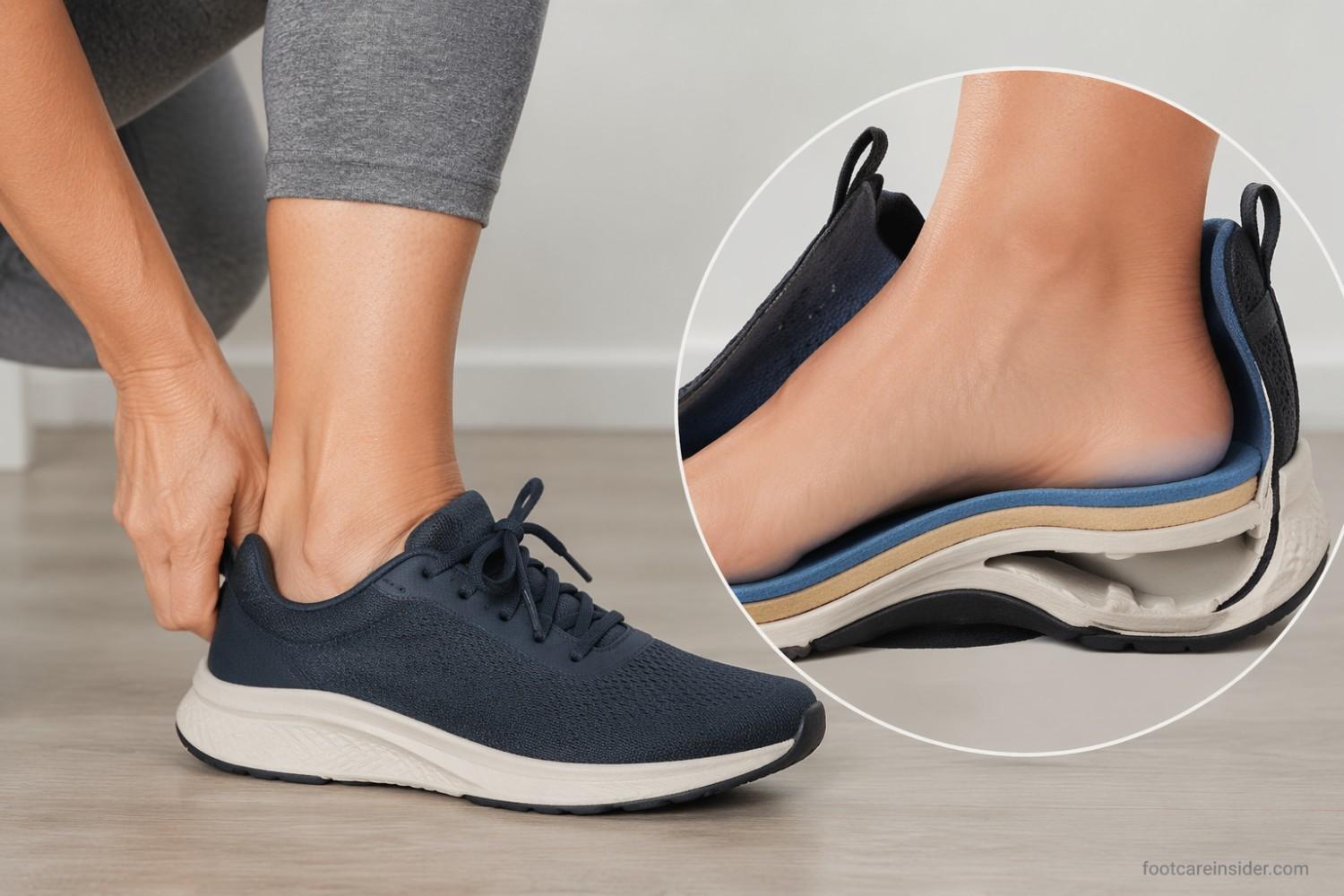
When a replacement insole is added, especially one designed for additional support, it often occupies more room than the factory insert.
This affects several areas at once:
- Vertical space above the foot
- Toe box clearance
- Heel positioning
- Arch contact
- Midfoot pressure
Even a few millimeters of additional thickness can create a noticeable change in how a shoe feels throughout the day.
People researching best insoles for flat feet often encounter this issue because supportive insoles tend to include firmer arch structures and thicker cushioning materials than standard factory inserts.
The Most Common Reasons Shoes Feel Tight After Adding Insoles
Increased Arch Height
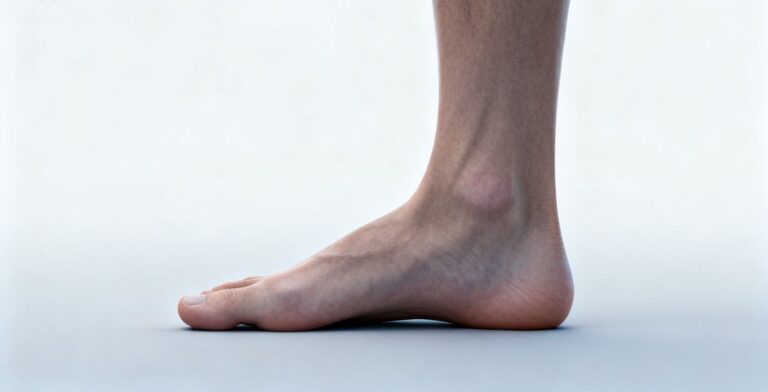
Supportive insoles raise the arch of the foot.
While this can improve alignment and comfort for many people, it also changes how the foot sits inside the shoe. As the arch is supported, the foot may occupy slightly more vertical space.
This can create pressure across the top of the foot or around the laces.
Added Cushioning Thickness
Some insoles focus heavily on cushioning.
Extra foam, gel, or polyurethane materials help absorb impact but also reduce available space inside the shoe.
This is particularly noticeable in:
- Running shoes
- Casual sneakers
- Dress shoes
- Work shoes with limited volume
A thick comfort insole may feel soft underfoot but create compression elsewhere.
Shoes That Already Fit Snugly
A shoe that fits perfectly without an insole may become too tight after one is added.
There is often very little unused space inside modern footwear. Adding even a moderate-support insert can push the fit beyond what feels comfortable.
Wider Feet or Foot Conditions
People with naturally wider feet may notice fit problems more quickly.
Certain foot characteristics can also increase sensitivity to reduced shoe volume, including:
- Flat feet
- Swelling
- Bunions
- High insteps
Understanding what causes flat feet can help explain why some individuals require more support while simultaneously needing additional shoe space.
Early Signs That Insoles Are Affecting Shoe Fit
The effects are often subtle at first.
Many people initially notice:
- Tightness across the top of the foot
- Increased lace pressure
- Reduced toe movement
- Mild rubbing near the heel
- Temporary foot fatigue
These symptoms may only appear after standing or walking for longer periods.
At first, discomfort might seem minor. However, repeated pressure can gradually become more noticeable throughout the day.
When Tightness Starts Creating Problems
A shoe that feels slightly snug is not always a concern.
Problems arise when reduced space begins affecting comfort, circulation, or movement.
Warning signs include:
- Persistent numbness
- Tingling in the toes
- Hot spots
- Friction blisters
- Increased foot pain
- Pressure marks after removing shoes
Long work shifts, extended walking sessions, and standing for several hours often make these symptoms more obvious.
This is particularly important for individuals whose foot mechanics already place extra stress on the lower body. Conditions discussed in flat feet vs overpronation can sometimes increase the need for support while also making fit issues more noticeable.
How Foot Mechanics Influence Perceived Tightness
The sensation of tightness is not always caused by lack of space alone.
Foot position inside the shoe matters as well.
Supportive insoles can change:
- Weight distribution
- Arch engagement
- Heel positioning
- Walking mechanics
As the foot sits differently inside the shoe, areas that previously experienced little pressure may begin contacting the upper materials more frequently.
For some people, this feels unusual initially but improves as they adapt. For others, the shoe simply lacks sufficient room for the support system being used.
Recognizing the difference between an adjustment period and a true fit problem is important when deciding whether changes are needed.
Simple Ways to Improve the Fit
If insoles are making your shoes feel too tight, replacing the insoles is not always necessary.
Sometimes small adjustments can solve the problem.
Removing the original factory insert before installing a replacement insole is often the first step. Many people accidentally place a new insole on top of the existing one, creating unnecessary bulk.
Other helpful adjustments may include:
- Loosening laces slightly
- Using thinner socks
- Choosing lower-profile insoles
- Wearing shoes with a deeper toe box
- Rotating footwear during long workdays
These changes can often improve comfort without sacrificing support.
The Role of Insoles in Long-Term Comfort
Although insoles can sometimes create fit challenges, they also provide important benefits when matched correctly to the shoe.
Supportive insoles may help:
- Improve pressure distribution
- Reduce arch strain
- Enhance stability
- Improve walking efficiency
- Reduce fatigue during long standing periods
People who spend many hours on their feet often benefit from support systems designed for prolonged loading. This is one reason many workers explore insoles for standing all day when dealing with foot fatigue and discomfort.
The goal is not simply adding cushioning. It is creating a balance between support, comfort, and adequate space inside the shoe.
When Medical Advice May Be Helpful
Persistent tightness should not be ignored if symptoms continue despite footwear adjustments.
Consider seeking professional evaluation if you experience:
- Ongoing numbness
- Burning sensations
- Significant swelling
- Severe pain
- Balance issues
- Difficulty walking normally
These symptoms may indicate a fit problem, an underlying foot condition, or a biomechanical issue that requires individual assessment.
People with existing alignment concerns may also notice discomfort extending beyond the feet. Understanding why flat feet cause knee pain can provide insight into how foot mechanics sometimes affect the knees and other joints.
Preventing Future Fit Problems
The easiest way to avoid tightness is to consider insole compatibility before purchasing footwear.
Helpful strategies include:
- Choosing shoes with removable factory insoles
- Selecting footwear with adequate depth
- Avoiding shoes that already feel snug
- Matching support level to foot needs
- Testing insoles during longer wear periods
A shoe that feels comfortable for five minutes may feel very different after several hours of walking or standing.
Taking time to evaluate both support and fit often prevents future discomfort.
A simple comparison illustrates the issue well: a highly supportive insole inside a cramped shoe may feel worse than a moderately supportive insole inside a properly fitting shoe.
Common Questions
Can insoles make shoes feel smaller?
Yes. Insoles occupy space inside the shoe and can reduce available room for the foot. Thicker insoles or those with substantial arch support are more likely to affect fit.
Should I remove the original shoe insole?
In most cases, yes. Many replacement insoles are designed to replace the factory insert rather than sit on top of it. Keeping both can significantly reduce shoe volume.
How do I know if an insole is too thick?
If you experience toe crowding, lace pressure, numbness, or rubbing after installation, the insole may be too thick for that particular shoe.
Is arch support supposed to feel uncomfortable at first?
Some adjustment is normal, especially with supportive designs. However, persistent pain, severe pressure, or worsening symptoms may indicate the support level or fit is not appropriate.
Are tight shoes with insoles bad for foot health?
Long-term pressure can contribute to discomfort, blisters, irritation, and altered walking patterns. Shoes should feel secure but not restrictive.
Do supportive insoles always require larger shoes?
Not necessarily. Some low-profile designs fit comfortably in existing footwear. The need for additional space depends on the shoe design, foot shape, and insole thickness.
Conclusion
Insoles can make shoes feel tighter, but this does not automatically mean something is wrong. The issue often results from changes in shoe volume, arch positioning, cushioning thickness, or overall fit.
For many people, simple adjustments such as removing the original insert, choosing a lower-profile design, or selecting footwear with additional depth can resolve the problem.
The best results occur when support and shoe fit work together. A properly matched combination can improve comfort, reduce fatigue, and help maintain healthy foot mechanics throughout the day.