Best Insoles for Nursing Shoes
A nursing shift can mean hours of walking between patient rooms, standing at medication stations, responding to call lights and moving across hard hospital floors. Even when your shoes feel comfortable at the beginning of the day, your feet may feel tired by the final hours. If replacing your shoes is not practical, changing the insole is another option worth considering. The right pair of insoles for nurses depends on where you feel pressure, how your shoes fit, and whether you need more cushioning, firmer arch support or a combination of both. An insole that works well for one nurse may feel uncomfortable to another, so the goal is to match the support to your feet and footwear rather than simply choosing the thickest option.
For nurses who spend long shifts on hard floors, the best insoles are the ones that fit securely inside their work shoes and provide the right balance of cushioning and support for their feet. Firmer, structured insoles may suit people who prefer more arch support, while cushioned designs may appeal to those who want a softer feel underfoot. Neither type is automatically best for everyone. Shoe space, existing support and personal comfort all matter when choosing an insole for a demanding shift.
Why Nursing Shifts Can Be Hard on Your Feet
Nursing combines several demands that can make footwear feel less comfortable over time. You may walk repeatedly between rooms, stand in one place during a procedure, turn quickly in tight spaces and spend much of the shift on hard flooring. These activities place repeated loads on the feet, and the experience can become more noticeable as the hours pass.
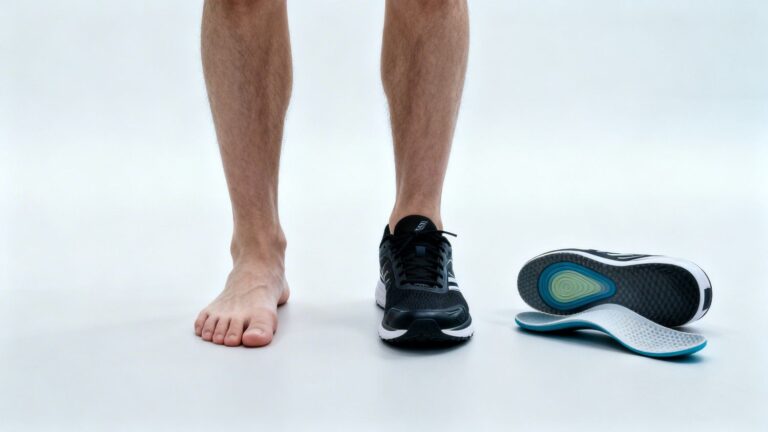
Cushioning helps change how the foot feels against the ground by adding a layer of material between the foot and the shoe’s original footbed. Arch support serves a different purpose: it provides contact beneath the arch and may help some people feel more supported. The two features can work together, but more of either is not always better. An insole that is too firm or has an arch shape that does not suit your foot can create pressure rather than improve comfort.
It is also important to consider the shoe itself. An insole cannot fully compensate for a shoe that is too narrow, worn out, unstable or unsuitable for the work you do. If adding an insole makes your toes feel cramped or presses the top of your foot against the shoe, the combination may not be a good fit.
What Type of Insole Is Best for Nurses?
Structured arch support
Structured insoles are designed to provide a more defined shape beneath the foot. They may appeal to nurses who prefer a firmer, more supported feeling during long periods of standing and walking. The important detail is whether the arch shape matches your foot comfortably. Stronger support is not automatically better, and an insole should not create a sharp pressure point under the arch.
Cushioned insoles
Cushioned insoles focus on a softer feel underfoot. They may be worth considering if your current work shoes feel hard or you prefer a more padded surface during repeated walking. However, a very soft insole can feel less stable to some people, particularly if it compresses substantially under load. Cushioning should feel comfortable without making your foot slide around inside the shoe.
Full-length insoles
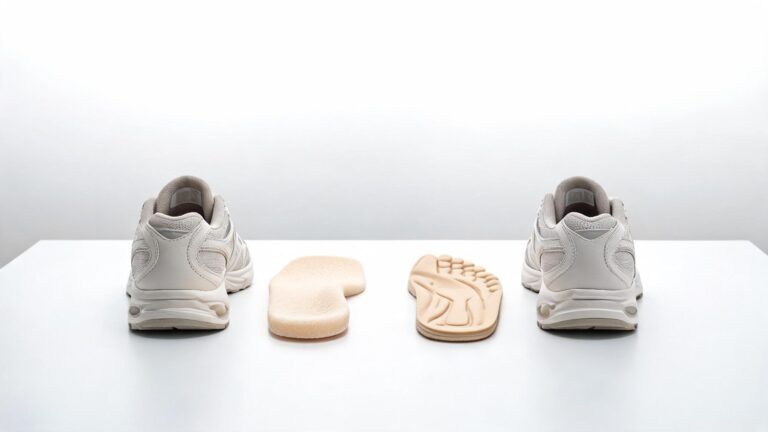
Full-length insoles extend through most or all of the shoe, providing a continuous surface beneath the foot. They can be useful when you want to replace the existing footbed with a single insole rather than add a small insert to one area. Before choosing one, check whether your shoe’s original insole is removable and whether the replacement leaves enough room for your foot.
How to Choose Insoles That Fit Your Nursing Shoes
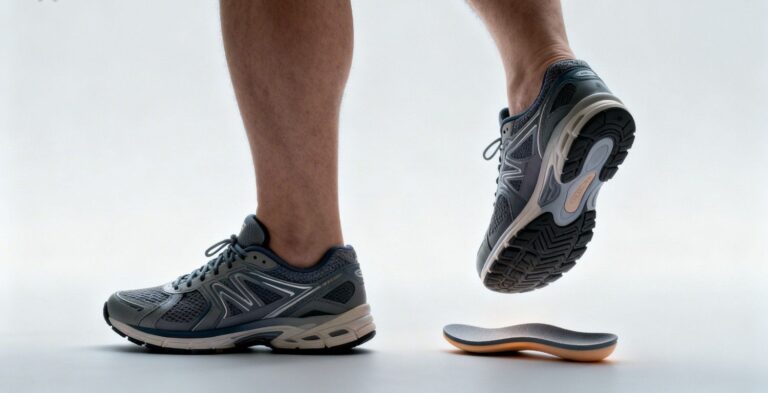
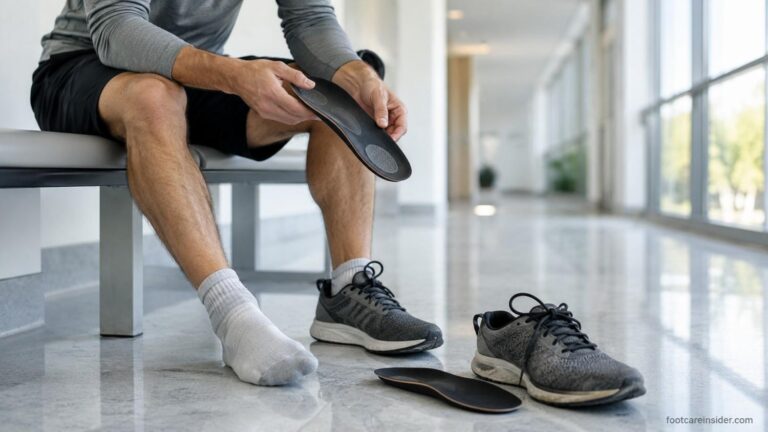
Start with the shoes you already wear for work. Check whether their original insoles can be removed and whether the shoe has enough internal space for a replacement. If the original footbed is removable, comparing its shape and length with the new insole can help you assess compatibility. Avoid stacking a replacement on top of a thick existing footbed unless the manufacturer specifically recommends that arrangement.
Next, decide what you want to change. If your shoes feel hard underfoot, cushioning may be the first feature to consider. If you prefer a defined platform beneath your arch, a structured support insole may be more appropriate. If you are unsure, avoid assuming that a higher arch or a thicker insert will automatically improve comfort.
Give a new insole a careful trial before relying on it for a full shift. Check for rubbing, slipping, toe pressure or discomfort beneath the arch. Follow the product’s instructions for fitting and adjustment. If the insole causes persistent discomfort, stop using it and reassess the fit rather than trying to force your feet to adapt.
Choosing Insoles Alongside the Right Nursing Shoes
Insoles are only one part of a comfortable work-footwear setup. A well-fitting shoe should hold the foot securely without squeezing the toes, and its cushioning and outsole should suit the surfaces and tasks of the workplace. For a broader look at the footwear itself, see our guide to the best shoes for nurses.
If your workplace requires white footwear, the colour requirement can narrow your choices, but fit and function still matter. Our guide to the best white shoes for nurses can help you compare the shoe options before deciding whether an insole change is likely to be useful.
Finally, persistent foot pain should not automatically be treated as a footwear problem. If discomfort continues, worsens or affects your ability to work normally, seek advice from a qualified healthcare professional.
Several types of insoles may be worth comparing for nursing shifts. The options below cover structured support, cushioning and full-length designs, so the best choice comes down to the fit of your shoes and the underfoot feel you prefer.
Superfeet Work Support: Structured Support for Long Shifts
Superfeet Work Support is an option to consider if you prefer a more structured insole rather than a soft, flat layer of cushioning. For nurses who spend much of the shift standing and walking, the shape and firmness beneath the arch can influence how the shoe feels over time. Before choosing this type of insole, consider whether you normally find structured support comfortable and whether your nursing shoes have enough room to accommodate it. The goal is a secure, comfortable fit that works with your existing footwear, not simply the firmest support available.
Keep in mind: A structured arch may feel uncomfortable if its shape does not suit your feet. Check the current listing for sizing, fit guidance and the exact features of the Work Support model.
Powerstep Maxx Support: For a More Defined Underfoot Feel
Powerstep Maxx Support is worth comparing if you are looking for an insole with a more defined support structure. This style may appeal to nurses who prefer a shaped platform under the foot rather than cushioning alone. Fit is particularly important when using a supportive insole throughout a long shift: the arch should feel comfortably supported without creating a concentrated pressure point, and your toes should still have enough room inside the shoe. Consider the design alongside your current footwear instead of treating the insole as a separate purchase.
Keep in mind: A more structured insole is not automatically more comfortable. Confirm the current model’s shape, sizing instructions and compatibility with your work shoes before buying.
WalkHero Arch Support Insoles: An Option to Compare for Arch Support
WalkHero Arch Support Insoles are another option to investigate if arch support is a priority for your nursing shoes. The key is finding a shape that works with your foot and stays comfortable during repeated walking and standing. If you are used to relatively flat insoles, a more pronounced arch can feel different at first, so pay attention to how the pressure is distributed beneath your foot. Also consider the available space inside your work shoes, particularly if they already have a substantial footbed or a close-fitting upper.
Keep in mind: The label “arch support” does not guarantee a suitable fit for every arch shape. Check the exact product specifications, sizing guidance and fitting instructions in the current listing.
Cushion Insoles: For a Softer Feel Underfoot
Cushion Insoles may be worth considering if your current nursing shoes feel hard underfoot and you prefer a softer contact surface. Rather than adding pronounced arch structure, a cushioning-focused design puts more emphasis on the feel of the material beneath your feet. This can be a useful direction to explore if you already find your shoes supportive but want to change the underfoot sensation. Check how much room the insole takes up, since adding padding can make a snug work shoe feel tighter.
Keep in mind: Softer does not necessarily mean better for every person. Check the material, thickness, sizing and whether the insole is intended to replace the original footbed or sit on top of it.
Full-Length Insoles: A Continuous Surface Inside the Shoe
Full-Length Insoles are worth considering if you want an insole that runs through the shoe rather than a smaller insert focused on one area. A continuous footbed may suit someone who wants to replace the original insole and create a consistent surface beneath the foot. Before choosing one, check whether your nursing shoes have removable insoles and compare the length and shape of the replacement with the space available. A good fit should leave your heel secure and your toes uncompressed while allowing the shoe to close and fasten normally.
Keep in mind: “Full-length” describes coverage, not a specific level of cushioning or arch support. Confirm the model’s thickness, shape and fitting requirements before purchasing.
How to Decide Which Insole to Try First
Use the feel of your current shoes as a starting point. If the shoe feels hard underfoot but otherwise fits well, a cushioning-focused insole may be the most logical category to compare. If you prefer a defined platform beneath your arch, compare structured options such as Superfeet Work Support, Powerstep Maxx Support and WalkHero Arch Support Insoles. If replacing the existing footbed is your priority, look closely at full-length designs and their compatibility with your shoes.
Do not judge a new insole by thickness alone. A thick insert can reduce the space available for your toes, while a very soft insert may feel different after repeated loading. The fit inside the shoe matters just as much as the material under your foot.
When possible, try the new insoles during a shorter period before using them for a full nursing shift. Check for heel movement, rubbing, toe pressure and discomfort under the arch. Follow the product’s fitting instructions, and stop using an insole that causes persistent discomfort.
Frequently Asked Questions
Are insoles worth buying for nurses who stand all day?
They may be worth trying when the existing footbed does not provide the feel or support you prefer and the shoe has enough room for a replacement. However, insoles cannot correct every footwear problem or guarantee that your feet will remain comfortable throughout a shift.
Are cushioned or arch-support insoles better for nurses?
Neither type is universally better. Cushioned insoles focus on a softer underfoot feel, while structured designs provide a more defined shape beneath the foot. Your comfort, foot shape and shoe fit should guide the choice.
Can I put new insoles on top of the original shoe insoles?
Only if the fit remains appropriate and the product instructions allow it. Stacking insoles can make the shoe too tight, reduce toe room or affect how securely the heel sits. If the original footbed is removable, check whether the new insole is intended to replace it.
How do I know if an insole is the wrong fit?
Warning signs include pressure under the arch, new rubbing, numbness, reduced toe room, heel movement or discomfort that continues while wearing the insole. Stop using an insert that causes persistent discomfort and reassess the fit.
Can insoles solve foot pain during nursing shifts?
Insoles may change comfort and support, but they do not treat every cause of foot pain. If pain persists, worsens or interferes with normal activities, consult a qualified healthcare professional rather than relying on an insole alone.
Should I replace my nursing shoes before trying new insoles?
It depends on the condition and fit of your current shoes. If they are worn out, unstable, too narrow or no longer fit properly, replacing them may be more appropriate than adding an insole. If the shoes fit well and their original footbed is the main concern, trying a compatible replacement may be reasonable.
Final Verdict
The best insoles for nursing shoes depend on what your feet need and how your shoes fit. Superfeet Work Support, Powerstep Maxx Support and WalkHero Arch Support Insoles are options to compare if you prefer structured support, while Cushion Insoles and Full-Length Insoles offer different approaches to underfoot comfort and coverage. Check the actual specifications and fit before choosing. The right combination should feel secure and comfortable without squeezing your toes or creating new pressure points during a long shift.
More nurse shoe guides: shoes for nurses with flat feet and nursing shoes for plantar fasciitis.