Best Insoles for Tired Feet After Work
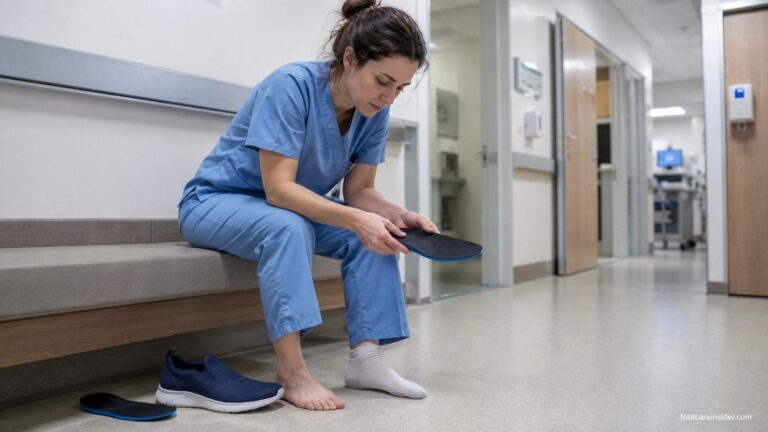
You finally get home after a long shift, kick off your shoes, and immediately feel it. Your feet ache. The arches feel strained, your heels are sore, and even standing in the kitchen for a few more minutes feels like a chore.
For many people, tired feet after work become a daily routine rather than an occasional annoyance. Whether you spend hours standing on concrete floors, walking between job sites, working in retail, healthcare, warehouses, or simply staying active throughout the day, the repeated stress placed on your feet can add up quickly.
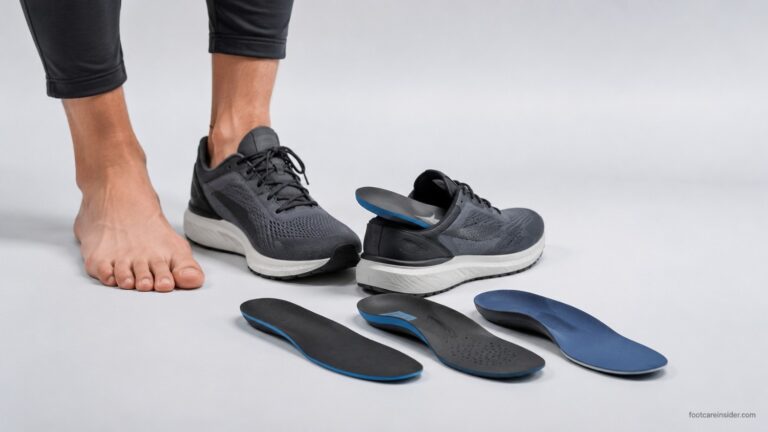
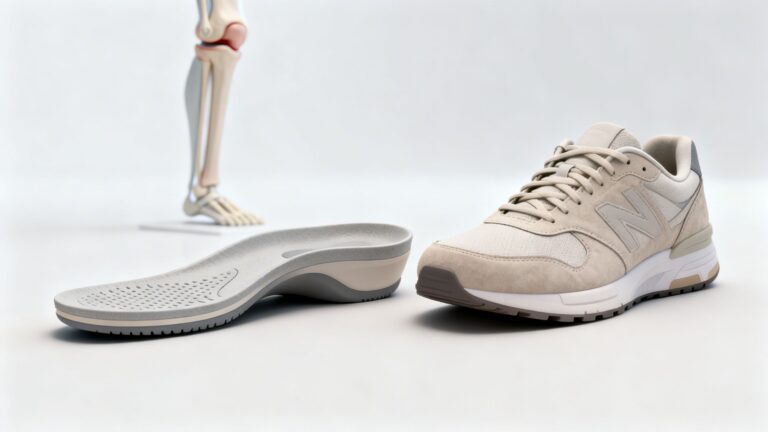
The good news is that the right insoles can often make a noticeable difference. Good insoles help distribute pressure, improve support, and reduce the strain that builds throughout the day. This guide explains what causes foot fatigue, why many factory insoles fall short, and what features matter most when choosing insoles for tired feet after work.
The goal isn’t simply finding the softest insole. The best option should support how your feet move while helping reduce the workload placed on muscles, tendons, and joints.
Why Feet Become Tired After Work
Foot fatigue develops when the structures inside your feet are forced to absorb repeated stress without enough support or recovery.
Every step creates force that travels through your feet, ankles, knees, and legs. During a long workday, those forces can be repeated thousands of times. Standing in one place for extended periods can be just as demanding because the muscles responsible for maintaining posture remain active for hours.
Several factors commonly contribute to tired feet:
- Long periods of standing
- Constant walking
- Hard flooring surfaces
- Poor footwear support
- Flat feet or low arches
- Excess body weight
- Worn-out shoe cushioning
Over time, these stresses can lead to aching arches, sore heels, burning sensations, and a general feeling of heaviness in the feet.
People who already have alignment issues may notice fatigue even sooner. If you have fallen arches or excessive inward foot movement, our guide to best insoles for flat feet may also be helpful when evaluating support needs.
Why Standard Shoe Insoles Often Fall Short
Many shoes include basic factory insoles designed primarily to provide a comfortable first impression.
If the shoes themselves are part of the problem, read why work shoes feel uncomfortable later in the day.
They often feel soft when the shoe is new, but softness alone doesn’t necessarily reduce fatigue during an eight or ten-hour workday.
Common problems with standard insoles include:
They Compress Quickly
Many factory insoles use lightweight foam materials that gradually flatten under body weight. As cushioning compresses, pressure points become more noticeable.
Limited Structural Support
Soft cushioning can feel pleasant initially, but without proper support, the foot continues working harder to maintain stability.
Minimal Arch Assistance
Many stock insoles provide little meaningful arch support. This may contribute to fatigue, especially for individuals who spend most of the day on their feet.
Reduced Durability
Repeated loading eventually wears down lower-quality materials. This can happen surprisingly fast for workers who stand or walk throughout the day.
The result is an insole that may feel comfortable for a short period but becomes less effective as hours pass.
What Features Matter Most for Tired Feet
When evaluating insoles for tired feet after work, comfort is important, but support and durability are equally important.
Arch Support
Proper arch support helps distribute pressure more evenly across the foot.
Without adequate support, muscles and connective tissues may work harder to maintain stability. This additional workload often contributes to end-of-day fatigue.
Support needs vary from person to person. Some individuals benefit from moderate support, while others require a firmer structure depending on foot shape and activity levels.
Cushioning Versus Control
Many shoppers automatically look for the softest insole available.
While cushioning can improve comfort, excessive softness sometimes allows the foot to sink too deeply into the material. This can reduce stability and increase fatigue during prolonged standing.
A slightly firmer insole often provides better long-term support than an extremely soft model.
Soft cushioning may feel more comfortable initially, while firmer support frequently performs better during extended work shifts.
Material Selection
The material used inside an insole affects both comfort and longevity.
EVA Foam
EVA is lightweight and commonly used in athletic footwear. It provides good cushioning but may compress over time depending on density.
Gel
Gel inserts excel at absorbing impact forces and can provide a softer underfoot feel. However, gel alone does not always provide strong structural support.
Polyurethane (PU)
PU materials are generally more durable and tend to maintain their shape longer than many basic foam options. They are often used in work-focused insoles designed for extended wear.
Gel typically emphasizes shock absorption, while PU often prioritizes long-term support and durability.
Heel Stability
A supportive heel cup helps control excessive movement while improving overall foot alignment.
This feature can be particularly helpful for workers who spend long periods walking on hard surfaces.
Long-Term Durability
An insole that feels great for two weeks but loses support after a month may not provide good value.
Durability matters because tired feet often result from cumulative stress. A supportive insole should continue performing consistently throughout its lifespan.
If you’re unsure how often replacement is necessary, our article on how long do insoles last explains the warning signs that indicate it’s time for a new pair.
How to Choose the Right Insole for Your Situation
Not everyone experiences foot fatigue for the same reason.
Choosing the right insole becomes easier when you evaluate your specific circumstances.
Mild Fatigue
If your feet simply feel tired after busy days but recover overnight, moderate cushioning with light-to-moderate support is often sufficient.
Moderate Fatigue
If soreness occurs regularly and begins affecting daily activities, look for insoles that combine supportive arch structures with durable cushioning materials.
Severe Fatigue
If pain persists, affects mobility, or continues into the following day, stronger support systems may be beneficial. In some cases, medical evaluation may also be appropriate.
Based on Daily Activity
Workers who stand in one location often benefit from support-focused insoles.
Workers who walk throughout the day frequently need a balance between cushioning and stability.
People with mixed work routines generally perform best with versatile insoles that combine both qualities.
Many workers compare these options with insoles for standing all day because the support requirements often overlap significantly.
Based on Shoe Type
- Work boots usually accommodate thicker support-focused insoles.
- Athletic shoes often work well with balanced cushioning designs.
- Casual shoes may require thinner profiles to preserve fit.
Based on Pain Location
- Heel discomfort may benefit from additional shock absorption.
- Arch fatigue often points toward support needs.
- Full-foot soreness may indicate the need for improved pressure distribution across the entire foot.
Understanding where your fatigue originates is often the first step toward choosing an insole that genuinely improves comfort throughout the workday.
Supportive Arch Insoles
Who is this for?
This type is often best for people whose feet feel exhausted after standing or walking for long periods, especially if they have low arches, flat feet, or noticeable overpronation.
Supportive arch insoles work by helping distribute pressure more evenly across the foot. Instead of allowing the arch to collapse repeatedly throughout the day, they provide structure that can reduce strain on muscles and connective tissues.
Key benefits include:
- Improved foot stability
- Better pressure distribution
- Reduced arch fatigue
- Helpful for long work shifts
The main limitation is that some people need time to adjust to additional support. A very aggressive arch can feel uncomfortable initially.
Compared with purely cushioned insoles, supportive arch designs focus more on reducing workload than simply adding softness.
Cushioned Comfort Insoles
Who is this for?
These are often a good fit for people whose feet feel sore from impact rather than instability.
Cushioned comfort insoles emphasize shock absorption. They can help reduce the feeling of hardness underfoot, particularly on concrete floors or hard workplace surfaces.
Benefits include:
- Softer underfoot feel
- Better shock absorption
- Comfortable for casual wear
- Often easy to adapt to
The trade-off is that highly cushioned models may not provide enough structure for people who need arch support.
Compared with support-focused designs, comfort insoles usually prioritize immediate relief rather than long-term motion control.
Hybrid Support-and-Cushion Insoles
Who is this for?
Workers who spend part of the day standing and part walking often benefit from hybrid designs.
These insoles combine moderate arch support with moderate cushioning. Rather than focusing entirely on one feature, they aim to provide balance.
Advantages include:
- Versatile performance
- Good for mixed activity levels
- Balanced comfort and stability
- Suitable for many footwear styles
The limitation is that they may not offer maximum cushioning or maximum support compared with specialized options.
For many people with tired feet after work, this category provides the most practical middle ground.
Work Boot Insoles
Who is this for?
Individuals wearing safety shoes or work boots throughout the day often require insoles specifically designed for heavier footwear.
Work boot insoles typically use durable materials that maintain support under higher loads.
Benefits include:
- Improved durability
- Better performance under heavy use
- Enhanced support for long shifts
- Often designed for harder work surfaces
Their main limitation is that they can feel firmer than recreational or athletic insoles.
Compared with standard comfort insoles, work-focused designs generally prioritize long-term support over softness.
Gel-Based Fatigue Relief Insoles
Who is this for?
People who primarily want extra shock absorption may find gel-based insoles appealing.
Gel inserts help disperse impact forces and can reduce pressure beneath the heel and forefoot.
Benefits include:
- Excellent shock absorption
- Comfortable under hard impacts
- Helpful for heel discomfort
- Soft walking feel
The drawback is that gel alone does not necessarily provide strong structural support.
Compared with PU-based support insoles, gel models usually emphasize comfort more than control.
Frequently Asked Questions
What causes feet to feel tired after work?
The most common causes include prolonged standing, repetitive walking, hard flooring, poor footwear support, and foot mechanics such as flat feet or overpronation. Fatigue develops when muscles and tissues are repeatedly stressed throughout the day.
Do insoles really help tired feet?
They can. Proper insoles help distribute pressure, improve support, and reduce stress placed on the feet during daily activities. The best results usually come from matching the insole to your specific needs rather than choosing the softest option available.
Should I choose cushioning or arch support?
It depends on why your feet feel tired. If fatigue comes from impact and hard surfaces, cushioning may help more. If your arches feel strained or your feet roll inward excessively, support may be more beneficial.
How often should insoles be replaced?
Replacement depends on usage, materials, and activity levels. People who stand or walk extensively often wear through insoles faster than occasional users. Loss of support, compression, or visible wear are common signs it’s time to replace them.
Are work boot insoles different from regular insoles?
Yes. Work boot insoles are often built with more durable materials and stronger support systems because they are designed for extended wear and heavier workloads.
Can tired feet lead to other problems?
Over time, persistent foot fatigue may contribute to discomfort in the ankles, knees, hips, or lower back. Addressing support issues early may help reduce strain throughout the kinetic chain.
Verdict
The best insoles for tired feet after work depend on what is causing the fatigue.
If arch strain and instability are the primary issues, supportive arch insoles are often the strongest choice.
If hard surfaces and impact are the biggest problem, cushioned or gel-based models may provide better relief.
Workers with mixed daily routines frequently benefit from hybrid insoles that combine support and cushioning.
Those wearing safety footwear or work boots should strongly consider insoles designed specifically for heavier occupational use.
Rather than looking for the softest insole available, focus on the option that best matches your workload, footwear, and foot mechanics. The right match can make the end of the workday feel noticeably different.