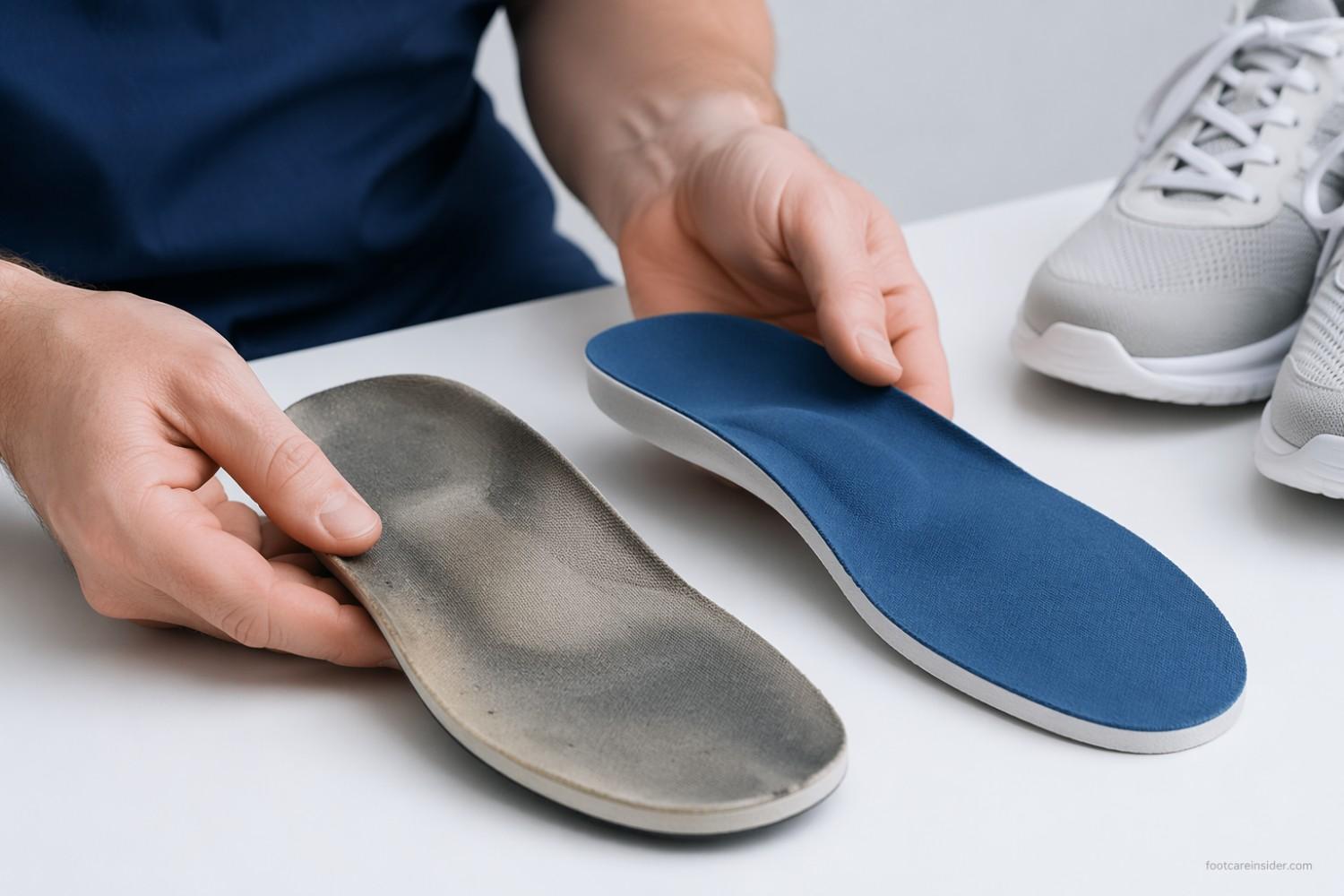
Why Cushioning Breaks Down Over Time
A new pair of insoles often feels noticeably comfortable from the first day. Walking feels softer, standing for long periods becomes easier, and pressure on the feet may seem reduced. However, many people eventually notice that the same insoles no longer feel as supportive as they once did. The cushioning that initially absorbed impact and reduced fatigue gradually becomes less effective.
This change doesn’t always happen suddenly. In many cases, cushioning materials slowly lose their ability to rebound after repeated use. As the material compresses day after day, it becomes less capable of distributing pressure evenly across the foot.
Understanding why cushioning breaks down over time can help you recognize when your insoles may no longer be providing the support your feet need. It can also help explain why foot fatigue, soreness, and discomfort sometimes return even when you’re wearing the same shoes and insoles that once felt comfortable.
How Cushioning Works Inside an Insole
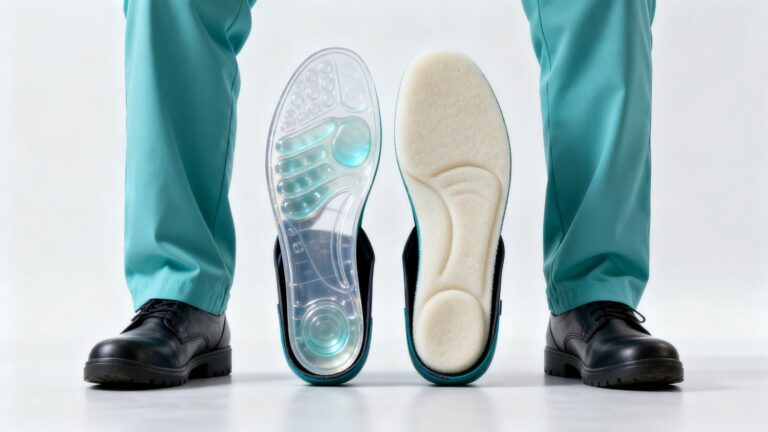
Most insoles rely on materials designed to absorb and redistribute force during walking and standing. Every step places stress on the heel, arch, forefoot, and surrounding structures. Cushioning materials help reduce the impact of these forces by compressing slightly and then returning to their original shape.
Body weight speeds this up, which is why heavier wearers should look at insoles for heavy people. Looking for memory foam options? See the best memory foam insoles.
Common insole materials include:
- EVA foam
- Polyurethane (PU) foam
- Gel-based cushioning
- Memory foam
- Multi-layer composite materials
When these materials are new, they typically provide a balance of softness and resilience. They compress under body weight and then rebound once pressure is removed.
This repeated cycle happens thousands of times every day. A person walking 5,000 to 10,000 steps daily may subject their insoles to millions of compression cycles over the course of a year.
Eventually, all cushioning materials begin to experience wear.
Why Cushioning Materials Lose Their Effectiveness
The primary reason cushioning breaks down is repeated compression.
Every time the foot strikes the ground, the cushioning material absorbs force. Over time, microscopic changes occur within the foam or cushioning structure. The material gradually loses its ability to fully recover after being compressed.
This process is often called compression set. Instead of returning to its original thickness and shape, the material remains partially compressed.
As compression accumulates, several things happen:
- Shock absorption decreases
- Pressure distribution becomes less effective
- The insole feels flatter
- Support may become inconsistent
- Fatigue develops more quickly
The process is similar to how a mattress or couch cushion gradually loses firmness after years of use.
People who spend long hours standing often notice this earlier because the cushioning remains under continuous load throughout the day. Those who regularly walk on concrete, warehouse floors, sidewalks, or other hard surfaces may also experience faster breakdown.
For individuals already dealing with foot mechanics issues, such as those discussed in flat feet vs overpronation, reduced cushioning can make existing discomfort more noticeable.
Factors That Accelerate Cushioning Breakdown
Not all insoles wear out at the same rate. Several factors influence how quickly cushioning materials lose performance.
Body Weight
Higher loads place greater stress on cushioning materials.
Every step creates additional compression forces that accelerate material fatigue. This doesn’t mean heavier individuals cannot benefit from cushioned insoles, but it does mean replacement intervals may be shorter.
Daily Activity Level
Someone who wears insoles occasionally will usually experience slower wear than someone who stands or walks for eight to ten hours every day.
Work environments can be especially demanding. Nurses, retail employees, warehouse workers, and hospitality staff often subject their insoles to continuous loading throughout the workday.
Surface Hardness
Walking on carpeted surfaces places less stress on cushioning than walking on concrete or tile.
Hard surfaces transfer more impact force back into the footwear, requiring the cushioning material to absorb greater loads repeatedly.
Material Quality
Higher-quality materials generally maintain their properties longer than lower-cost alternatives.
Premium polyurethane foams often outlast basic foam inserts because they resist compression more effectively. However, even durable materials eventually wear down with enough use.
Moisture and Heat
Sweat, heat, and environmental conditions can also influence durability.
Repeated exposure to moisture may alter the structure of some materials over time. High temperatures can accelerate material aging and affect resilience.
Early Signs That Cushioning Is Beginning to Wear Out
The first signs of cushioning breakdown are often subtle.
Many people adapt gradually and don’t immediately realize their insoles are changing. Instead, they simply notice that their feet feel more tired at the end of the day.
Common early signs include:
- Increased foot fatigue
- Mild heel soreness
- Reduced comfort during long walks
- Pressure points becoming more noticeable
- Shoes feeling less comfortable than before
At this stage, the insole may still look relatively normal from the outside. The loss of performance often occurs before visible damage appears.
Because these changes develop slowly, some people mistakenly assume the discomfort is being caused by aging, activity level changes, or unrelated foot problems.
This can be particularly important for individuals trying to understand biomechanical factors such as what causes flat feet, where footwear support and load distribution may influence overall comfort.
When Cushioning Breakdown Starts Affecting Foot Function
As cushioning continues to deteriorate, the effects become easier to notice.
The foot may experience greater impact forces during walking. Areas that were previously protected by the cushioning material may begin absorbing more pressure directly.
People often describe this stage as feeling like their shoes have become harder, even though the shoes themselves have not changed.
Long periods of standing may become more uncomfortable. Recovery after activity may take longer. Some individuals begin noticing soreness that extends beyond the feet into the ankles, knees, or lower legs.
The body’s movement patterns can also become less efficient when cushioning no longer distributes pressure effectively. Small changes in comfort can gradually influence posture, walking mechanics, and fatigue levels throughout the day.
What You Can Do When Cushioning Starts to Wear Out
Once cushioning begins to lose its effectiveness, the goal is not simply to add more softness. Instead, it’s important to maintain a combination of comfort, support, and proper pressure distribution.
One of the simplest steps is to regularly inspect your insoles. If they appear flattened, permanently compressed, or noticeably thinner than when new, they may no longer be performing as intended.
Rotating between multiple pairs of shoes can also help. Giving footwear and insoles time to recover between uses may slow the rate of wear, particularly for foam-based materials.
Paying attention to your daily environment matters as well. People who spend long hours on concrete or hard flooring place far greater demands on their footwear than those walking on softer surfaces. In these situations, replacing worn insoles before discomfort becomes significant can help maintain comfort throughout the day.
The Role of Insoles in Long-Term Comfort
Insoles cannot prevent all foot discomfort, but they play an important role in reducing repetitive stress.
When cushioning is functioning properly, it helps absorb impact and distribute pressure more evenly across the foot. As the material wears down, these benefits gradually decrease.
This is why some people notice increasing soreness despite wearing the same shoes. The shoe itself may still be in good condition, but the cushioning layer inside is no longer performing as effectively.
For individuals experiencing alignment-related issues, support can be just as important as cushioning. Articles such as why flat feet cause knee pain explore how foot mechanics can influence stress throughout the lower body.
A soft insole may initially feel more comfortable, while a supportive insole may maintain its structure longer. The right balance depends on the individual’s needs and daily activities.
When Professional Advice May Be Helpful
Mild discomfort caused by worn cushioning often improves after replacing insoles or adjusting footwear.
However, persistent symptoms deserve closer attention.
Consider speaking with a healthcare professional if you experience:
- Ongoing foot pain
- Recurring heel pain
- Significant arch discomfort
- Persistent knee or ankle symptoms
- Walking limitations
- Symptoms that continue despite replacing footwear
Foot discomfort is not always caused by worn cushioning alone. Underlying biomechanical issues, injuries, or medical conditions may require a more comprehensive evaluation.
Preventing Premature Cushioning Breakdown
While no cushioning material lasts forever, several habits can help extend its lifespan.
Choose insoles that match your activity level rather than selecting the softest option available.
Allow shoes to dry completely between uses if they become damp.
Replace worn footwear before structural damage develops.
Keep insoles clean and free of excessive moisture buildup.
For individuals who spend many hours on their feet, options discussed in insoles for standing all day may provide additional support for demanding environments.
Small preventative steps often help maintain comfort for longer periods while reducing unnecessary strain on the feet.
Want to test yours? Our signs you need new insoles page has a simple press test and other checks.
Common Questions
How long do insole cushioning materials usually last?
The lifespan depends on material quality, body weight, activity level, and daily use. Many insoles maintain good performance for several months, while heavily used insoles may begin losing effectiveness sooner. Regular inspection is often more reliable than relying on a specific timeframe.
Can cushioning wear out even if the insole looks fine?
Yes. Compression often occurs internally before obvious visual damage appears. An insole may still look intact while providing significantly less shock absorption and pressure relief than it did when new.
Does standing all day wear out insoles faster than walking?
In many cases, yes. Continuous loading places sustained pressure on cushioning materials. Occupations that require long hours of standing often accelerate compression and material fatigue.
Are expensive insoles always more durable?
Not necessarily. Higher-quality materials often last longer, but durability depends on design, construction, and how the insole is used. Matching the insole to your activity level is often more important than price alone.
Can worn cushioning contribute to foot pain?
It can. As cushioning loses effectiveness, pressure distribution becomes less efficient and impact forces may increase. This can contribute to fatigue, soreness, and discomfort in susceptible individuals.
Conclusion
Cushioning breakdown is a normal part of an insole’s lifespan. Every step, hour of standing, and day of use gradually places stress on the materials responsible for comfort and shock absorption.
The process often happens slowly, making it easy to overlook. Increased fatigue, reduced comfort, and recurring soreness are frequently among the first signs that cushioning is no longer performing as it once did.
By understanding how cushioning works, recognizing early warning signs, and replacing worn insoles when necessary, you can help maintain comfort, support, and healthy movement patterns over time.