Running Shoes vs Stability Shoes for Flat Feet
If you have flat feet, choosing the right footwear can feel surprisingly confusing. Some people are told to buy cushioned running shoes, while others are advised to look specifically for stability shoes. Both options can provide comfort, but they are designed with different goals in mind.
Running shoes generally prioritize cushioning, shock absorption, and forward movement. Stability shoes focus more on controlling excessive foot motion and providing additional support. Neither is automatically better for every person with flat feet.
The right choice depends on how your feet move, how active you are, and whether your primary concern is comfort, support, or long-term fatigue management.
Quick Comparison
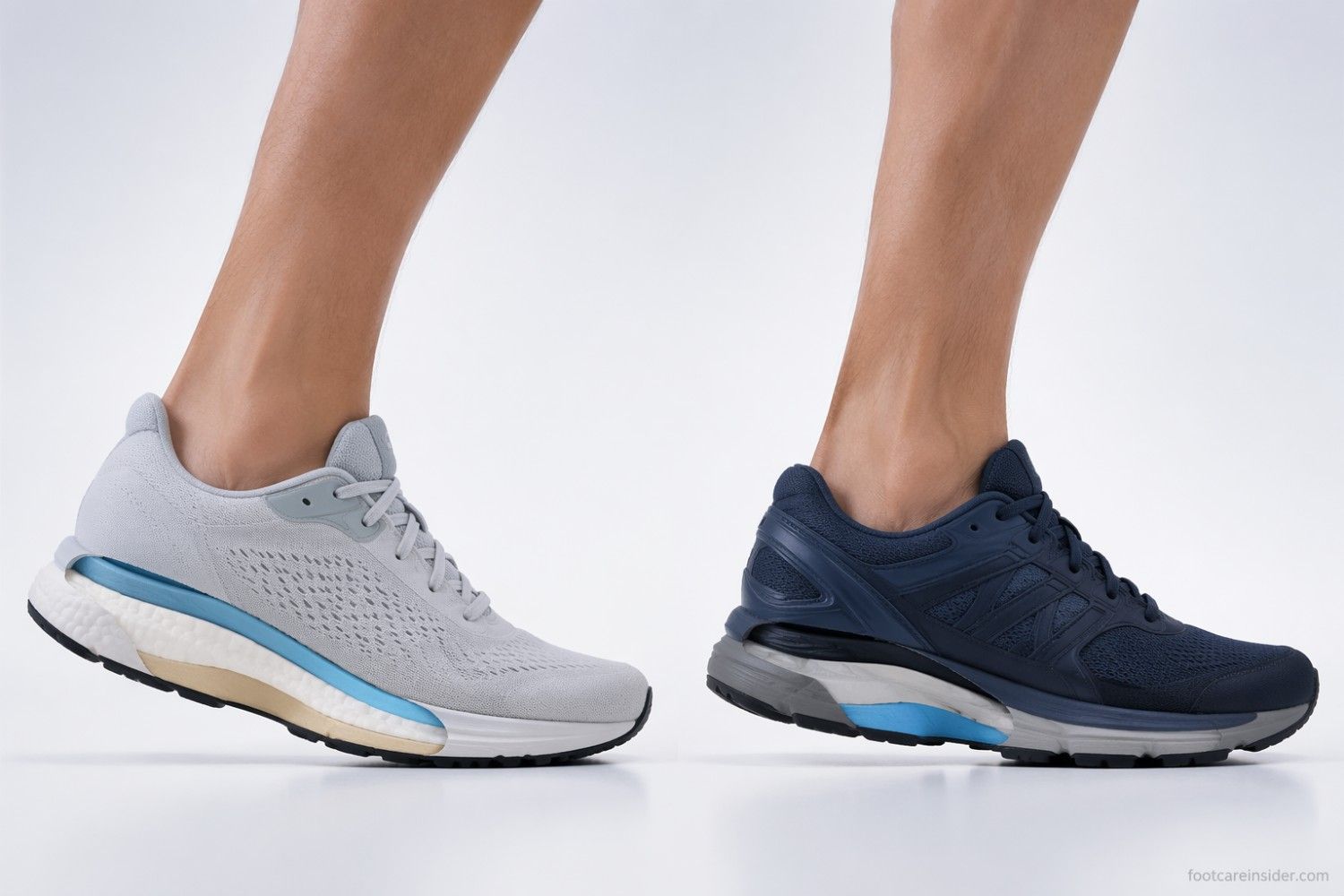
Running shoes focus on cushioning, flexibility, and impact absorption, while stability shoes are designed to improve support, guide foot motion, and help manage excessive inward rolling of the foot.
For some people with flat feet, a well-cushioned running shoe provides enough comfort and support. Others benefit from the additional structure found in stability footwear.
Understanding these differences can make it much easier to choose the right option.
What Are Running Shoes?
Running shoes are designed to help absorb impact during repetitive movement.
Most modern running shoes include:
- Cushioned midsoles
- Flexible forefoot designs
- Lightweight materials
- Shock-absorbing foam
- Responsive energy-return systems
The goal is to create a comfortable ride during running, jogging, walking, and other forms of movement.
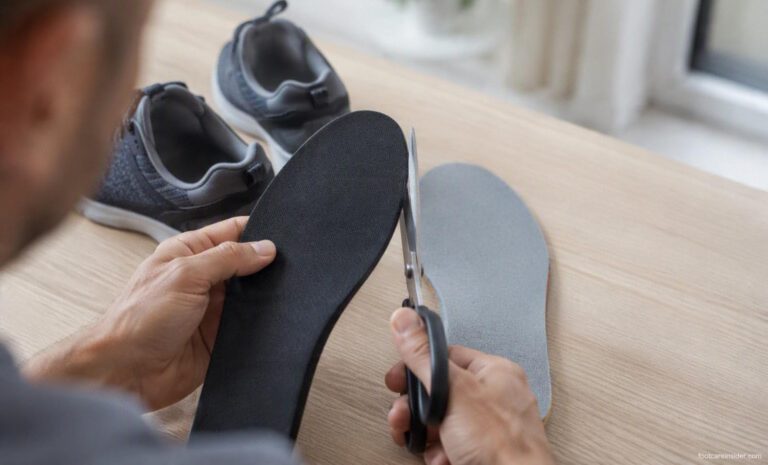
Many running shoes work well for people with mild flat feet, especially when paired with appropriate support. Readers researching best insoles for flat feet often discover that supportive insoles can significantly change how a running shoe performs.
How Running Shoes Feel
Running shoes typically feel:
- Softer underfoot
- More cushioned
- More flexible
- Lighter in weight
This often creates immediate comfort, especially for people who spend long periods walking throughout the day.
What Are Stability Shoes?
Stability shoes are specifically designed to provide additional control and support.
They often include:
- Reinforced midsoles
- Firmer support structures
- Guidance systems
- Increased arch support
- Improved motion control features
Rather than focusing primarily on softness, stability shoes aim to improve foot positioning throughout the gait cycle.
People with flat feet frequently consider stability footwear because excessive inward rolling can place additional stress on the feet, ankles, knees, and lower legs. also Many people focus only on insoles, but choosing supportive shoes for flat feet is equally important for improving alignment, reducing fatigue, and maintaining comfort throughout the day.
How Stability Shoes Feel
Compared with running shoes, stability shoes often feel:
- Firmer
- More supportive
- More structured
- Slightly heavier
Some users appreciate this secure feeling immediately, while others need time to adapt.
Structural Differences
The biggest distinction between running shoes and stability shoes is how they manage movement.
Running shoes generally allow the foot to move more naturally. The emphasis is often on comfort and impact reduction.
Stability shoes introduce features that help guide foot motion and reduce excessive movement patterns.
This becomes particularly relevant for people experiencing overpronation.
Readers comparing foot mechanics often explore flat feet vs overpronation because the two conditions are related but not identical. Not every person with flat feet requires a stability shoe.
Under Load
When standing, walking, or running, both shoe types respond differently.
A highly cushioned running shoe may compress more under repeated loading.
A stability shoe generally resists collapse more effectively and maintains its structure during longer periods of activity.
Neither approach is inherently superior. The best option depends on individual needs and activity levels.
Cushioning vs Support
This is where many purchasing decisions are made.
Running shoes typically provide:
- Greater shock absorption
- Softer landings
- Increased comfort during repetitive movement
Stability shoes typically provide:
- Better alignment assistance
- Greater support
- Improved motion control
A useful way to think about it is that running shoes often focus on comfort first, while stability shoes focus on control first.
However, modern footwear has narrowed the gap considerably, and many models attempt to provide both.
Real-World Use Cases
Walking and Daily Activity
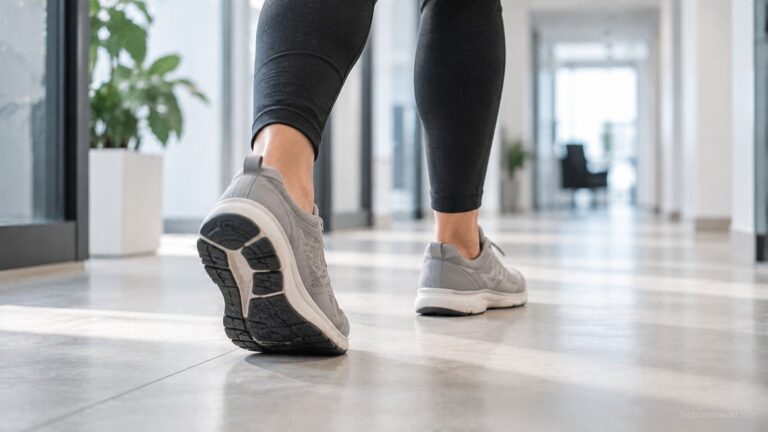
For casual walking and daily errands, many people with mild flat feet do well in standard running shoes.
The cushioning helps reduce fatigue and makes prolonged movement feel easier.
Long Periods of Standing
People who spend hours on their feet often need more than cushioning alone.
Support, pressure distribution, and foot positioning become increasingly important during extended standing.
This is one reason readers frequently compare footwear options with insoles for standing all day when trying to reduce fatigue.
Exercise and Fitness
Running shoes remain the preferred choice for many forms of cardio activity because they are specifically designed around repetitive forward motion.
Stability shoes may be beneficial when additional support is needed during training sessions.
Cost and Long-Term Value
Price ranges overlap significantly between running shoes and stability shoes.
Both categories can be found in budget, mid-range, and premium options.
Long-term value often depends more on:
- Durability
- Comfort
- Activity level
- Individual foot mechanics
A less expensive shoe that matches your needs may outperform a premium shoe that addresses the wrong problem.
The key is understanding whether your flat feet primarily require cushioning, support, or a combination of both.
Pros and Cons Explained
Running shoes and stability shoes each solve different problems.
Running shoes excel at comfort and impact absorption. The softer cushioning can make walking, jogging, and daily movement feel easier, especially for people who experience foot fatigue after long periods of activity. The downside is that highly cushioned shoes sometimes allow excessive foot motion, which may not be ideal for certain flat-footed individuals.
Stability shoes focus on support and motion control. Their structured design can help reduce excessive inward rolling and provide a more controlled walking experience. The tradeoff is that some people find them firmer or less immediately comfortable than cushioned running shoes.
The best choice depends less on the label and more on how your feet behave during movement.
Who Should Choose Running Shoes?
This is for you if:
- Your flat feet are mild
- You prioritize comfort during walking
- You spend a lot of time moving rather than standing still
- You prefer softer cushioning
- You do not experience significant overpronation symptoms
Many people with flexible flat feet perform well in running shoes, especially when the shoe provides a good balance of cushioning and support.
If your primary complaint is fatigue rather than instability, a quality running shoe may provide the comfort you need without the additional structure of a stability model.
Who Should Choose Stability Shoes?
This is for you if:
- Your feet roll inward noticeably while walking
- You experience recurring arch fatigue
- You feel unstable during activity
- You spend long periods standing
- You need more support than cushioning
Stability shoes are often chosen by people whose flat feet affect alignment throughout the lower body.
Readers comparing support systems often explore soft vs firm insoles because the same principle applies here: more support usually means a firmer feel, while more cushioning often feels softer but provides less control.
Long-Term Performance Comparison
Over time, the differences between these shoe types become more noticeable.
Running shoes generally maintain comfort very well during moderate daily activity. However, highly cushioned midsoles may compress gradually with extended use.
Stability shoes often retain their supportive characteristics longer because of their reinforced construction.
For heavy daily use, long work shifts, or frequent walking, some users find that stability shoes maintain consistent support more effectively.
Comfort and durability often involve a tradeoff. Softer shoes may feel better initially, while structured shoes may maintain performance longer.
Quick Summary
Running Shoes = Better for cushioning, walking comfort, and impact absorption.
Stability Shoes = Better for support, motion control, and managing excessive inward foot movement.
Many people with flat feet ultimately benefit from a combination of supportive footwear and properly selected insoles.
Common Questions
Are stability shoes always better for flat feet?
No. Flat feet vary significantly between individuals. Some people require additional support, while others are comfortable in well-cushioned running shoes.
Can I run in stability shoes?
Yes. Stability shoes are designed for running and walking. They simply include features intended to improve support and control compared with neutral running shoes.
Do all people with flat feet overpronate?
Not necessarily. Flat feet and overpronation are related but separate concepts. Some individuals with flat feet do not experience excessive inward rolling during movement.
Are stability shoes less comfortable?
Not automatically. Some users find stability shoes extremely comfortable because they provide the support their feet need. Comfort often depends on foot mechanics rather than shoe category alone.
Can insoles replace stability shoes?
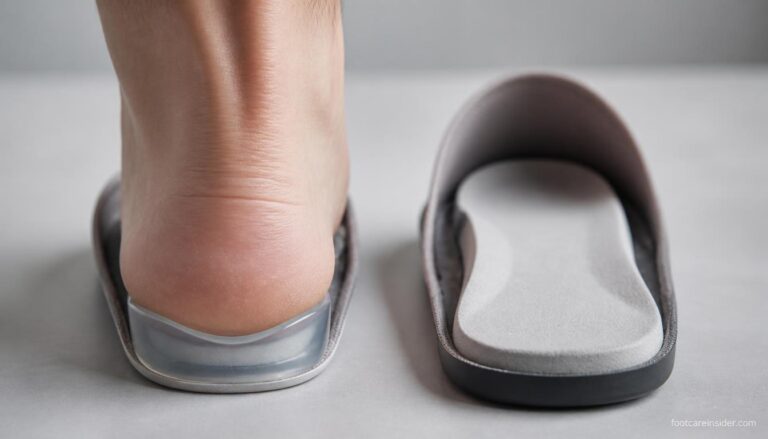
Sometimes. A supportive insole can improve stability inside a neutral running shoe. However, results depend on the shoe design and the individual’s needs.
Which type lasts longer?
Durability varies by manufacturer and model. Stability shoes often maintain structural support longer, while highly cushioned shoes may show compression sooner under heavy use.
Our picks: If you have flat feet, these are where we would start.
Brooks Ghost 17 (women) – A well-cushioned running shoe for comfort and daily miles.
Brooks Ghost 16 (men) – The same cushioned feel in a men’s fit.
Brooks Addiction Walker 2 (women) – A more supportive walking shoe for extra stability.
Stability running insoles – Add support to shoes you already own.
Final Verdict
Neither running shoes nor stability shoes are universally better for flat feet.
Running shoes are often the better choice for people who prioritize cushioning, comfort, and daily walking performance. Stability shoes tend to work better for individuals who need additional support, motion control, and alignment assistance.
The right decision depends on how your feet move, how active you are, and whether your primary goal is comfort, support, or a balance of both.
Instead of focusing solely on the category, pay attention to how the shoe performs during real-world activities such as walking, standing, exercising, and long days on your feet.