Memory Foam vs Gel Insoles: Which Reduces Foot Pain?
If you’re deciding between memory foam and gel insoles, the difference comes down to one thing: comfort vs impact control.
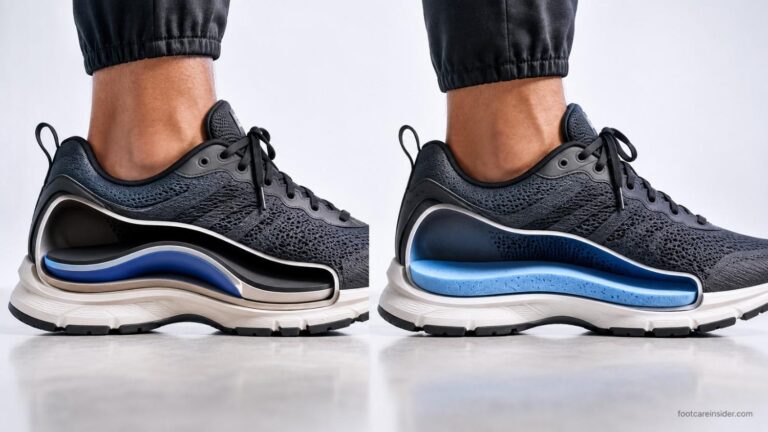
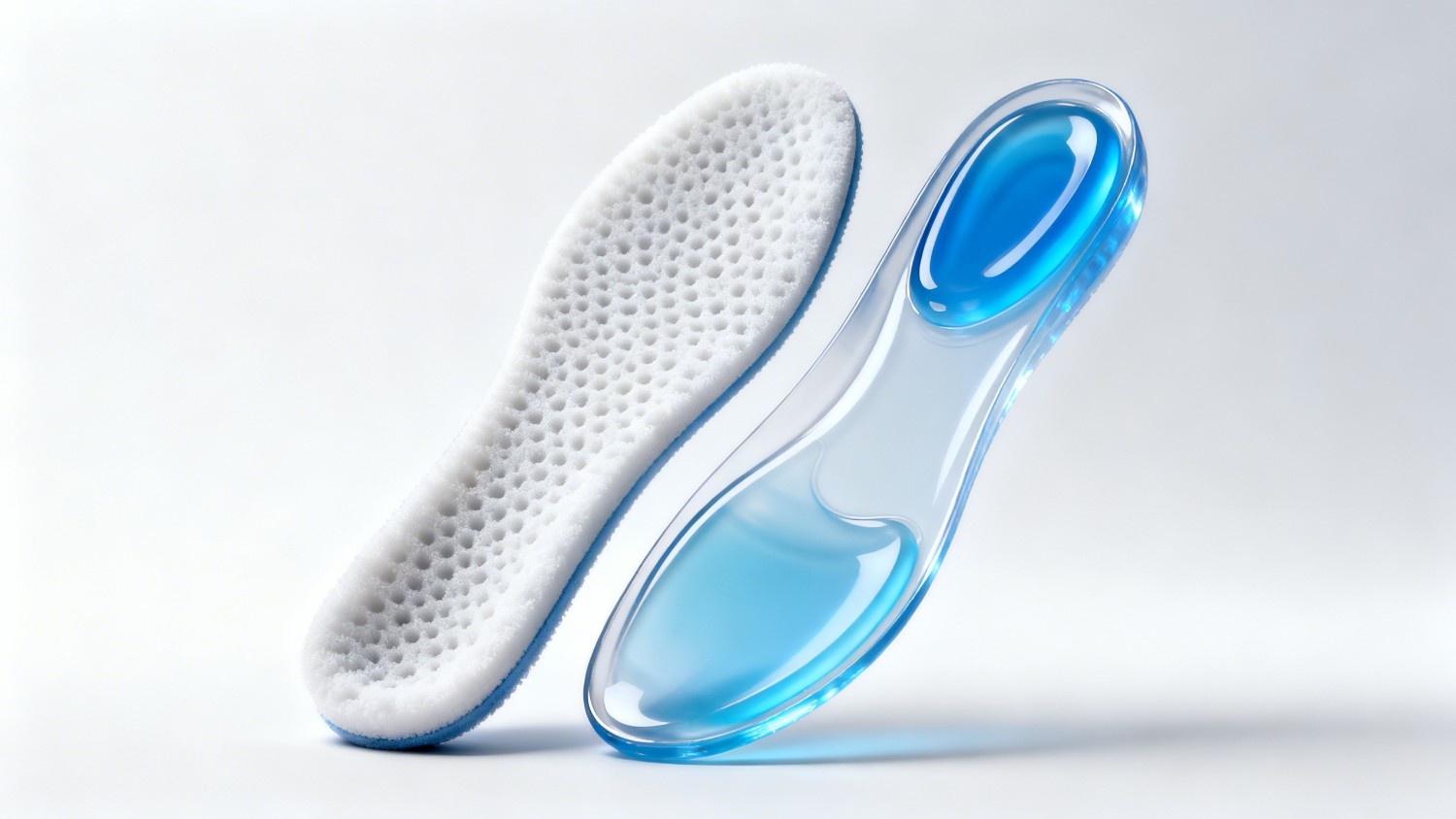
Memory foam feels softer and adapts to your foot shape, while gel insoles absorb shock better and hold their structure longer under pressure.
If you stand all day, work long shifts, or deal with heel discomfort, choosing the right material can make a noticeable difference in how your feet feel by the end of the day.
Below, you’ll see exactly how they compare in real-world use — not just theory.
Readers focused on softer cushioning and daily comfort often compare best memory foam insoles when exploring pressure relief for walking and standing fatigue.
Quick Comparison Overview
If you’re in a hurry, this table gives a quick answer — but your daily routine and foot type will determine which material performs better over time.
| Feature | Memory Foam | Gel Insoles |
|---|---|---|
| Cushioning Feel | Soft, contouring | Bouncy, springy |
| Shock Absorption | Moderate | High |
| Long-Term Support | Can compress | Holds structure longer |
| Best For | Daily wear, comfort | High-impact activity |
| Heat Retention | Warmer | Cooler |
Here’s how they compare in more detail.
What Are Memory Foam Insoles?
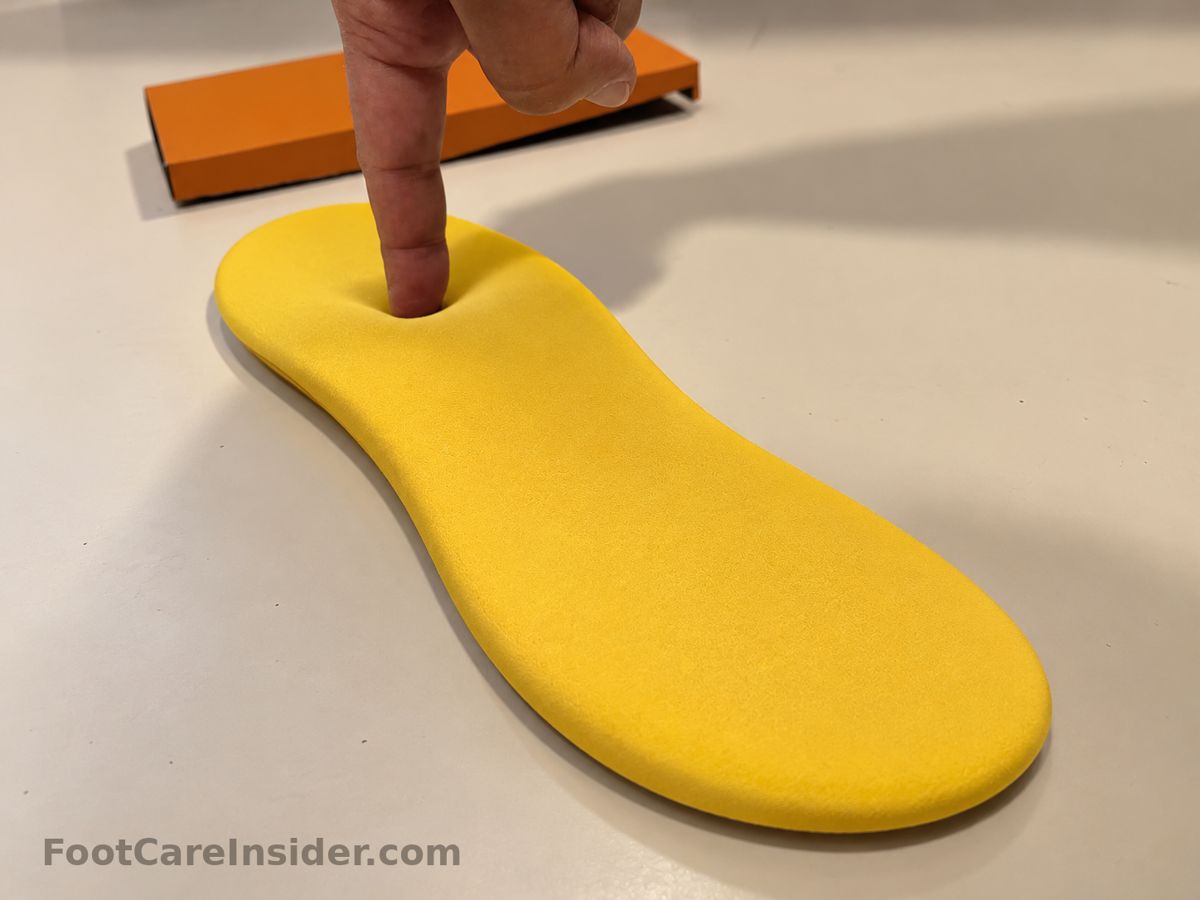
Memory foam insoles mold to the shape of your foot. They distribute pressure evenly and reduce concentrated stress points.
They’re ideal for:
- Long hours standing
- Casual daily wear
- Office work
- Light walking
If you’re looking for broader product options, see our full guide to the best memory foam insoles for detailed picks and comparisons.
Benefits of Memory Foam
- Custom-like contouring
- Reduces heel pressure
- Improves comfort in flat shoes
- Lightweight
Downsides
- Can flatten over time
- Less responsive during high-impact movement
- May retain heat
They work best when comfort is the priority — not athletic performance.
For a full breakdown of all top options, check out my guide to the best memory foam insoles.
What Are Gel Insoles?
Gel insoles use silicone or polymer-based inserts that absorb shock through compression and rebound.
They’re commonly used for:
- Work boots
- Running shoes
- Warehouse jobs
- High-impact walking
Gel provides a springy feel under the heel and forefoot.
Benefits of Gel
- Strong shock absorption
- Durable structure
- Better for impact-heavy movement
- Cooler feel
Downsides
- Heavier
- Sometimes less arch support
- May feel too firm for some users
For heavy-duty environments, you may also want to look at insoles designed specifically for work boots, since material choice plays a big role in durability.
If you need something tougher for long shifts, take a look at my review of the memory foam insoles for work boots.
Comfort: Which Feels Better?
This depends on your goal.
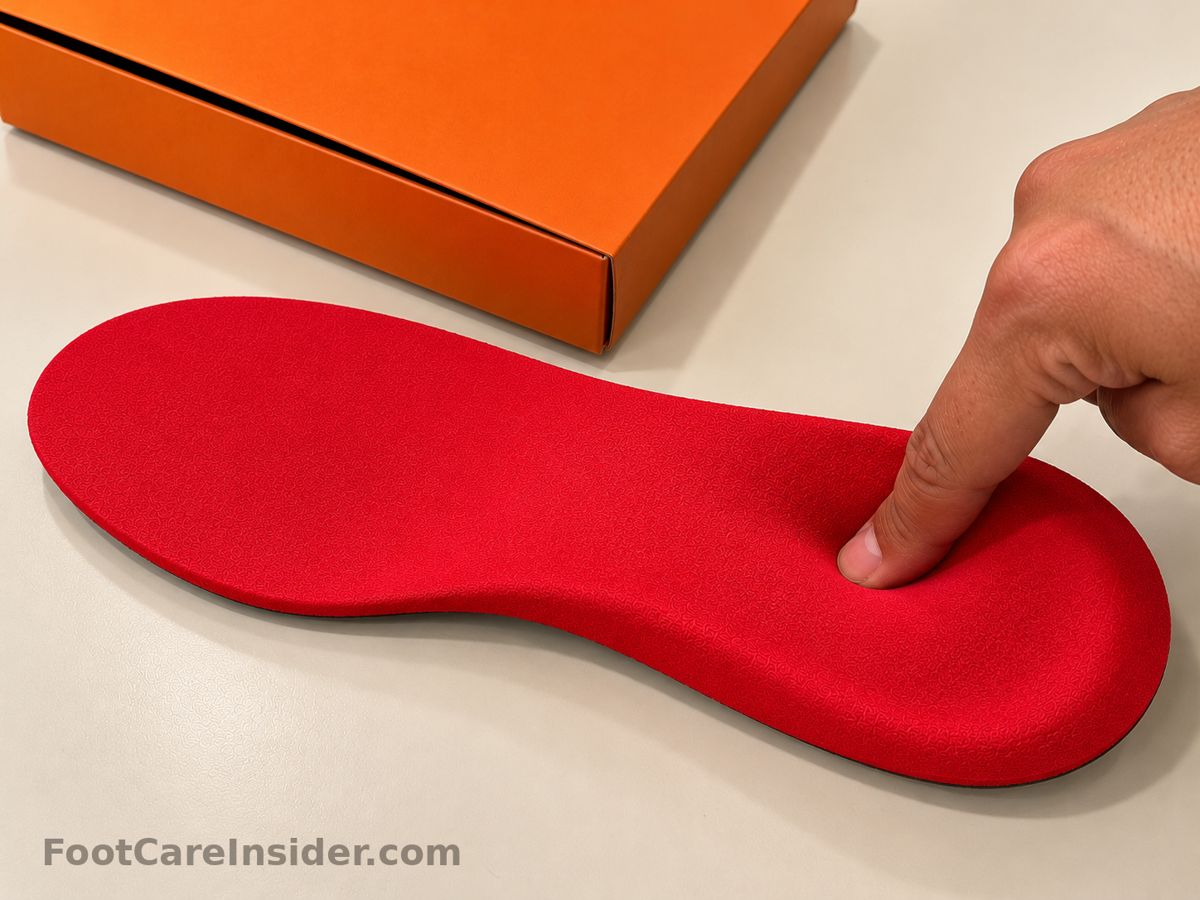
If you want soft cushioning that molds around your foot shape, memory foam wins.
If you prefer bounce and impact control, gel performs better.
Memory foam feels plush.
Gel feels responsive.
For everyday walking and office use, memory foam tends to feel more natural. For standing on concrete or hard floors all day, gel often lasts longer without flattening.
People dealing with end-of-day fatigue from concrete floors or long warehouse shifts often explore insoles for standing all day when comparing cushioning durability and pressure relief.
Support & Arch Stability
Neither material automatically guarantees arch support. The structure of the insole matters more than the cushioning type.
However:
- Memory foam compresses over time.
- Gel maintains shape longer.
If you have heel discomfort or plantar fascia strain, material alone isn’t enough — arch structure matters most. For more detailed support options, see our breakdown of insoles designed for plantar fasciitis.
Durability Comparison
Memory foam:
- Comfortable initially
- May compress after months of heavy use
Gel:
- Holds shape longer
- Better for physical jobs
If you rotate shoes daily, memory foam can last longer. If you wear one pair constantly, gel may outperform.
Material Behavior: What Actually Happens Inside Your Shoe
Memory foam and gel don’t just feel different — they behave differently under pressure.
Memory foam is a viscoelastic material. It reacts to both heat and weight, which is why it softens as your foot warms it up. Over time, this repeated compression can reduce its ability to fully bounce back, especially under heavier use.
Gel insoles, on the other hand, rely on elastic deformation. Instead of molding slowly, they compress and rebound quickly. This is what creates that “springy” or responsive feel, especially during walking or high-impact movement.
Because of this difference:
- Memory foam adapts more to your shape
- Gel responds more to movement and force
In real-world use, this means memory foam feels more personalized, while gel feels more consistent and stable over time.
Which Is Better for Work Boots?
Work boots are heavier and often used on hard surfaces.
Gel insoles usually:
- Handle impact better
- Resist compression longer
- Maintain structure under weight
Memory foam may still work if:
- Your boots already have strong arch support
- You want added cushioning, not correction
If your job involves concrete floors, warehouse shifts, or construction, durability should be the deciding factor.
Which Is Better for Plantar Fasciitis?
Material alone doesn’t treat plantar fasciitis. Structure matters more than softness.
Memory foam:
- Reduces pressure points
- Feels comfortable initially
Gel:
- Absorbs heel strike impact
- Often paired with firmer arch support
For heel pain, most people benefit from a structured insole rather than pure cushioning. A hybrid design (foam + gel insert) can sometimes offer the best balance.
For anyone dealing with heel pain or inflammation, I also compared the top memory foam insoles for plantar fasciitis.
When to Choose Memory Foam
Choose memory foam if you:
- Want maximum comfort for daily wear
- Sit and stand throughout the day
- Need light cushioning for flat shoes
- Prefer a softer underfoot feel
It’s comfort-focused, not performance-focused.
When to Choose Gel
Choose gel if you:
- Work long shifts on hard floors
- Walk heavy daily miles
- Wear steel-toe or heavy boots
- Need stronger shock absorption
It’s impact-focused and more durable.
Hybrid Insoles: The Best of Both?
Some insoles combine:
- Memory foam upper layer
- Gel heel pad
- Structured arch base
These can provide both cushioning and shock control.
Hybrid designs are often the most versatile option for mixed daily use.
Our picks: Here is where we would start for each side, plus a middle option.
Dr. Scholl’s Memory Foam – Soft contouring comfort for office days, casual shoes and light walking.
Dr. Scholl’s Gel – More shock absorption for long shifts and hard floors.
Powerstep Maxx Support – The hybrid option: a structured arch with cushioning on top.
Final Verdict: Memory Foam vs Gel Insoles
There is no universal winner.
Memory foam = comfort and contouring.
Gel = durability and impact absorption.
Your daily activity determines which works better.
If you’re building a rotation or comparing options, review our full buyer’s guide to memory foam insoles to see where each type fits in the larger picture.
For better balance and foot control, explore our guide to overpronation support insoles designed for daily comfort.