Why Heel Pain Gets Worse After Long Standing Hours
If your heels feel fine in the morning but begin aching after several hours on your feet, you’re not alone. Heel pain after standing is one of the most common complaints among people who work in retail, healthcare, warehouses, hospitality, and other jobs that require prolonged standing.
The discomfort often develops gradually rather than appearing suddenly. What starts as mild soreness can turn into noticeable pain by the end of the day, especially when standing on hard surfaces or wearing unsupportive footwear.
Understanding why heel pain gets worse after long standing hours can help explain what’s happening inside the foot and why certain people seem more vulnerable than others.
If you are unsure whether the pain is in the heel or the arch, read heel pain vs arch pain.
Our picks: If your heels are sore by the end of a standing day, these are two we would start with.
Heel Cups – Cushioning and a cupped fit right under the heel, for pain that sits in the heel itself.
Spenco RX – A full-length insole with extra cushioning for hard floors, if the whole foot tires as the day goes on.
Why the Heel Absorbs So Much Stress
The heel is usually the first part of the foot to absorb impact during walking.
Even when standing still, the heel supports a significant portion of body weight throughout the day.
Its responsibilities include:
- shock absorption
- weight distribution
- balance support
- pressure management
Under normal conditions, the foot’s muscles, ligaments, and arch structure help share these loads efficiently.
However, when standing continues for many hours, the tissues supporting the heel may become increasingly stressed.
Unlike short periods of activity, prolonged standing creates continuous pressure with limited opportunities for recovery.
How Standing Fatigue Affects the Foot
Many people assume movement is harder on the feet than standing.
In reality, remaining upright for extended periods can create a different type of strain.
Walking allows:
- pressure shifts
- muscle activation changes
- circulation variation
- movement redistribution
Standing often concentrates force in the same areas repeatedly.
As hours pass, muscles responsible for supporting the arch and stabilizing the foot may begin to fatigue.
Once fatigue develops, the heel often absorbs a greater percentage of the load.
This can make discomfort become more noticeable later in the day.
The Role of the Arch
The arch plays an important role in reducing stress on the heel.
A healthy arch helps distribute force across the entire foot rather than concentrating pressure in one location.
When arch support becomes less effective, the heel may experience greater loading during standing and walking.
People researching what causes flat feet often learn that genetics, aging, tendon changes, and long-term stress on the feet can all influence arch function.
Even mild arch instability may affect how efficiently pressure moves through the foot.
Over time, this can contribute to heel discomfort during prolonged standing.
Why Hard Floors Often Make Symptoms Worse
The surface beneath your feet matters more than many people realize.
Hard materials such as:
- concrete
- tile
- stone
- industrial flooring
absorb very little impact.
As a result, more force travels back through the feet with every step and every hour spent standing.
Workers in warehouses, hospitals, factories, and retail environments frequently notice worsening heel pain because their feet receive little assistance from the surface itself.
The body must absorb nearly all of the force.
When combined with long standing hours, fatigue often develops more quickly.
Foot Mechanics Can Increase Heel Pressure
Not everyone experiences heel pain in the same way.
Differences in foot mechanics often influence where pressure accumulates.
People with:
- flat feet
- overpronation
- unstable arches
- altered walking patterns
may place additional stress on specific parts of the heel.
Readers comparing flat feet vs overpronation often discover that both conditions can affect how force travels through the foot during standing and walking.
Although they are not identical conditions, both may influence pressure distribution and overall foot fatigue.
Early Signs Before Significant Pain Develops
Heel pain rarely appears without warning.
Many people experience subtle symptoms first.
Common early signs include:
- tired feet at the end of the day
- mild heel soreness
- arch fatigue
- stiffness after sitting
- discomfort during the first few steps after resting
At this stage, symptoms often come and go.
Because discomfort may improve overnight, many people ignore the problem initially.
Over time, however, the pattern can become more frequent.
Why Symptoms Often Feel Worse Later in the Day
One of the most common characteristics of standing-related heel pain is its timing.
Many people feel relatively comfortable early in their shift but significantly worse by evening.
Several factors contribute to this progression:
- muscle fatigue accumulates
- supportive tissues become stressed
- pressure continues building
- recovery opportunities remain limited
The longer the standing duration, the harder the foot must work to maintain stability.
Eventually, discomfort may become noticeable not only in the heel but also in the arch, ankle, and lower leg.
When Heel Pain Starts Affecting Other Areas
The effects of heel discomfort are not always isolated to the foot itself.
As pain develops, people often adjust their movement patterns subconsciously.
These changes may influence:
- knee mechanics
- hip movement
- walking efficiency
- balance control
Readers exploring why flat feet cause knee pain frequently learn how changes in foot function can affect joints higher up the body.
When movement compensations become repetitive, secondary discomfort sometimes develops beyond the heel.
Who Is Most Likely to Experience It?
Certain factors increase the likelihood of developing heel pain after standing.
These include:
- long work shifts
- hard flooring
- unsupportive footwear
- excess body weight
- flat feet
- overpronation
- limited recovery time
The more of these factors present, the greater the stress placed on the foot’s supporting structures.
Recognizing these risk factors early can help explain why heel discomfort often worsens gradually rather than appearing overnight.
Heel discomfort can sometimes spread into nearby parts of the foot, making it difficult to pinpoint the source. Our Interactive Foot Pain Chart can help you understand where the pain begins before exploring possible support options.
Reducing Heel Stress During Long Days
If heel pain develops primarily after standing for long periods, reducing repetitive stress often becomes an important part of management.
Small adjustments throughout the day can sometimes make a meaningful difference.
Helpful strategies may include:
- changing standing position regularly
- taking short walking breaks
- avoiding prolonged stationary standing
- stretching the calves after work
- replacing worn footwear
Even brief periods of movement can help redistribute pressure and reduce the constant loading placed on the heel.
People who stand in one location for several hours often benefit from changing weight distribution more frequently throughout the day.
How Insoles May Help
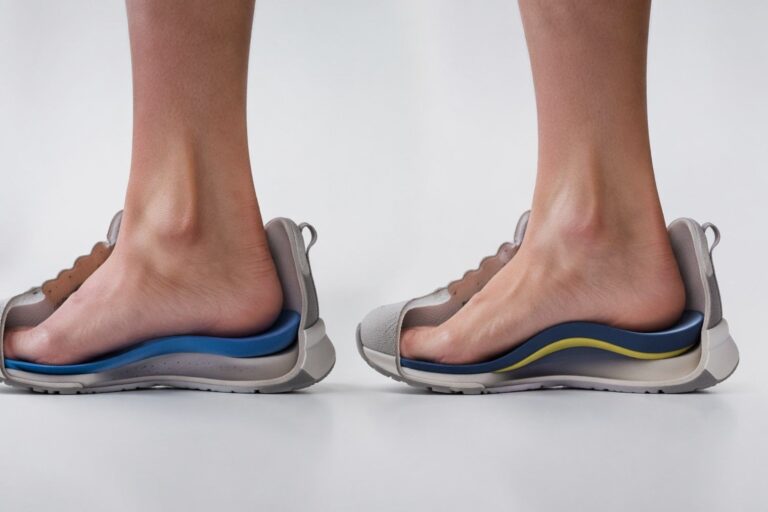
Supportive insoles can sometimes help reduce heel discomfort by improving how force moves through the foot.
Rather than concentrating pressure in a small area beneath the heel, supportive insoles may assist with:
- pressure distribution
- arch support
- shock absorption
- standing comfort
Workers spending extended hours on hard surfaces often research insoles for standing all day when looking for ways to reduce end-of-day foot fatigue.
The goal is not simply adding extra cushioning. In many cases, balancing support and comfort helps maintain more consistent pressure management throughout long shifts.
When Medical Evaluation Is Worth Considering
Occasional heel soreness after an unusually demanding day is common.
Persistent symptoms deserve more attention.
Consider professional evaluation if:
- pain becomes severe
- symptoms continue for weeks
- walking becomes difficult
- swelling develops
- discomfort worsens despite supportive footwear
- pain interferes with daily activities
Several conditions can contribute to ongoing heel pain, and identifying the cause helps guide the most appropriate treatment approach.
Early assessment may prevent symptoms from becoming more difficult to manage later.
Preventing Future Heel Problems
Preventing heel pain often involves reducing cumulative stress before discomfort becomes chronic.
Helpful prevention habits include:
- maintaining supportive footwear
- replacing worn shoes regularly
- managing standing duration when possible
- staying active outside work
- supporting healthy foot mechanics
The earlier fatigue patterns are recognized, the easier they are often to address.
Waiting until pain becomes severe may allow compensation patterns and movement changes to become more established.
Not All Heel Pain Has the Same Cause
Heel pain is a symptom rather than a diagnosis.
Different people may experience similar discomfort for very different reasons.
Contributing factors can include:
- standing fatigue
- arch instability
- footwear issues
- repetitive loading
- tissue irritation
- altered walking mechanics
This explains why two people working identical shifts may experience very different levels of discomfort.
Understanding the underlying cause is often more useful than focusing only on the location of the pain.
Common Questions
Why does my heel hurt more at the end of the day?
Heel pain often worsens as fatigue accumulates throughout the day. Muscles and supportive tissues gradually become less effective at managing repetitive load, increasing stress on the heel.
Can standing all day cause heel pain?
Yes. Prolonged standing places continuous pressure on the heel and surrounding tissues. Hard flooring and inadequate footwear can increase the likelihood of discomfort.
Why do my first steps after resting hurt?
After periods of rest, tissues in the foot may temporarily stiffen. When weight is placed on the foot again, discomfort may become more noticeable during the first few steps.
Can flat feet contribute to heel pain?
They can. Reduced arch support may alter pressure distribution and increase loading in certain parts of the foot, including the heel.
Does walking help more than standing?
In many cases, yes. Walking allows pressure to shift throughout the foot and encourages muscle activity, while standing often concentrates force in the same areas for long periods.
When should I worry about heel pain?
Persistent pain, worsening symptoms, swelling, or difficulty walking are all reasons to consider professional evaluation. Ongoing discomfort should not be ignored simply because it developed gradually.
Heel pain after standing usually develops because the foot’s supportive structures become increasingly stressed as hours pass. Hard surfaces, prolonged standing, arch instability, and footwear choices can all influence how much pressure reaches the heel.
For many people, symptoms begin as mild fatigue before gradually progressing into more noticeable discomfort. Recognizing those early signs can make it easier to reduce stress on the foot and maintain comfort throughout the day.
Understanding why heel pain develops is often the first step toward finding practical ways to reduce strain and improve long-term foot health.
What should I look for in shoes if my heels hurt when I stand?
A firm, stable heel counter, a cushioned midsole that does not collapse, and room for an insole. Worn-out shoes are a common cause, so check the soles first. If your insoles are old too, see the signs you need new insoles.
Is heel pain after standing plantar fasciitis?
It can be. Sharp heel pain with the first steps after rest is a typical sign, but other causes exist. Our page on plantar fasciitis vs heel spurs explains the difference, and a clinician can confirm it.